
エアロジニー — あなたのインテリジェントな副操縦士。

現在のトレンド
Categories
Philippine Airlines Welcomes New A350 Jets as Fleet Renewal Advances Growth Plans
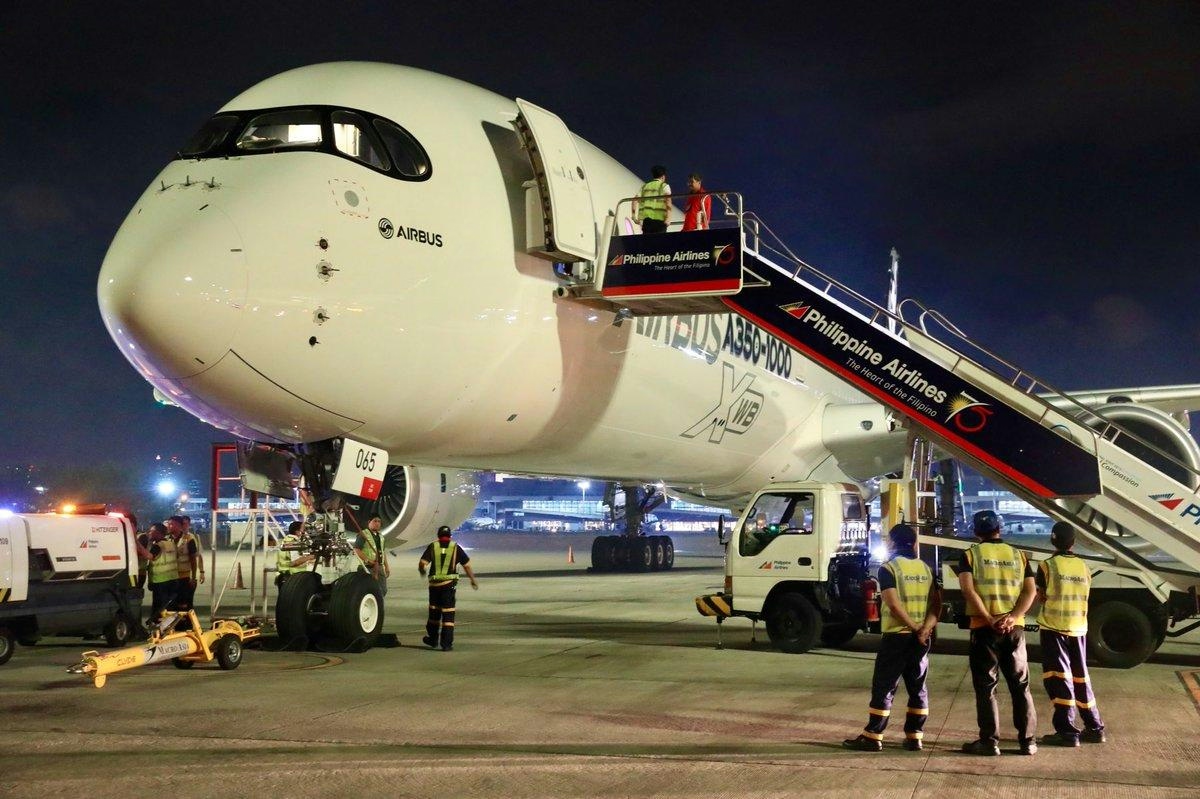
Philippine Airlines Welcomes New A350 Jets as Fleet Renewal Advances Growth Plans
Transforming International and Regional Operations
Philippine Airlines (PAL) is poised for a pivotal year in 2025 with the introduction of new Airbus A350-1000 widebody jets, marking a significant advancement in its fleet renewal strategy. These cutting-edge aircraft are expected to redefine the airline’s international and regional services, underpinning its growth ambitions across North America and Asia. The A350-1000, one of the most technologically advanced models in Airbus’s portfolio, is engineered for ultra-long-haul flights—a segment where PAL has consistently experienced robust demand, particularly from Filipino travelers and business passengers.
The airline’s direct routes to the United States and Canada serve as crucial economic and cultural links for one of the world’s largest overseas Filipino communities. The enhanced range, fuel efficiency, and passenger comfort offered by the A350-1000 will bolster PAL’s nonstop transpacific operations, improve operational reliability, and reduce costs, all while elevating the overall travel experience.
Simultaneously, PAL is resuming deliveries of the Airbus A321neo, a next-generation narrowbody aircraft intended to modernize its regional fleet. The A321neo’s extended range, improved fuel efficiency, and upgraded cabin environment will enable the airline to expand and optimize its network throughout Asia, with a particular focus on the ASEAN region. This initiative aims to restore and strengthen PAL’s presence in key short-haul and underserved markets, reinforcing Manila’s status as a premier regional gateway.
Operational Challenges and Competitive Pressures
Despite the promising outlook, the ambitious fleet renewal presents several operational challenges. Integrating the new A350 jets will necessitate meticulous planning to ensure seamless operations, including the expansion of maintenance and repair facilities and comprehensive training programs for pilots and crew. These measures are critical to fully realize the benefits of the new aircraft while maintaining stringent safety and service standards.
The competitive environment is also intensifying. Airlines such as Edelweiss Air and Austrian Airlines are upgrading their fleets with new A320neo aircraft, heightening competition on both regional and long-haul routes. PAL must leverage its modernized fleet alongside improved airport infrastructure in Manila to sustain its competitive advantage against established international carriers like Singapore Airlines and Qatar Airways, as well as nimble low-cost carriers operating within the Philippines.
Through these strategic investments, Philippine Airlines is positioning itself to compete more effectively in a dynamic market by offering enhanced efficiency, flexibility, and passenger comfort. As the airline navigates the complexities of fleet integration and increasing competition, its renewed focus on modernization and network expansion highlights its commitment to maintaining its status as a leading international carrier in the years ahead.

Plane lands on Pennsylvania highway due to ‘engine issues,’ FAA says
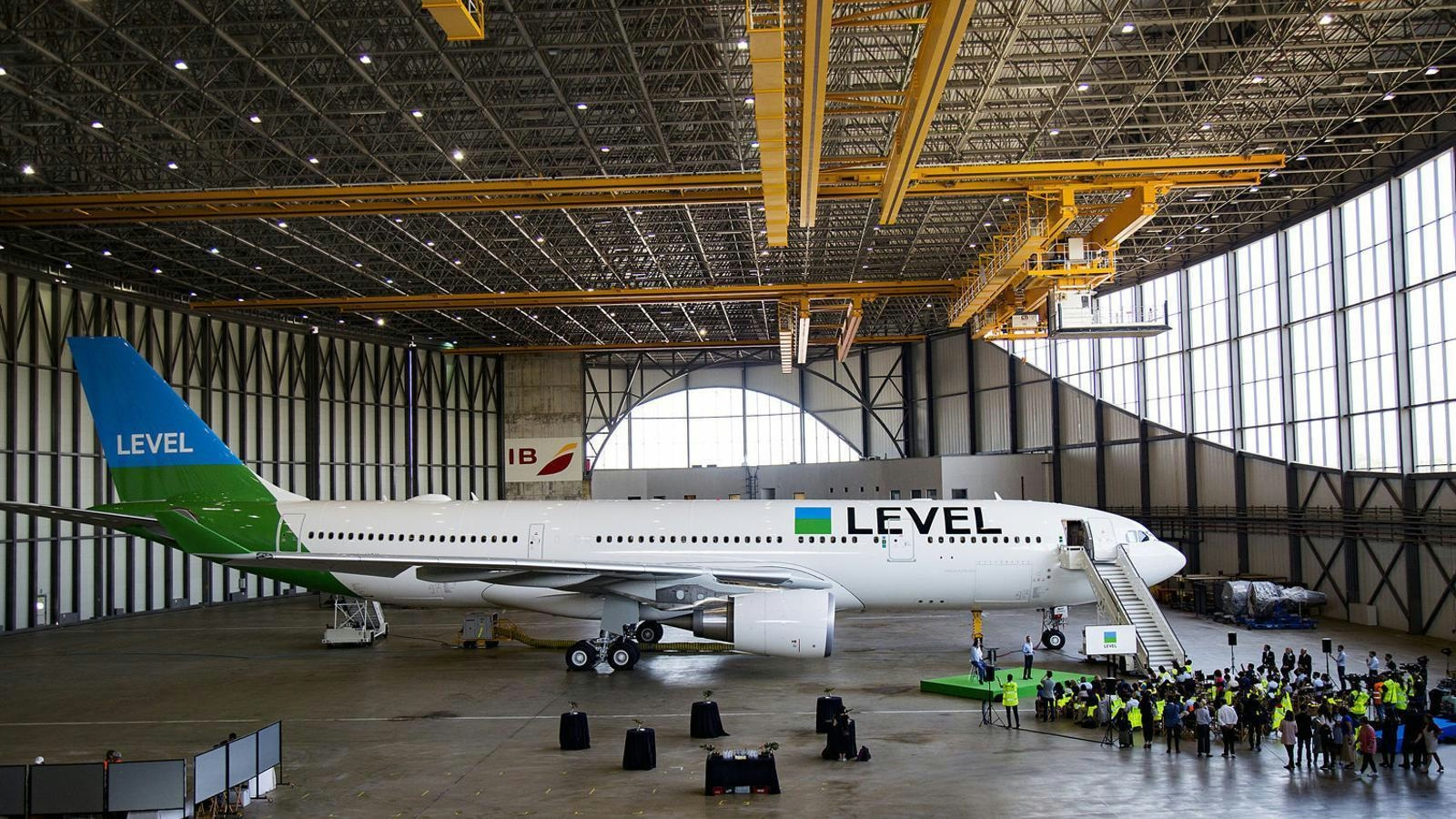
LEVEL Suspends San Francisco Flights Due to Engine Shortage
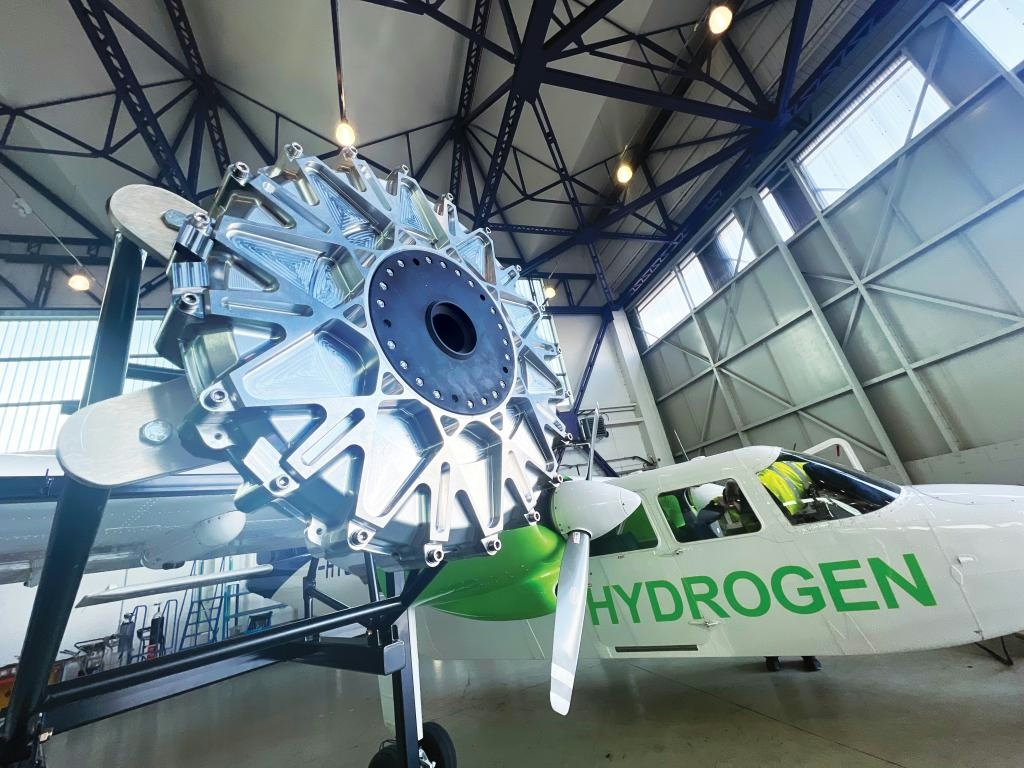
China Conducts First Flight Test of Megawatt Hydrogen Turboprop Engine

Oklahoma’s Aerospace Industry Expands and Its Impact on the State Economy
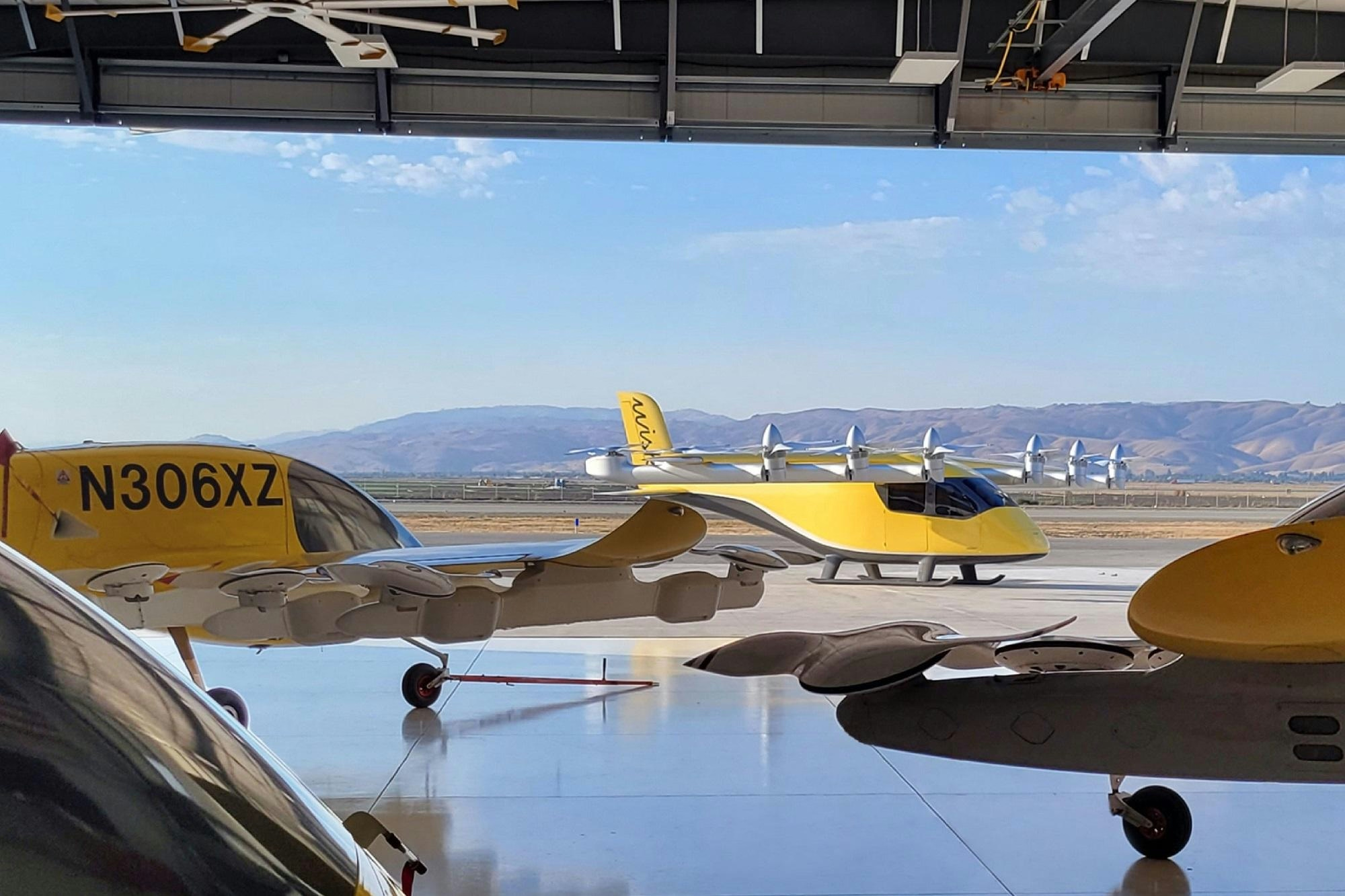
Archer Aviation Confronts Setbacks Amid Declining Air Taxi Interest

FAA and EASA Mandates to Influence Flight Line Testing Equipment Market Through 2035
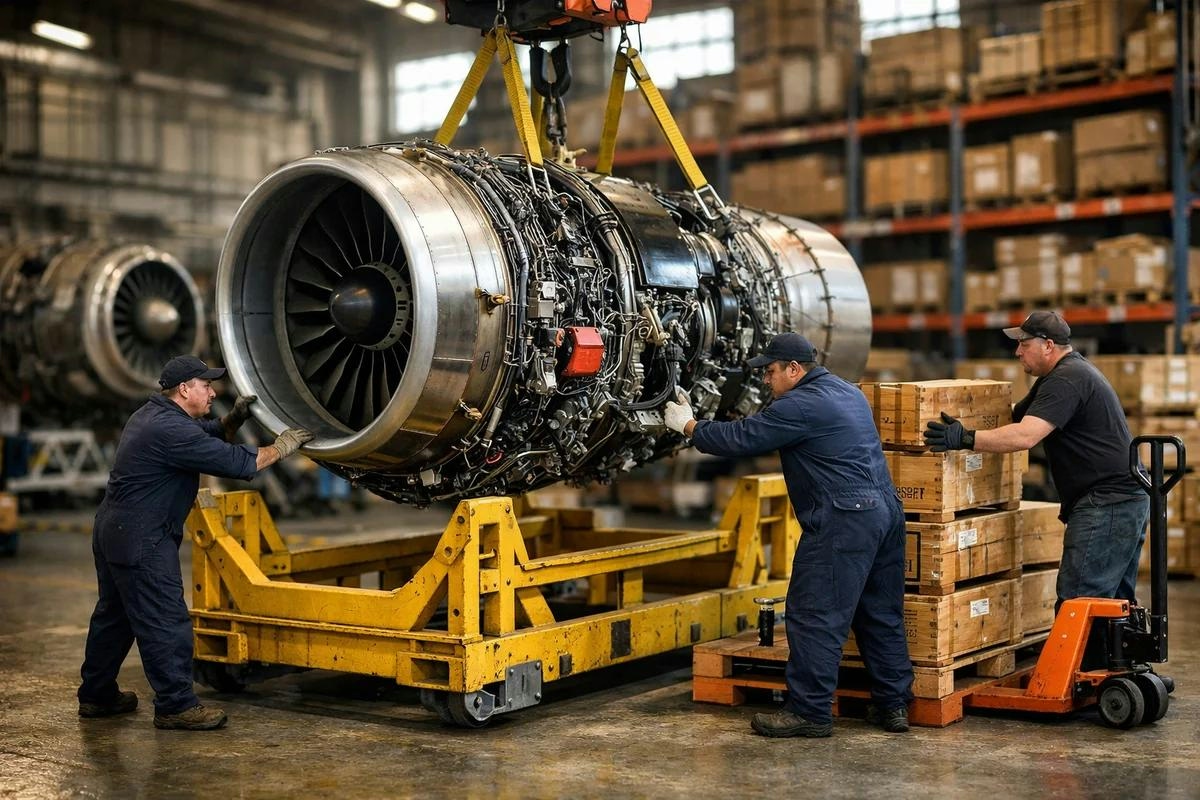
Willis Lease Operates as a Leveraged Spread Business with Moderate Returns

Chinese Team Develops First Flight Control Software for Bamboo Drones
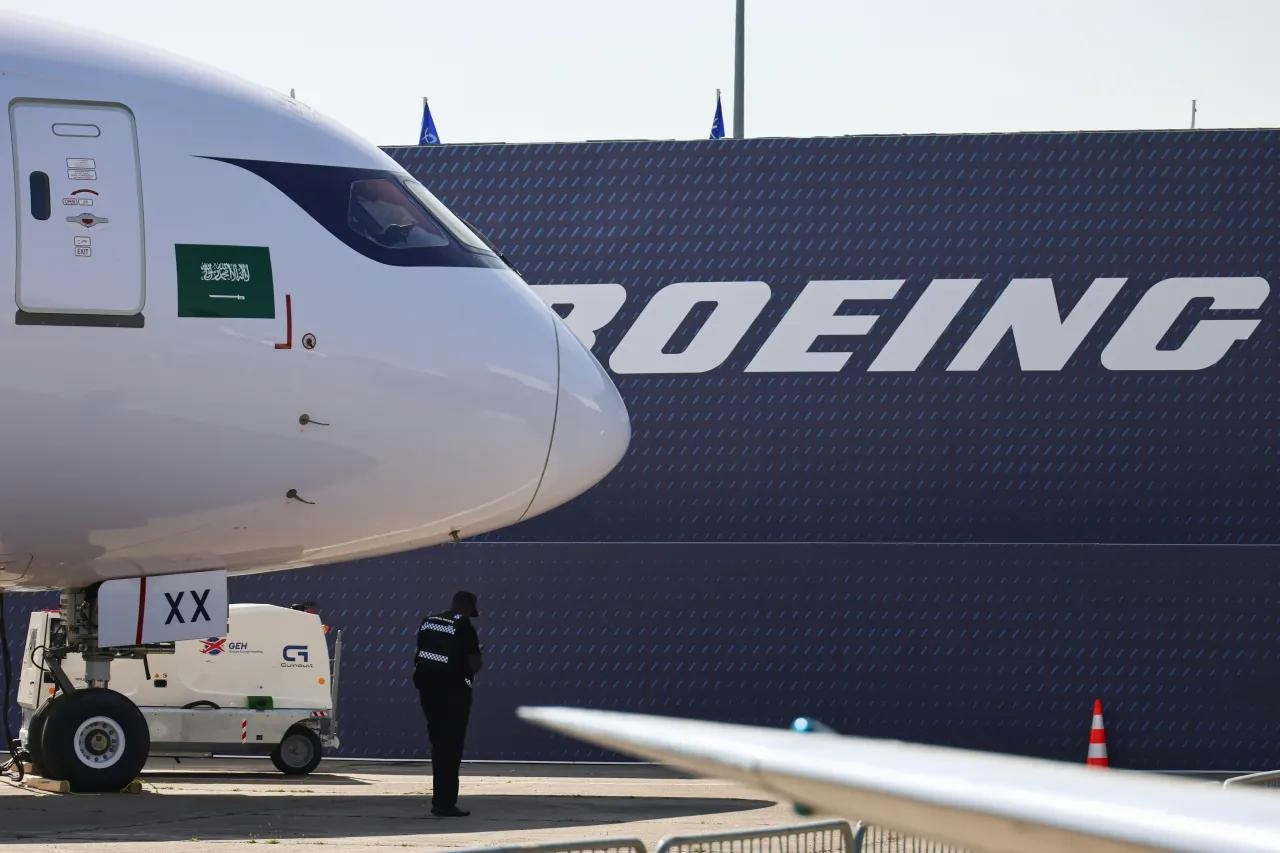
Government Moves Forward with Boeing Purchase, Considers Airbus Leasing
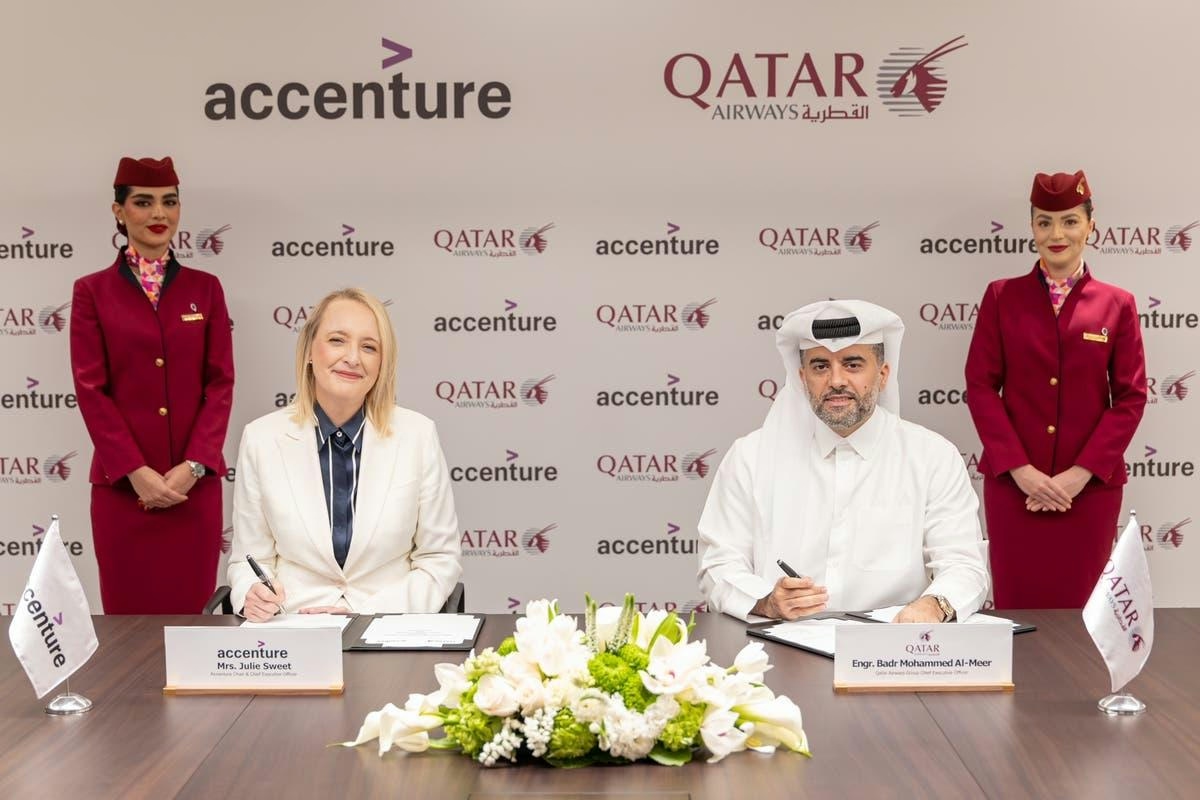
Changes in Airline Industry Leadership, Alliances, and AI
