
エアロジニー — あなたのインテリジェントな副操縦士。

現在のトレンド
Categories
London and Singapore Pilot AI Systems in Air Traffic Control
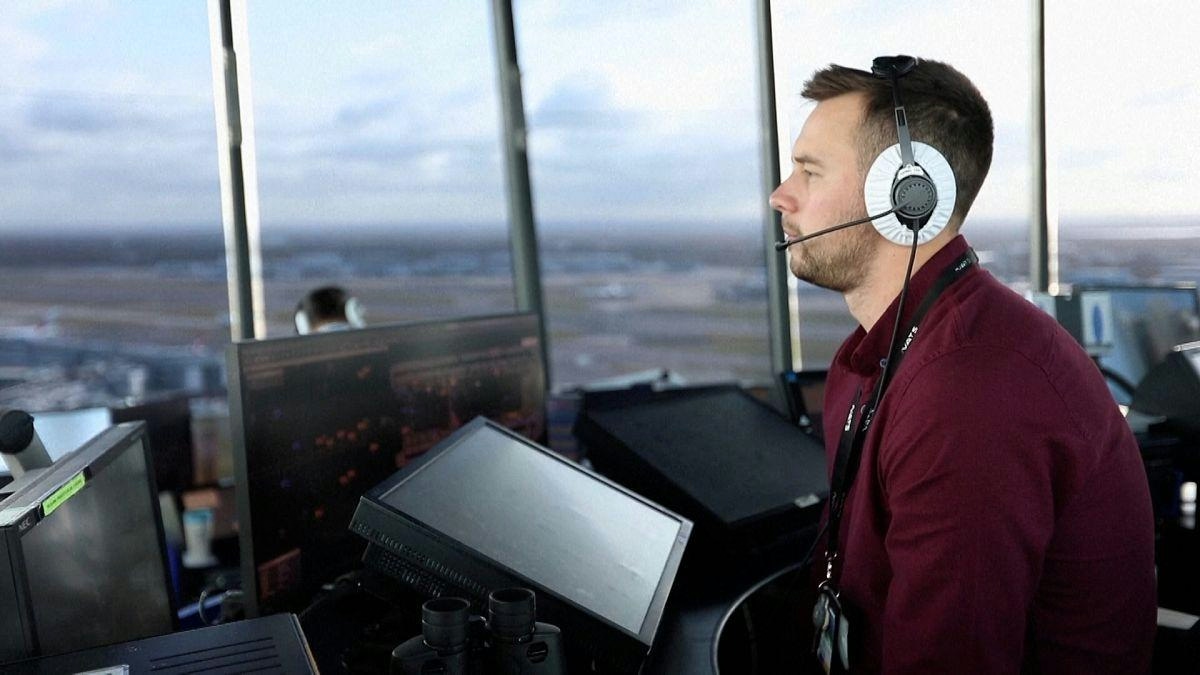
London and Singapore Pilot AI Systems in Air Traffic Control
London and Singapore, two of the world’s busiest and most congested airspaces, have embarked on pilot programs to integrate artificial intelligence (AI) into air traffic control operations. This initiative responds to the growing pressures faced by air traffic controllers, who manage thousands of flights daily while relying on aging technological infrastructure. The aviation industry increasingly views AI as a vital tool capable of processing vast amounts of data simultaneously and operating without fatigue, thereby enhancing the monitoring and management of aircraft movements.
Challenges of AI Integration in Air Traffic Control
Despite its potential, the integration of AI into air traffic control systems presents significant challenges. Regulatory compliance and the maintenance of stringent safety standards remain paramount concerns for authorities in both cities. Ensuring that AI technologies meet existing aviation requirements is a complex task, particularly given the need to integrate these advanced systems with legacy infrastructure that was not originally designed to accommodate such automation.
Skepticism persists among traditional aviation stakeholders, who express caution over the rapid pace of technological change and the possibility of unforeseen consequences. Legal and ethical questions surrounding accountability in the event of accidents are especially pressing. As highlighted by Scientific American, assigning responsibility when AI is involved remains a complex and unresolved issue. This concern has intensified following a fatal collision in January in the United States capital, where an airliner and a military helicopter collided, resulting in 67 fatalities. Investigations have pointed to human error as a contributing factor, prompting increased scrutiny of current air traffic control practices.
Industry Response and Future Outlook
In light of these developments, competitors within the aviation sector are accelerating investments in AI technologies. Their goal is to maintain market leadership while developing more robust AI models capable of addressing concerns related to safety and reliability. The Federal Aviation Administration’s nominee has emphasized the critical need to modernize the air traffic control system, underscoring that such upgrades are essential to accommodate emerging technologies like AI.
As London and Singapore advance their pilot programs, the global aviation community is observing closely. The outcomes of these initiatives may well determine the future trajectory of air traffic management, balancing the promise of enhanced efficiency and safety against the imperative to navigate regulatory, ethical, and operational challenges.
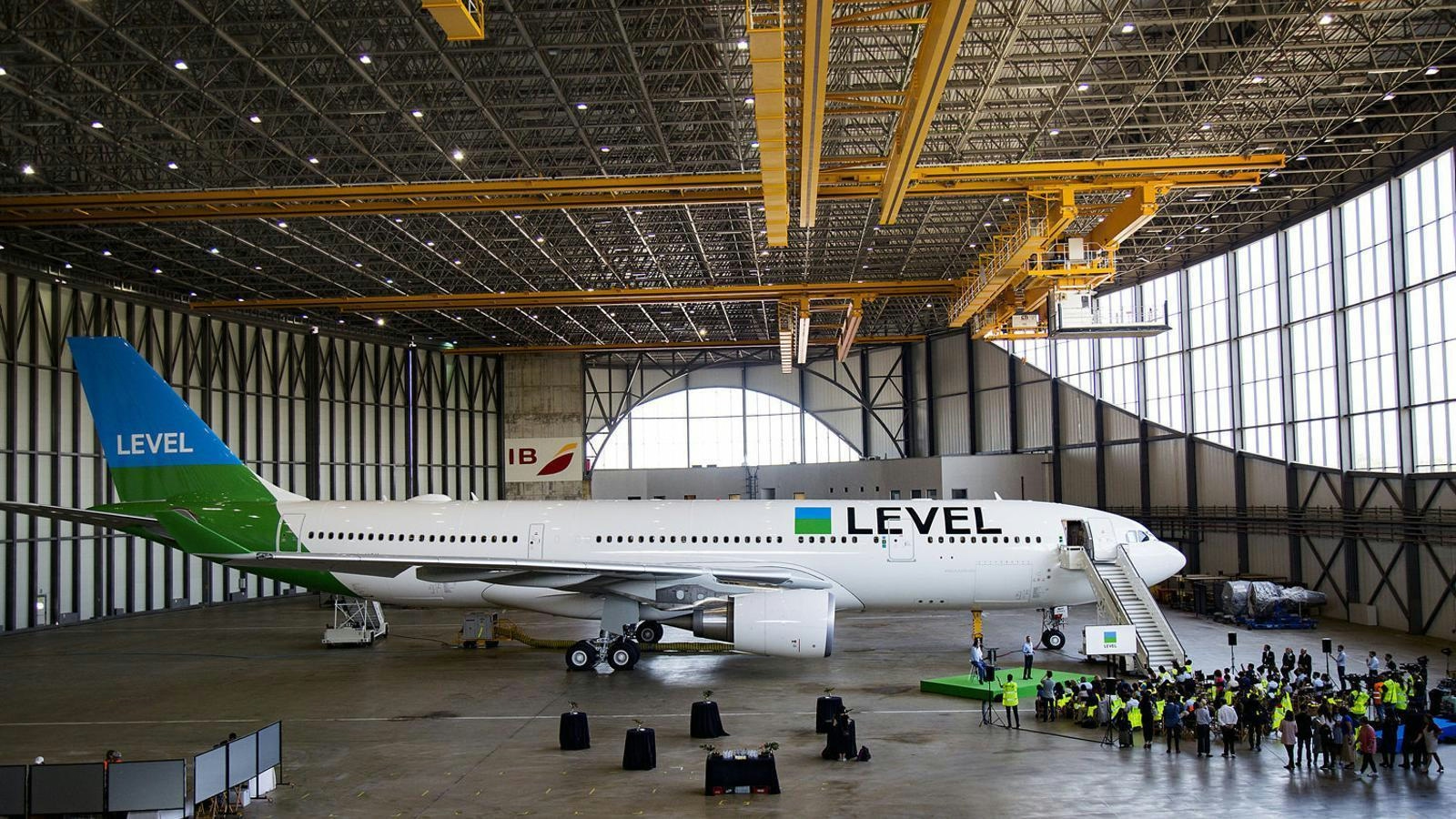
LEVEL Suspends San Francisco Flights Due to Engine Shortage
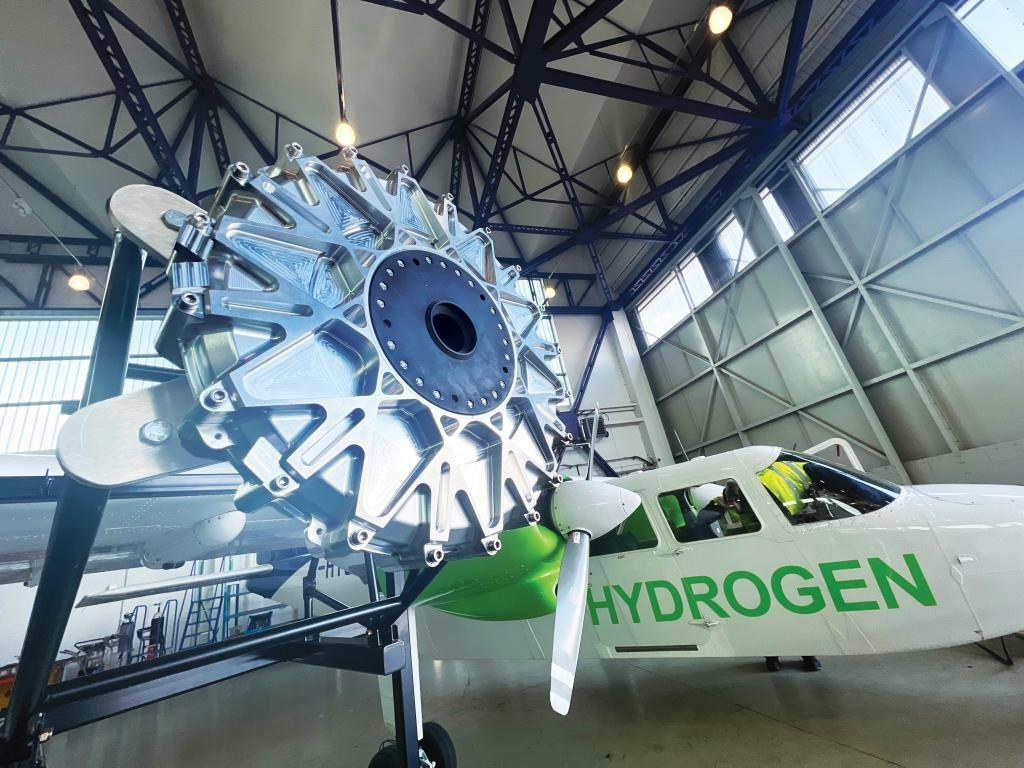
China Conducts First Flight Test of Megawatt Hydrogen Turboprop Engine

Oklahoma’s Aerospace Industry Expands and Its Impact on the State Economy
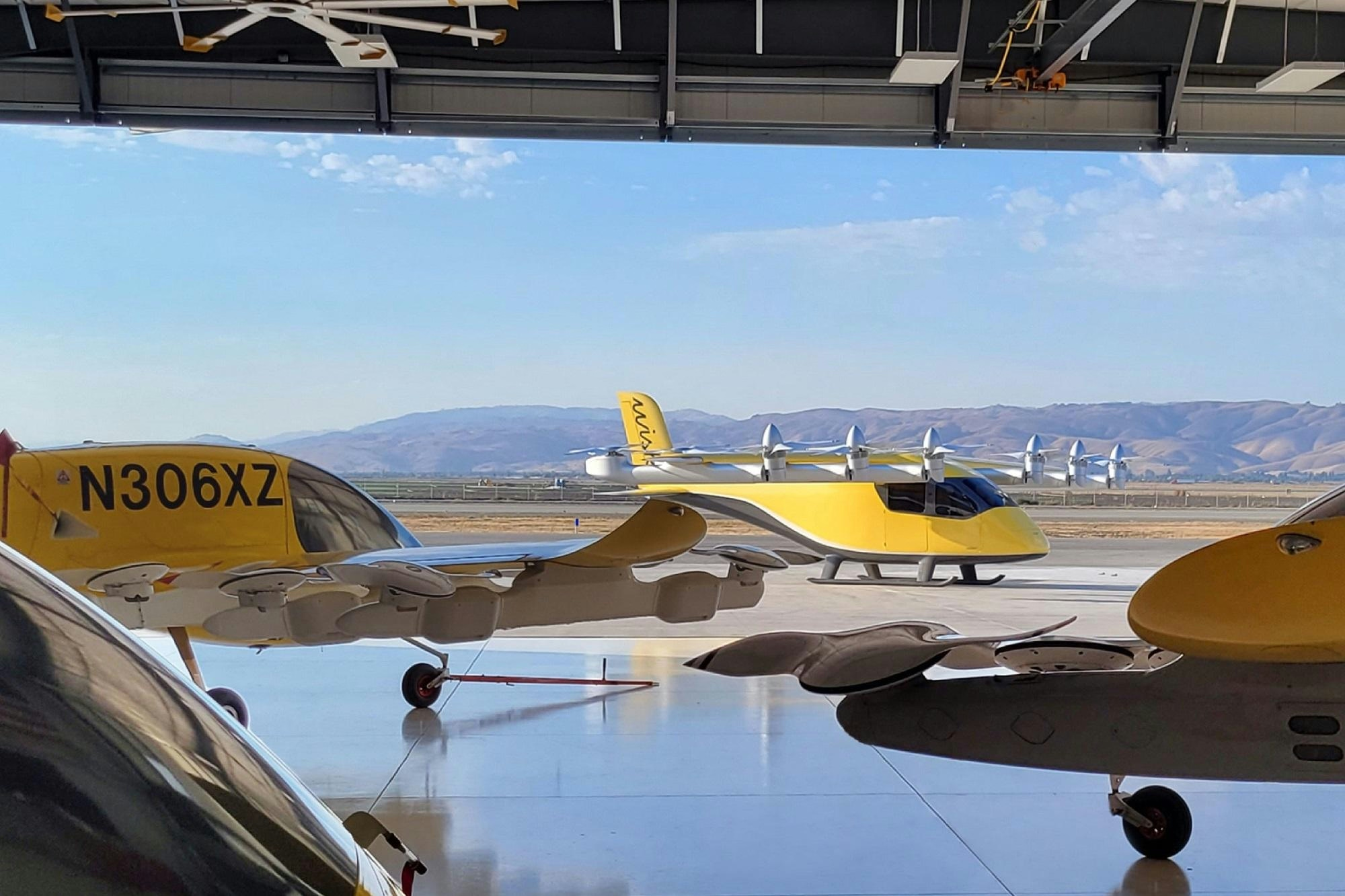
Archer Aviation Confronts Setbacks Amid Declining Air Taxi Interest
FAA and EASA Mandates to Influence Flight Line Testing Equipment Market Through 2035
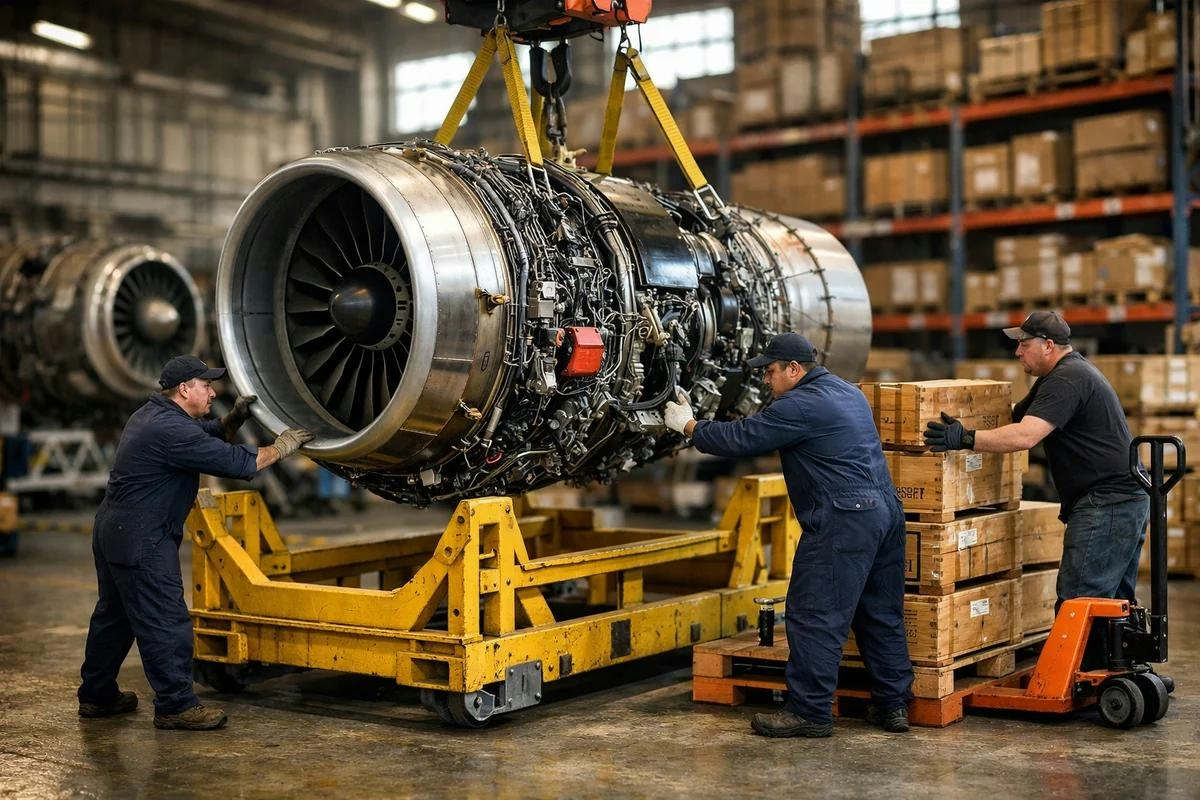
Willis Lease Operates as a Leveraged Spread Business with Moderate Returns
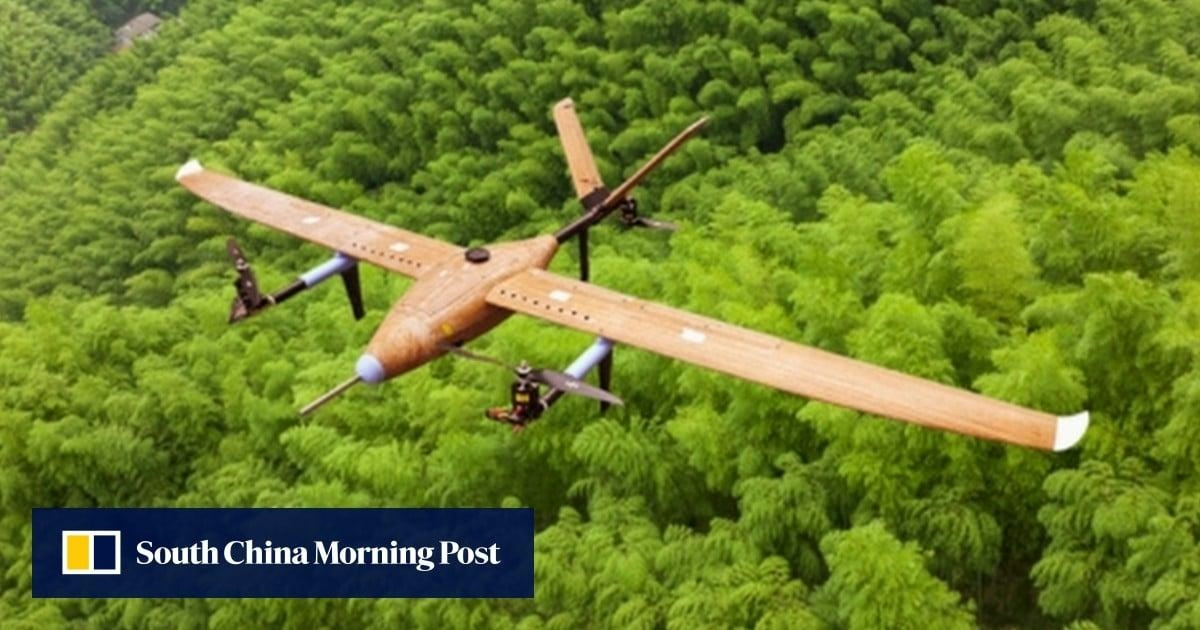
Chinese Team Develops First Flight Control Software for Bamboo Drones
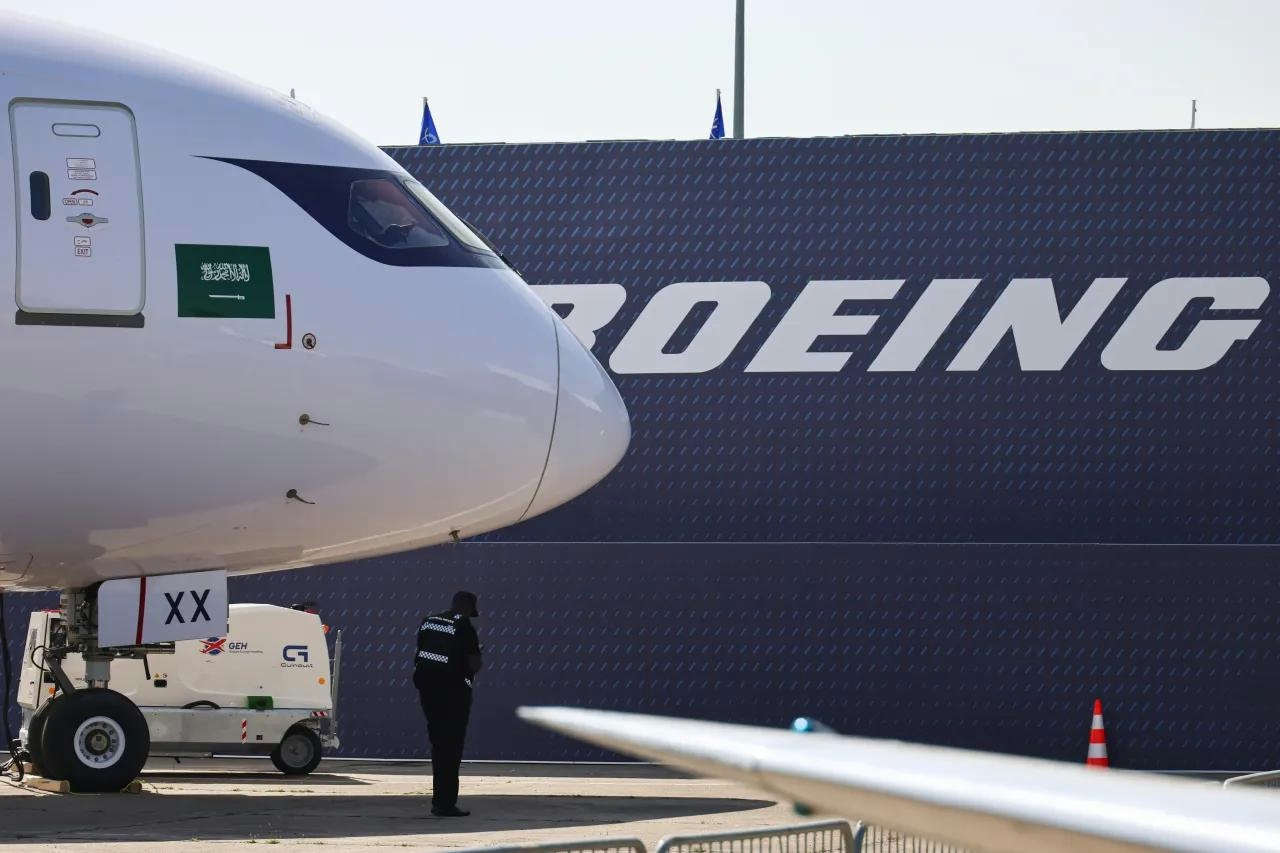
Government Moves Forward with Boeing Purchase, Considers Airbus Leasing
SkyHope Appoints Aviation Industry Leader to Board
The Challenges of Certifying Autonomous Aircraft
