
エアロジニー — あなたのインテリジェントな副操縦士。

現在のトレンド
Categories
GE Aerospace Partners to Develop Hybrid Electric Aircraft Engines
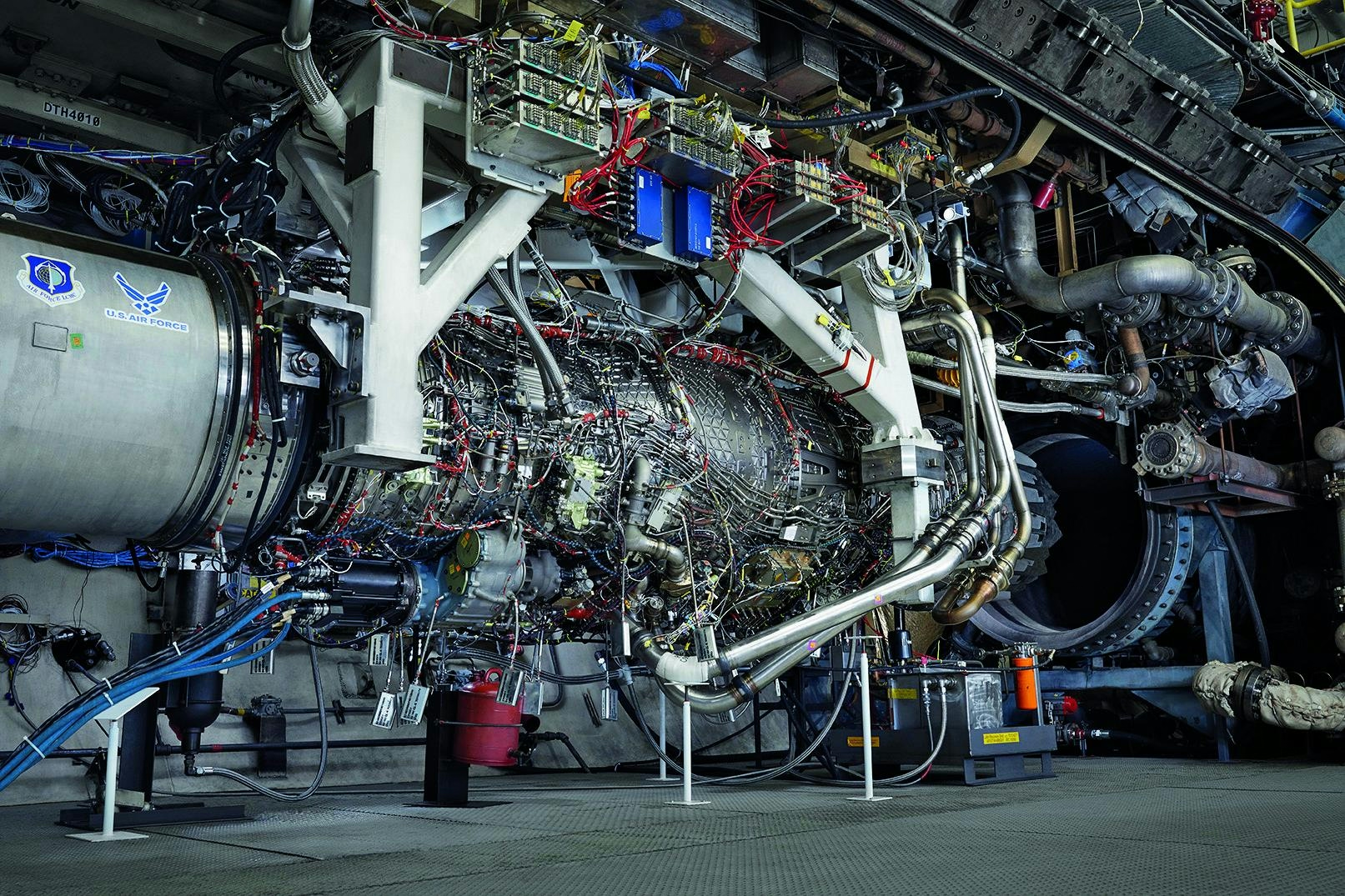
GE Aerospace and BETA Technologies Collaborate on Hybrid Electric Aircraft Engines
GE Aerospace has entered into a strategic partnership with BETA Technologies, committing $300 million to accelerate the development of hybrid electric aircraft engines. This collaboration seeks to advance gas-electric propulsion systems for both defense and commercial aviation sectors, representing a significant move toward more sustainable air travel solutions.
Advancing Hybrid Propulsion Technology
As a dominant supplier of jet engines, powering approximately 75% of commercial aircraft worldwide, GE Aerospace is broadening its technological focus to include electric and hybrid gas-electric engines. BETA Technologies, based in Vermont and specializing in electric aircraft and propulsion systems, brings expertise that is expected to drive innovation in hybrid engine technology. The partnership aims to enhance the range and speed capabilities of smaller aircraft, particularly those used in cargo and supply missions within defense applications.
Despite the promising outlook, the development of hybrid electric flight faces considerable challenges. The collaboration must address regulatory complexities, ensure seamless integration of new propulsion technologies with existing aircraft systems, and develop the necessary infrastructure to support electric aviation. Industry experts highlight that current electric and hybrid engines are primarily suited for short-haul routes, such as those operated by air taxis, and emphasize that substantial improvements in battery technology remain essential before electric propulsion can supplant traditional jet fuel on longer flights.
Market Response and Industry Implications
The market has reacted positively to GE Aerospace’s investment in BETA Technologies, interpreting it as a strong endorsement of the future potential of electric aviation. This strategic move is likely to encourage competitors to intensify their research and development efforts or pursue new partnerships to maintain competitiveness in this rapidly evolving sector.
GE Aerospace’s commitment to innovation is evident in its 2024 research and development budget, which has reached $1.3 billion, accounting for nearly 4% of its annual sales. The company’s stock has experienced a 69% increase this year, driven by investor confidence in its strategic direction and technological progress.
Wall Street analysts remain optimistic, with all 12 analysts covering GE Aerospace in the past three months issuing Buy ratings. The consensus price target stands at $300.33, indicating a potential upside of nearly 7% from current trading levels.
As GE Aerospace and BETA Technologies continue to navigate technical and regulatory hurdles, their partnership highlights the growing momentum behind hybrid electric propulsion and the broader industry push toward sustainability in aviation.

Plane lands on Pennsylvania highway due to ‘engine issues,’ FAA says
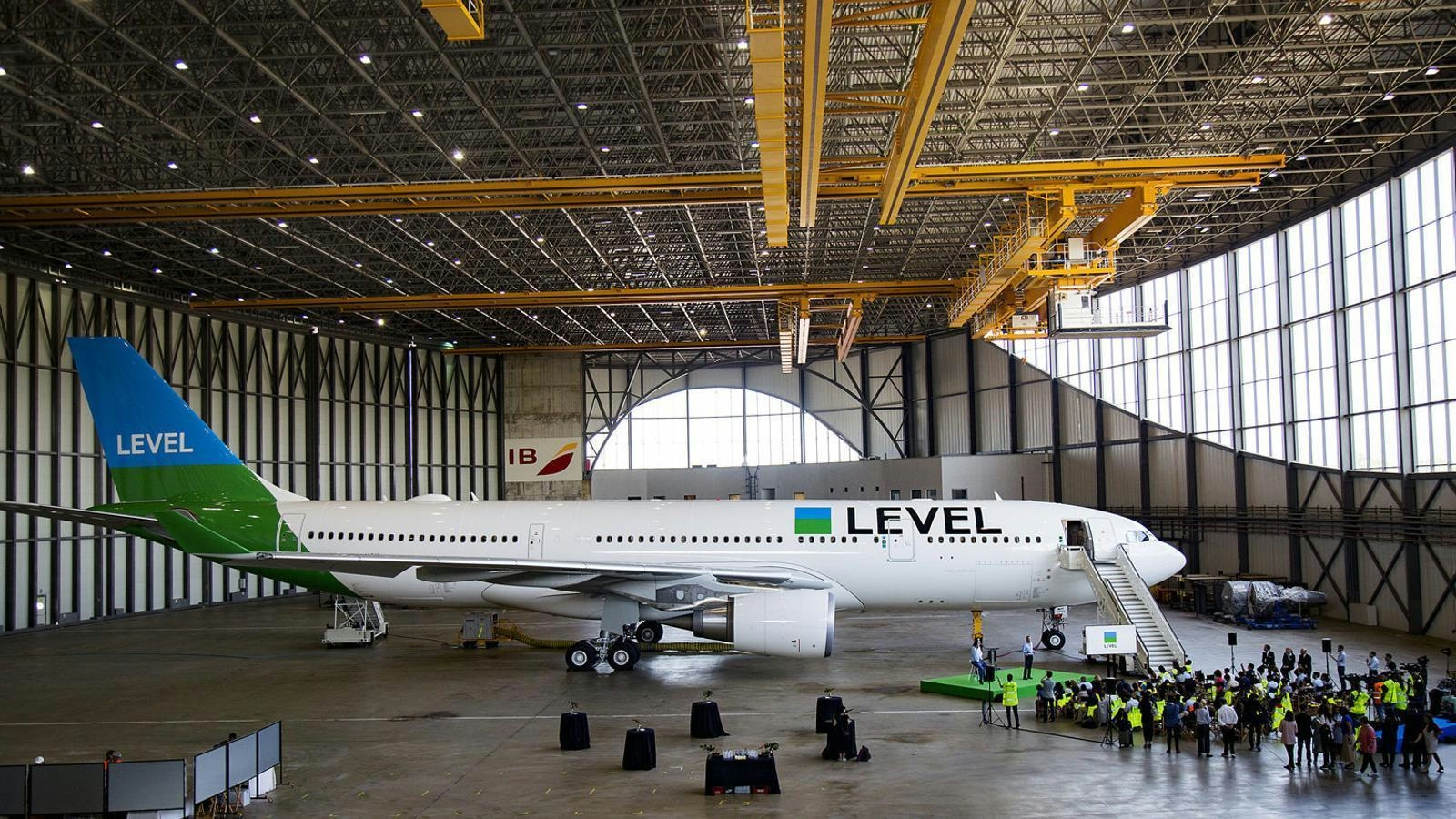
LEVEL Suspends San Francisco Flights Due to Engine Shortage
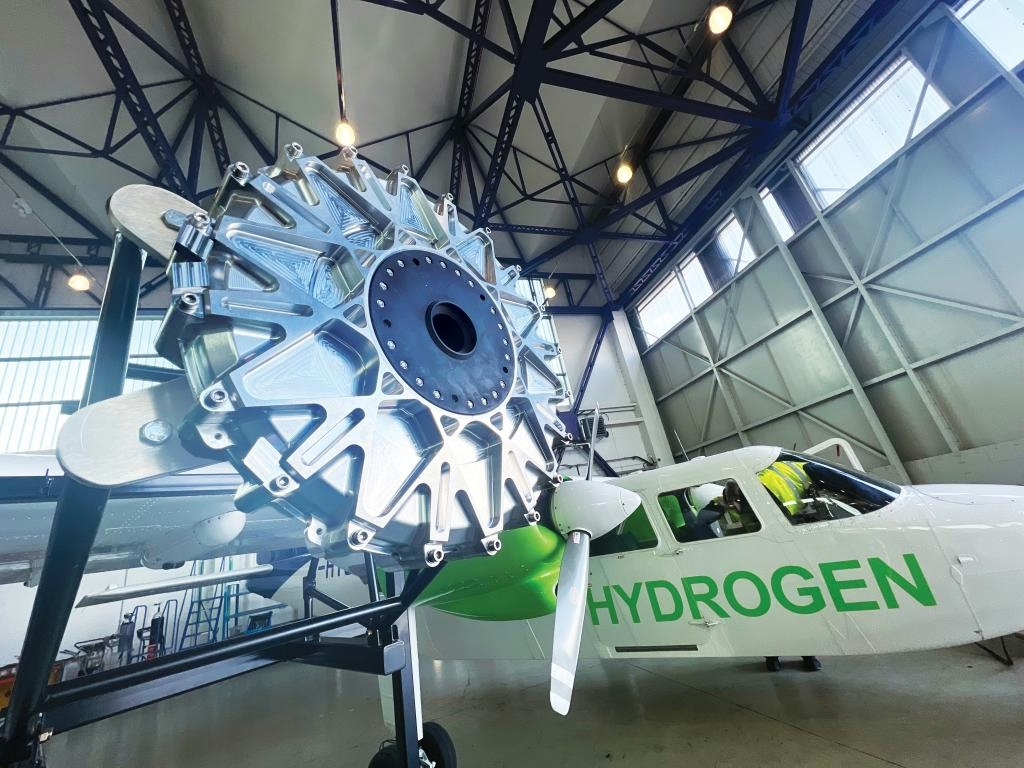
China Conducts First Flight Test of Megawatt Hydrogen Turboprop Engine

Oklahoma’s Aerospace Industry Expands and Its Impact on the State Economy

Archer Aviation Confronts Setbacks Amid Declining Air Taxi Interest

FAA and EASA Mandates to Influence Flight Line Testing Equipment Market Through 2035

Willis Lease Operates as a Leveraged Spread Business with Moderate Returns

Chinese Team Develops First Flight Control Software for Bamboo Drones
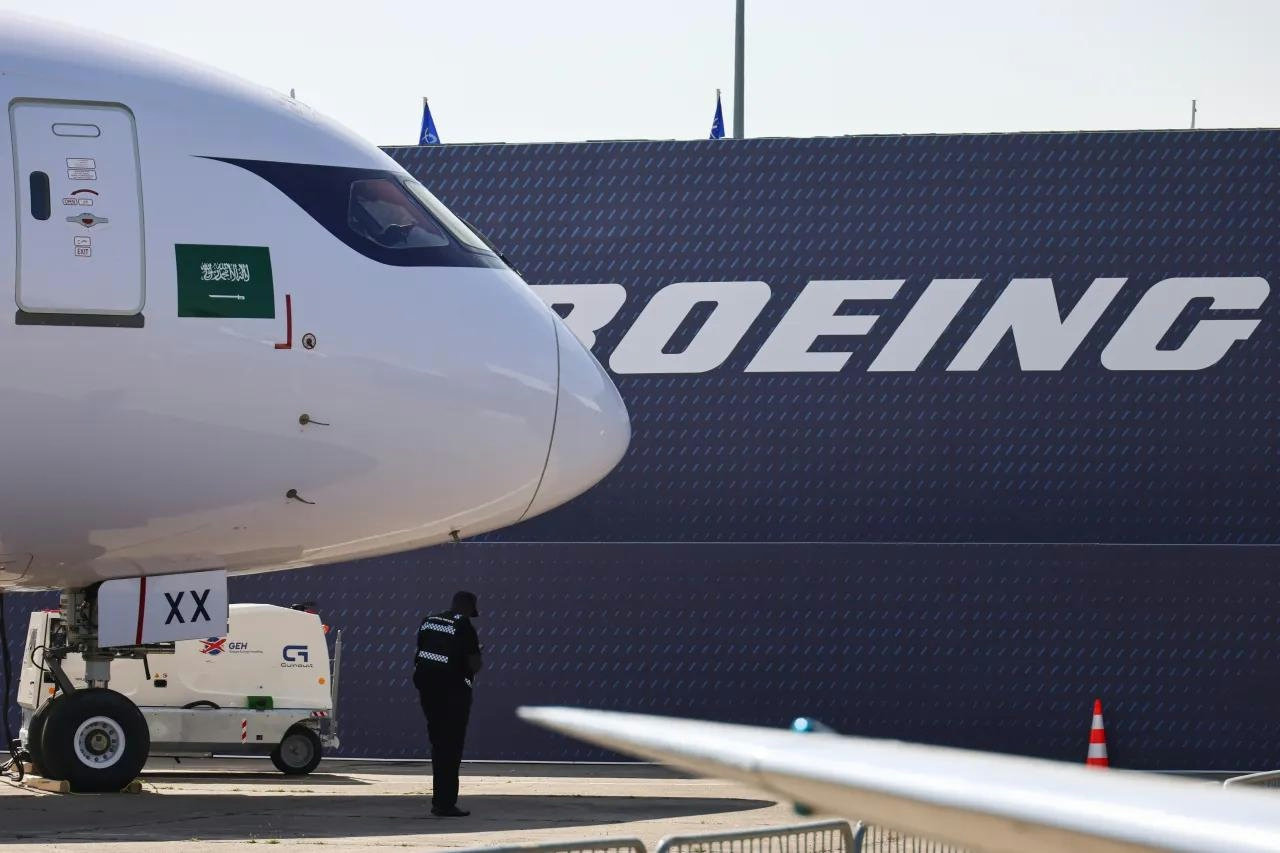
Government Moves Forward with Boeing Purchase, Considers Airbus Leasing

Changes in Airline Industry Leadership, Alliances, and AI
