
エアロジニー — あなたのインテリジェントな副操縦士。

現在のトレンド
Categories
Former Cruise Executive Launches Floating Helipad in San Francisco Bay

Former Cruise Executive Unveils Floating Helipad in San Francisco Bay
Kyle Vogt, the former CEO of autonomous vehicle company Cruise, has launched an innovative floating helipad in San Francisco Bay, aiming to revolutionize urban air mobility by providing tourists and short-distance travelers with a novel departure point directly from the water. Operated by Vogt’s new venture, Touchdown SF, the platform is designed to accommodate both conventional helicopters and the emerging generation of electric vertical takeoff and landing (eVTOL) aircraft.
The initiative seeks to transform the Bay into a waterfront alternative to the city’s limited land-based vertiports. Central to the operation is a barge that functions as both a landing pad and staging area. Currently outfitted for helicopter service, the platform is expected to support eVTOL flights once the necessary aircraft certifications and local permits are obtained. This project represents one of the most prominent Bay Area investments in floating infrastructure aimed at advancing urban air mobility. Vogt, who previously co-founded Justin.tv and Twitch before stepping down from Cruise in 2023, is positioning Touchdown SF at the forefront of efforts to develop vertiports, air taxis, and short-haul aerial services within dense urban settings.
Design, Regulatory Landscape, and Industry Implications
The floating helipad offers a compact landing area that alleviates congestion along San Francisco’s crowded shoreline, addressing the city’s spatial constraints. Touchdown SF plans to initially operate charter and tourism helicopter flights, with a gradual introduction of eVTOL aircraft as regulatory frameworks and charging infrastructure evolve. Advocates suggest that situating the pad on water could circumvent some of the zoning challenges typically associated with new aviation facilities on land, while potentially enabling new routes along the waterfront that avoid increasing air traffic over residential neighborhoods.
Despite federal regulators’ openness to early-stage air taxi trials, the path to routine service remains complex. The Federal Aviation Administration’s Urban Air Mobility Concept of Operations outlines a phased approach, but local siting decisions and noise regulations fall under city and county jurisdiction. A Government Accountability Office report highlights that the construction of vertiports and noise management will largely depend on state and local authorities, requiring Touchdown SF to navigate a multifaceted approval process. Compounding these challenges, vessel traffic services in the Bay are currently disrupted by a government shutdown, complicating coordination and safety oversight for the floating helipad’s operations.
Community concerns have already emerged, even before the arrival of eVTOL aircraft. Key issues include the capacity for battery charging, emergency response protocols for lithium-ion battery fires, and the actual noise impact of these new vehicles. While eVTOLs are anticipated to be quieter than helicopters, uncertainties remain regarding their integration into urban environments. Market reactions to Vogt’s venture are mixed; some investors and industry analysts are intrigued by the innovative approach to urban mobility, while others question the project’s feasibility and profitability. Competitors in the cruise and aviation sectors are closely monitoring the development, with potential responses ranging from strategic partnerships to competitive pricing strategies, particularly if the service overlaps with their own offerings.
As Touchdown SF advances, its floating helipad will serve as a prominent test case for the future of urban air mobility, highlighting the regulatory, technical, and market challenges inherent in this emerging sector.

Plane lands on Pennsylvania highway due to ‘engine issues,’ FAA says
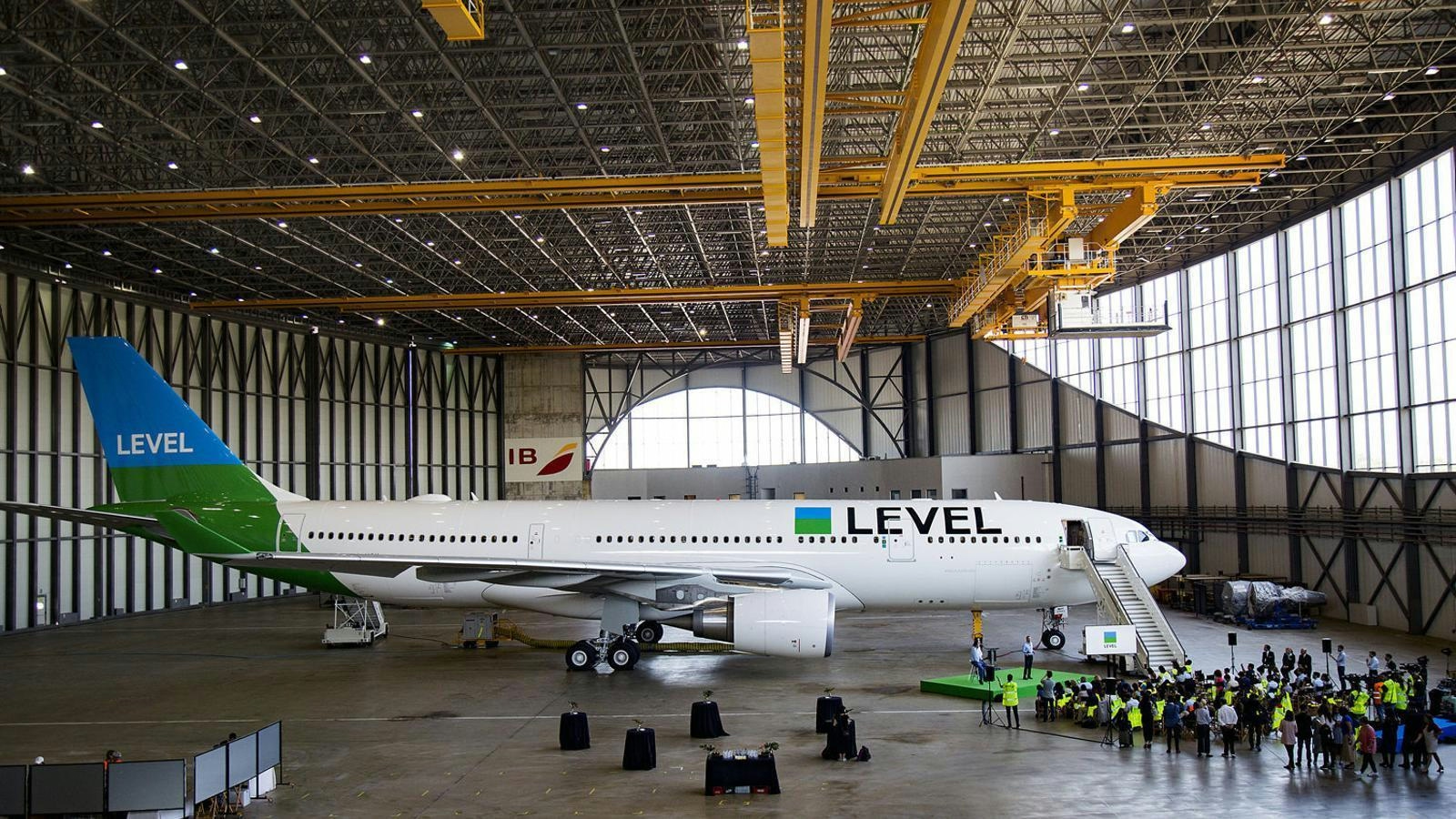
LEVEL Suspends San Francisco Flights Due to Engine Shortage
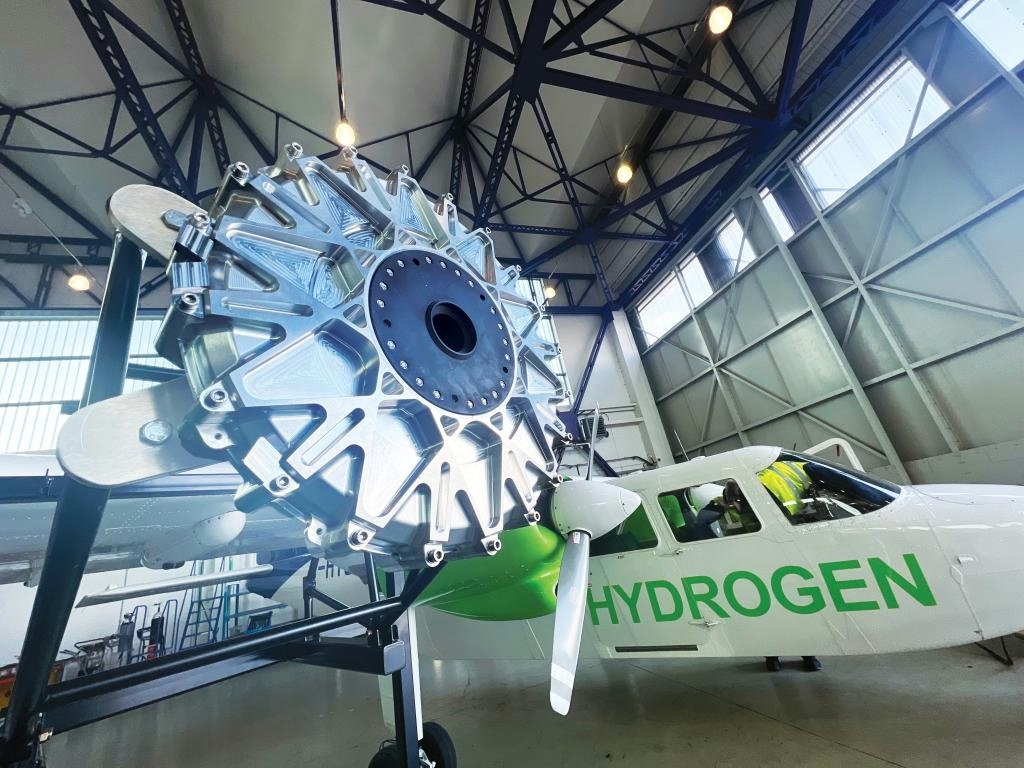
China Conducts First Flight Test of Megawatt Hydrogen Turboprop Engine
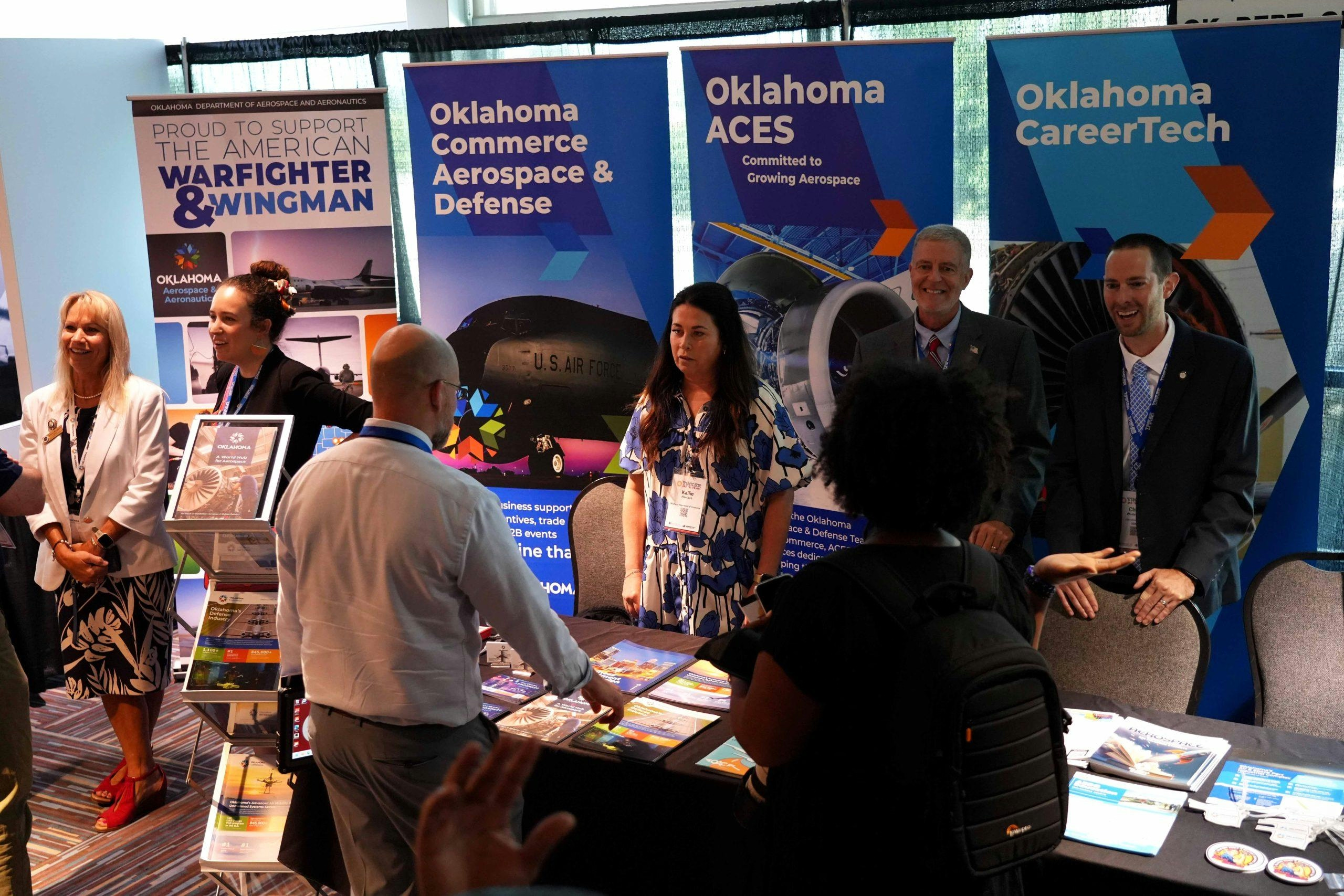
Oklahoma’s Aerospace Industry Expands and Its Impact on the State Economy
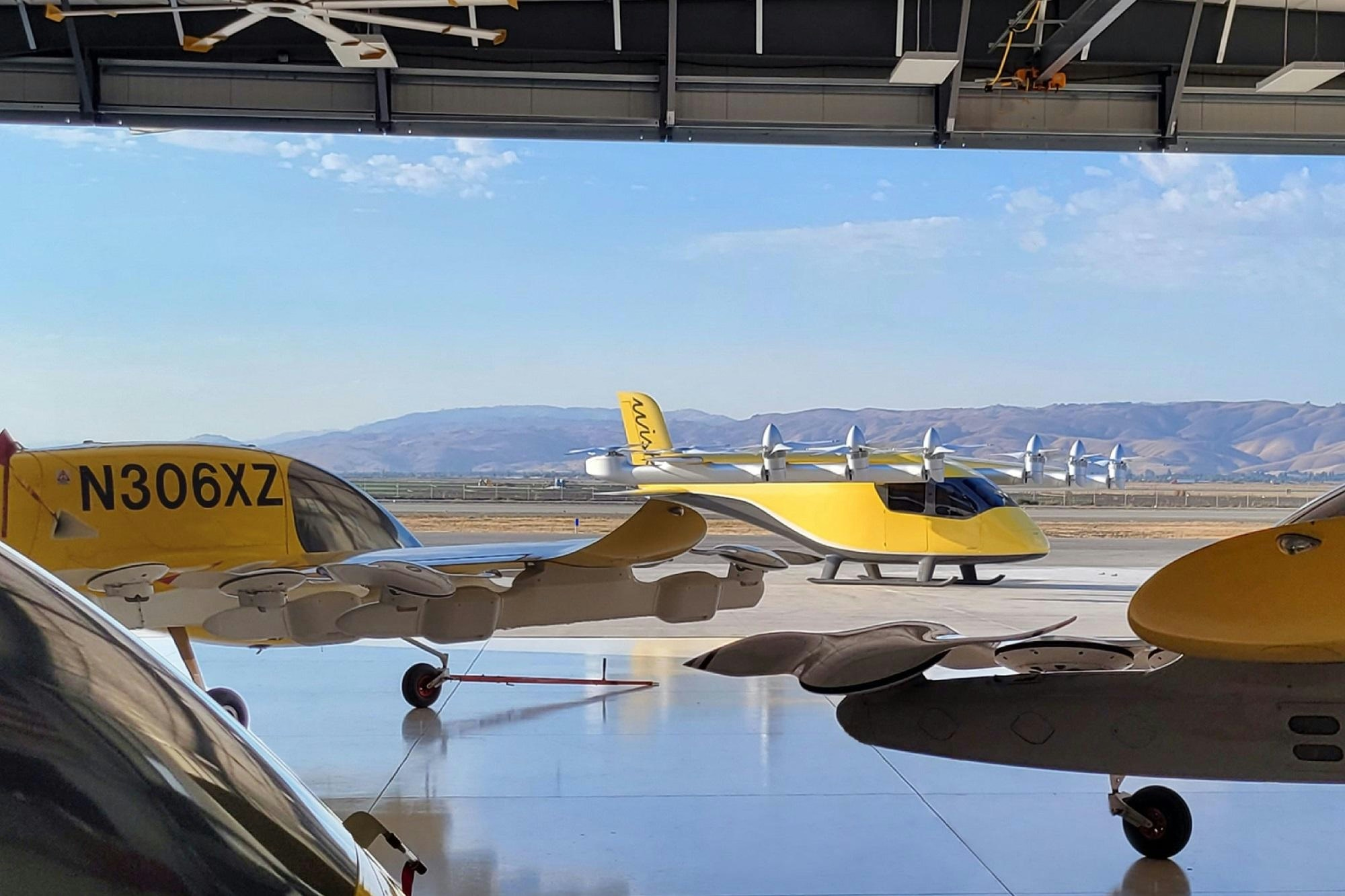
Archer Aviation Confronts Setbacks Amid Declining Air Taxi Interest

FAA and EASA Mandates to Influence Flight Line Testing Equipment Market Through 2035
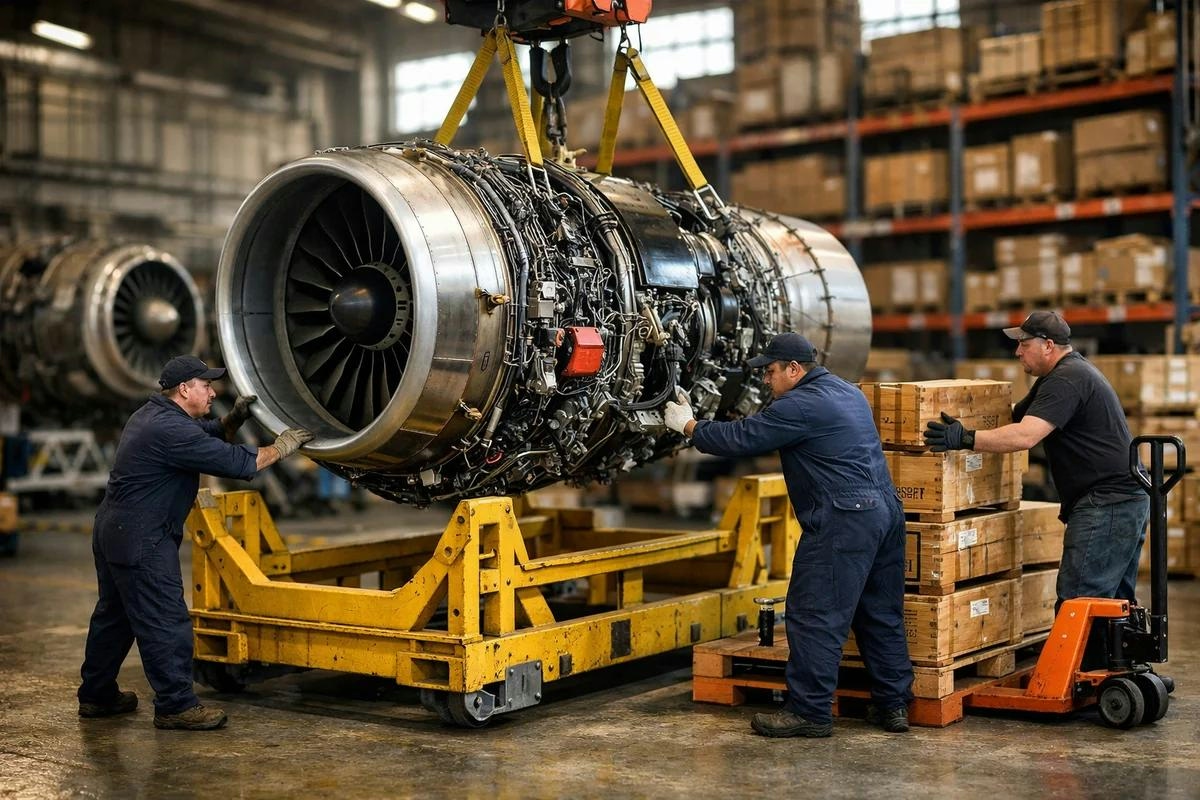
Willis Lease Operates as a Leveraged Spread Business with Moderate Returns
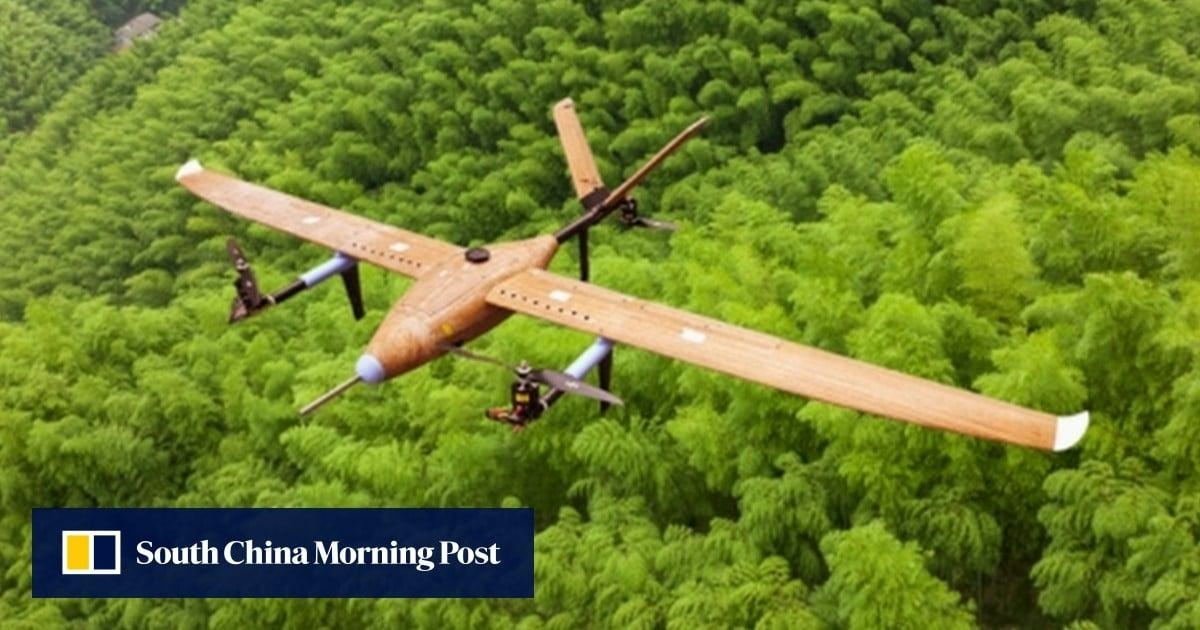
Chinese Team Develops First Flight Control Software for Bamboo Drones
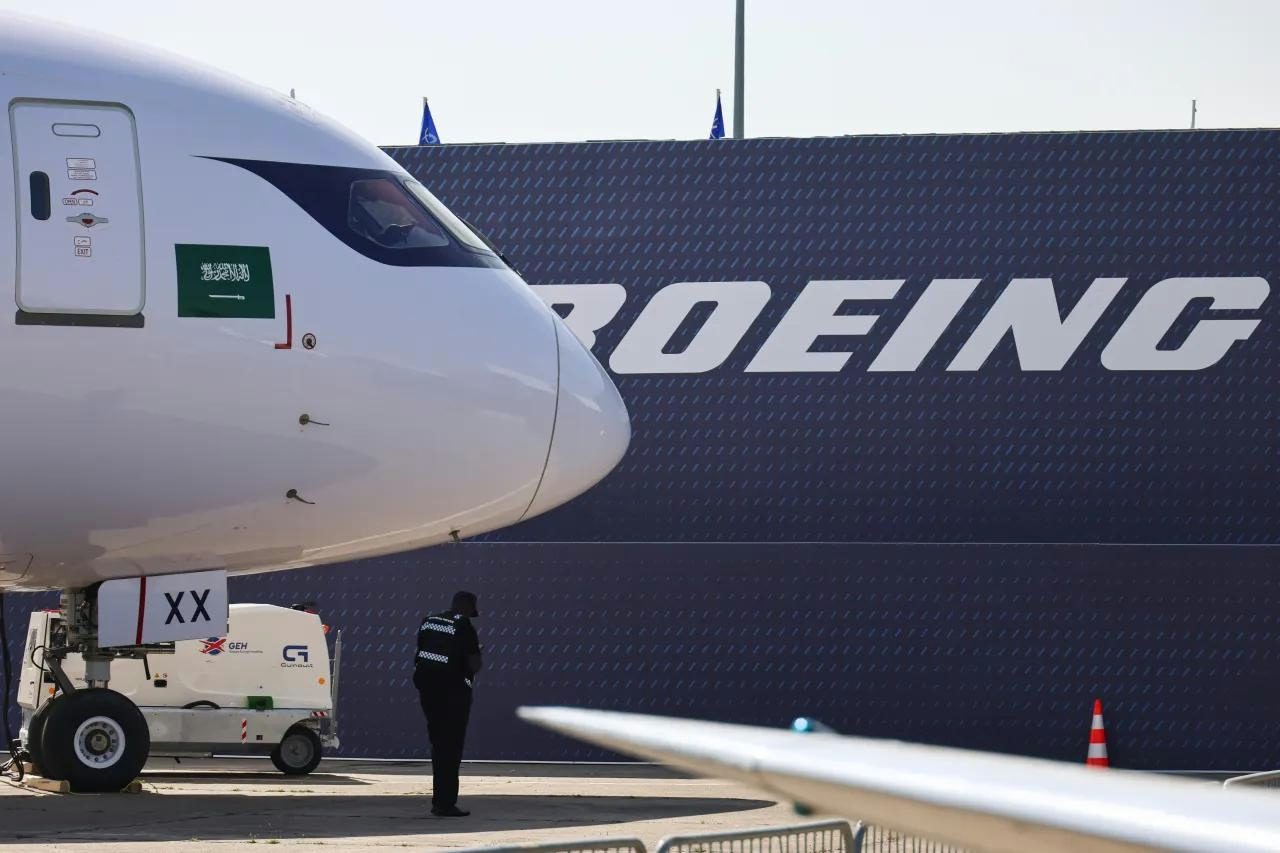
Government Moves Forward with Boeing Purchase, Considers Airbus Leasing
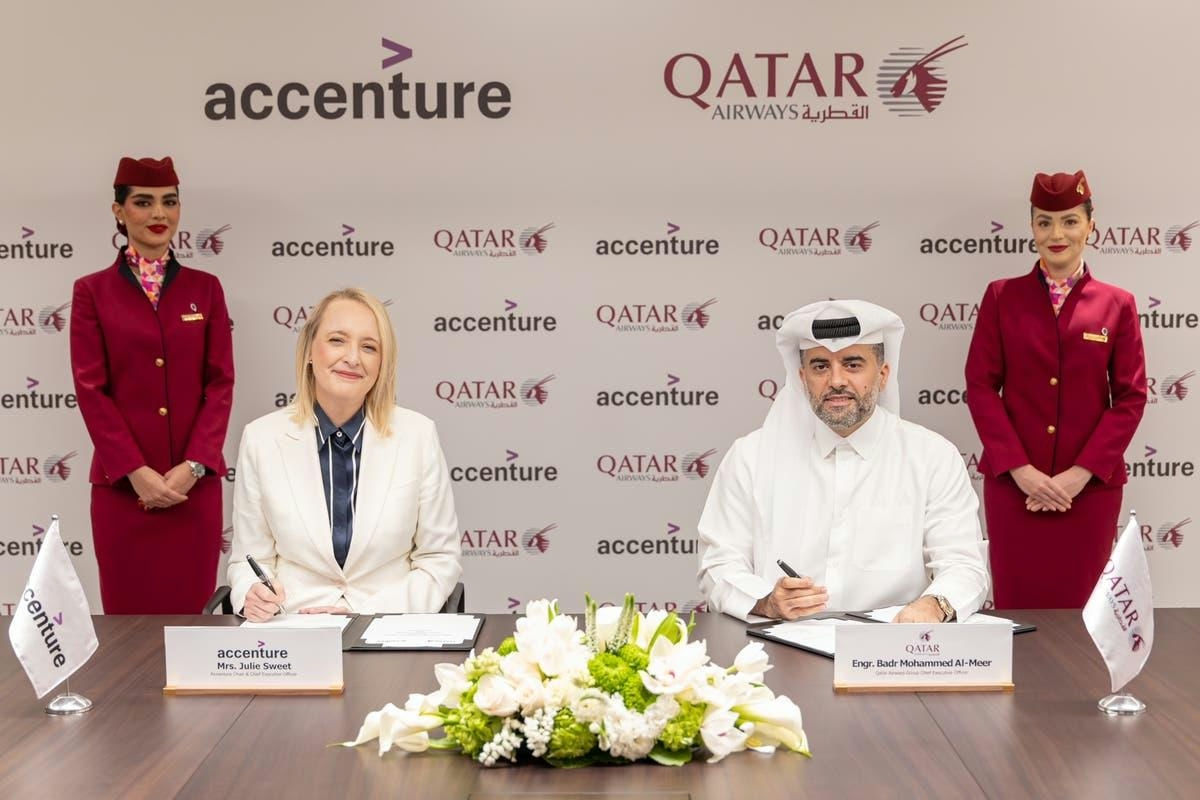
Changes in Airline Industry Leadership, Alliances, and AI
