
エアロジニー — あなたのインテリジェントな副操縦士。

現在のトレンド
Categories
DGCA Investigates AI-Controlled Jet Operating with Expired Airworthiness Certificate

DGCA Investigates Air India Over Use of Aircraft with Expired Airworthiness Certificate
The Directorate General of Civil Aviation (DGCA) has initiated a formal investigation into Air India following revelations that the airline operated eight passenger flights using an Airbus A320neo whose airworthiness certificate had expired. The flights in question took place on November 24 and 25, involving an aircraft recently transferred from Vistara to Air India as part of the merger completed last year. Although the aircraft was due for its annual recertification, it was cleared for service after an engine replacement despite the lapse in its certification.
Details of the Incident and Response
Air India promptly reported the issue to the DGCA on November 26, immediately after the oversight was identified. The airline has launched an internal investigation to determine the procedural failures that led to the breach and to implement corrective actions. Several staff members connected to the incident have been suspended pending the outcome of the inquiry.
According to a statement from the DGCA, Air India had submitted an application for the aircraft’s recertification, but the jet was inadvertently returned to operational status before the process was completed. The regulator is now scrutinizing the circumstances that allowed this lapse to occur, including whether systemic deficiencies within the airline’s compliance framework contributed to the violation.
Broader Context and Industry Implications
This investigation unfolds amid intensified scrutiny of aviation safety standards in India. The DGCA’s probe may lead to regulatory penalties for Air India and has already sparked concerns among investors regarding the robustness of the airline’s compliance protocols. Industry analysts suggest that this incident could prompt competitors to reinforce their own safety and certification procedures to maintain regulatory adherence and public confidence.
Compounding the situation are ongoing challenges within the aviation sector, notably a major software recall affecting approximately 6,000 Airbus A320-family aircraft worldwide. This recall has caused operational disruptions and heightened attention to maintenance and certification processes across the industry.
As the DGCA continues its inquiry, the findings could have far-reaching consequences for Air India and the broader aviation market, potentially shaping future regulatory practices and influencing stakeholder confidence in airline safety standards.
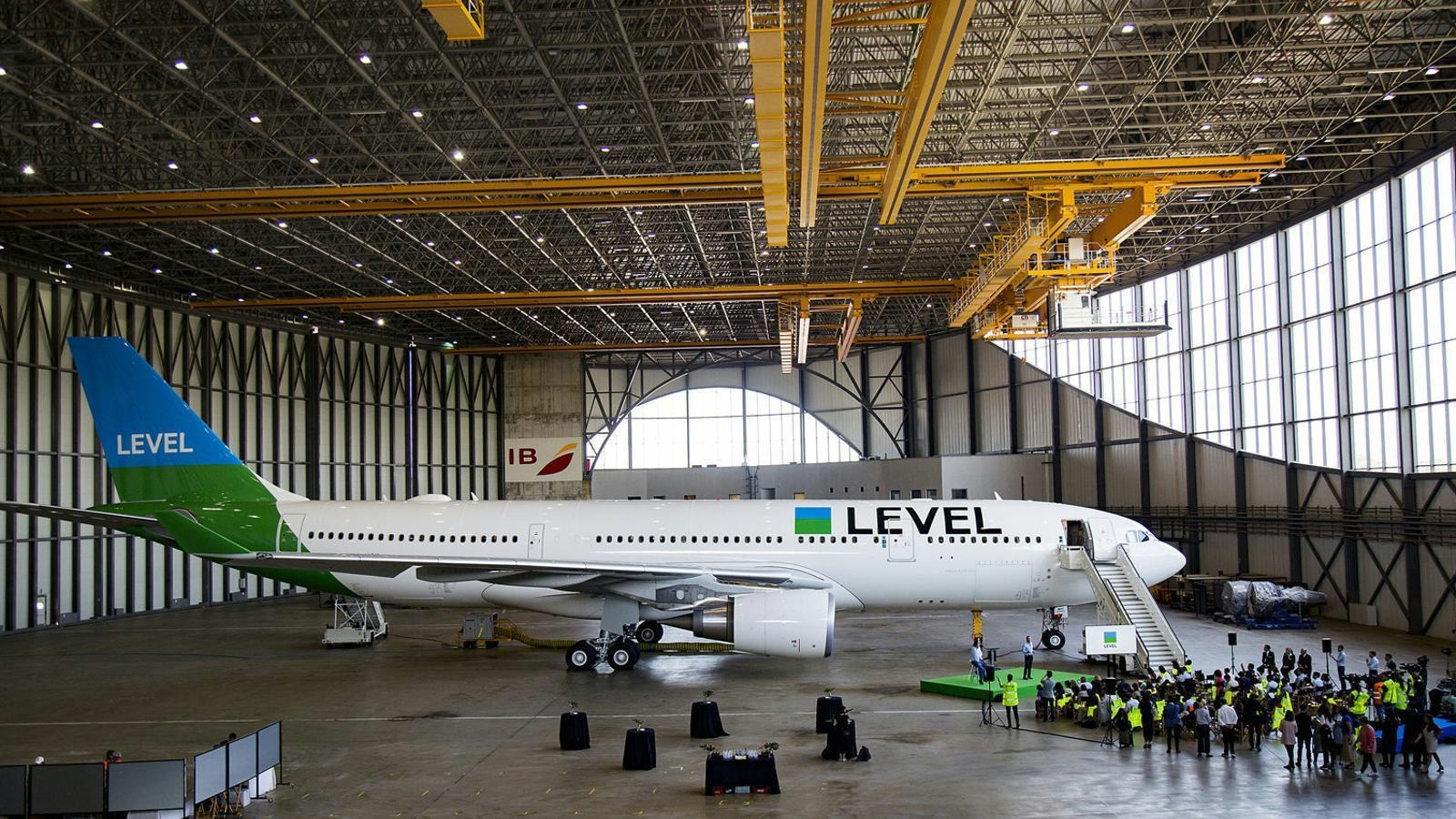
LEVEL Suspends San Francisco Flights Due to Engine Shortage
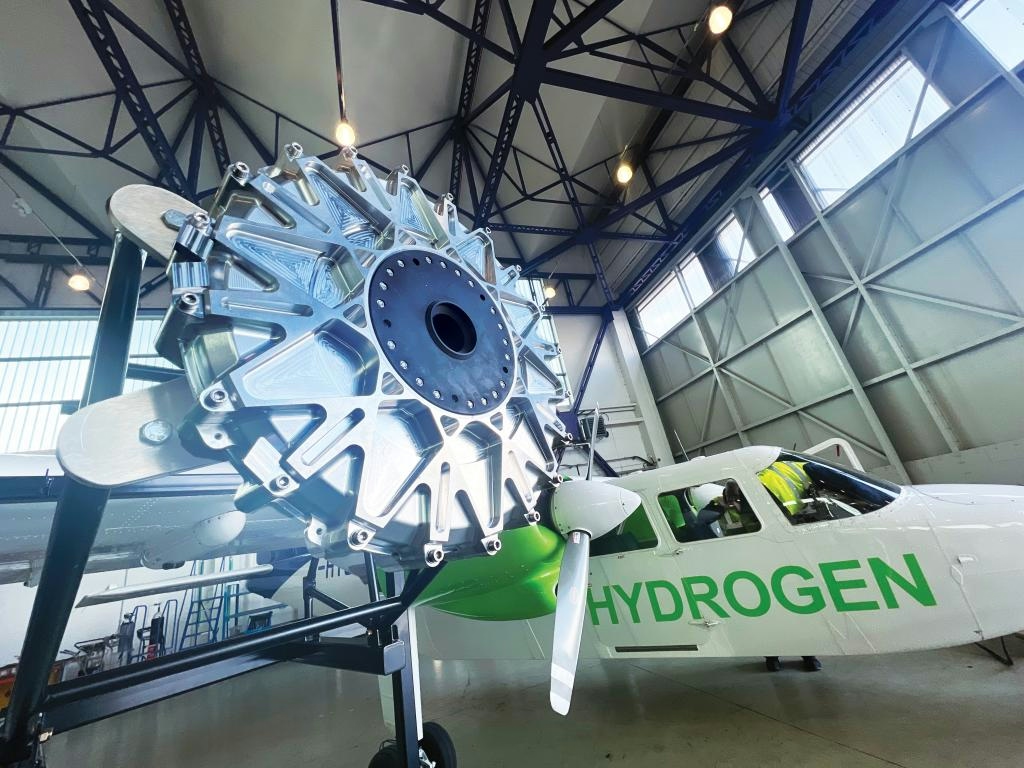
China Conducts First Flight Test of Megawatt Hydrogen Turboprop Engine

Oklahoma’s Aerospace Industry Expands and Its Impact on the State Economy
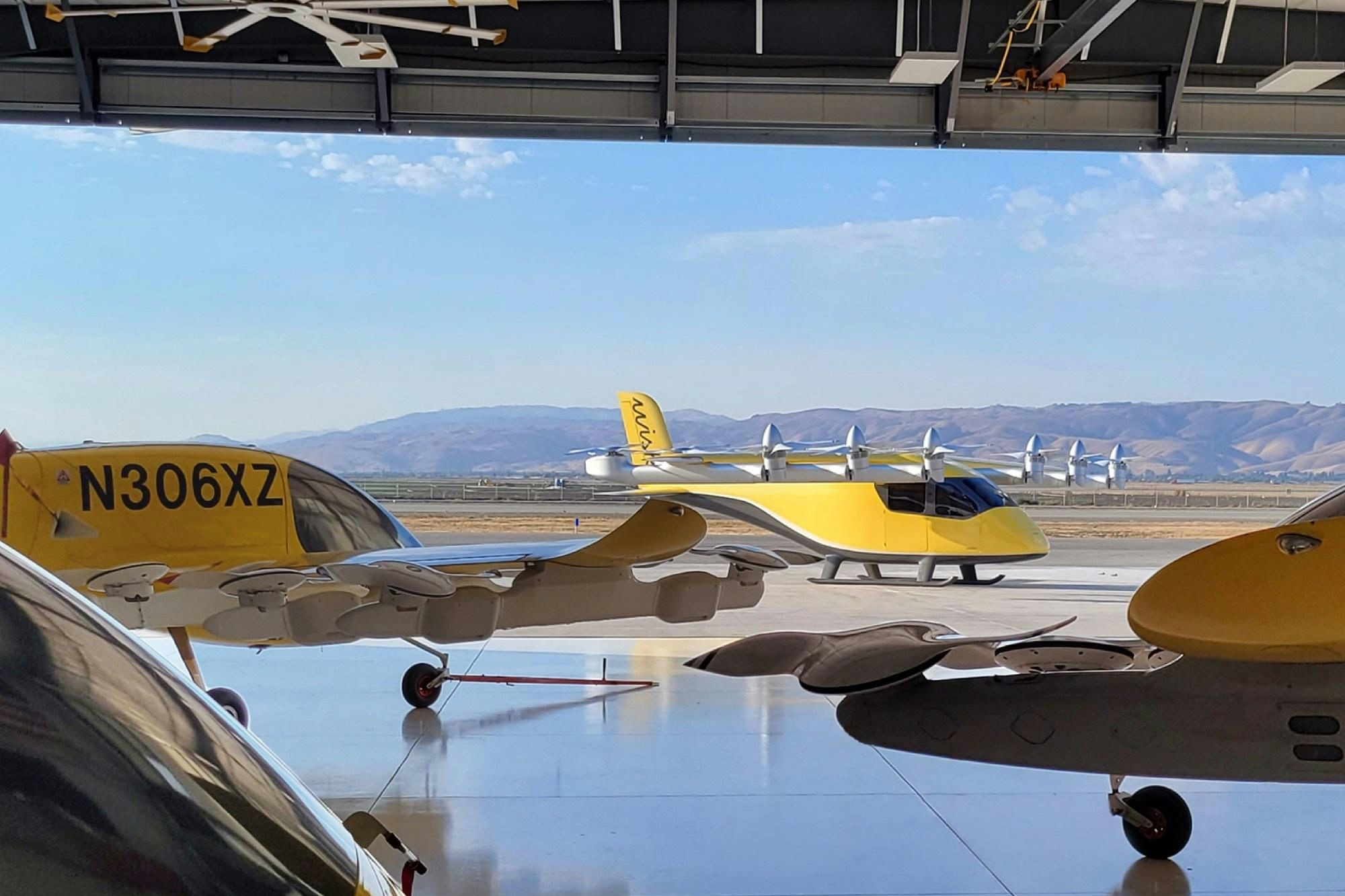
Archer Aviation Confronts Setbacks Amid Declining Air Taxi Interest

FAA and EASA Mandates to Influence Flight Line Testing Equipment Market Through 2035
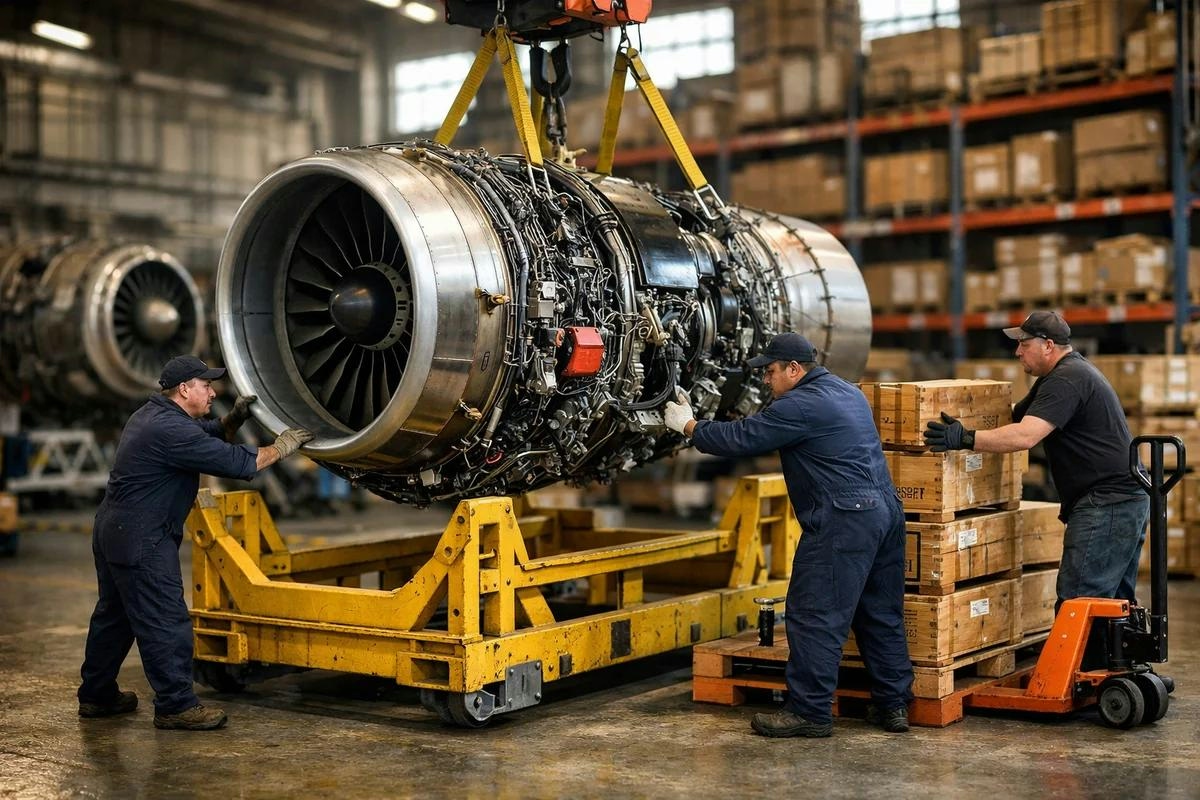
Willis Lease Operates as a Leveraged Spread Business with Moderate Returns

Chinese Team Develops First Flight Control Software for Bamboo Drones
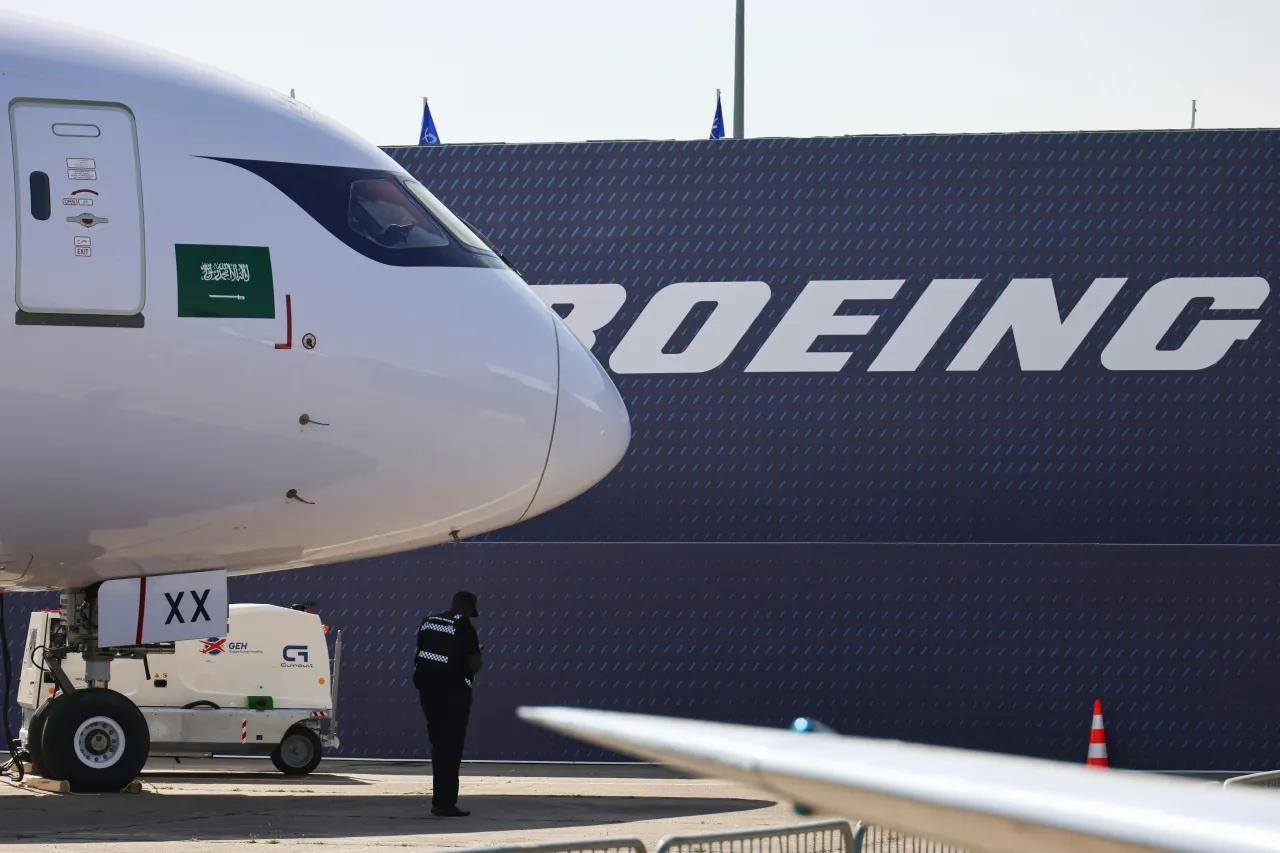
Government Moves Forward with Boeing Purchase, Considers Airbus Leasing
SkyHope Appoints Aviation Industry Leader to Board
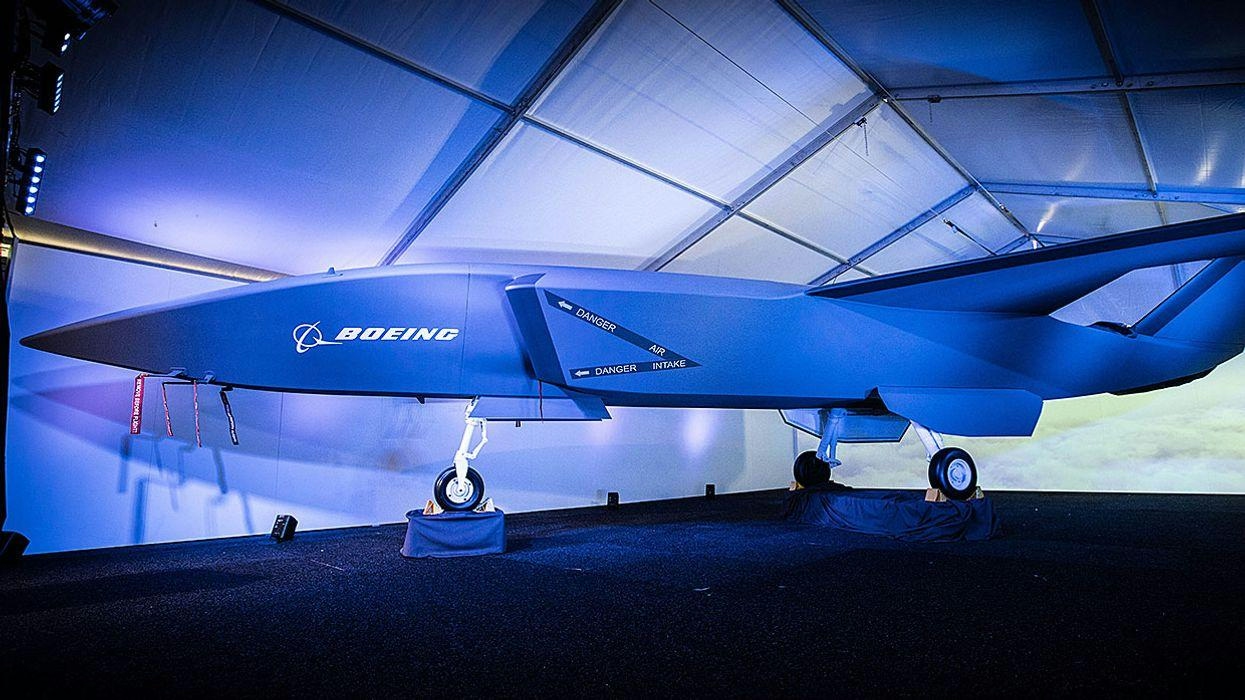
The Challenges of Certifying Autonomous Aircraft
