
AeroGenie — 您的智能副驾驶。

热门趋势
Categories
US Restrictions on Critical Software May Disrupt Hong Kong Aviation, Experts Say
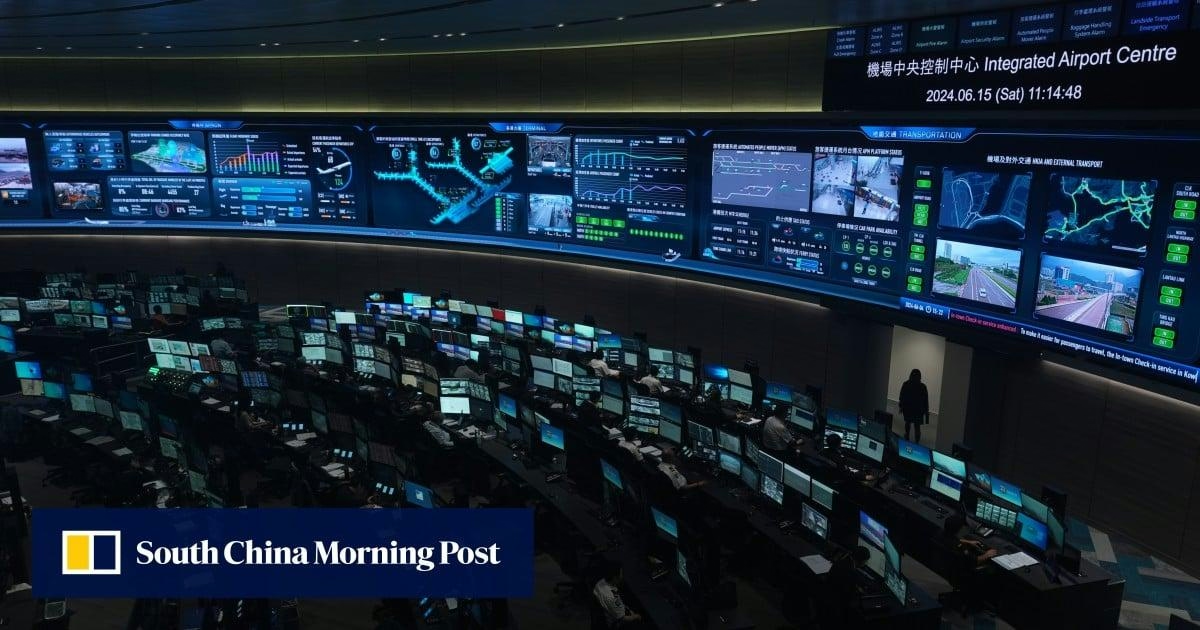
US Restrictions on Critical Software May Disrupt Hong Kong Aviation, Experts Say
Vulnerability of Hong Kong’s Aviation Sector
Hong Kong’s aviation industry faces the prospect of significant disruption if the United States enforces export restrictions on critical American-made software, according to industry experts. The sector’s heavy reliance on advanced US technology leaves it with limited alternatives, heightening concerns over operational continuity should such measures be implemented. The sophisticated software systems underpinning aviation operations, safety protocols, and logistics are integral to the industry, and experts warn that replacing them would be neither straightforward nor swift.
This warning emerges amid escalating trade tensions between Washington and Beijing. US President Donald Trump has threatened to restrict the export of “any and all critical software” to China, a response to Beijing’s announcement of expanded export controls on rare earth elements—essential raw materials for high-tech products including electric vehicles, smartphones, and spacecraft. The aviation sector in Hong Kong, given its dependence on US technology, is particularly exposed to the fallout from these developments.
Market Reactions and Industry Implications
The prospect of US export controls has already unsettled financial markets, with technology stocks such as ASAN, BILL, S, GTLB, and PCOR experiencing notable volatility. Investors are reacting to the potential for intensified trade barriers, which could disrupt supply chains and increase operational costs. Market analysts highlight that these concerns are driving sell-offs in technology shares, reflecting broader anxieties about the impact on global industries reliant on seamless technology flows.
In light of this uncertainty, experts are urging both public and private sectors in Hong Kong to accelerate efforts to diversify their technology sources and reduce dependence on US-made software. However, they caution that transitioning to alternative systems will be a complex and potentially “painful” process, given the specialized nature of aviation technology and the critical role it plays in ensuring safety and efficiency.
Broader Global Consequences
The ramifications of potential US restrictions are expected to extend beyond Hong Kong. Competitors in the aviation and technology sectors are reportedly considering relocating production and supply chains away from China to mitigate risks associated with trade tensions. Such shifts could further disrupt global supply networks and contribute to rising costs across the industry.
As trade frictions continue to intensify, the future stability of Hong Kong’s aviation industry remains uncertain. Experts emphasize the importance of contingency planning and international cooperation to address the challenges posed by possible US export controls on critical software, underscoring the need for strategic responses to safeguard the sector’s operational integrity.

Plane lands on Pennsylvania highway due to ‘engine issues,’ FAA says
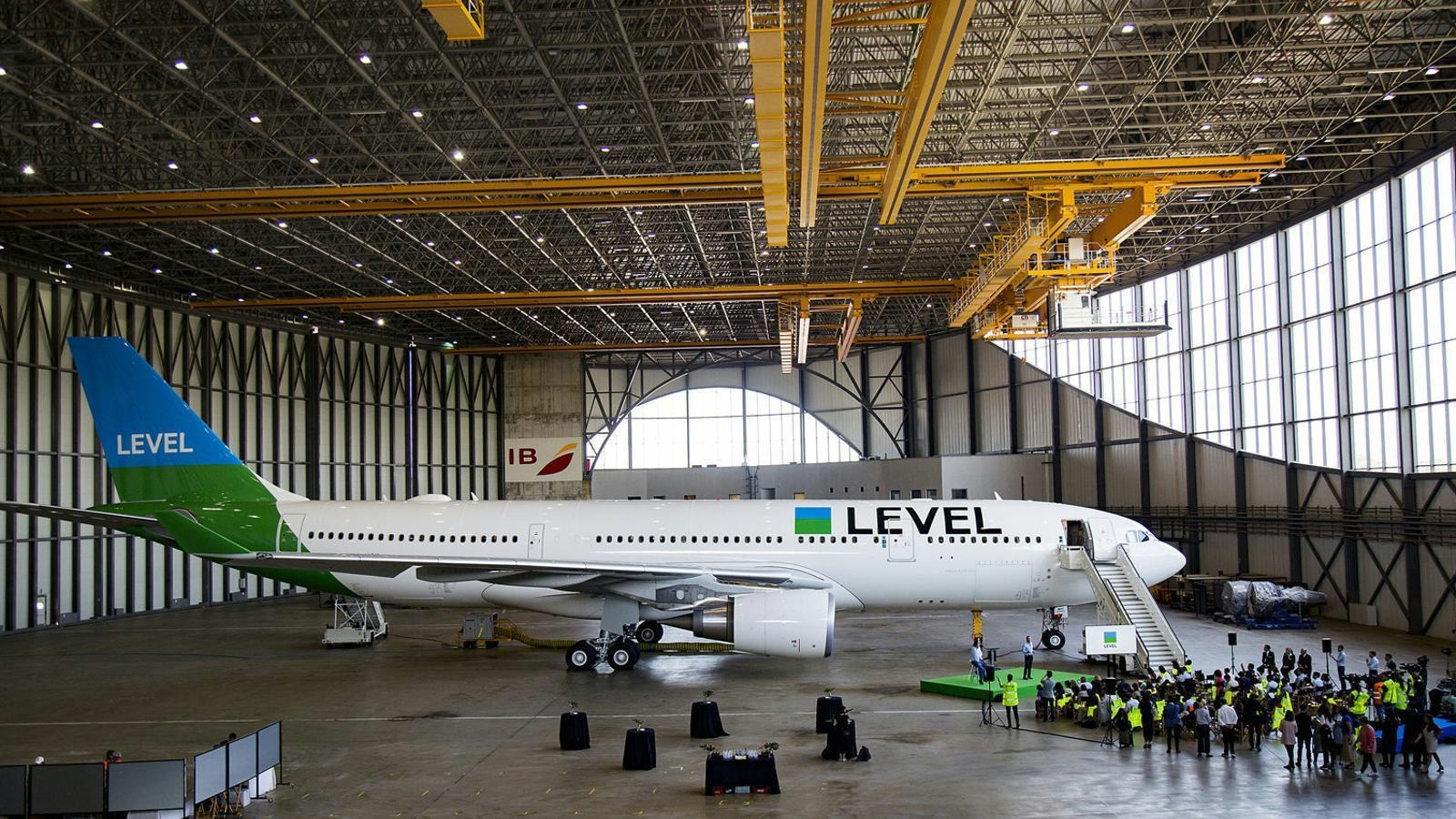
LEVEL Suspends San Francisco Flights Due to Engine Shortage
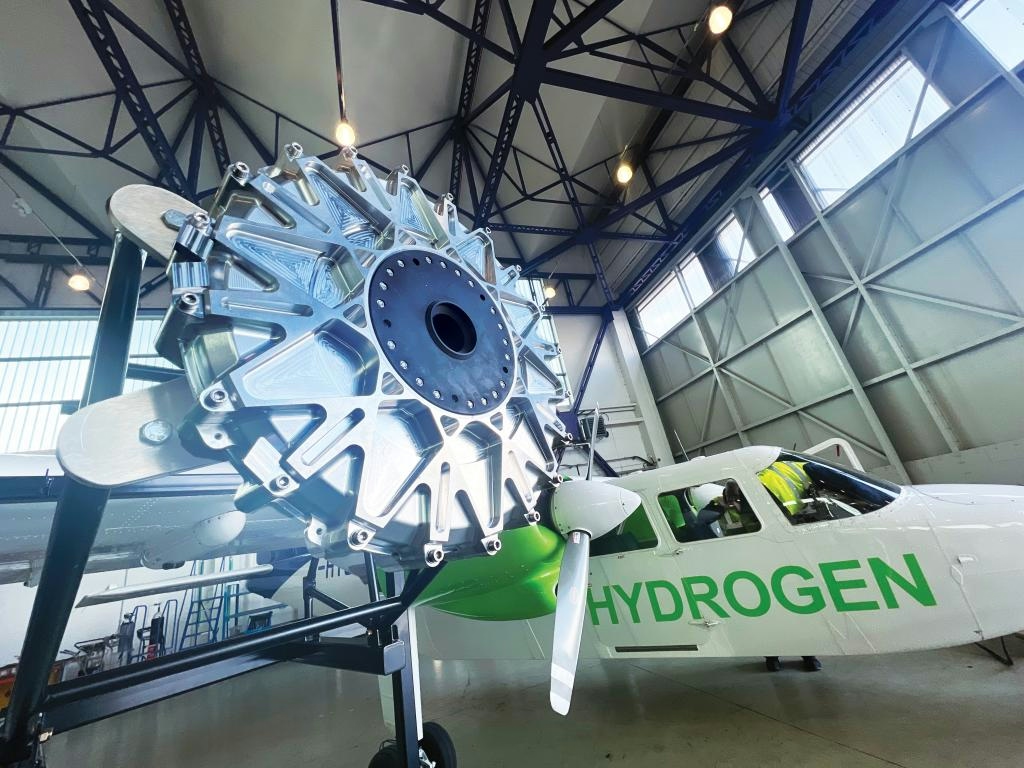
China Conducts First Flight Test of Megawatt Hydrogen Turboprop Engine

Oklahoma’s Aerospace Industry Expands and Its Impact on the State Economy
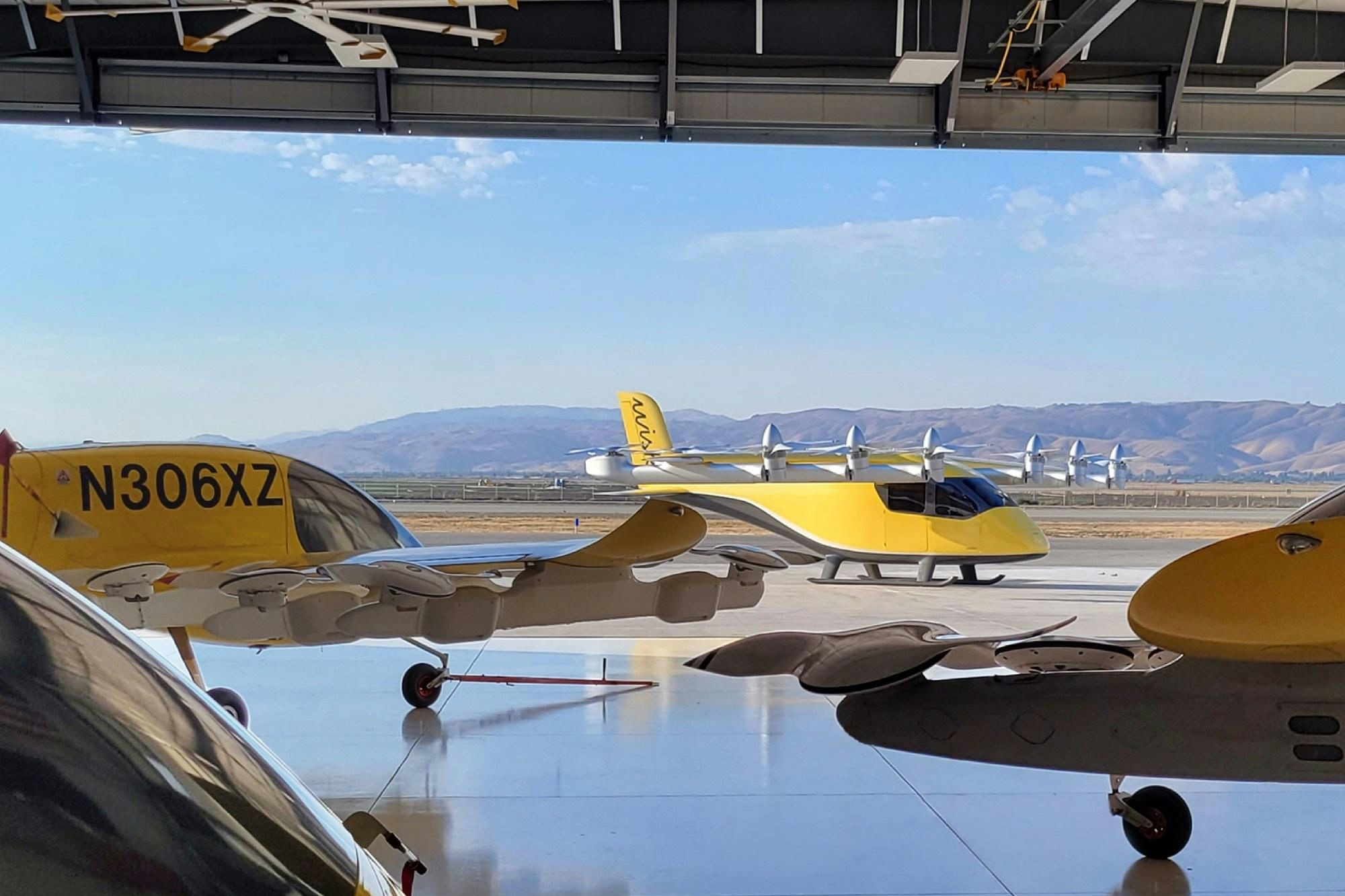
Archer Aviation Confronts Setbacks Amid Declining Air Taxi Interest

FAA and EASA Mandates to Influence Flight Line Testing Equipment Market Through 2035
Willis Lease Operates as a Leveraged Spread Business with Moderate Returns
Chinese Team Develops First Flight Control Software for Bamboo Drones
Government Moves Forward with Boeing Purchase, Considers Airbus Leasing

Changes in Airline Industry Leadership, Alliances, and AI
