
AeroGenie — 您的智能副驾驶。

热门趋势
Categories
United Airlines Joins Major Carriers in Adopting New Aircraft Technology
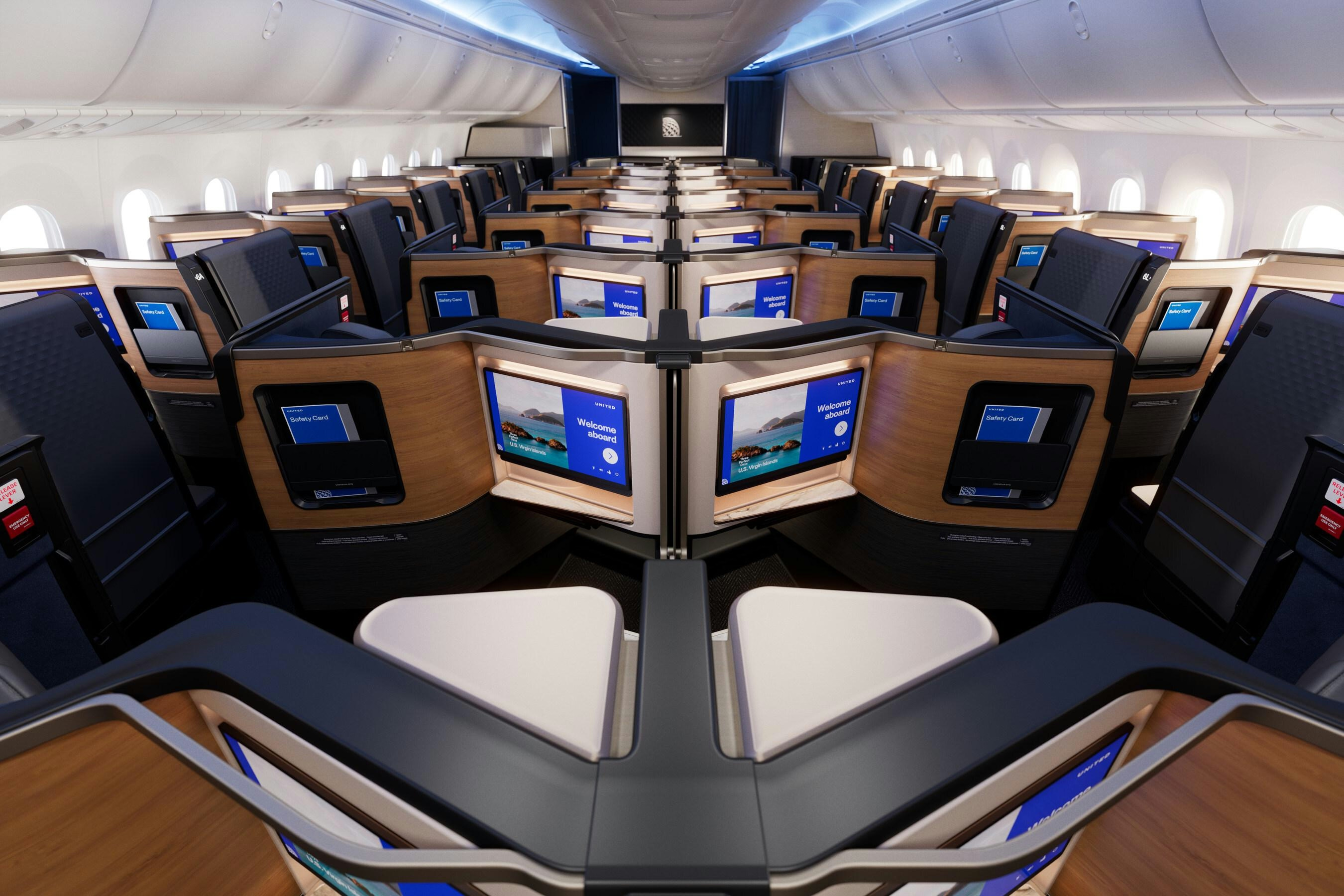
United Airlines Advances Fleet Modernization with Next-Generation Aircraft
United Airlines has joined a select group of leading global carriers—including American Airlines, Delta Air Lines, Qatar Airways, Singapore Airlines, and Japan Airlines—in a significant transformation of their fleets through the adoption of next-generation widebody aircraft. This strategic investment in models such as the Boeing 787 Dreamliner and Airbus A350 aims to address the growing demand for international travel while enhancing fuel efficiency and passenger comfort.
The Shift Toward Widebody Jets and Sustainability
The increasing deployment of widebody jets is reshaping the aviation industry across North America, Asia, Europe, and the Middle East. Airlines are expanding their fleets with these advanced aircraft to open new routes and better serve high-demand markets. Widebody aircraft provide greater seating capacity, extended range, and improved fuel economy, making them particularly well-suited for long-haul flights connecting major global hubs. Beyond operational benefits, this transition supports broader sustainability objectives by reducing emissions and advancing the industry’s environmental commitments.
In addition to widebody aircraft, United Airlines is incorporating the Airbus A321XLR, a narrowbody plane with extended range, into its modernization efforts. This aligns with a wider industry trend, as competitors such as American Airlines retrofit older Boeing 777-200s and introduce premium business class products on their own A321XLRs. The emphasis on enhanced seating and onboard experiences reflects airlines’ focus on attracting high-value customers and adapting to evolving passenger expectations.
Challenges Amid Technological Advancements
Despite the promising outlook, United faces challenges in rolling out new aircraft technology. The airline has voiced concerns about the potential impact of a U.S. government shutdown on traveler confidence, which could dampen demand during this critical period of fleet renewal. Furthermore, recent operational disruptions—such as an outage of Amazon Web Services that affected United and other major carriers—underscore the vulnerabilities associated with increased reliance on digital infrastructure and advanced technology systems.
Nevertheless, the commitment to fleet modernization remains resolute across the industry. Airlines are betting that investments in fuel-efficient, passenger-centric aircraft will position them to navigate a rapidly evolving market while supporting long-term sustainability goals. The Boeing 787 Dreamliner, in particular, has become a cornerstone of many carriers’ long-haul strategies, offering a combination of reduced emissions and enhanced passenger comfort on international routes.
As United Airlines and its peers continue to modernize their fleets, the global aviation landscape is poised for a transformation that promises greater efficiency, sustainability, and comfort for travelers worldwide.
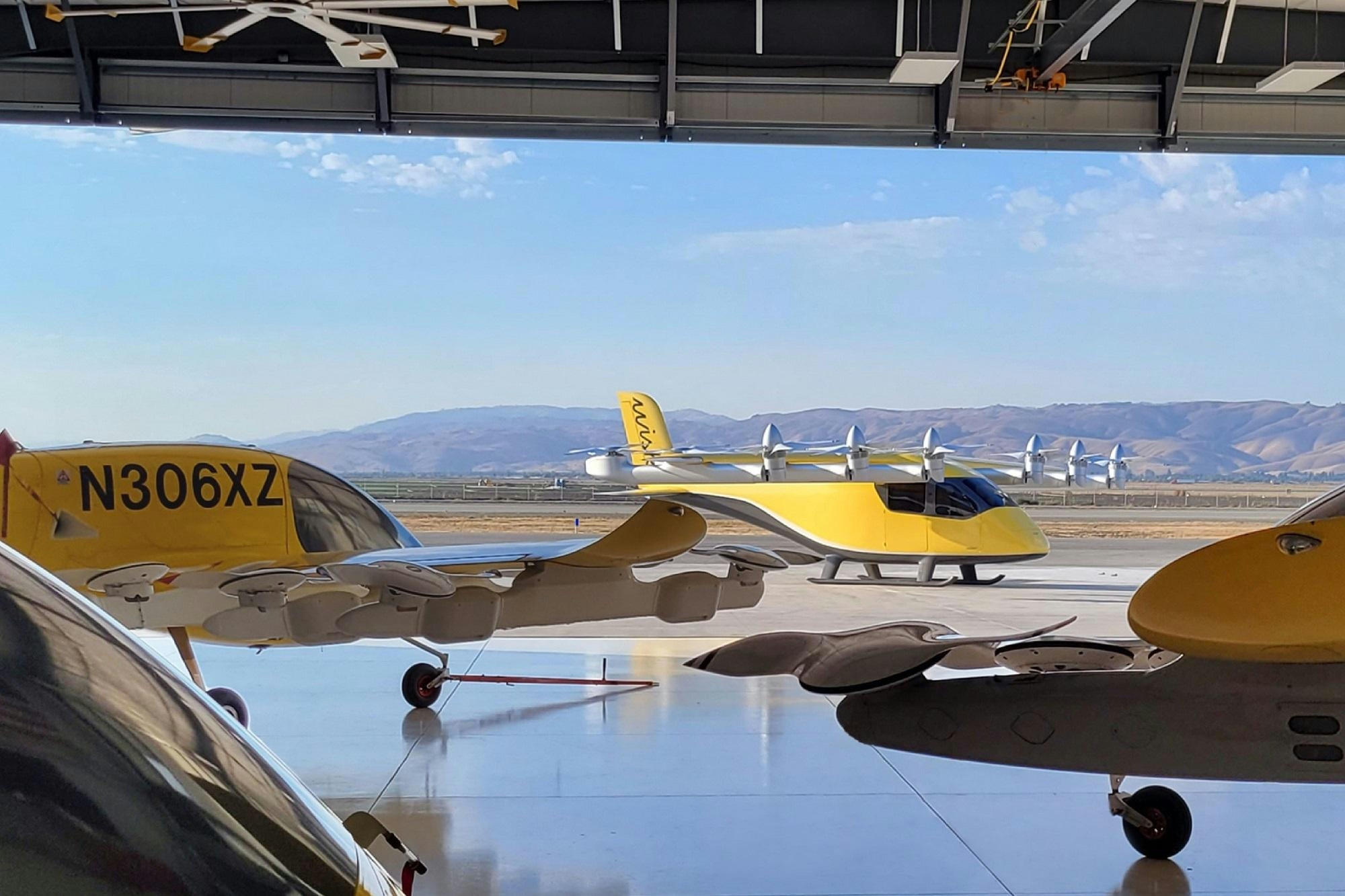
Archer Aviation Confronts Setbacks Amid Declining Air Taxi Interest

Chinese Team Develops First Flight Control Software for Bamboo Drones
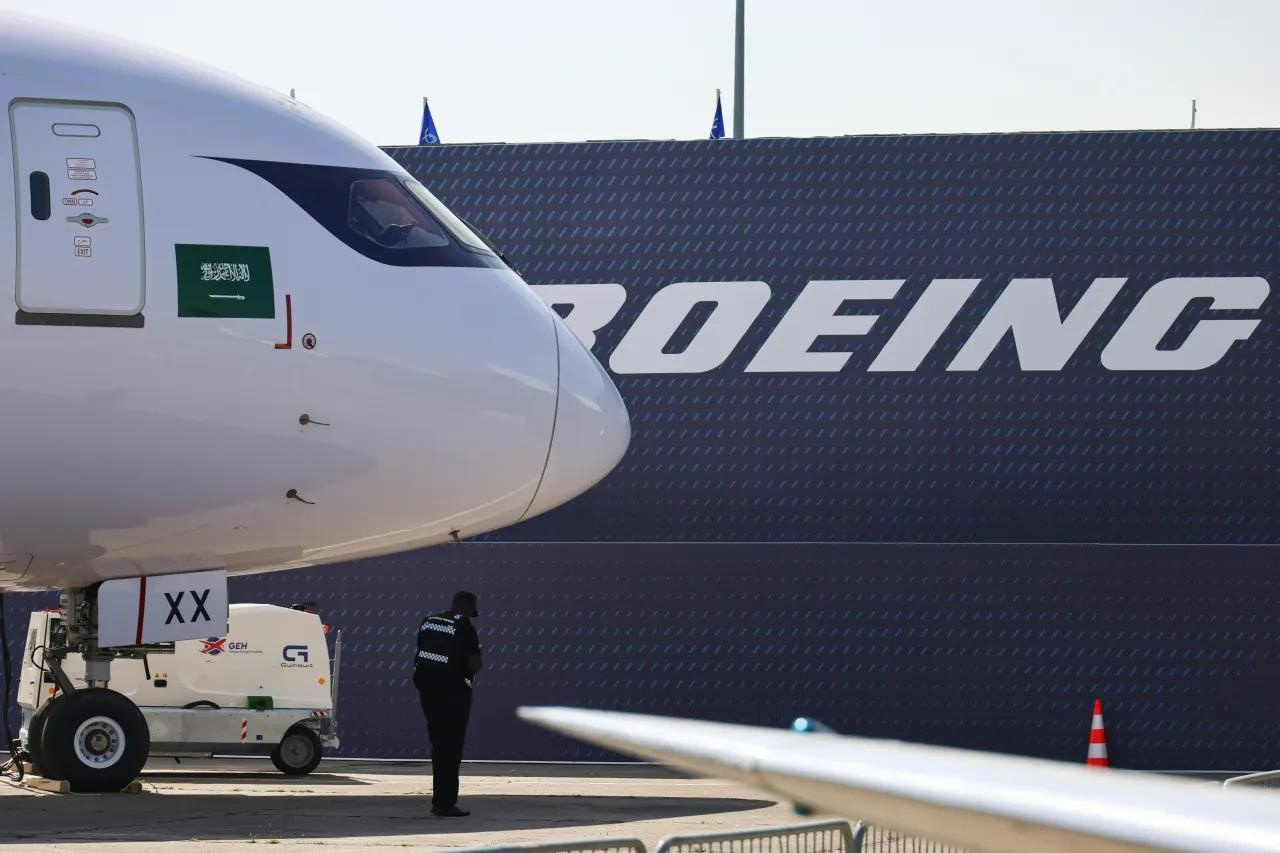
Government Moves Forward with Boeing Purchase, Considers Airbus Leasing
SkyHope Appoints Aviation Industry Leader to Board
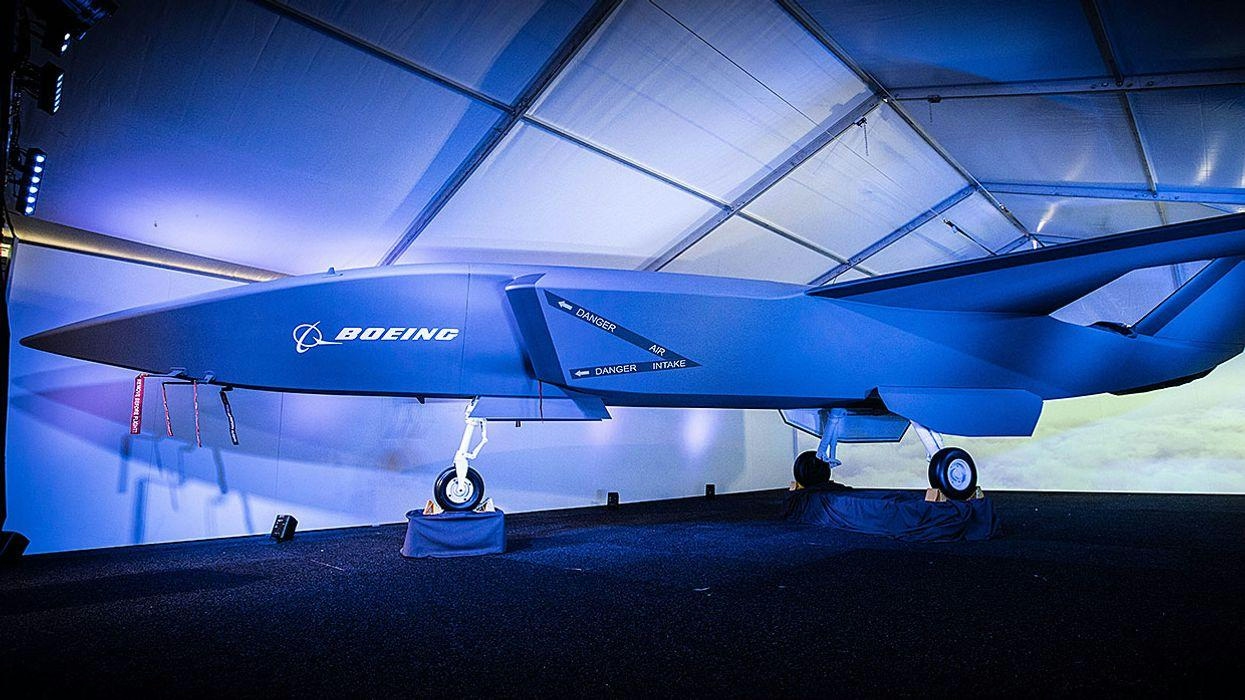
The Challenges of Certifying Autonomous Aircraft
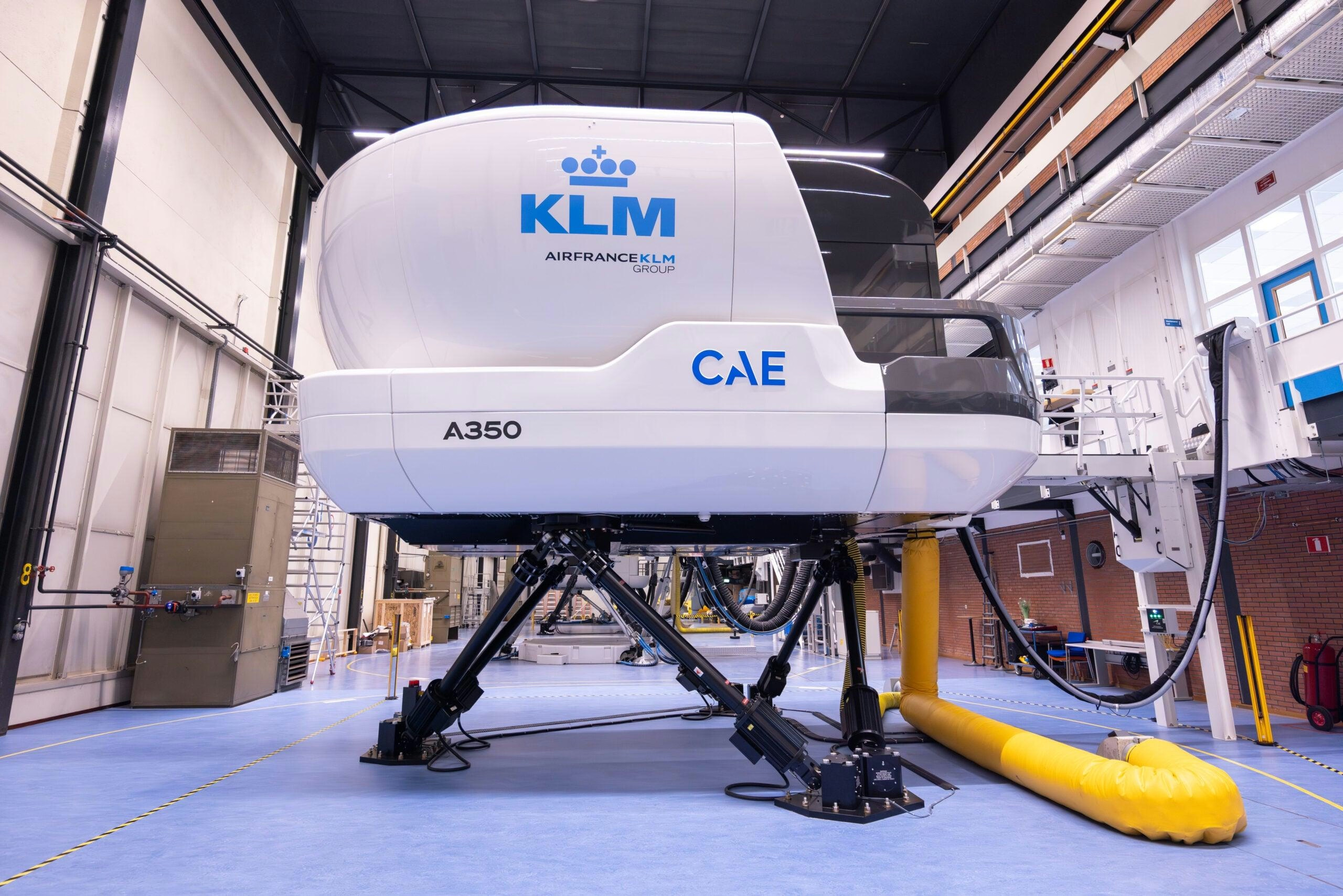
KLM to Receive First Airbus A350, Announces Initial Routes
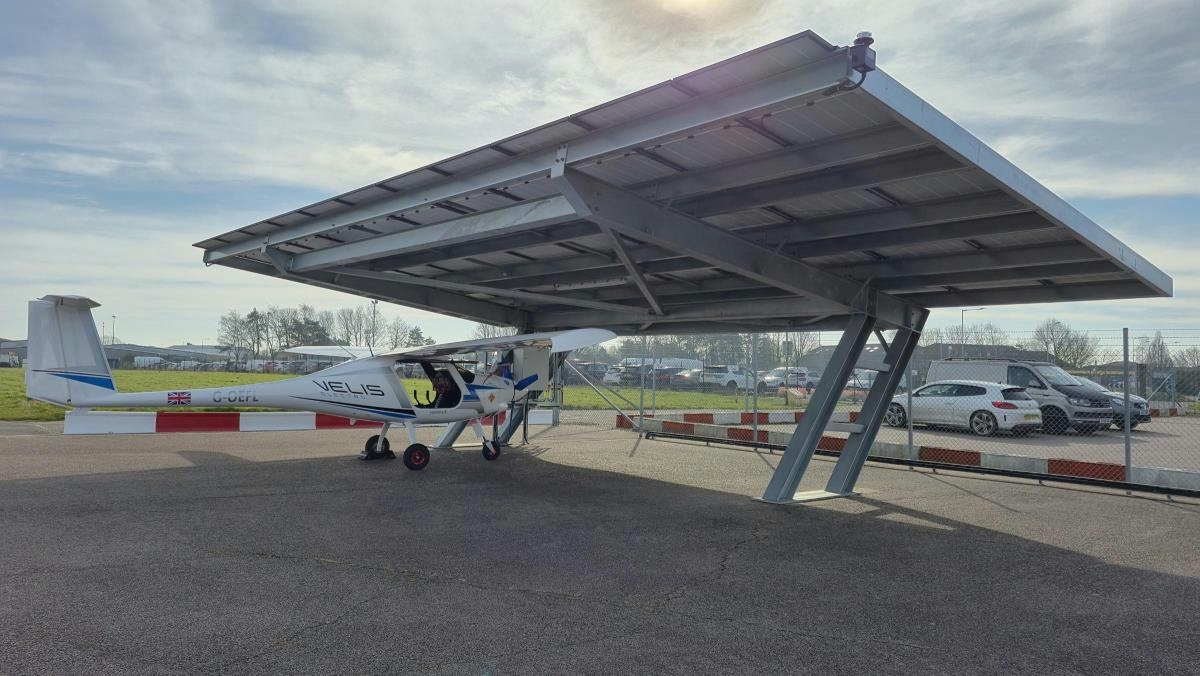
Saxon Air Receives Clean and Green Energy Innovation Award
How BEB Tax Policies Impact Airlines’ International Leasing Contracts

Indonesia’s Danantara and Mandiri Partner with SMBC to Launch $800 Million Aviation Leasing Fund
South Korea’s SUM Air Places Order for New ATR Aircraft
