
AeroGenie — 您的智能副驾驶。

热门趋势
Categories
Trump Administration Pursues Public-Private Partnerships to Develop Air Taxi Industry
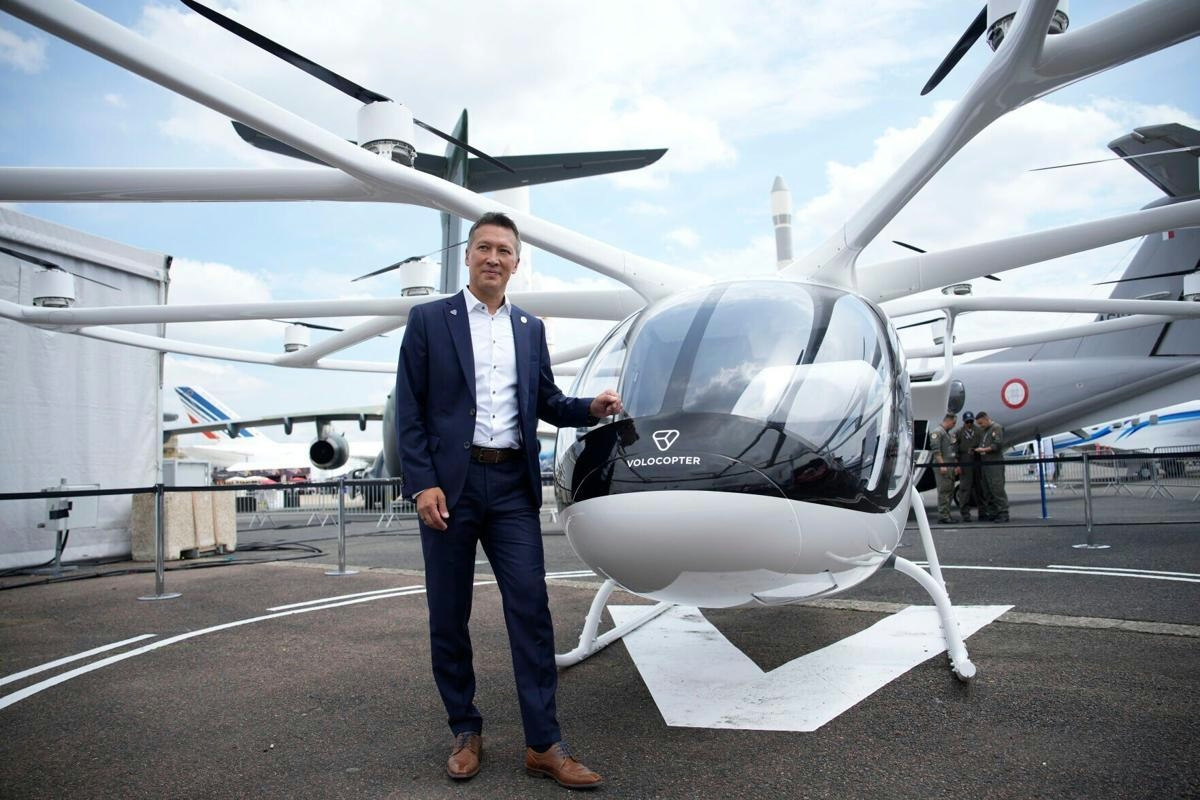
Trump Administration Advances Public-Private Partnerships to Foster Air Taxi Industry
The Trump administration has launched a strategic effort to accelerate the development of electric flying taxis in the United States through new public-private partnerships. On Friday, the Federal Aviation Administration (FAA) unveiled the Electrical Takeoff and Landing Integration Pilot Program, inviting collaboration between state, local, and tribal governments and private companies to advance projects in the emerging field of advanced air mobility (AAM).
Program Objectives and Industry Potential
The initiative aims to select at least five pilot projects over the next three years, focusing on the deployment of electric vertical takeoff and landing (eVTOL) aircraft designed to transport passengers and cargo. These projects will also facilitate the development of essential supporting infrastructure, including vertiports and charging stations. The FAA emphasizes that advanced air mobility has the potential to enhance connectivity in rural areas, alleviate urban traffic congestion, and improve emergency and medical transport services.
FAA Administrator Bryan Bedford highlighted the significance of the program, stating, “This pilot program gives us another opportunity to advance the administration’s plan to accelerate safe eVTOL and advanced air mobility operations across the United States.” He further noted that insights gained from these pilot projects will inform the safe and scalable expansion of AAM operations nationwide.
Infrastructure, Funding, and Industry Response
The program emerges amid increasing interest from municipalities, states, and airports in integrating highly automated, electrically powered aircraft into existing aviation frameworks. A 2024 Government Accountability Office (GAO) report underscores the substantial infrastructure requirements for the sector, with proposals to situate vertiports at airports, logistics hubs, hospitals, and atop parking garages. Initial operations, anticipated between 2025 and 2028, are expected to primarily utilize existing airports and heliports.
Financing for these initiatives may draw from municipal bonds, state infrastructure banks, and public-private partnerships. The FAA has indicated that grants from the Airport Improvement Program could also support the development of AAM infrastructure. States such as Utah have already explored diverse funding mechanisms for vertiports, reflecting growing momentum within the industry.
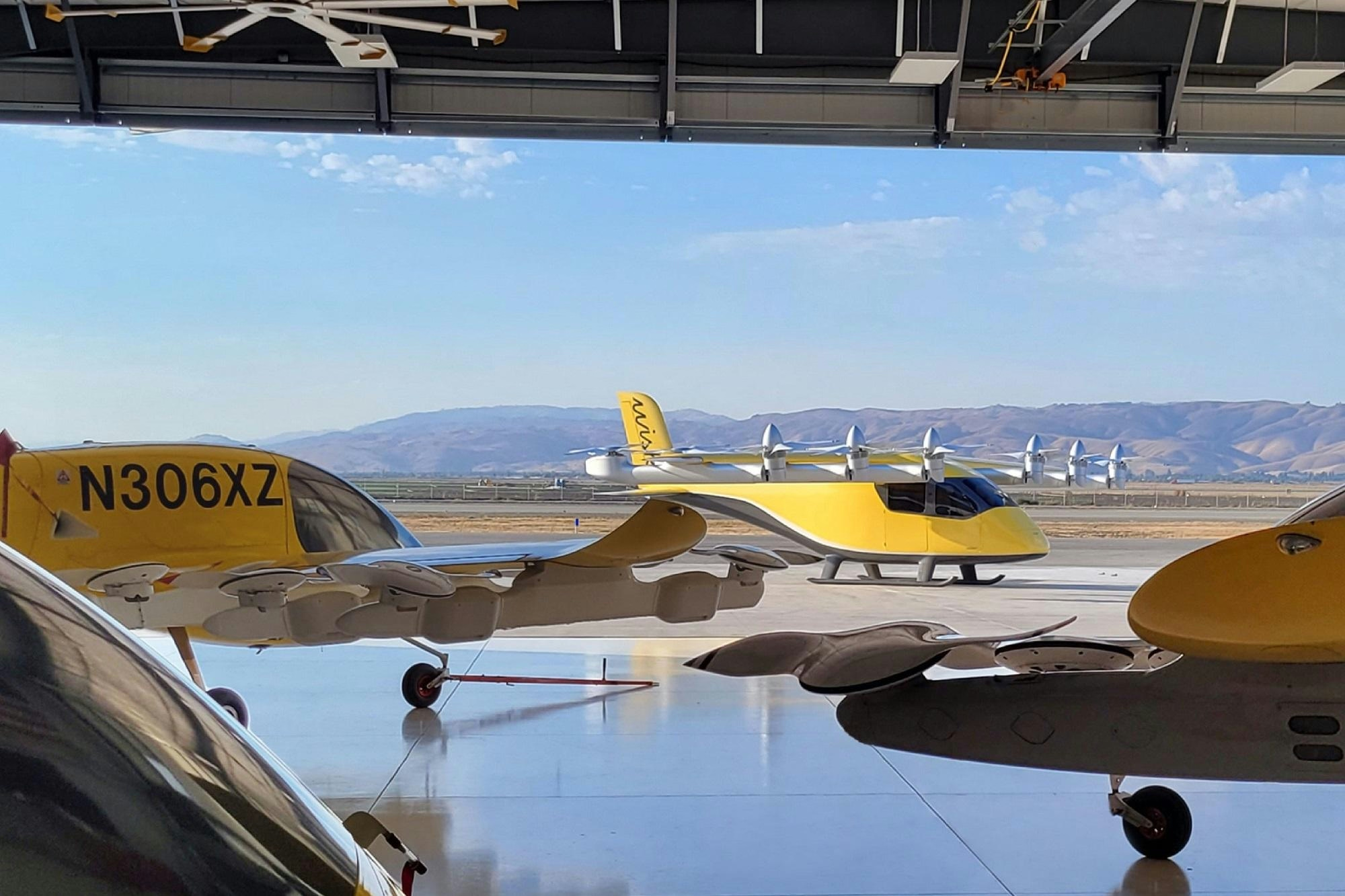
Industry leaders have responded positively to the pilot program. Companies including Archer Aviation and Joby Aviation have expressed strong support and signaled their intent to participate. Archer Aviation, designated as the “official air taxi provider” for the Los Angeles 2028 Olympics, described the initiative as a “landmark moment” for the sector. CEO Adam Goldstein remarked, “This is a landmark moment for our industry.”
Challenges and Future Outlook
Despite the enthusiasm, significant challenges remain. Regulatory complexities, safety concerns, and technological limitations continue to pose obstacles to widespread adoption. The pilot program is expected to play a critical role in identifying and addressing these issues, thereby facilitating broader implementation.
As the market responds, competitors are likely to intensify their development and regulatory compliance efforts to remain competitive. The FAA’s initiative represents the first federal program specifically designed to integrate electric air taxi operations into real-world use in the United States, marking a pivotal step toward a new era of urban and regional air mobility.

Plane lands on Pennsylvania highway due to ‘engine issues,’ FAA says
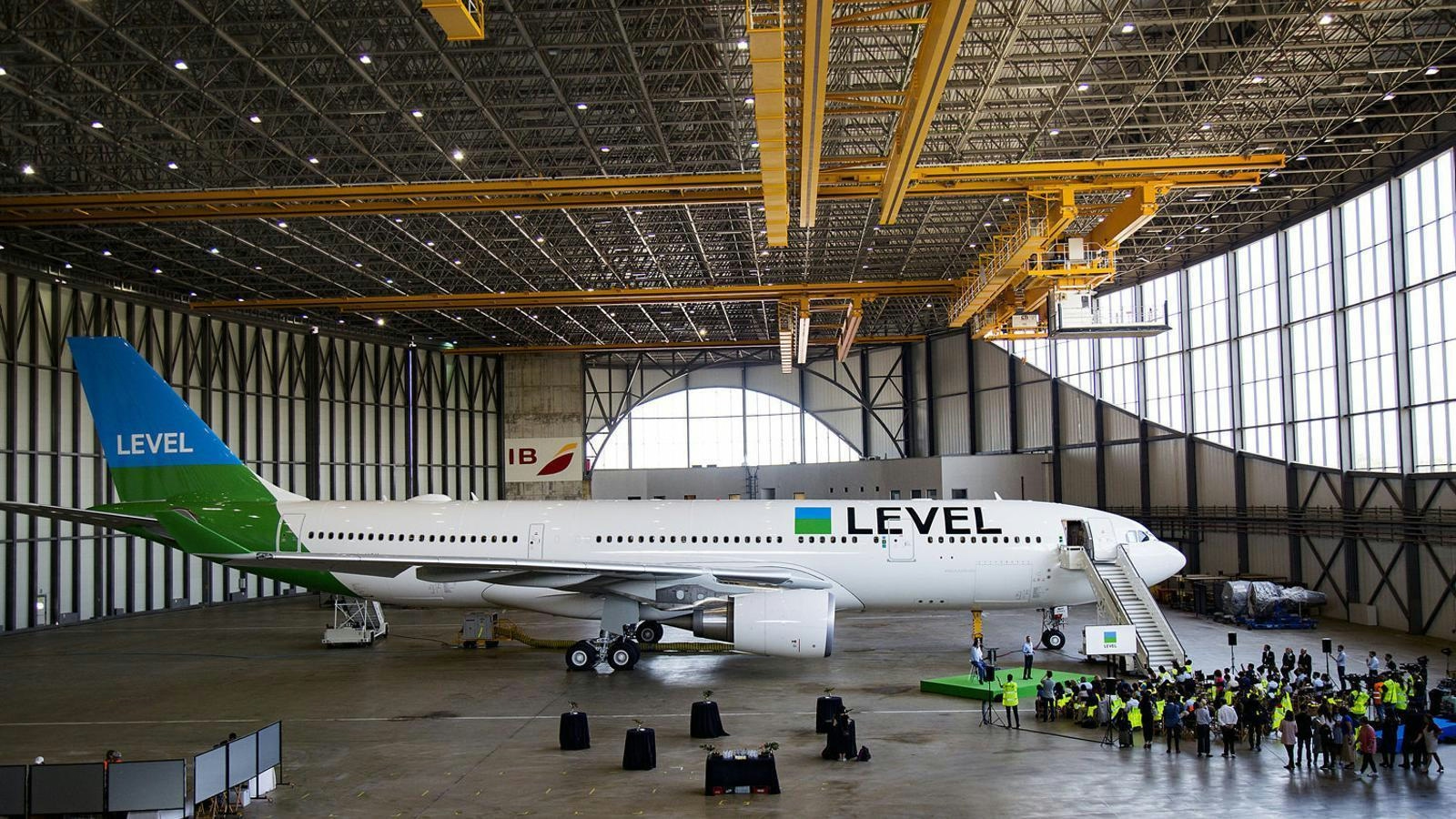
LEVEL Suspends San Francisco Flights Due to Engine Shortage
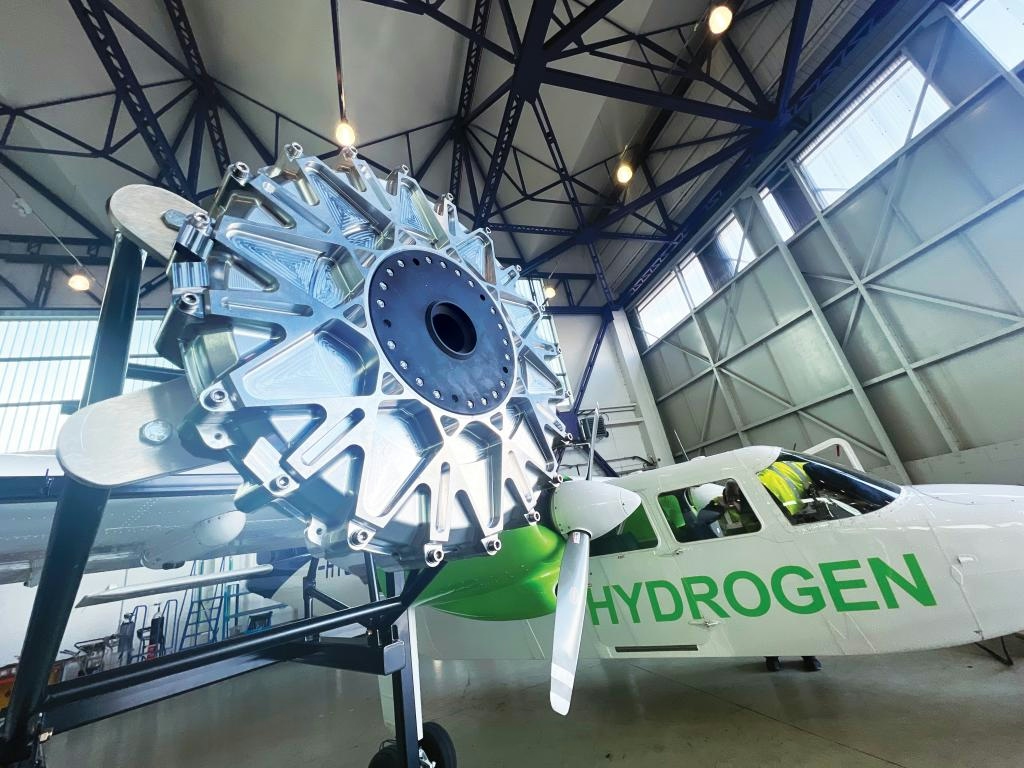
China Conducts First Flight Test of Megawatt Hydrogen Turboprop Engine
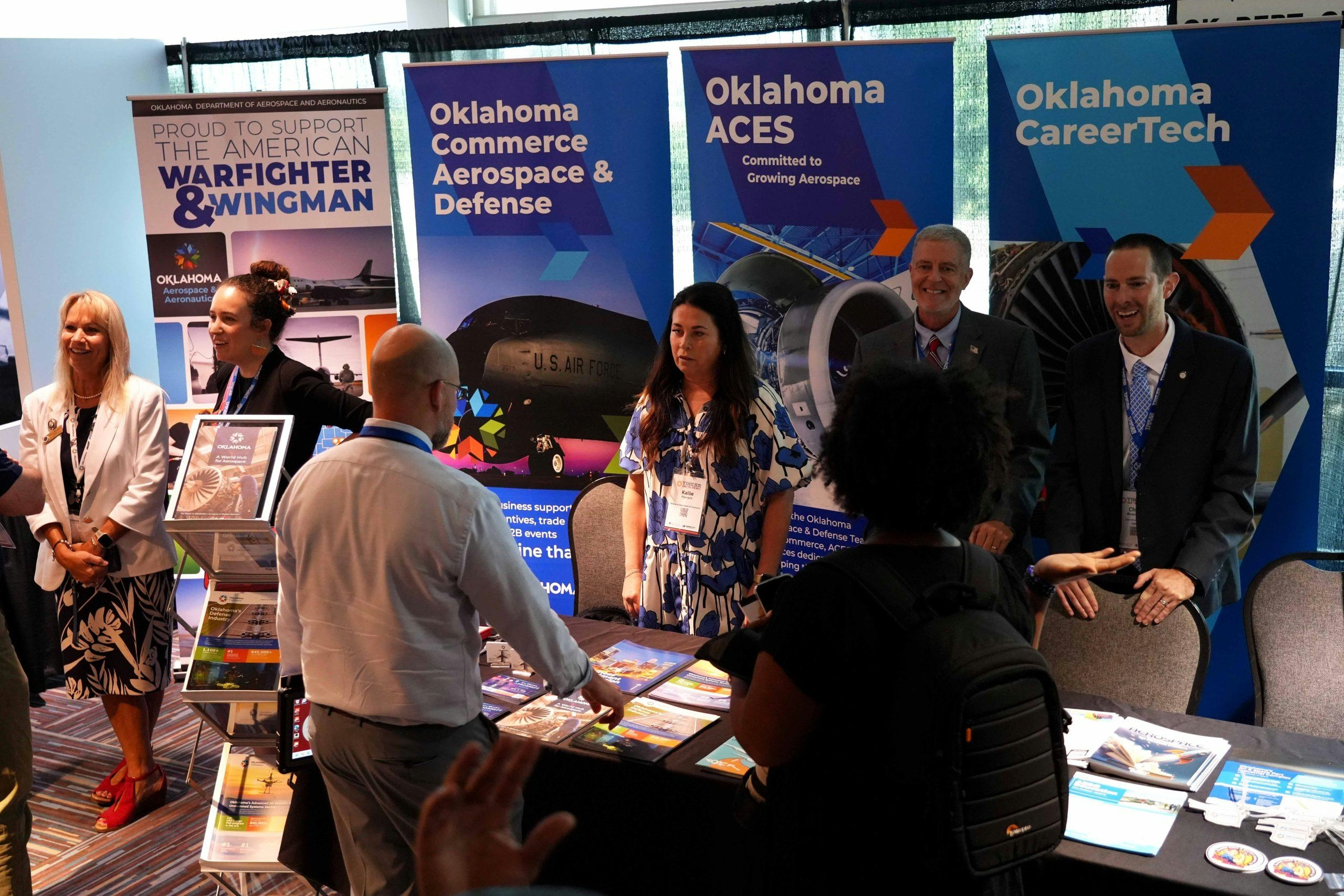
Oklahoma’s Aerospace Industry Expands and Its Impact on the State Economy
Archer Aviation Confronts Setbacks Amid Declining Air Taxi Interest

FAA and EASA Mandates to Influence Flight Line Testing Equipment Market Through 2035
Willis Lease Operates as a Leveraged Spread Business with Moderate Returns
Chinese Team Develops First Flight Control Software for Bamboo Drones
Government Moves Forward with Boeing Purchase, Considers Airbus Leasing

Changes in Airline Industry Leadership, Alliances, and AI
