
AeroGenie — 您的智能副驾驶。

热门趋势
Categories
The Mechanics and Importance of Single-Engine Autorotations
The Mechanics and Importance of Single-Engine Autorotations
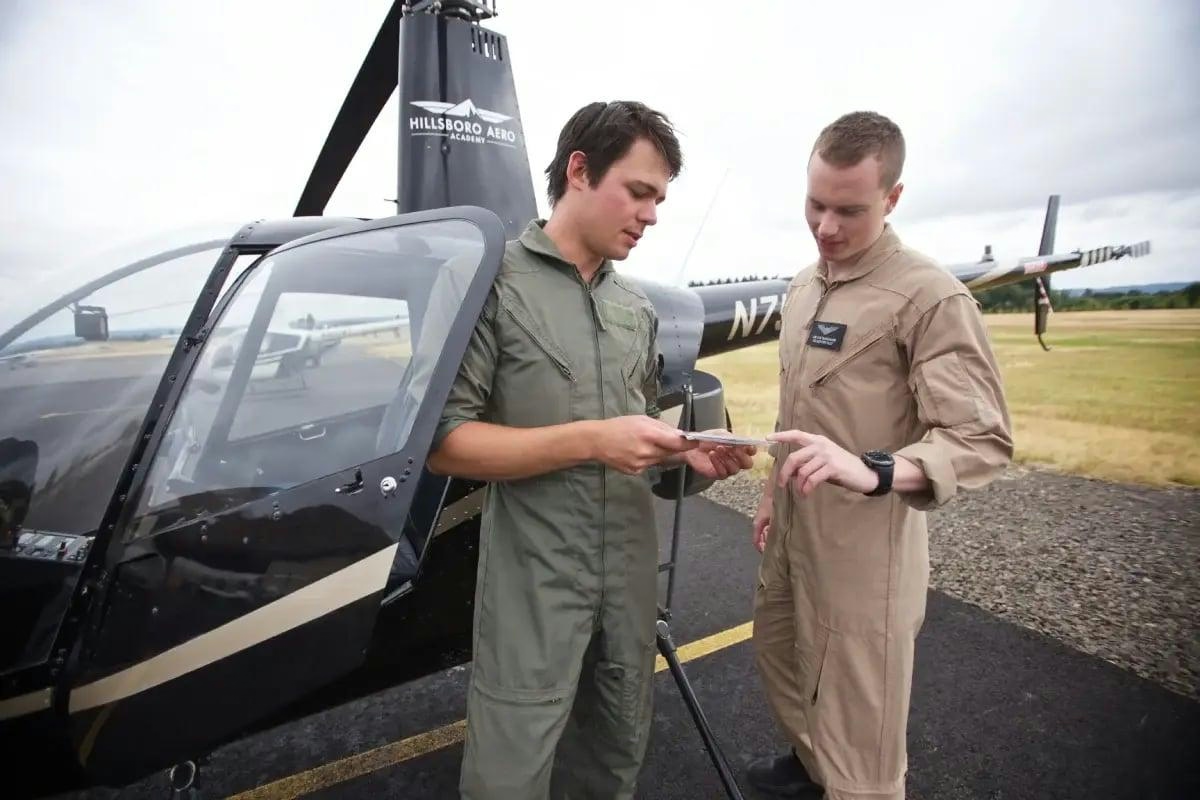
Single-engine autorotations constitute a vital emergency procedure for helicopter pilots, necessitating rigorous and recurrent training to uphold safety and operational proficiency. Across North and South America, law enforcement and emergency services agencies have established comprehensive training programs tailored to the specific challenges posed by these maneuvers.
Training Approaches Across Agencies
The Sacramento Police Department exemplifies a thorough training regimen. Sgt. Wiseman detailed the department’s commitment, noting that pilots attend the Bell Training Academy annually, where they engage in full-down autorotations and simulator sessions using the Level 7 Flight Training Device (FTD). This training is complemented by night vision goggle (NVG) recertification. Additionally, the department maintains a second OH-58 helicopter dedicated exclusively to quarterly full-down autorotation practice. This combination of internal and external training resources ensures that pilots consistently meet high standards of readiness.
Similarly, the Sonoma County Sheriff’s Office relies heavily on the Bell Training Academy for its recurrent annual training. Sgt. Richards emphasized that all pilots participate in factory training at Bell Helicopter’s facility in Fort Worth, Texas. This is supplemented by additional night flights to rehearse emergency procedures under NVG conditions. The department’s administration actively supports frequent training, enabling crews to conduct training evolutions up to five days a week. This persistent focus on proficiency reflects the operational demands and diverse experience levels within their pilot cadre.
In contrast, the Placer County Sheriff’s Office (PCSO) prioritizes live flight training over simulation. Chief Pilot Pecora described their robust program, which integrates both vendor-led and in-house training without limitations on the volume or type of exercises conducted. All emergency procedures, including autorotations, are practiced during live flights. PCSO collaborates with Topflight in British Columbia for specialized mountain, NVG, and long-line refresher courses, and with Helistream in California for maintenance and instructor pilot recurrency training. Pecora highlighted that their training program is dynamic, continuously evolving to incorporate new techniques and ideas.
Internationally, the Edmonton Police Service in Canada also places significant emphasis on autorotation training. Chief Pilot Granley explained that pilots receive annual instruction at Topflight Elite Training through Canadian Helicopters, covering autorotations in both day and night operations. While simulator training is available, the current focus remains on live and in-house training to foster pilot confidence.
In Brazil, the Federal District Fire Department is progressively integrating flight training devices into their curriculum. Lt. Col. Spagnolo noted that pilots undergo specific autorotation training during initial qualification and annual recurrent sessions, with plans to expand simulator use further in the future.
Challenges and Industry Trends
Despite the evident advantages of single-engine autorotation training, several challenges persist. Maintaining pilot certification, ensuring stringent safety standards, and managing the associated operational and maintenance costs remain ongoing concerns. These factors influence market dynamics, driving increased interest in single-engine aircraft equipped with advanced autorotation capabilities, especially in regions characterized by difficult terrain. Manufacturers and competitors are responding by enhancing autorotation technology, improving safety features, and offering competitive pricing to attract operators prioritizing these capabilities.
Recent developments in the aviation sector, such as Boeing’s delivery of the 787 with a higher maximum take-off weight and the operational deployment of Rafael’s Iron Beam directed energy weapon, underscore the industry’s continuous commitment to innovation and safety. As technological advancements progress, the critical role of rigorous autorotation training in ensuring operational readiness and pilot safety remains paramount.
LEVEL Suspends San Francisco Flights Due to Engine Shortage
China Conducts First Flight Test of Megawatt Hydrogen Turboprop Engine
Oklahoma’s Aerospace Industry Expands and Its Impact on the State Economy
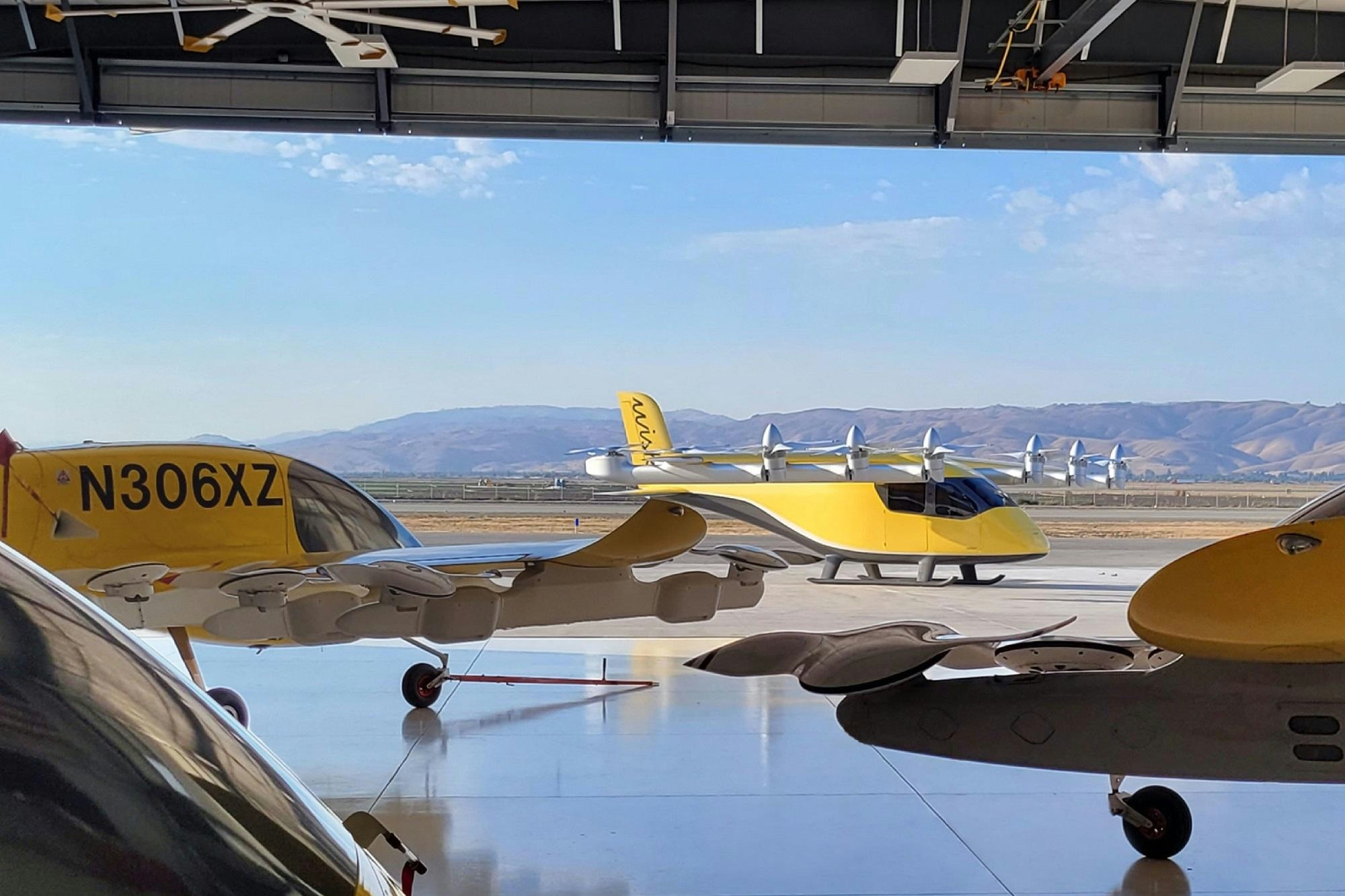
Archer Aviation Confronts Setbacks Amid Declining Air Taxi Interest

FAA and EASA Mandates to Influence Flight Line Testing Equipment Market Through 2035
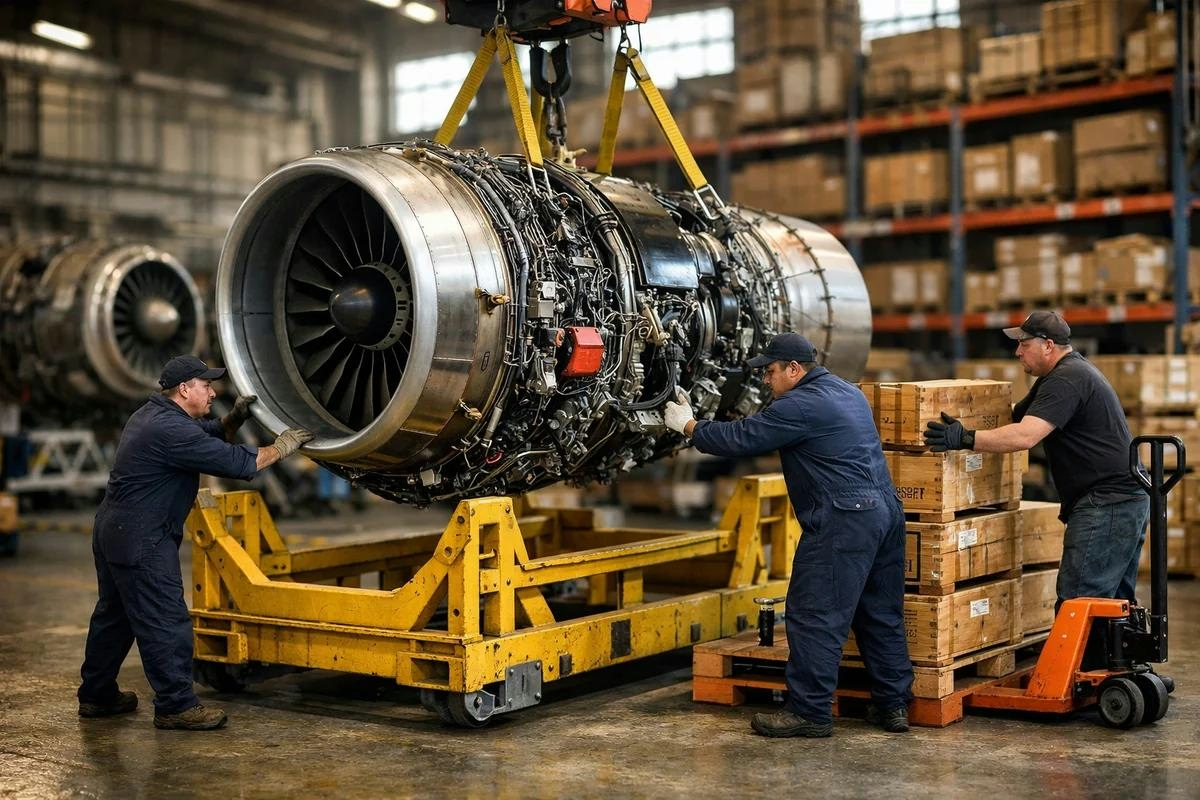
Willis Lease Operates as a Leveraged Spread Business with Moderate Returns
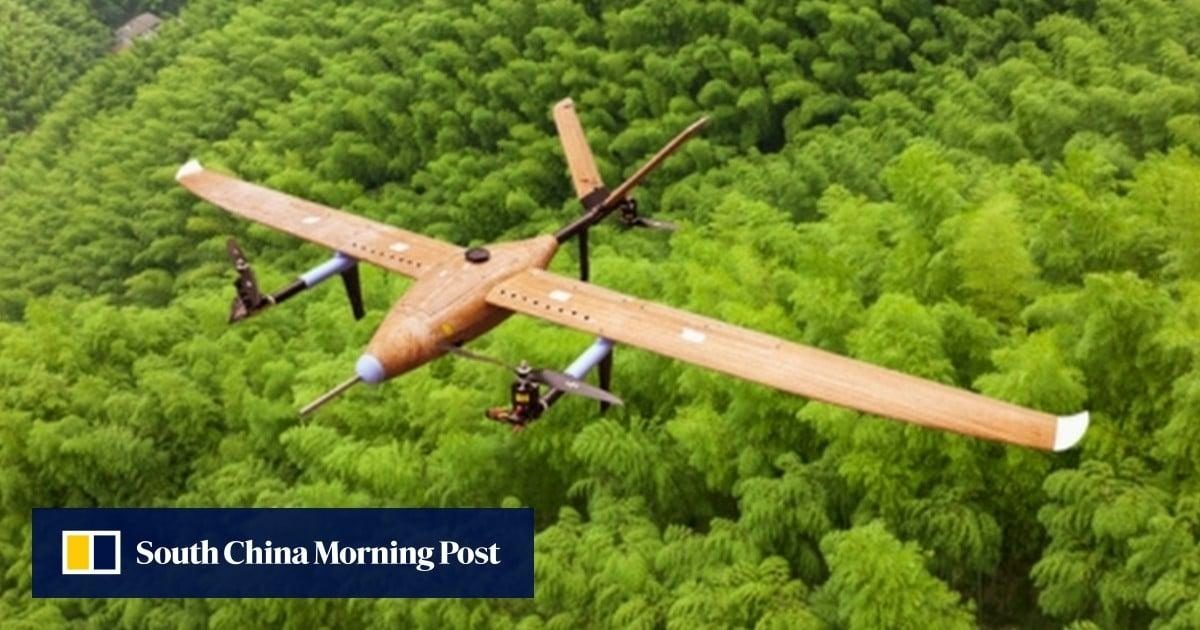
Chinese Team Develops First Flight Control Software for Bamboo Drones
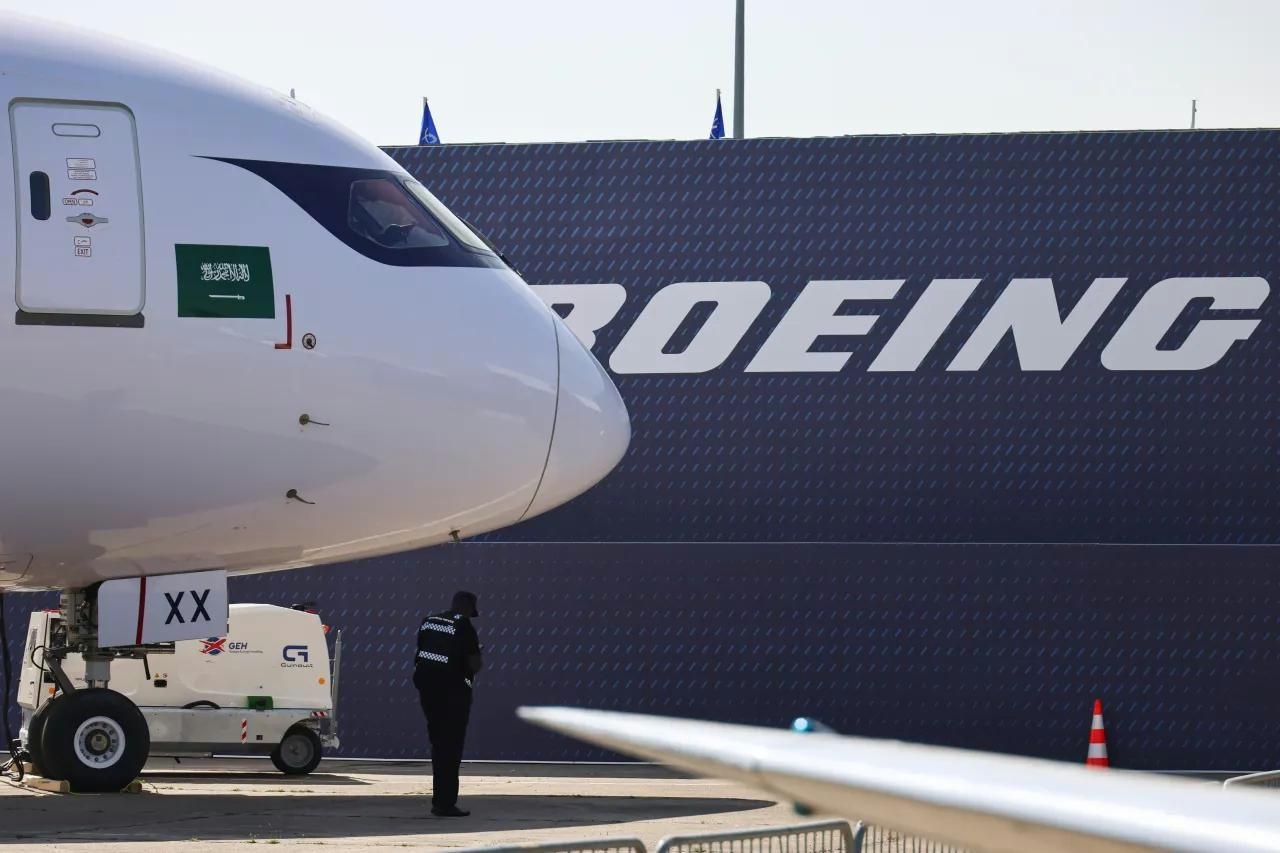
Government Moves Forward with Boeing Purchase, Considers Airbus Leasing
SkyHope Appoints Aviation Industry Leader to Board
The Challenges of Certifying Autonomous Aircraft
