
AeroGenie — 您的智能副驾驶。

热门趋势
Categories
Stolen Spanish Engine Parts Prompt Global Aviation Safety Review

Stolen Spanish Engine Parts Prompt Global Aviation Safety Review
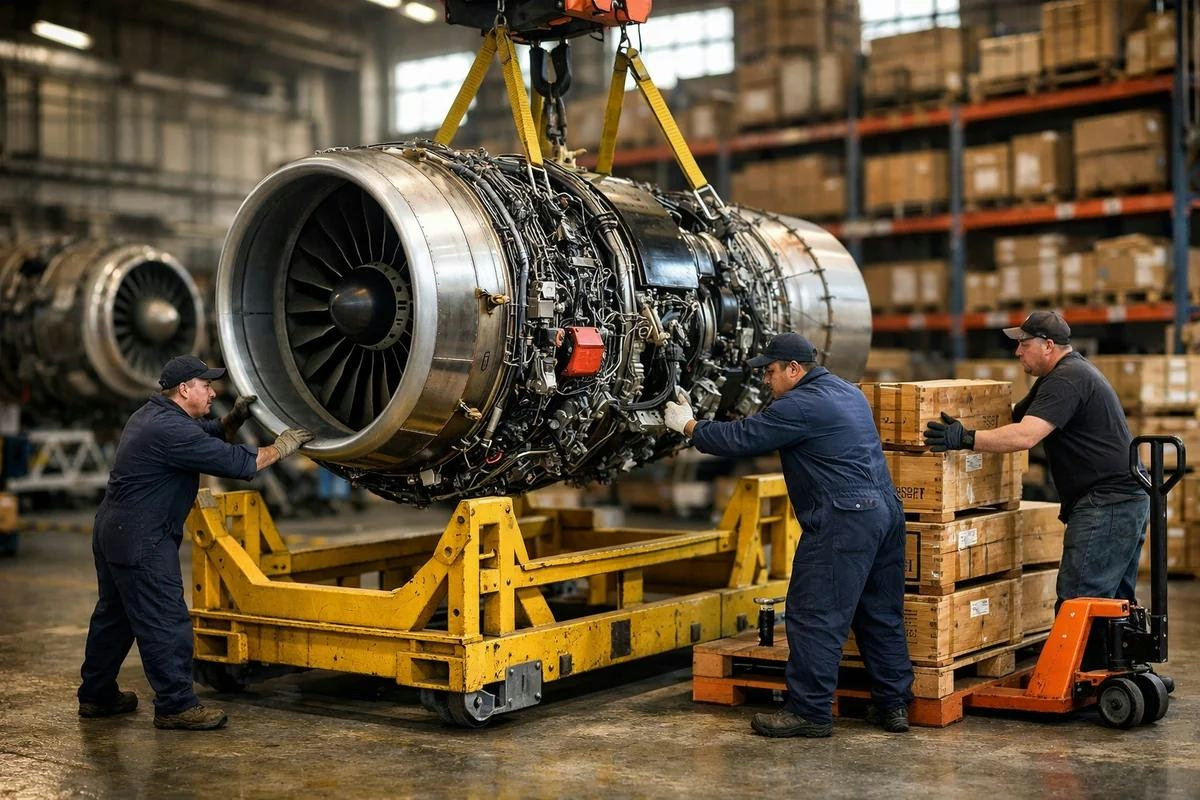
In late January 2026, over 600 non-airworthy aircraft engine parts were stolen in Spain, triggering a significant aviation safety alert. These components, associated with the CFM56, V2500, PW1100, and RB211 engine families, were originally slated for destruction through a process known as “mutilation,” designed to prevent their reuse. However, thieves impersonating disposal contractors intercepted the shipment, raising serious concerns that these parts could re-enter the global aviation supply chain as counterfeit or falsely certified components.
EASA’s Immediate Action and Industry Response
Following notification from Spanish authorities, the European Union Aviation Safety Agency (EASA) acted swiftly by publishing a detailed list of serial numbers for the stolen parts. Airlines and maintenance organizations worldwide have since been urged to cross-check their inventories to ensure these unauthorized components are not installed on commercial aircraft. This incident highlights the critical importance of maintaining the integrity of aviation’s “cradle-to-grave” tracking system, which monitors every part from manufacture to disposal.
The theft exposes a hidden risk to passenger safety, as the installation of expired or non-airworthy parts could jeopardize aircraft reliability and crew and passenger security. The situation is analogous to fitting a vehicle with defective brakes, underscoring the potential severity of such lapses in aviation maintenance.
Global Implications and Industry Measures
The repercussions of the theft have prompted a comprehensive review of aviation supply chain security on a global scale. Airlines, maintenance, repair, and overhaul (MRO) providers, along with regulatory bodies, are intensifying their scrutiny and verification procedures for all engine parts. Enhanced security protocols are being implemented to prevent fraud and unauthorized diversions, although these measures have contributed to delays in aircraft maintenance and operations.
Market reactions have been immediate, with concerns voiced over supply chain integrity and the potential for increased operational costs. In response, industry stakeholders are fostering greater collaboration on safety standards and exploring advanced technologies such as artificial intelligence and blockchain to improve the traceability and authenticity of aircraft components.
Advancing Safety and Innovation Amid Challenges
Despite the alarm raised by the theft, the incident is catalyzing positive developments within the aviation sector. Airlines are adopting more rigorous inspection regimes to ensure only approved parts are utilized. The industry is accelerating the integration of technologies like blockchain and GPS tracking to safeguard against future diversions. Furthermore, European and international authorities are enhancing cooperation to combat organized crime targeting aviation. This heightened vigilance is also increasing consumer awareness, leading to elevated expectations for safety standards.
However, these advancements come with challenges. The intensified scrutiny and verification processes can result in flight delays and extended maintenance periods, particularly when suspect parts are identified. Additionally, the investments required for enhanced security and technological solutions may increase costs for airlines, with potential downstream effects on travelers.
The theft of engine parts in Spain has thus become a pivotal moment for the aviation industry, prompting a renewed focus on safety and supply chain integrity. While these efforts may introduce operational complexities, they underscore the ongoing commitment to ensuring the security of global air travel.

Plane lands on Pennsylvania highway due to ‘engine issues,’ FAA says

LEVEL Suspends San Francisco Flights Due to Engine Shortage

China Conducts First Flight Test of Megawatt Hydrogen Turboprop Engine

Oklahoma’s Aerospace Industry Expands and Its Impact on the State Economy

Archer Aviation Confronts Setbacks Amid Declining Air Taxi Interest

FAA and EASA Mandates to Influence Flight Line Testing Equipment Market Through 2035
Willis Lease Operates as a Leveraged Spread Business with Moderate Returns

Chinese Team Develops First Flight Control Software for Bamboo Drones

Government Moves Forward with Boeing Purchase, Considers Airbus Leasing

Changes in Airline Industry Leadership, Alliances, and AI
