
AeroGenie — 您的智能副驾驶。

热门趋势
Categories
Sri Lanka Uses AI To Reshape Airfares On Key Routes
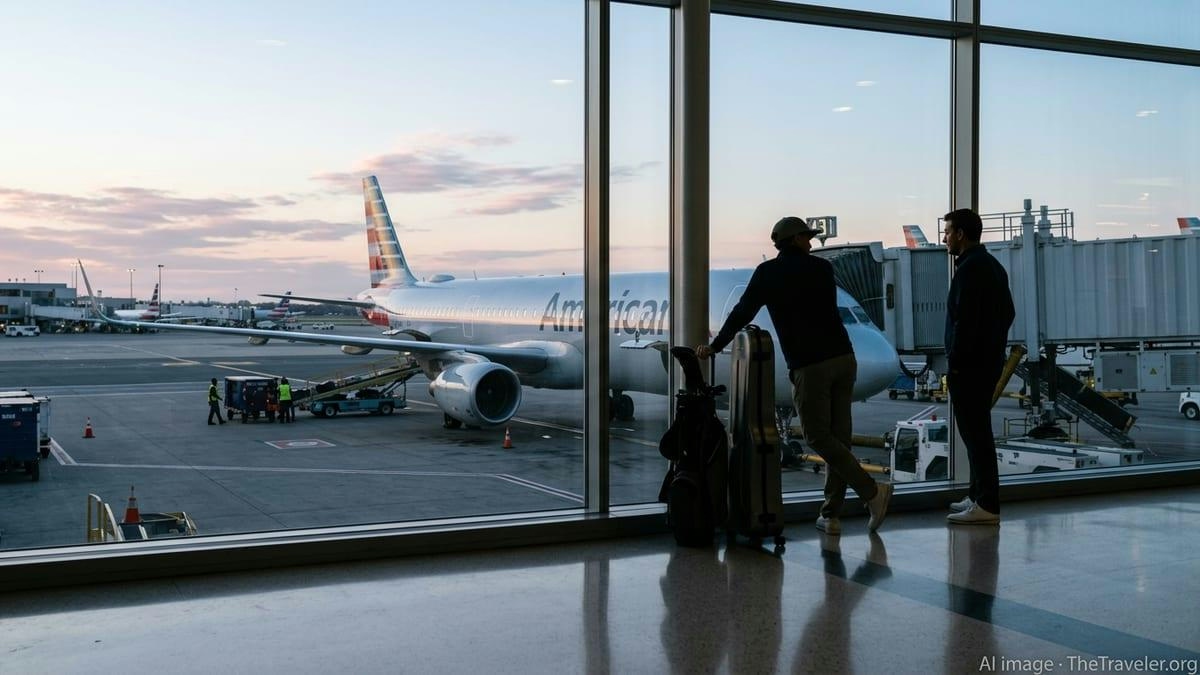
Sri Lanka Harnesses Artificial Intelligence to Transform Airfare Pricing on Key International Routes
Sri Lanka is swiftly becoming a focal point for the application of artificial intelligence (AI) in airline pricing strategies. SriLankan Airlines, alongside its partners, is increasingly leveraging AI-driven systems to dynamically adjust fares on critical routes connecting the island nation with India, the United Arab Emirates, and the United Kingdom. This technological shift marks a significant evolution in how airfares are managed in the region, reflecting broader trends in the global aviation industry.
Advancing Revenue Management Through AI at SriLankan Airlines
Recent corporate disclosures reveal that SriLankan Airlines has integrated sophisticated revenue management tools, including dynamic pricing algorithms, as a central component of its comprehensive turnaround strategy. The airline’s five-year plan prioritizes the alignment of fares and seat capacity with real-time market demand, particularly on short- and medium-haul routes that serve as vital links between South Asia, the Gulf, and Europe.
These enhancements are underpinned by AI and machine learning technologies that enable more accurate demand forecasting, customer segmentation, and frequent fare adjustments compared to traditional pricing models. Complementing these pricing innovations, SriLankan has introduced an AI-powered digital assistant and revamped self-service platforms, which encourage direct bookings. This direct engagement allows the airline’s algorithms to access richer customer data, further refining pricing strategies.
Financial reports for the 2025–2026 fiscal year attribute a notable portion of revenue growth to these AI-driven revenue management practices. The airline has recorded mid-single-digit percentage increases in passenger yields alongside improved load factors, indicating that dynamic pricing is facilitating the sale of more seats at profitable rates while maintaining high occupancy on competitive routes.
Dynamic Pricing Revolutionizes India-Sri Lanka Air Travel Corridors
India remains Sri Lanka’s largest source market for tourism, with monthly arrival statistics consistently placing Indian travelers at the forefront. The principal air routes between Colombo and major Indian cities such as Mumbai, Delhi, Chennai, and Bengaluru have become key arenas for the deployment of AI-driven pricing models. Indian carriers operating on these routes are also adopting their own AI-enabled pricing tools, effectively transforming the India-Sri Lanka corridor into a live testing ground for dynamic fare setting within South Asia.
The modernization of Indian aviation has seen major private airlines implement cloud-based AI pricing engines that continuously recalibrate fares in response to competitor pricing, search behavior, seasonal trends, and broader economic indicators. For consumers, this has introduced greater price volatility but also opportunities for cost savings. Observations from social media and travel forums reveal that factors such as booking lead time, day of the week, and even time of day can significantly influence ticket prices on Colombo-India flights. Some travelers have secured one-way fares below 10,000 rupees by booking well in advance, while others encounter substantially higher prices closer to departure during peak travel periods.
Industry Implications and Emerging Challenges
While AI-driven pricing is delivering tangible benefits to airlines, it is simultaneously reshaping the wider travel industry. The sector is particularly vulnerable to disruption as automated agents increasingly assume roles in trip planning, booking, and operational management, thereby challenging the traditional value proposition of travel intermediaries. Airlines and hotels stand to gain from the efficiencies introduced by AI, but travel agencies and other intermediaries may face shrinking profit margins and fundamental questions about their future relevance.
In response, competitors are expected to accelerate their own AI adoption efforts to safeguard market share, potentially igniting price wars and intensifying competition. Similar to other industries disrupted by AI, the travel market may experience cautious investor sentiment, prompting selloffs and a reassessment of established business models.
At present, Sri Lanka’s proactive embrace of AI-powered pricing strategies is positioning the country and its national carrier at the forefront of a rapidly evolving global travel landscape.

Plane lands on Pennsylvania highway due to ‘engine issues,’ FAA says
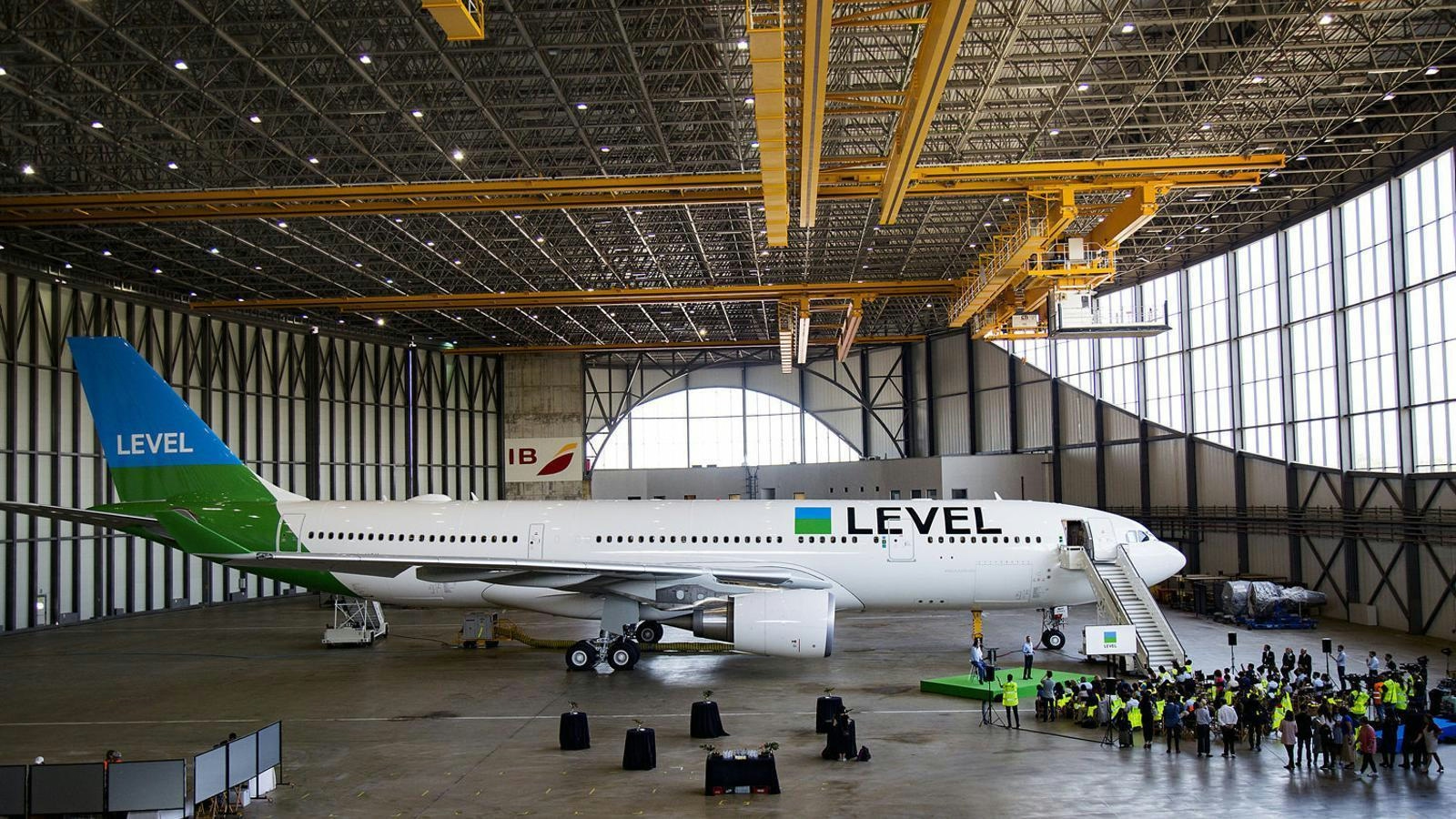
LEVEL Suspends San Francisco Flights Due to Engine Shortage

China Conducts First Flight Test of Megawatt Hydrogen Turboprop Engine

Oklahoma’s Aerospace Industry Expands and Its Impact on the State Economy

Archer Aviation Confronts Setbacks Amid Declining Air Taxi Interest

FAA and EASA Mandates to Influence Flight Line Testing Equipment Market Through 2035
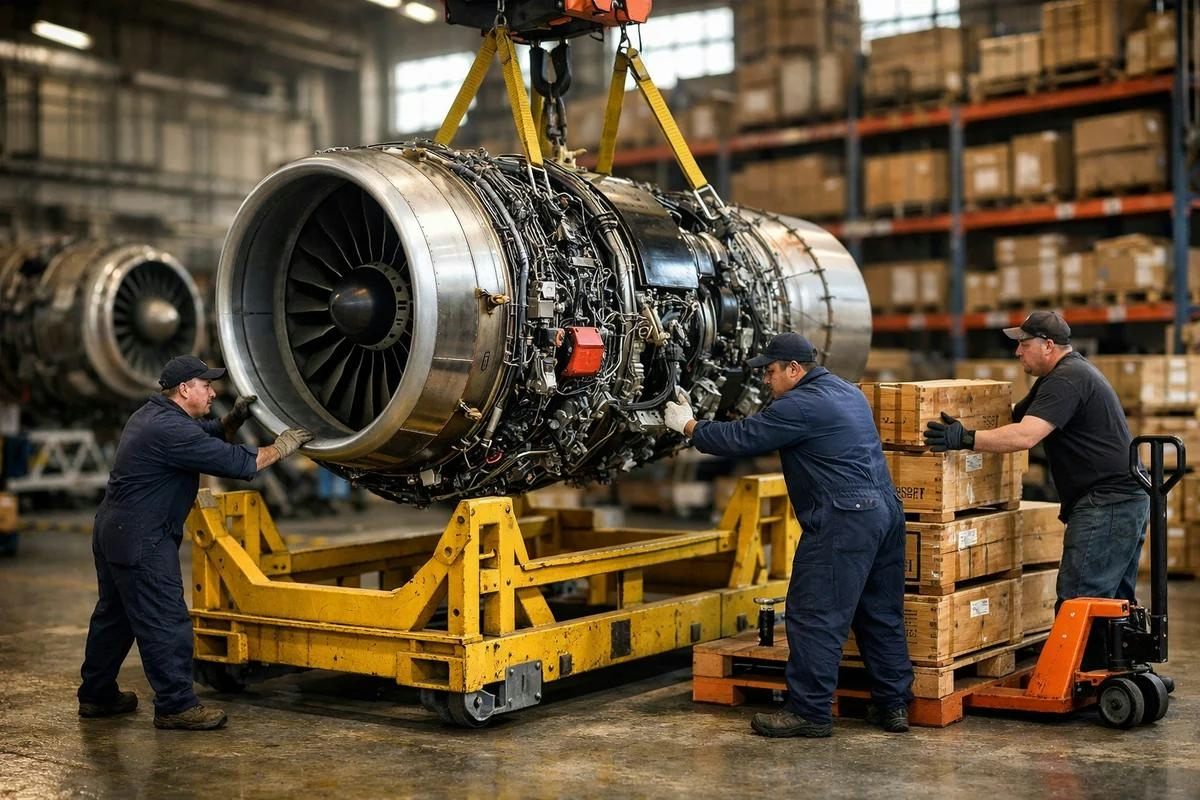
Willis Lease Operates as a Leveraged Spread Business with Moderate Returns
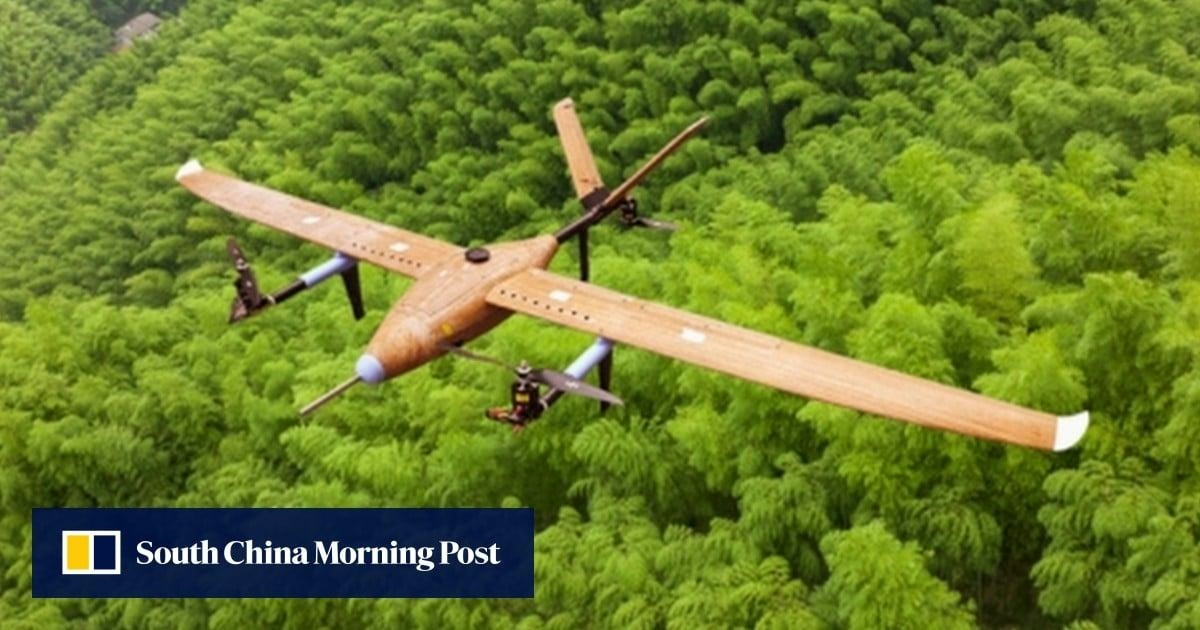
Chinese Team Develops First Flight Control Software for Bamboo Drones
Government Moves Forward with Boeing Purchase, Considers Airbus Leasing

Changes in Airline Industry Leadership, Alliances, and AI
