
AeroGenie — 您的智能副驾驶。

热门趋势
Categories
Lithuanian Billionaire Proposes Plan to Lower Peak Season Airfares

Lithuanian Billionaire Proposes Plan to Lower Peak Season Airfares
The owner of the world’s largest aircraft wet-leasing operation has introduced a proposal aimed at reducing peak season airfares in Australia, offering a potential remedy as Qantas encounters delays in acquiring new aircraft. Gediminas Ziemelis, the Lithuanian billionaire behind the Dublin-based Avia Solutions Group, asserts that his company possesses sufficient aircraft capacity to accommodate the rising demand during Australia’s busiest travel periods.
Addressing Capacity Constraints Through Wet-Leasing
Ziemelis contends that persistent aircraft shortages risk limiting growth within the Australian aviation market unless major carriers such as Qantas and Virgin Australia adopt more innovative strategies. By utilizing wet-leased aircraft—planes supplied with crew, maintenance, and insurance—airlines could rapidly expand capacity, thereby alleviating upward pressure on ticket prices during peak travel times. This approach, he suggests, could provide a timely solution to the current supply-demand imbalance.
Industry Challenges and Market Implications
Despite its potential benefits, the proposal presents several challenges for the aviation sector. Analysts caution that reducing airfares during periods of high demand may compress airline profit margins. There is concern that such pricing adjustments could ignite competitive price wars, compelling airlines to reevaluate their fare structures and potentially affecting ancillary revenue streams, including baggage fees and onboard sales.
The market response to this plan could be substantial. Lower fares might encourage consumers to book flights earlier, disrupting traditional booking behaviors and intensifying competition for discounted seats. In turn, rival airlines may feel pressured to match reduced prices or devise alternative tactics to safeguard their market share, potentially escalating competition across the industry.
Potential Impact on Australian Aviation Strategies
Industry experts suggest that if Ziemelis’s proposal gains momentum, it could trigger a wider reassessment of operational strategies among Australian carriers. Airlines will be challenged to balance the advantages of increased capacity and more consumer-friendly pricing against the risks posed to profitability, all while navigating a rapidly shifting competitive environment.
As Qantas and Virgin Australia deliberate their options amid ongoing fleet limitations, the aviation sector will closely monitor whether innovative solutions such as wet-leasing can successfully deliver both lower fares for travelers and sustainable growth for airlines.

Archer Aviation Confronts Setbacks Amid Declining Air Taxi Interest

Chinese Team Develops First Flight Control Software for Bamboo Drones
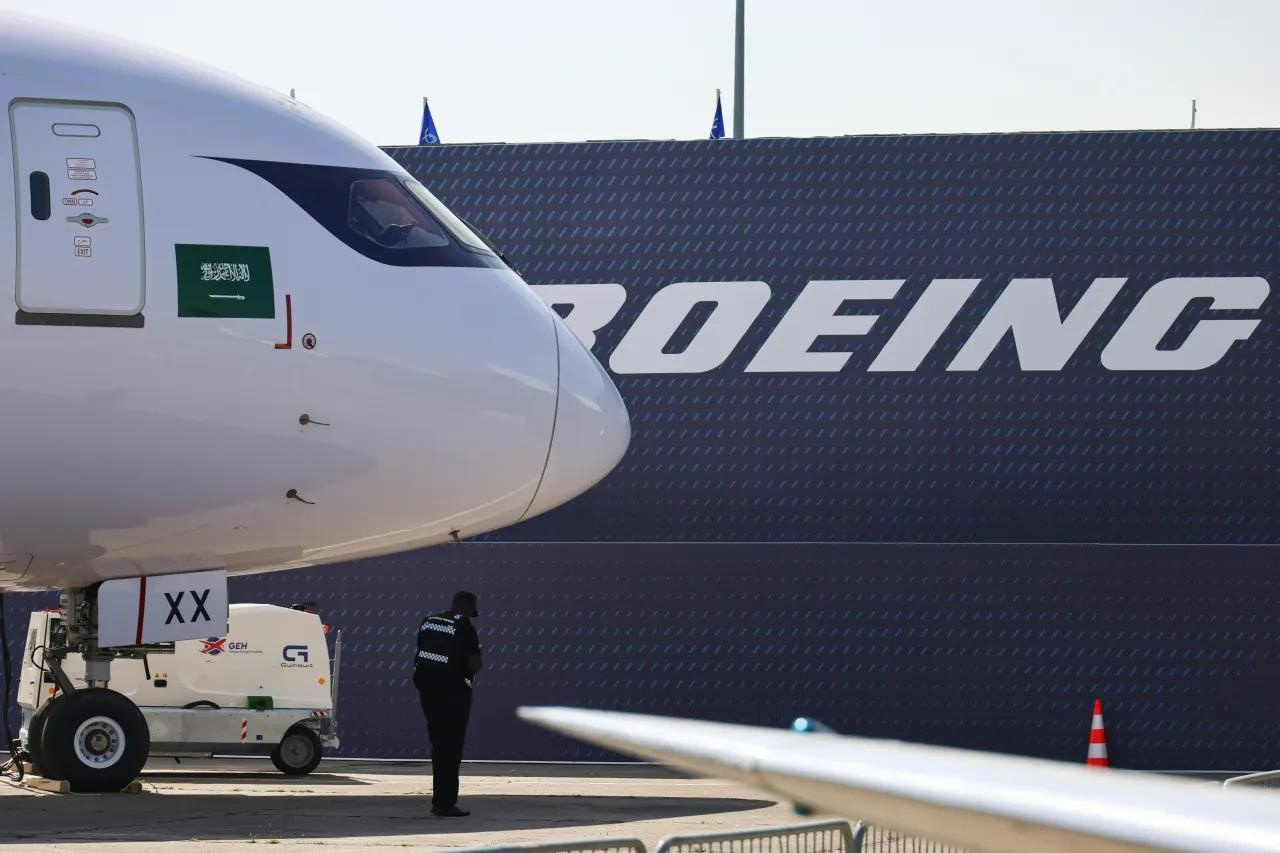
Government Moves Forward with Boeing Purchase, Considers Airbus Leasing
SkyHope Appoints Aviation Industry Leader to Board
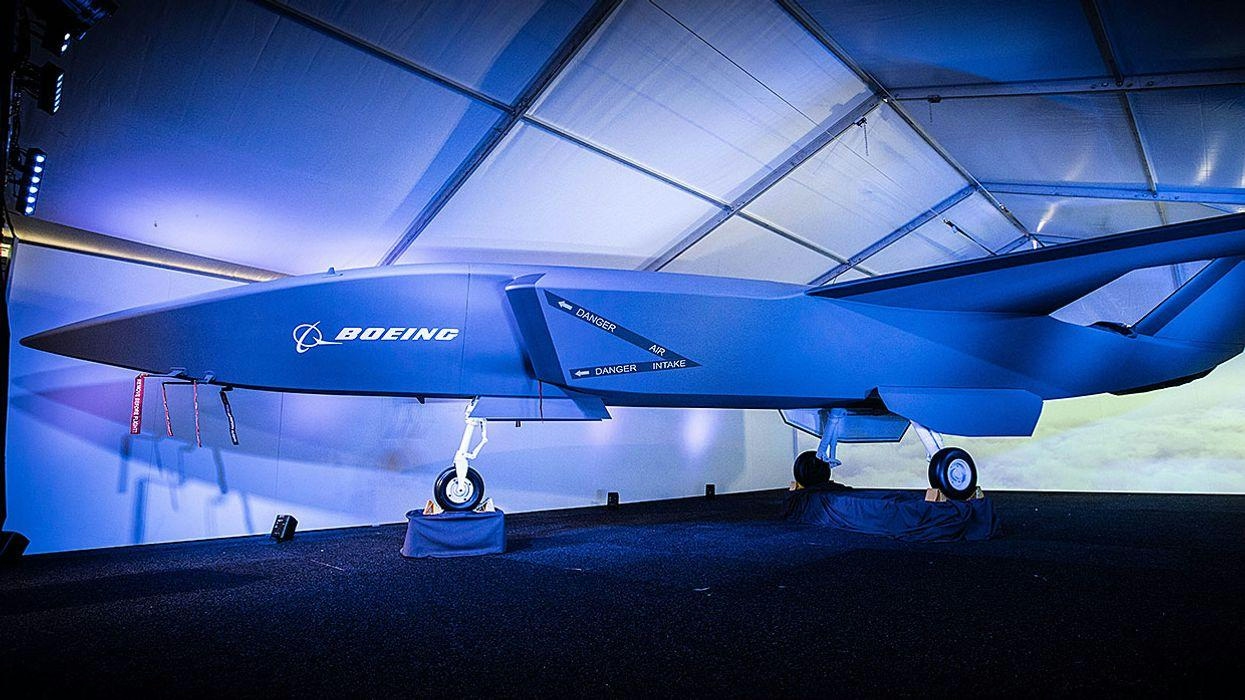
The Challenges of Certifying Autonomous Aircraft
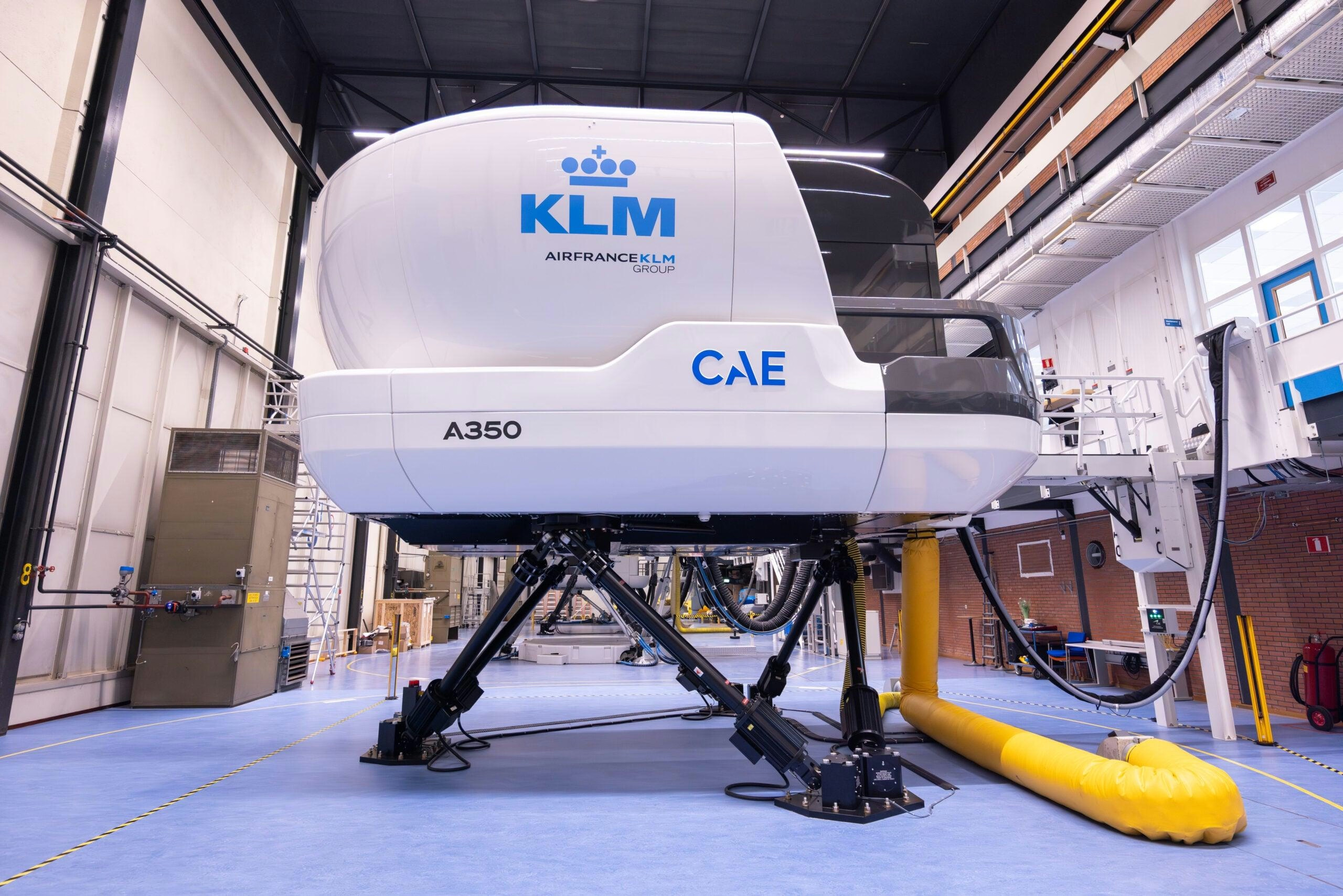
KLM to Receive First Airbus A350, Announces Initial Routes
Saxon Air Receives Clean and Green Energy Innovation Award
How BEB Tax Policies Impact Airlines’ International Leasing Contracts
Indonesia’s Danantara and Mandiri Partner with SMBC to Launch $800 Million Aviation Leasing Fund
South Korea’s SUM Air Places Order for New ATR Aircraft
