
AeroGenie — 您的智能副驾驶。

热门趋势
Categories
China Develops General Aviation Turboprop Engine
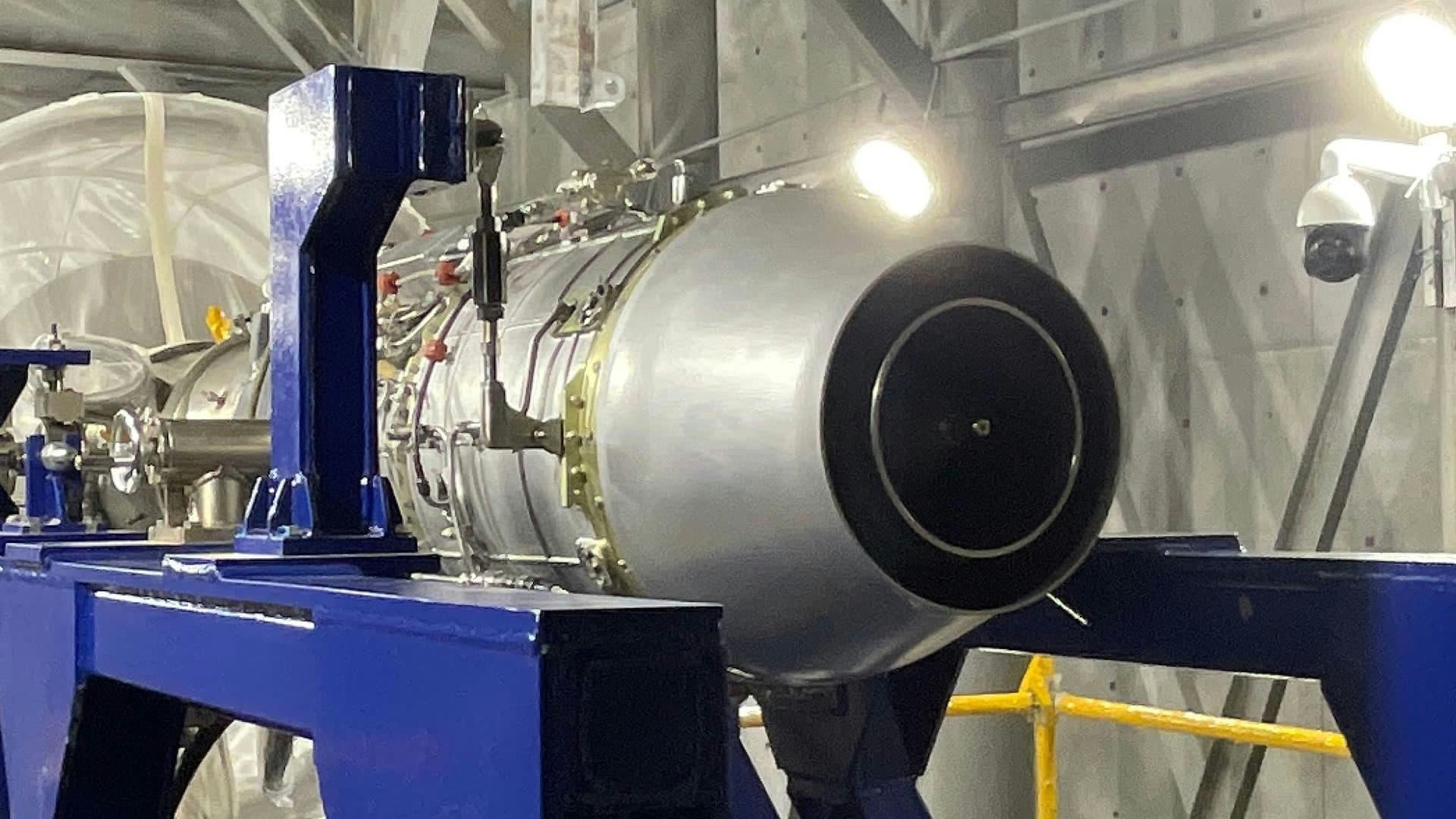
China Develops New Turboprop Engine for General Aviation
AEP20: A Potential Game-Changer in Light Aircraft Propulsion
A Chinese aerospace company has introduced a new small turboprop engine designed to replace high-performance piston engines in light aircraft and drones, signaling a notable development in the general aviation (GA) sector. The Aero Engine Corporation’s AEP20 delivers approximately 320 horsepower while weighing only one-third as much as comparable gasoline engines. According to company representatives, the engine is engineered to last twice as long as traditional piston counterparts, offering a compelling combination of power, weight reduction, and durability.
Xie Li, spokesperson for the Hunan Aviation Powerplant Research Institute, which is collaborating on the project, emphasized the market demand for the AEP20. “We have seen great potential in the new type in the market. Many aircraft makers have reached out to us to discuss their intent to buy it,” Xie stated. The engine is scheduled for its maiden flight on a drone next year, with significant interest anticipated from GA aircraft manufacturers seeking alternatives to conventional piston engines.
Market Prospects and Certification Challenges
Priced at approximately $170,000, the AEP20 is roughly twice as expensive as the most popular high-performance piston engines. However, Aero Engine Corporation asserts that the operating cost per hour could be comparable due to the engine’s enhanced efficiency and extended service life. The company has already secured a substantial order from a drone manufacturer, involving the purchase of “hundreds” of engines valued at around $99 million.
Despite these promising developments, the AEP20 faces critical challenges before entering widespread service. Achieving international certification remains a primary hurdle, with the company targeting certification by 2026 and commercial deployment the following year. Industry experts highlight that successful certification will be essential for the engine’s acceptance in global markets and its broader adoption.
Implications for the Global General Aviation Market
The introduction of the AEP20 is expected to intensify competition within the turboprop trainer and light aircraft segments. Reports indicate that the United Arab Emirates is considering the engine as a potential replacement for its existing fleet, underscoring growing international interest. This development may prompt established manufacturers to accelerate their own propulsion technology initiatives. For instance, Airbus is actively exploring future engine and wing technologies, while GE Aerospace continues to advance propulsion systems such as the F110 engine, recently selected for Shield AI’s X-Bat drone.
As China advances the AEP20 project, the global general aviation market could witness increased innovation and competition, driven by the pursuit of more efficient and durable alternatives to traditional piston engines.
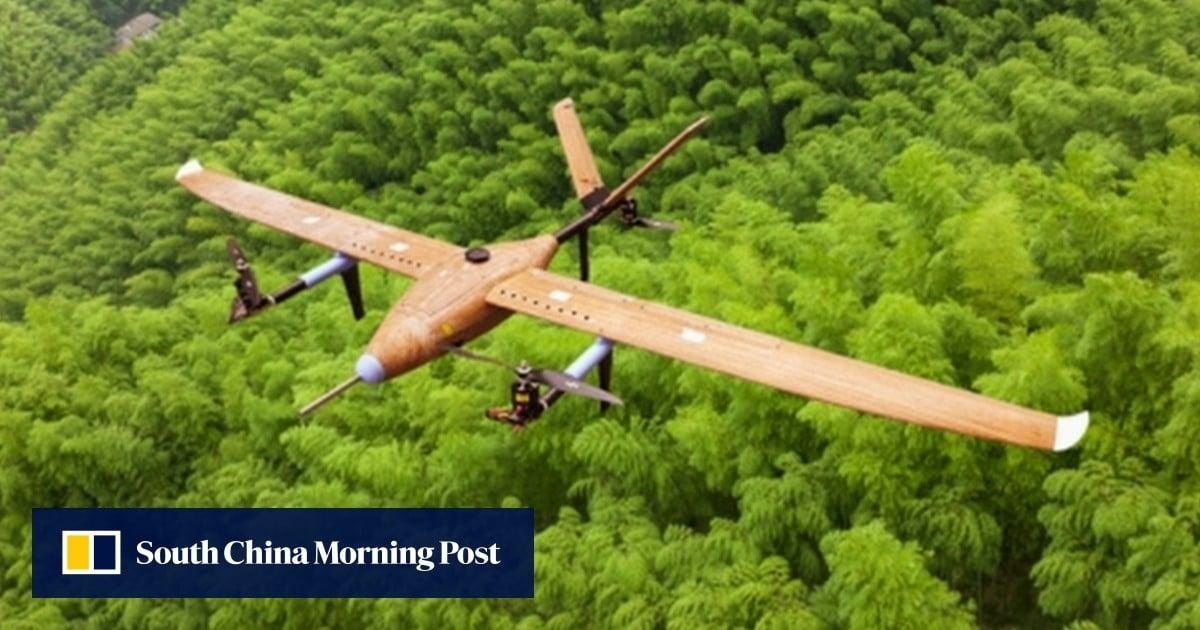
Chinese Team Develops First Flight Control Software for Bamboo Drones
SkyHope Appoints Aviation Industry Leader to Board
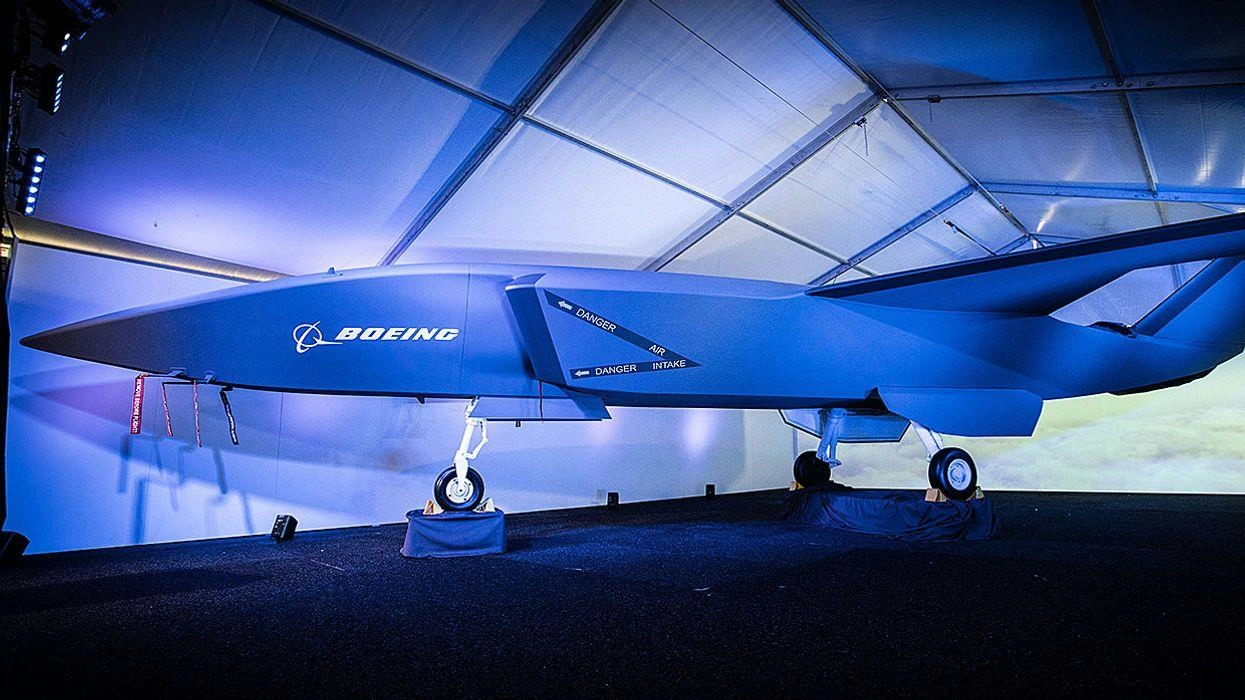
The Challenges of Certifying Autonomous Aircraft
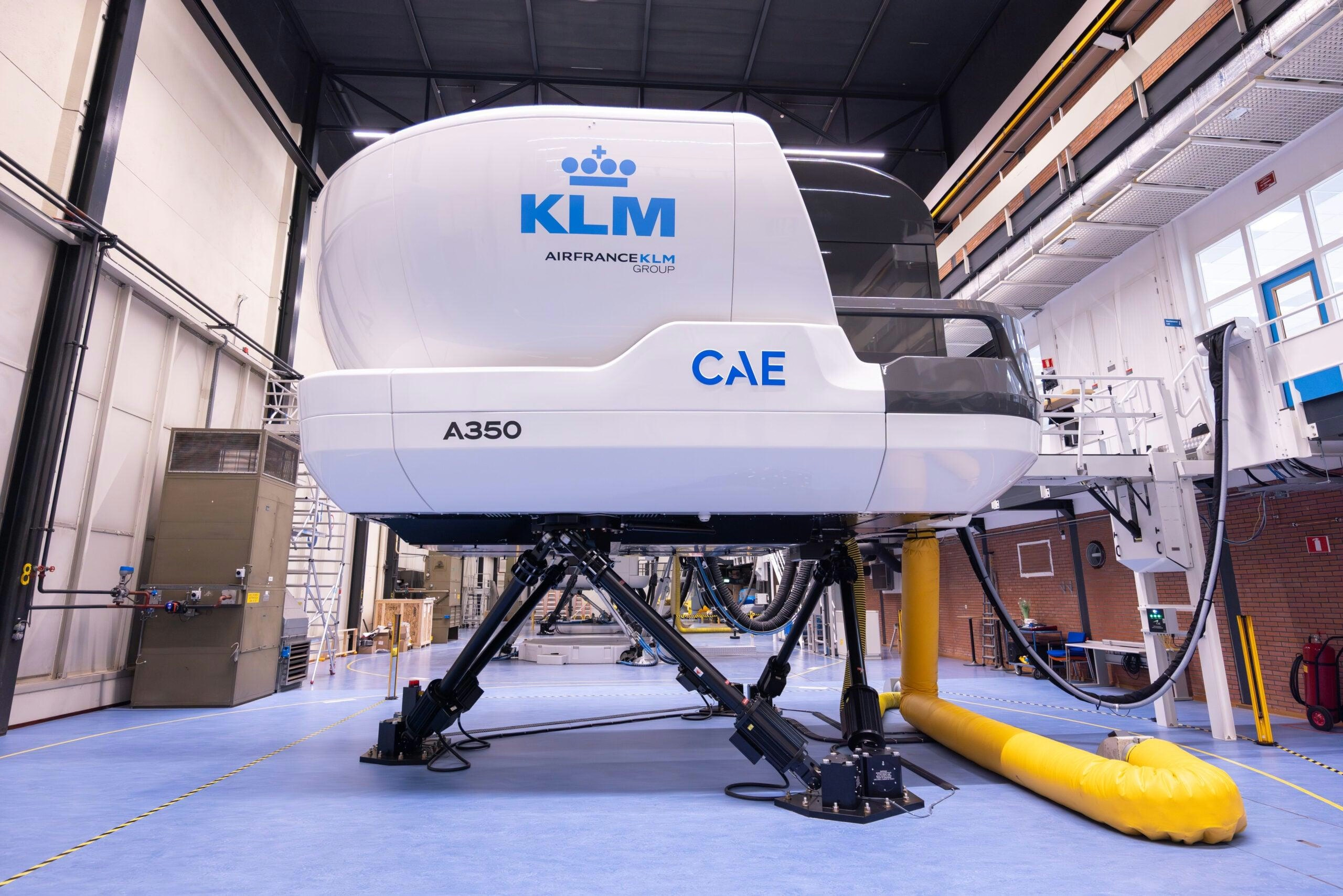
KLM to Receive First Airbus A350, Announces Initial Routes
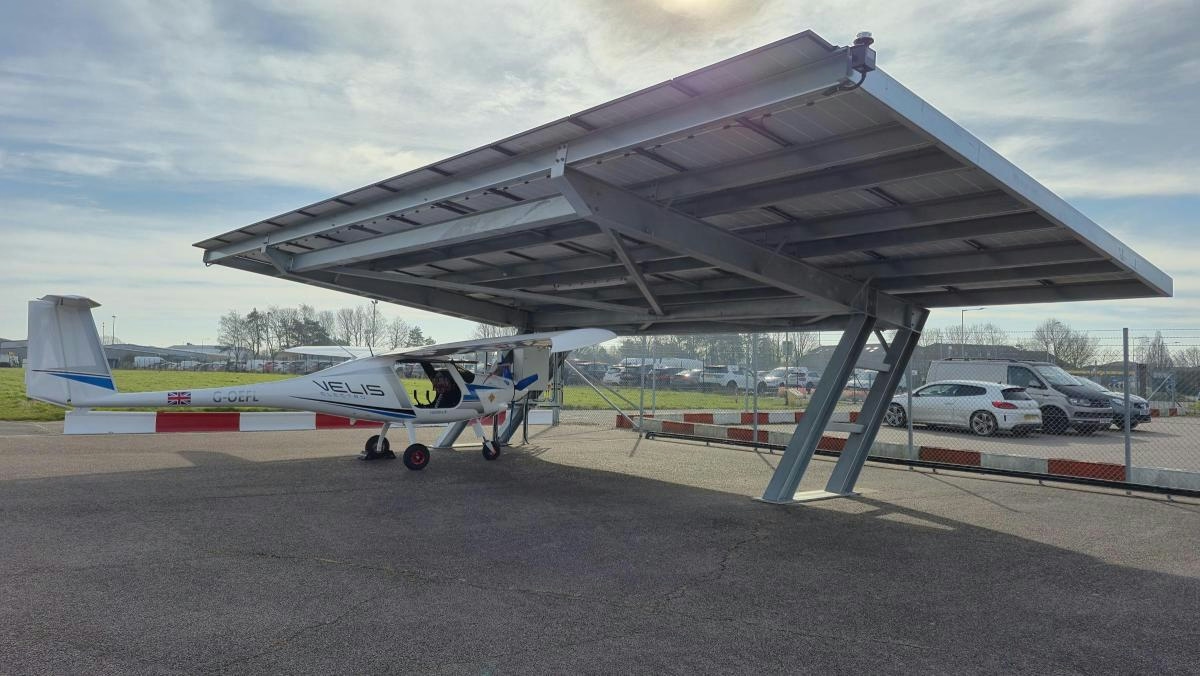
Saxon Air Receives Clean and Green Energy Innovation Award
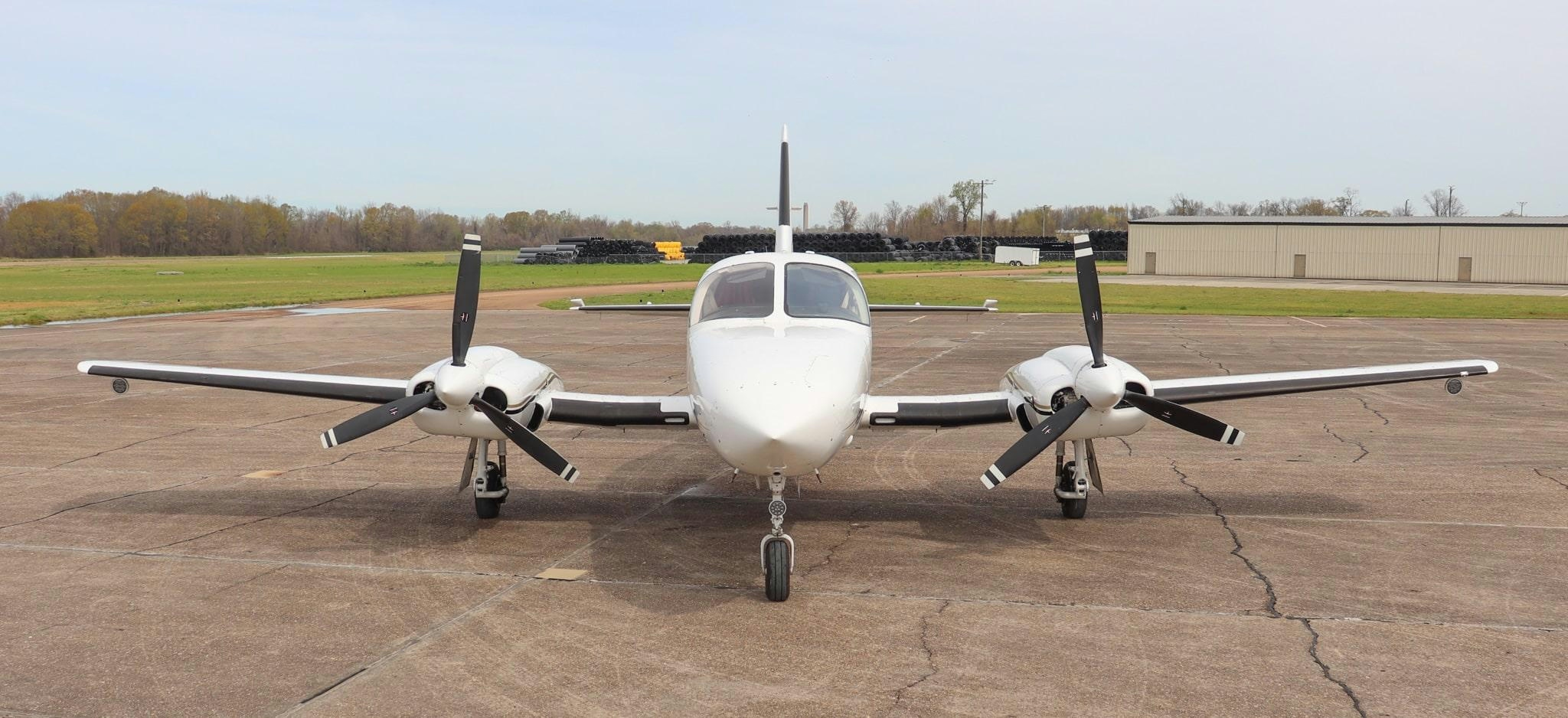
How BEB Tax Policies Impact Airlines’ International Leasing Contracts

Indonesia’s Danantara and Mandiri Partner with SMBC to Launch $800 Million Aviation Leasing Fund

South Korea’s SUM Air Places Order for New ATR Aircraft
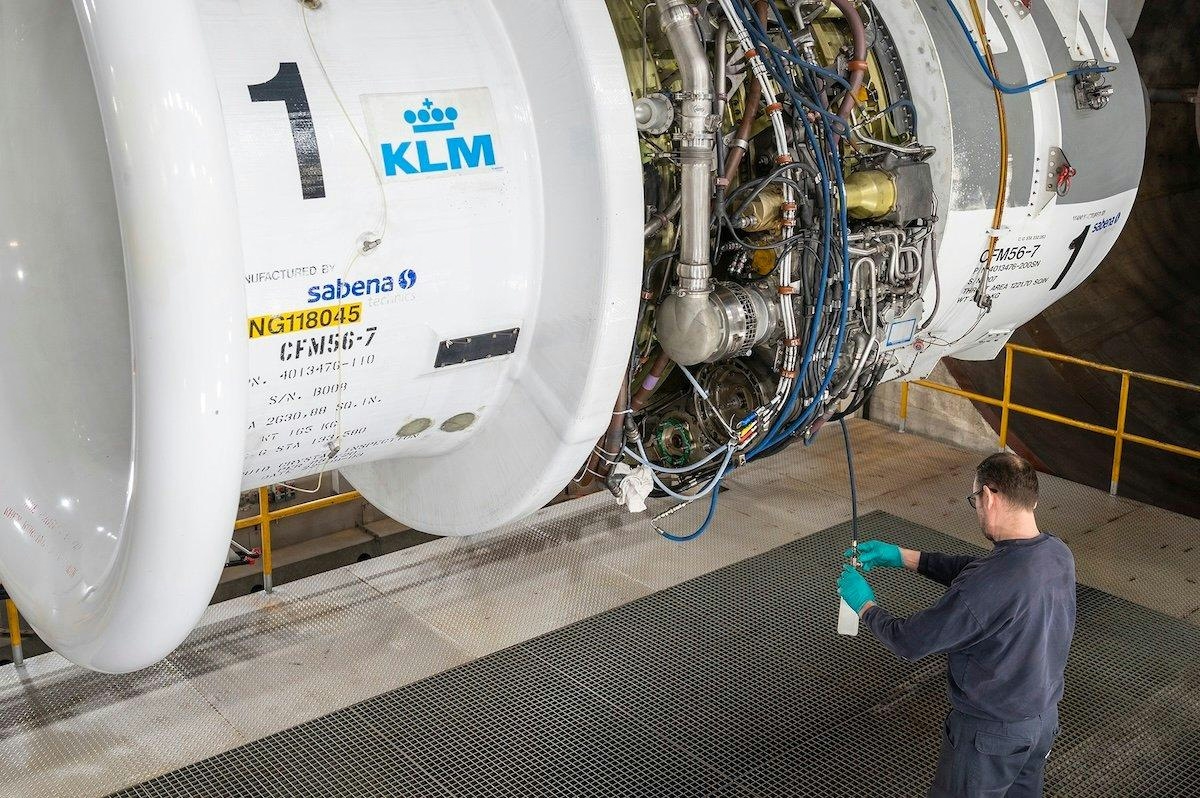
Benoît Rollier Named Vice President of KLM Engine Service
Azorra Expands Engine Portfolio Through Deal with DAE
