
AeroGenie — 您的智能副驾驶。

热门趋势
Categories
Austrian Airlines Suspends Shanghai Flights for Boeing 787 Crew Training
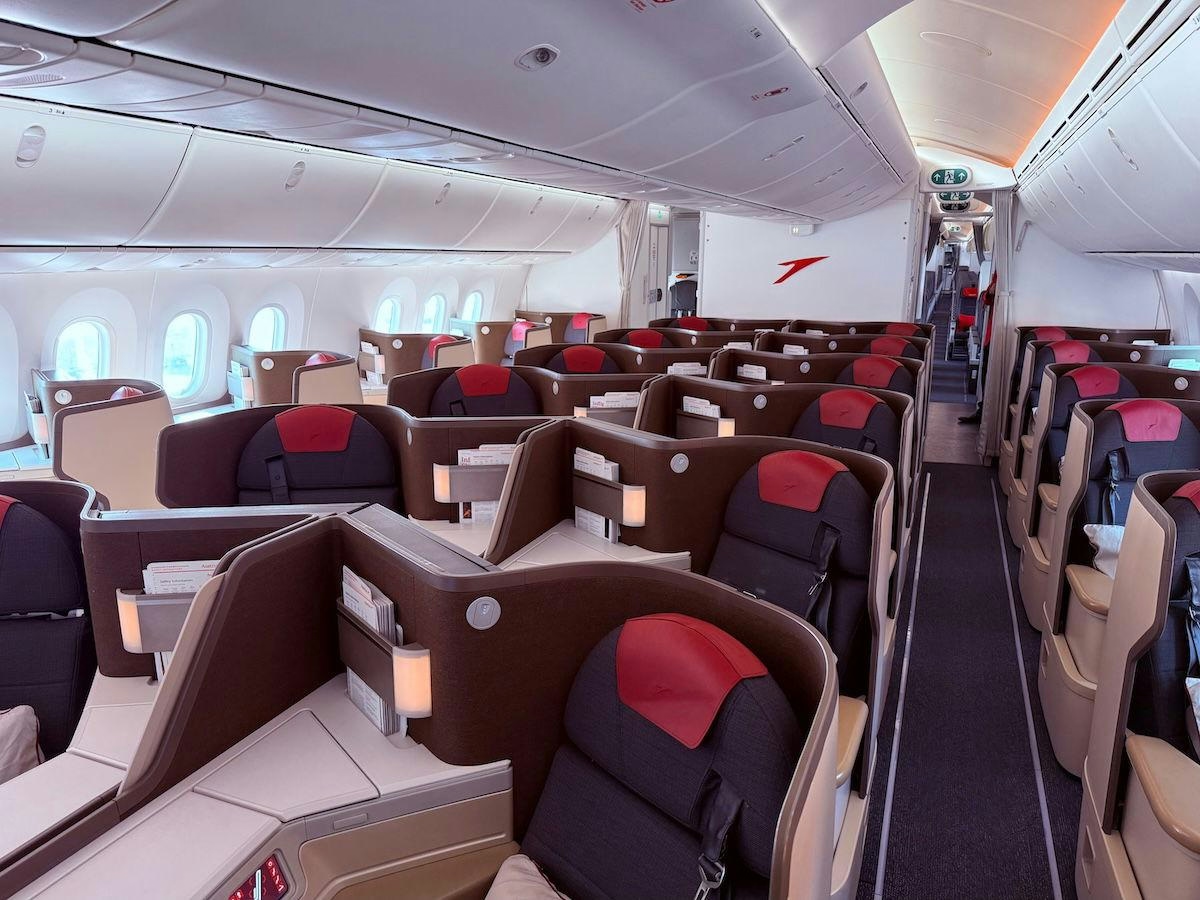
Austrian Airlines Suspends Shanghai Flights to Accelerate Boeing 787 Crew Training
Austrian Airlines has announced a temporary suspension of its Vienna–Shanghai service this winter to expedite crew training for its new Boeing 787-9 fleet. The pause, scheduled from November 29, 2026, to February 21, 2027, coincides with the traditionally lower demand during the winter months and forms part of the airline’s broader strategy to modernize its fleet.
Operational Adjustments and Strategic Implications
Currently, the Shanghai route is Austrian Airlines’ sole direct connection to China and is operated using Boeing 777 aircraft. The suspension was initially revealed through recent schedule filings and subsequently confirmed by the airline. Austrian cited both the seasonal dip in passenger demand and the necessity to allocate aircraft and crew resources toward intensive training on the 787-9. At present, the airline operates two Boeing 787-9s, with plans to expand the fleet to 12 by 2028 as it phases out older Boeing 767 and 777 models.
While Austrian Airlines underscores the strategic importance of the Shanghai market, the temporary halt may introduce operational challenges. Competitors could exploit the gap by adjusting their schedules or targeting Austrian’s market share. Within the Lufthansa Group, SWISS has already scaled back its Shanghai service from daily flights to three per week this summer. Austrian, meanwhile, intends to increase its flight frequency to six weekly services during peak seasons, up from five last year. Despite these adjustments, the group’s overall presence in Shanghai is being reduced.
Fleet Modernization Amid Industry Challenges
The decision to prioritize crew training for the Boeing 787-9 comes amid heightened scrutiny of the aircraft type. Recent incidents, including an evacuation of a Boeing 787 at Los Angeles International Airport due to a suspected engine fire, have raised safety concerns that may influence passenger confidence and market perceptions. Austrian’s fleet modernization plan remains ambitious, with ten additional 787-9s expected to be delivered over the next two years. The third aircraft is slated to enter commercial service in June, primarily operating on the New York–Newark route.
This strategic move aligns with broader industry trends, as airlines worldwide recalibrate their networks in response to shifting demand patterns and geopolitical tensions. For instance, Air Astana recently redeployed capacity to Asian routes amid the Iran conflict, illustrating the need for flexibility in route planning. Austrian Airlines is likely to face similar logistical and strategic challenges as it manages the suspension and eventual resumption of its Shanghai service.
Despite the temporary suspension, Austrian Airlines affirms that Shanghai will remain a key destination. The airline plans to restore and potentially increase flight frequencies following the winter training period. Its continued investment in next-generation aircraft aims to strengthen its competitive position, even as it navigates the immediate operational and market challenges posed by the suspension.
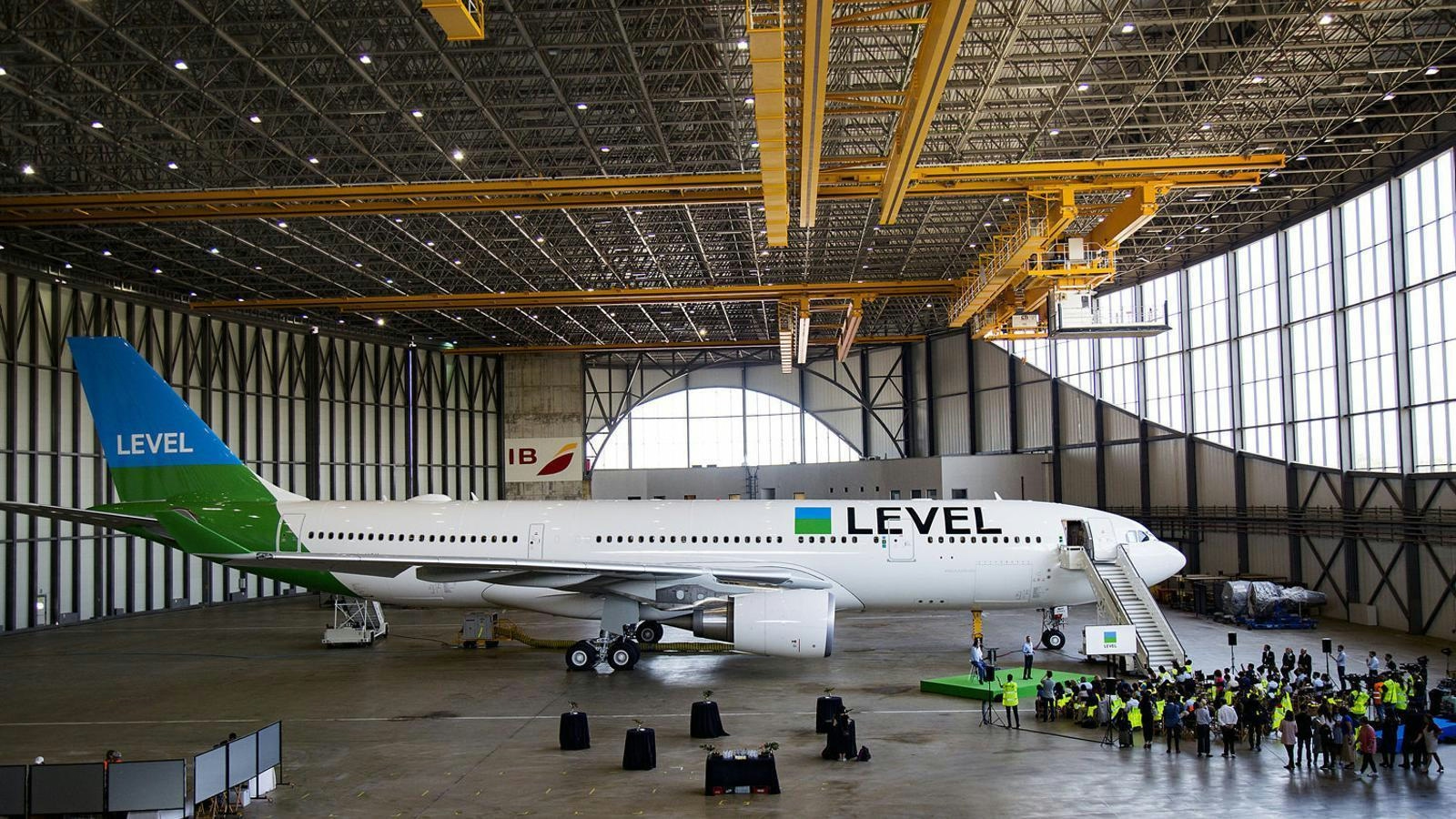
LEVEL Suspends San Francisco Flights Due to Engine Shortage
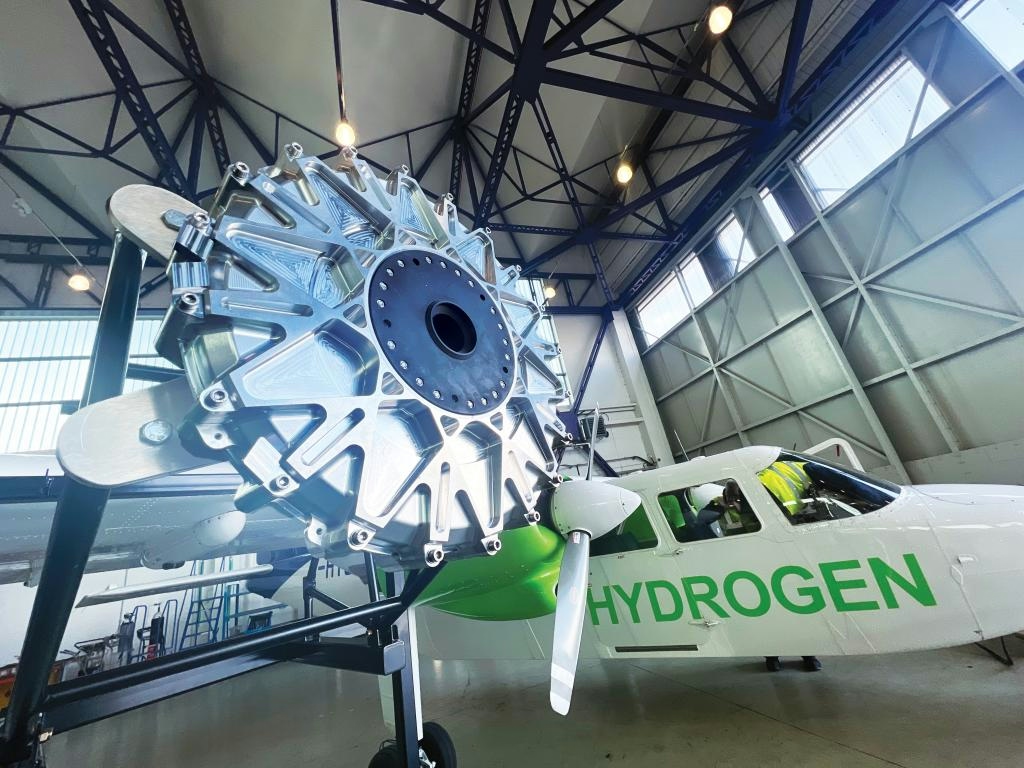
China Conducts First Flight Test of Megawatt Hydrogen Turboprop Engine

Oklahoma’s Aerospace Industry Expands and Its Impact on the State Economy
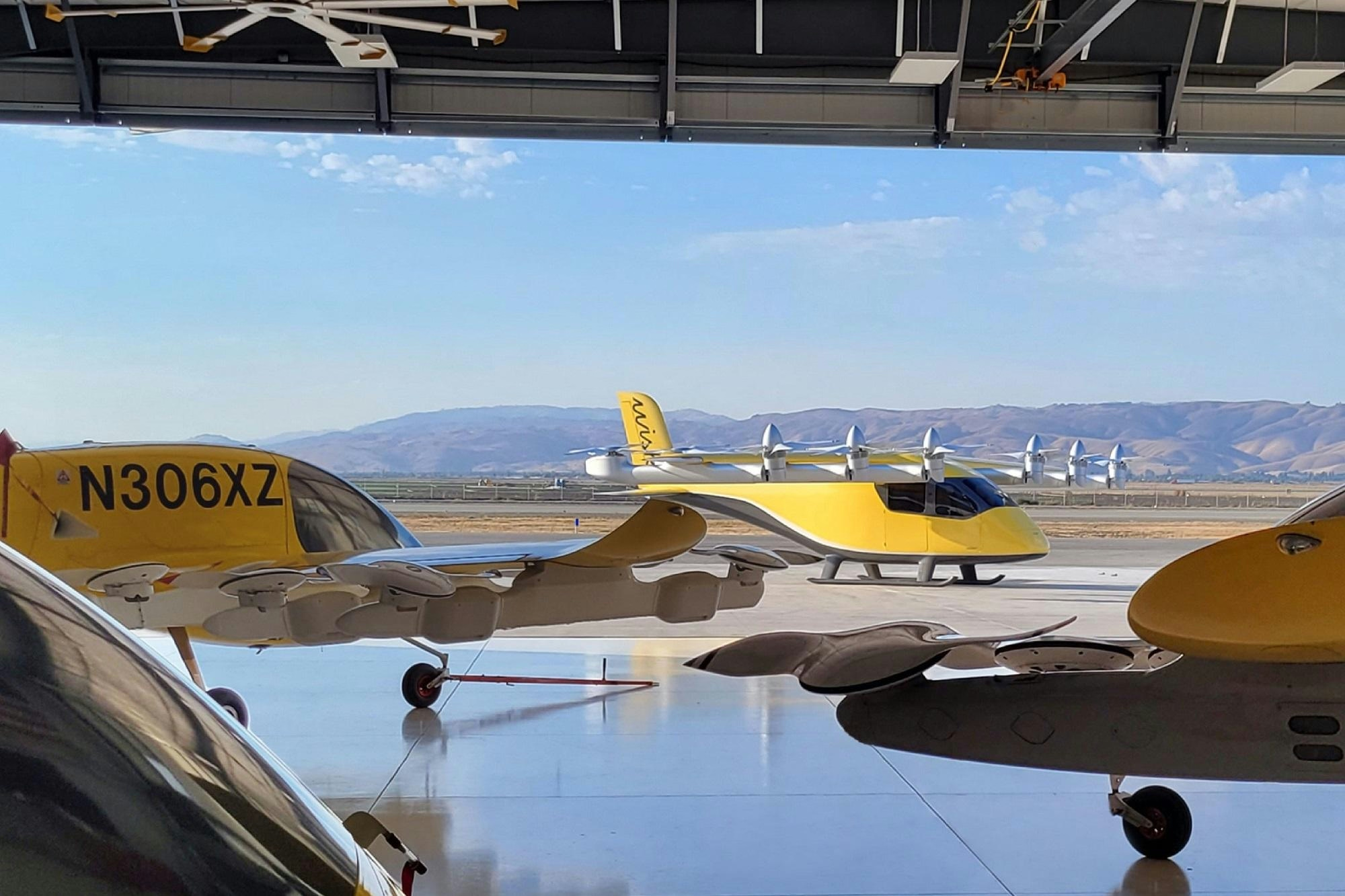
Archer Aviation Confronts Setbacks Amid Declining Air Taxi Interest

FAA and EASA Mandates to Influence Flight Line Testing Equipment Market Through 2035
Willis Lease Operates as a Leveraged Spread Business with Moderate Returns

Chinese Team Develops First Flight Control Software for Bamboo Drones
Government Moves Forward with Boeing Purchase, Considers Airbus Leasing
SkyHope Appoints Aviation Industry Leader to Board
The Challenges of Certifying Autonomous Aircraft
