
AeroGenie — 您的智能副驾驶。

热门趋势
Categories
Airlines Accelerate Digital Transformation in Travel

Airlines Accelerate Digital Transformation in Travel
The aviation industry is experiencing a swift and profound digital transformation as airlines strive to modernize their operations. Legacy systems, inflexible loyalty programs, and fragmented processes are increasingly being replaced by integrated and scalable digital platforms tailored to the evolving demands of contemporary air travel. Early adopters of these innovations are positioned to establish industry benchmarks for the coming decade, harnessing technology to improve operational efficiency and enhance the passenger experience.
The Emergence of Smart Airlines
A recent report by Skift and Riyadh Air highlights the rise of "smart airlines," identifying five critical areas where digitization is poised to redefine the travel experience. This report functions as a strategic framework for airline executives, industry stakeholders, and policymakers, emphasizing that comprehensive system-wide innovation will be essential for maintaining competitiveness in an increasingly digital travel economy.
Challenges in Implementation
Despite the promising outlook, the journey toward digital transformation presents significant challenges. Integrating new digital platforms with entrenched legacy systems remains a complex and resource-intensive endeavor. Airlines must also place a strong emphasis on cybersecurity to defend against increasingly sophisticated cyber threats. Furthermore, the substantial costs associated with technology upgrades and extensive staff training can impose financial pressures and slow the pace of implementation.
Industry and Market Responses
Market reactions to these transformative efforts have been varied. Traditional investors often express reservations due to the considerable upfront capital required for digital overhauls. In response, competitors are adopting diverse strategies: some are accelerating their digital initiatives to enhance customer engagement, while others are forming partnerships with technology firms to co-develop innovative solutions.
As airlines confront these obstacles, the ongoing shift toward digital transformation is expected to reshape not only internal operations but also the broader travel experience for passengers. The coming years are likely to witness increased collaboration, the deployment of smarter systems, and a reimagined approach to customer service, laying the groundwork for a more connected and resilient future in air travel.

Oklahoma’s Aerospace Industry Expands and Its Impact on the State Economy
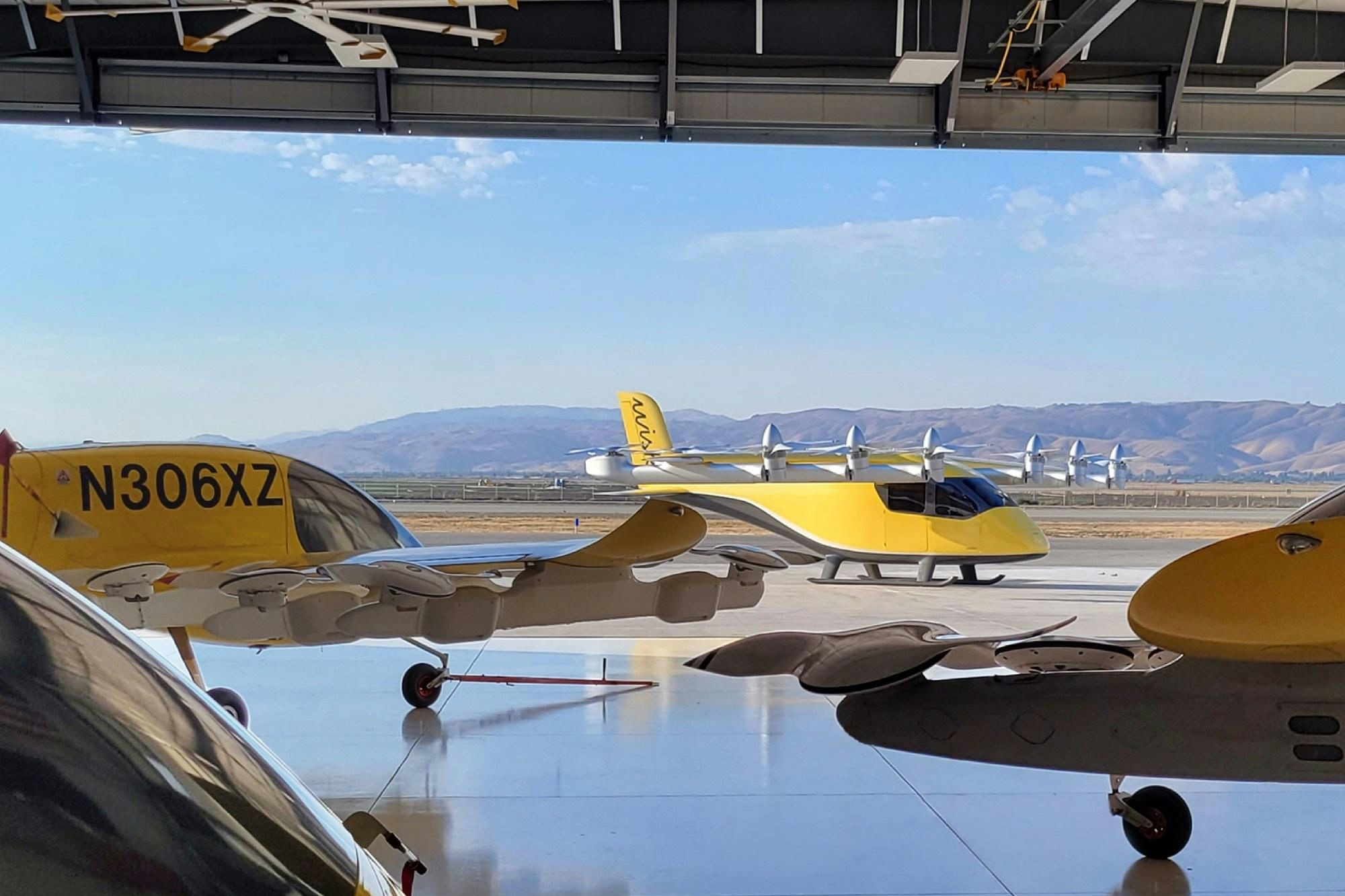
Archer Aviation Confronts Setbacks Amid Declining Air Taxi Interest

FAA and EASA Mandates to Influence Flight Line Testing Equipment Market Through 2035
Willis Lease Operates as a Leveraged Spread Business with Moderate Returns

Chinese Team Develops First Flight Control Software for Bamboo Drones
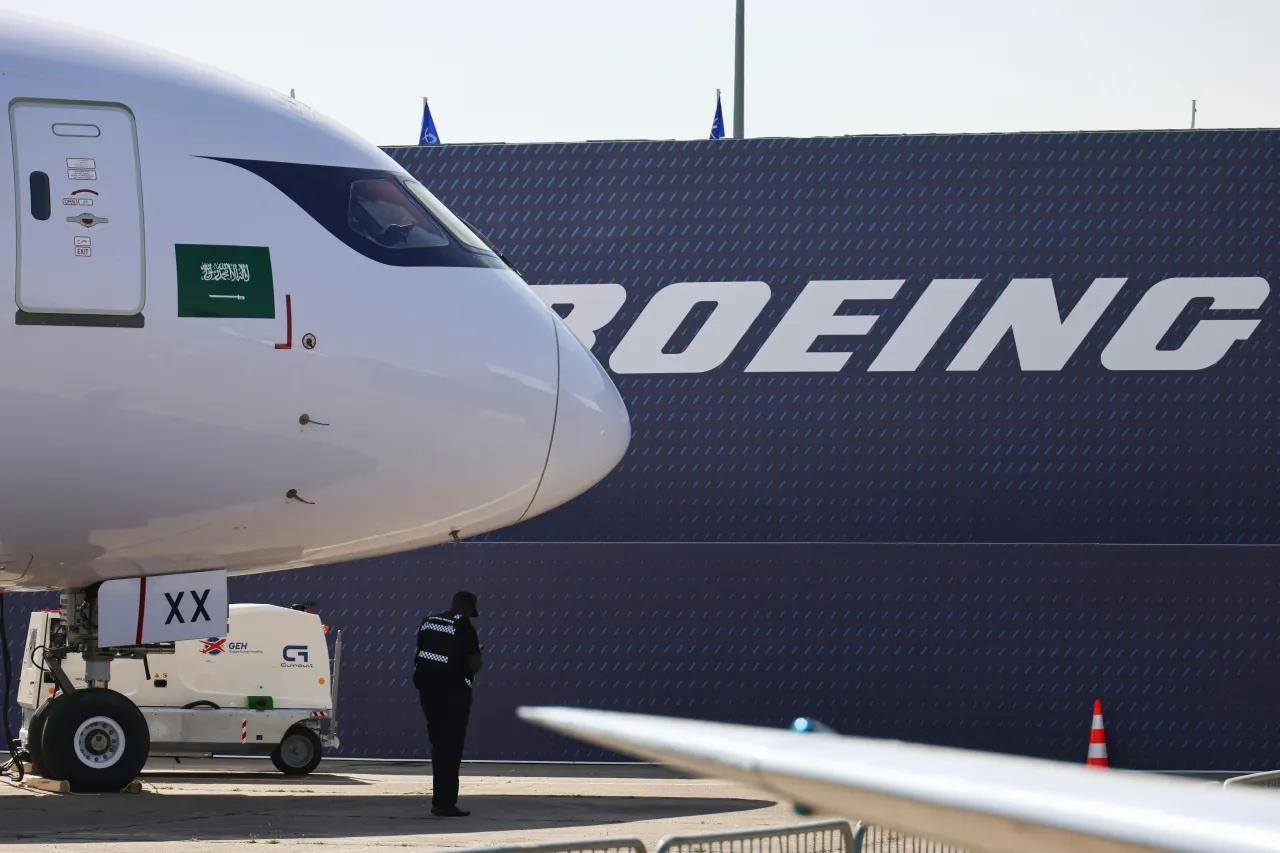
Government Moves Forward with Boeing Purchase, Considers Airbus Leasing
SkyHope Appoints Aviation Industry Leader to Board
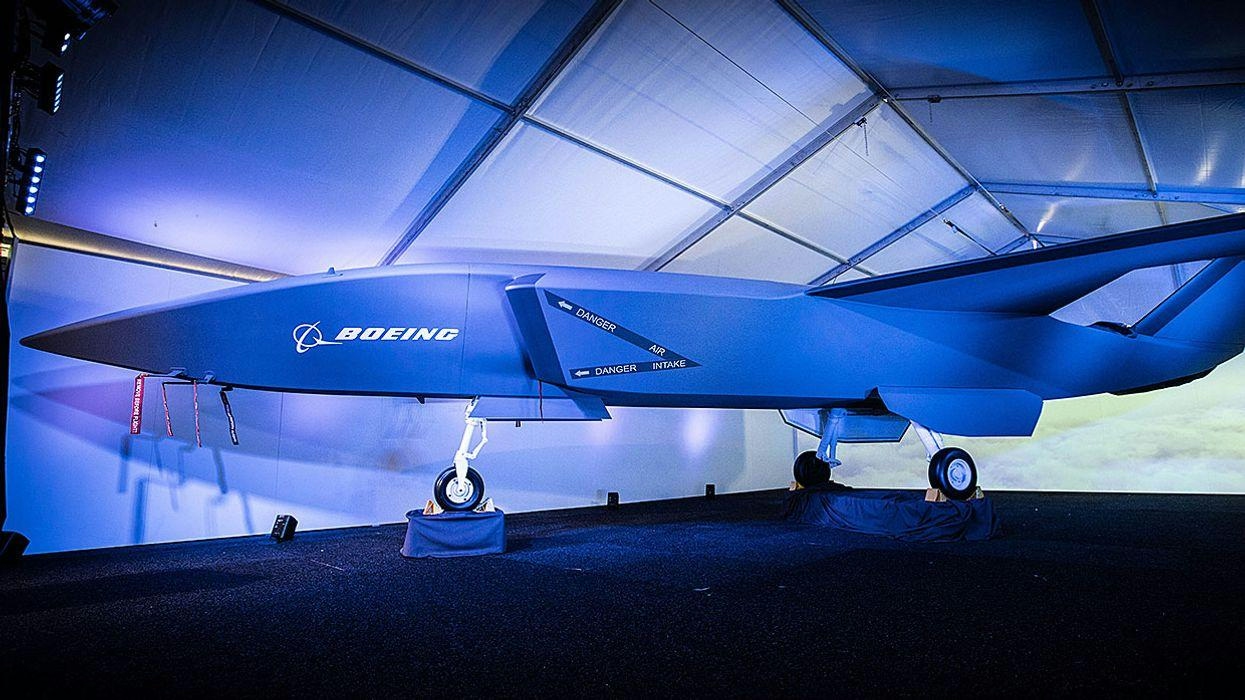
The Challenges of Certifying Autonomous Aircraft
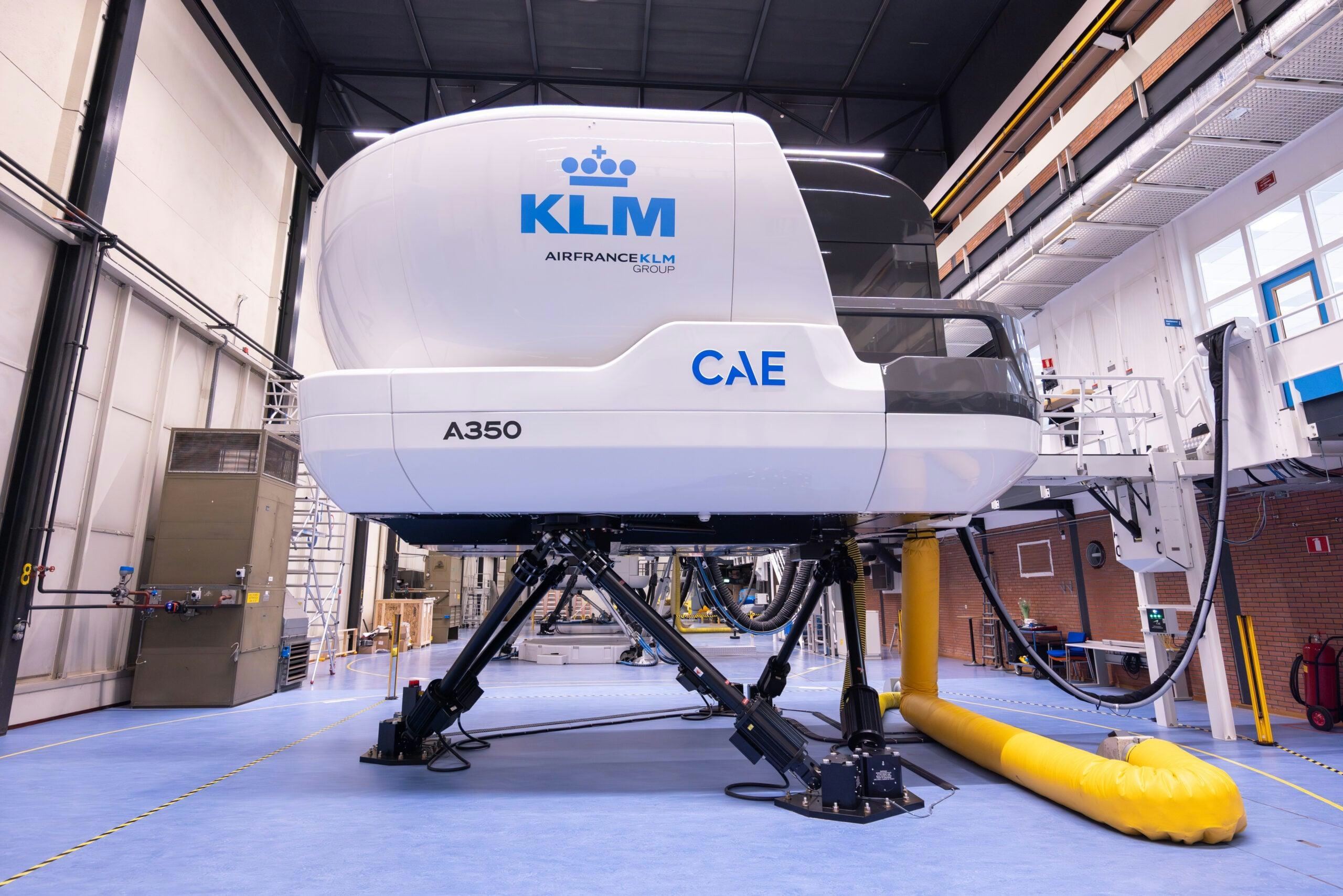
KLM to Receive First Airbus A350, Announces Initial Routes
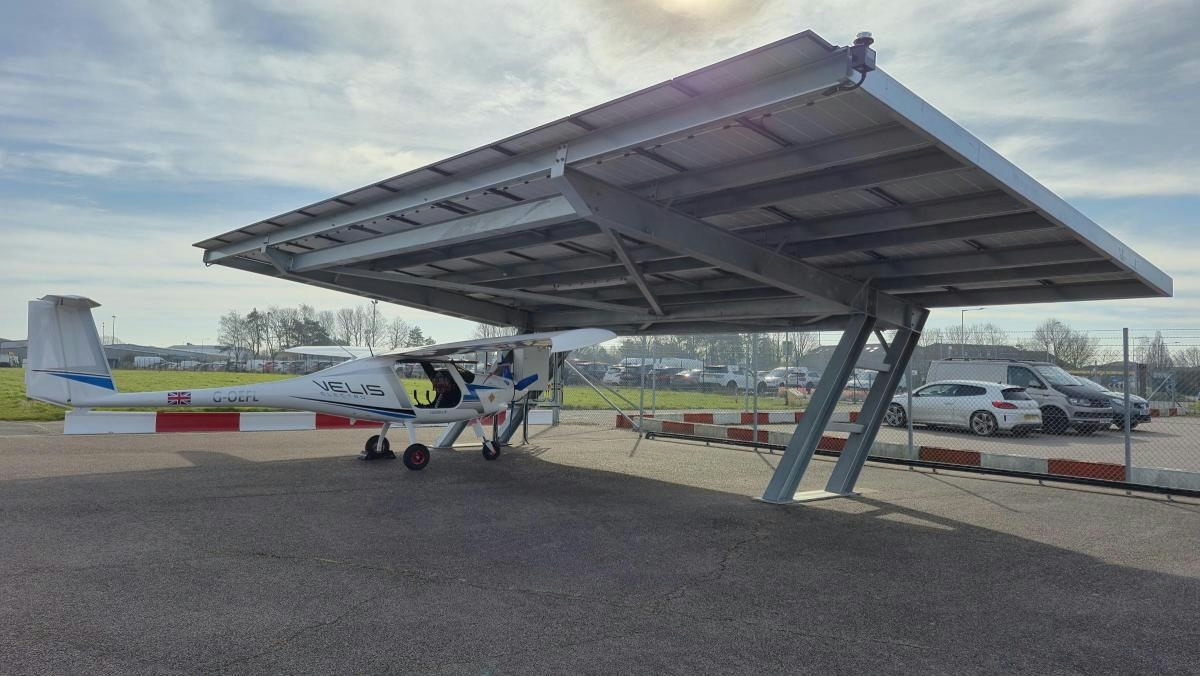
Saxon Air Receives Clean and Green Energy Innovation Award
