
AeroGenie — Ваш интеллектуальный второй пилот.

В тренде
Categories
Russia and China Seek Cooperation in AI and Aviation Electronics
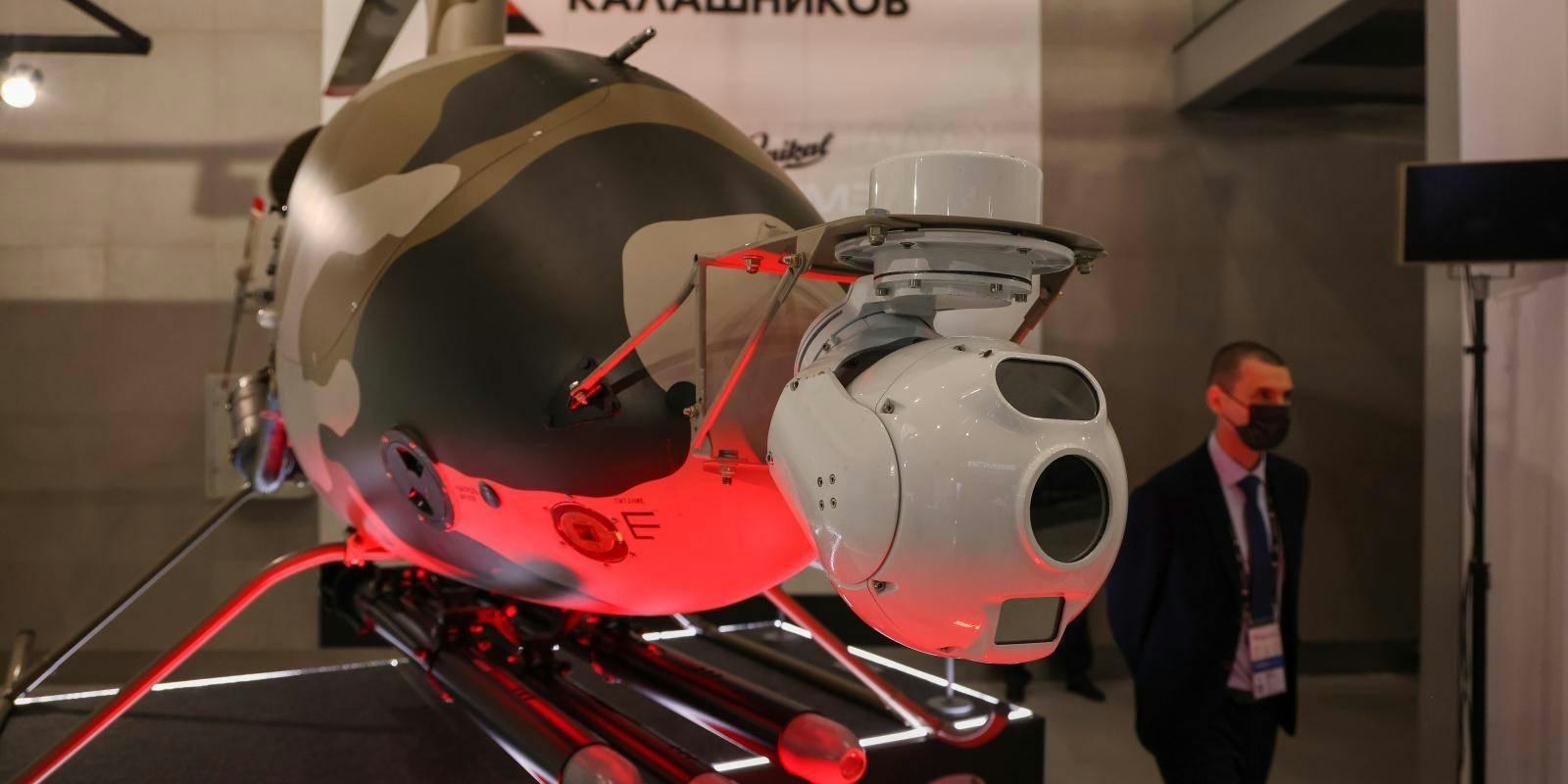
Russia and China Seek Cooperation in AI and Aviation Electronics
Expanding High-Tech Collaboration
A senior Chinese diplomat recently underscored the expanding opportunities for cooperation between China and Russia in several advanced technology sectors, including information technology, artificial intelligence (AI), microelectronics, semiconductors, and civil aircraft manufacturing. Speaking to Izvestia newspaper, the diplomat expressed a strong interest in deepening bilateral engagement, particularly through a Chinese initiative aimed at establishing a global cooperation organization focused on AI. The ambassador highlighted intentions to collaborate on AI development, industrial innovation, workforce training, and management, while also signaling readiness to partner on semiconductor materials, specialized microchip design, advanced manufacturing processes, and equipment development to enhance supply chain stability and security.
Strategic Context and Challenges
This renewed push for technological partnership emerges amid significant challenges for Russia in its quest for AI leadership. The ongoing conflict in Ukraine and the resulting Western sanctions have severely limited Russia’s access to cutting-edge technologies, increasing its dependence on Chinese expertise and resources. This growing reliance raises questions about Russia’s future market position and strategic autonomy within the global technology landscape.
Meanwhile, China continues to advance its AI capabilities, driven by strategic priorities despite official calls for restraint in the military application of AI. Analysts caution, however, that China’s centralized military culture may slow the integration of AI technologies within its defense sector. The evolving partnership between Moscow and Beijing takes place against a backdrop of intensifying global competition, particularly between the United States and China, both of which are heavily investing in AI research and development.
Implications for Global Technology and Supply Chains
Observers are closely monitoring how this collaboration might influence global supply chains, technological standards, and competitive dynamics among leading players in the sector. While official statements from both countries emphasize mutual benefit and shared progress, significant practical challenges remain. Aligning strategic interests and overcoming structural differences will be critical to the success of this partnership as it seeks to reshape the balance of power and innovation in AI and aviation electronics.
LEVEL Suspends San Francisco Flights Due to Engine Shortage
China Conducts First Flight Test of Megawatt Hydrogen Turboprop Engine
Oklahoma’s Aerospace Industry Expands and Its Impact on the State Economy
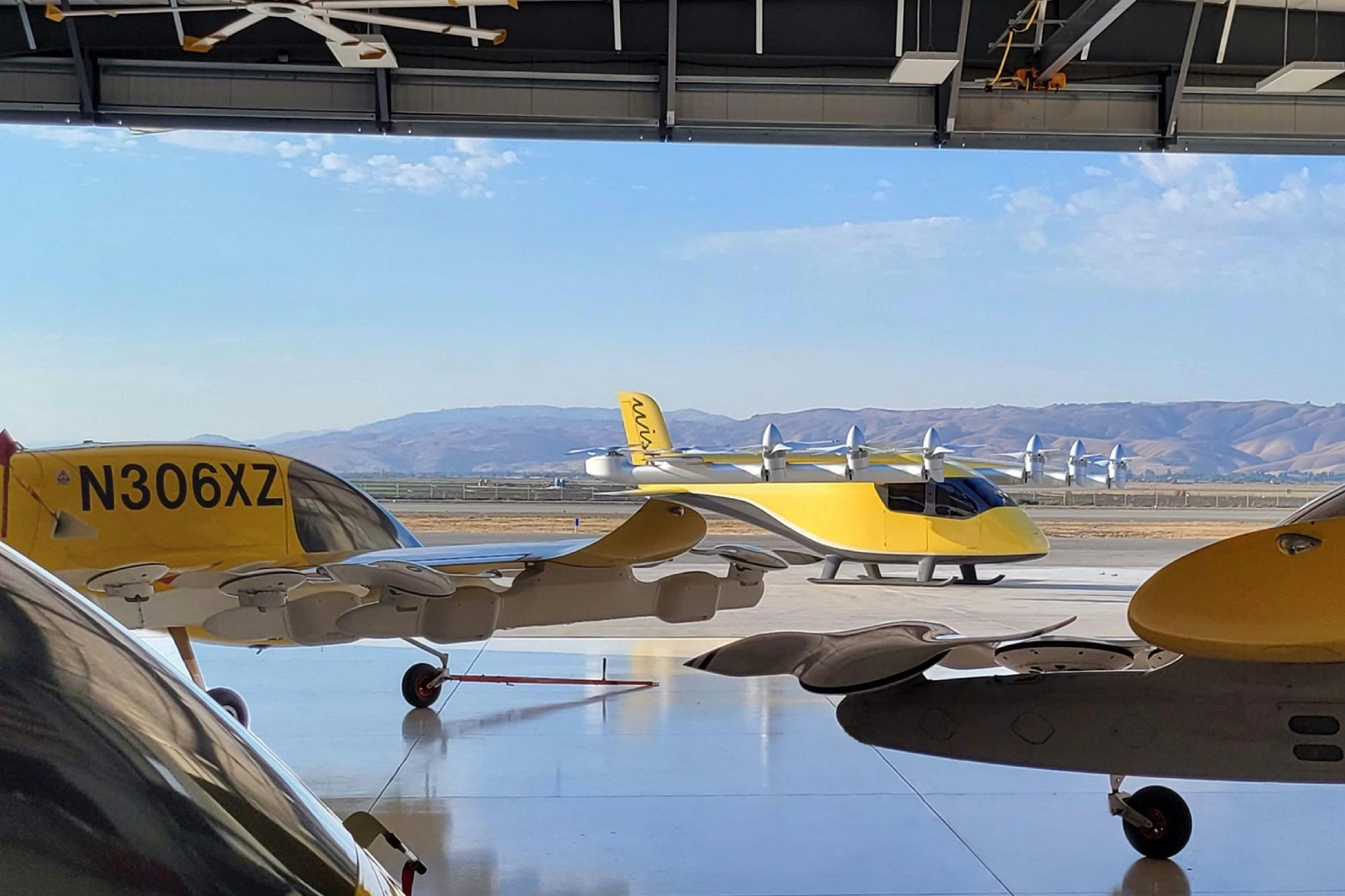
Archer Aviation Confronts Setbacks Amid Declining Air Taxi Interest

FAA and EASA Mandates to Influence Flight Line Testing Equipment Market Through 2035
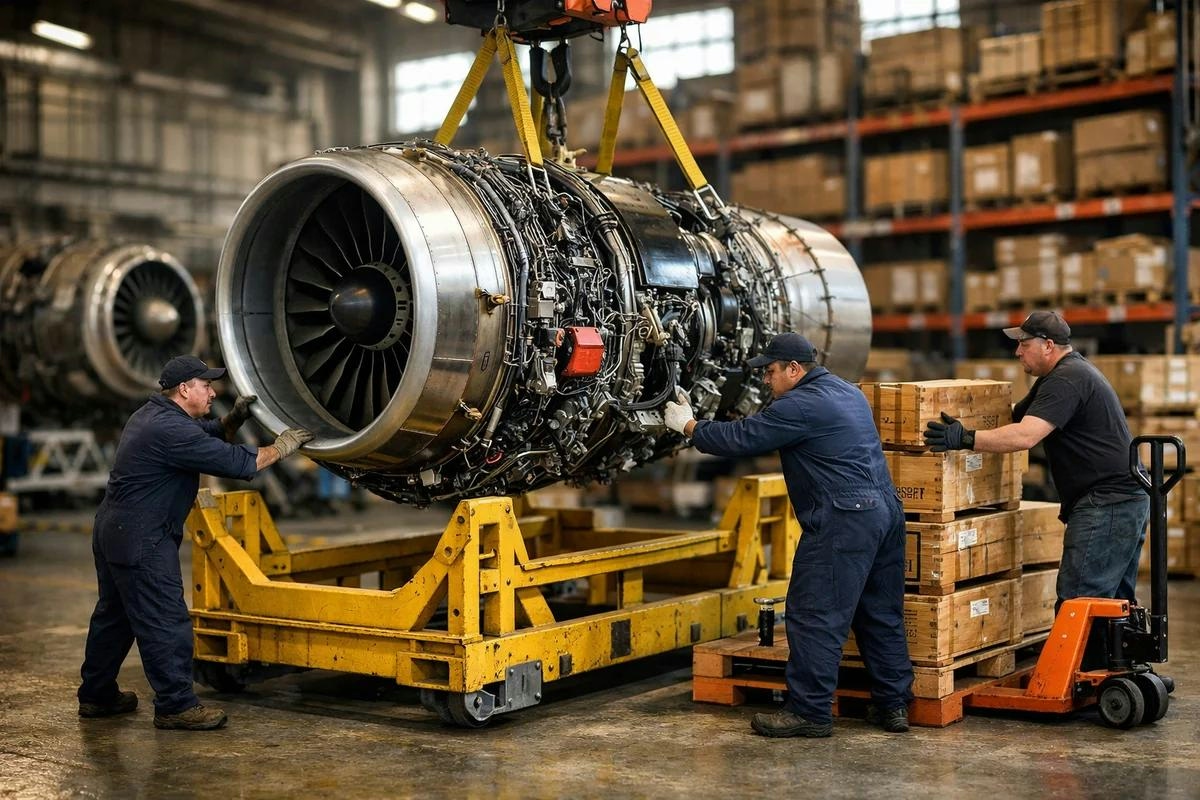
Willis Lease Operates as a Leveraged Spread Business with Moderate Returns
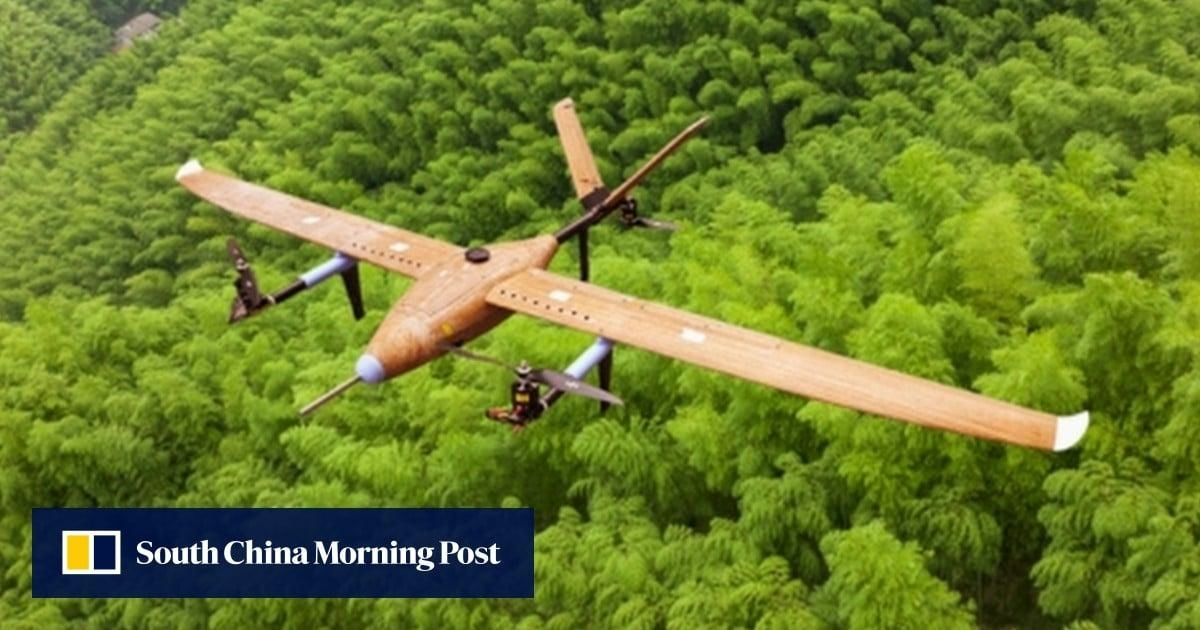
Chinese Team Develops First Flight Control Software for Bamboo Drones
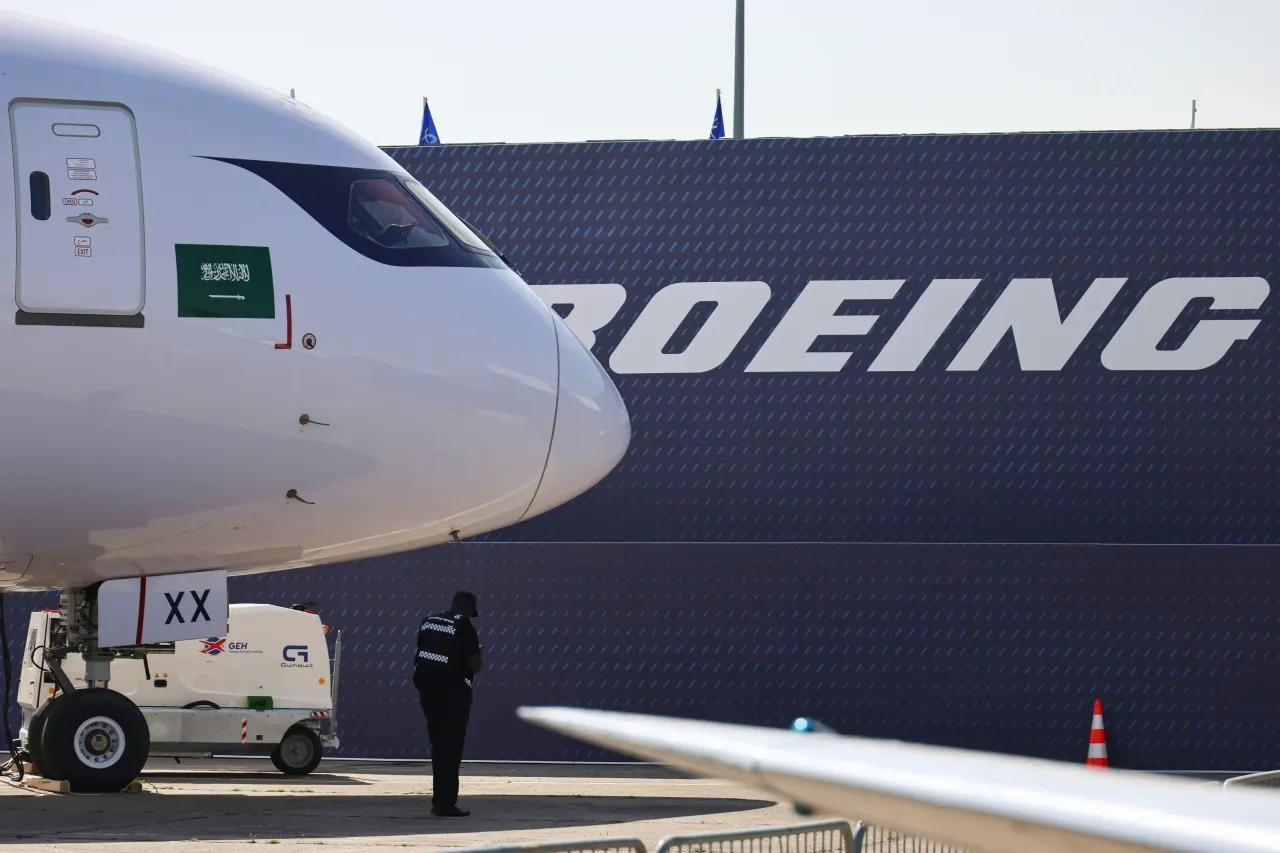
Government Moves Forward with Boeing Purchase, Considers Airbus Leasing
SkyHope Appoints Aviation Industry Leader to Board
The Challenges of Certifying Autonomous Aircraft
