
AeroGenie — Ваш интеллектуальный второй пилот.

В тренде
Categories
Private Equity Expands Role as US Airlines Outsource Aircraft Maintenance
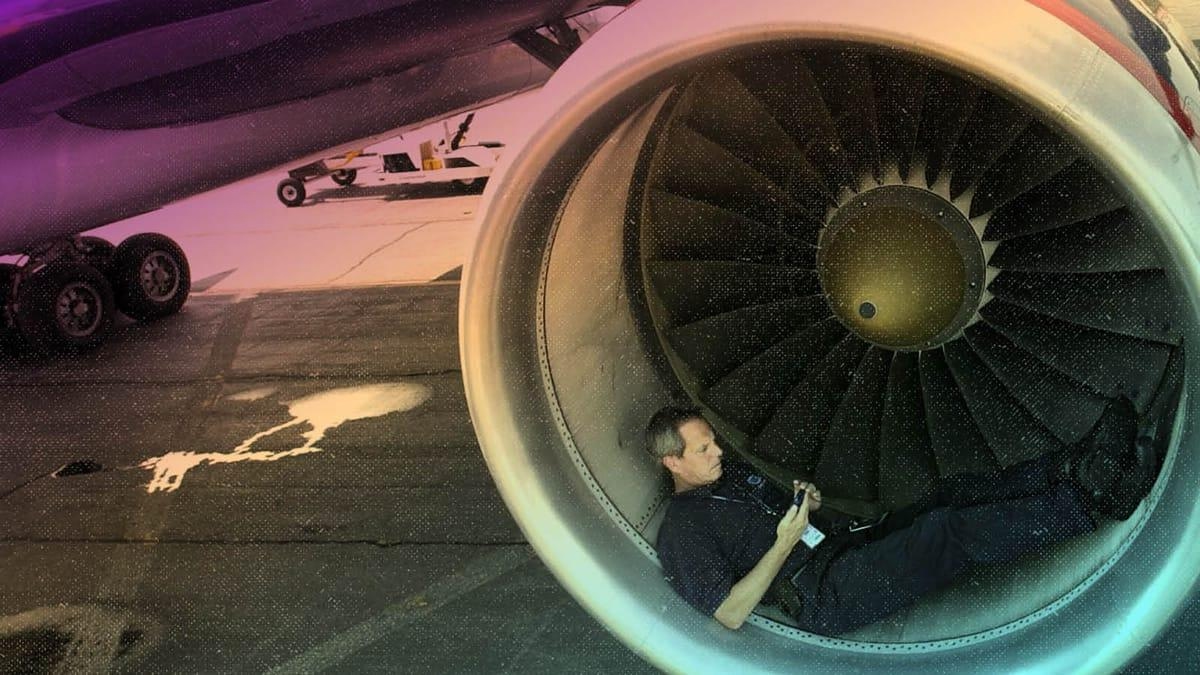
Private Equity Expands Role as US Airlines Outsource Aircraft Maintenance
Growing Influence of Private Equity in Aircraft Maintenance
Private equity firms are increasingly acquiring companies responsible for maintaining and repairing commercial aircraft, a development that has intensified scrutiny of an industry already grappling with oversight and safety concerns. Historically, U.S. airlines managed aircraft inspections and repairs internally, employing dedicated teams of mechanics across numerous facilities nationwide. Over the past two decades, however, there has been a marked shift toward outsourcing much of this critical work to third-party maintenance providers, many of which operate overseas. This transition has allowed airlines to reduce costs by leveraging lower labor expenses and navigating less stringent regulatory environments abroad.
Attracted by the fragmented nature of the aircraft maintenance market and its profit potential, private equity investors have accelerated consolidation within the sector. By acquiring multiple maintenance companies, these firms aim to streamline operations and enhance financial returns. The trend has elicited mixed reactions within the industry. While some stakeholders view private equity involvement as an opportunity to improve efficiency and modernize maintenance practices, others express concern that the pursuit of profit may undermine safety and thoroughness.
Safety Concerns and Industry Response
Aviation safety advocates have raised alarms about the combined impact of outsourcing and private equity ownership on regulatory oversight. Maintenance standards and enforcement vary significantly across countries, leading to apprehension about the consistency and quality of aircraft repairs. Critics argue that private equity firms, with their emphasis on maximizing returns, might prioritize cost-cutting measures over stringent safety protocols, potentially endangering millions of airline passengers.
In response to the growing presence of private equity, competitors within the maintenance sector are increasing their investments and seeking to distinguish themselves through enhanced safety standards or specialized services. The wave of consolidation has also prompted calls from some industry participants for stronger regulatory oversight to safeguard safety amid the evolving landscape.
As private equity’s role in aircraft maintenance continues to expand, the implications for the future of commercial air travel safety remain a subject of ongoing debate among industry experts, regulators, and passengers.

Oklahoma’s Aerospace Industry Expands and Its Impact on the State Economy
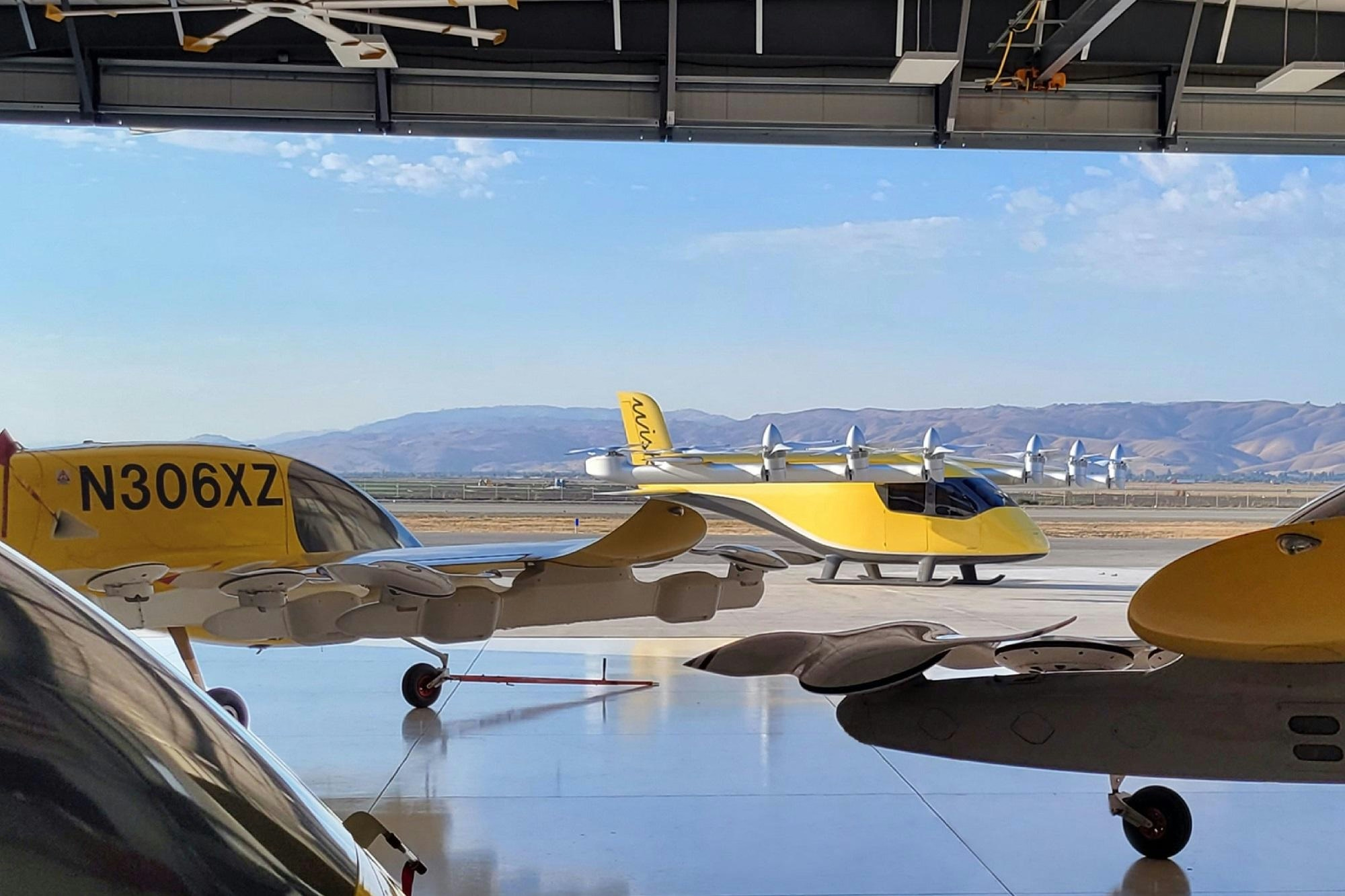
Archer Aviation Confronts Setbacks Amid Declining Air Taxi Interest

FAA and EASA Mandates to Influence Flight Line Testing Equipment Market Through 2035
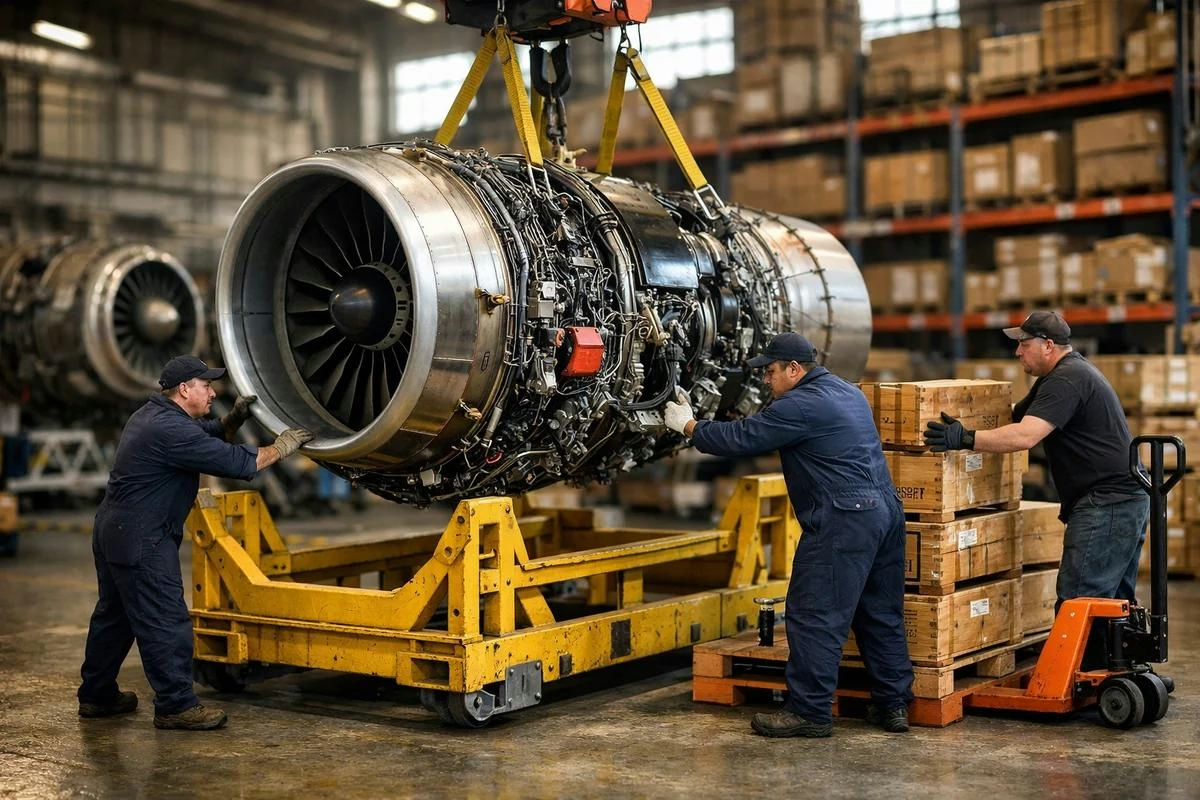
Willis Lease Operates as a Leveraged Spread Business with Moderate Returns
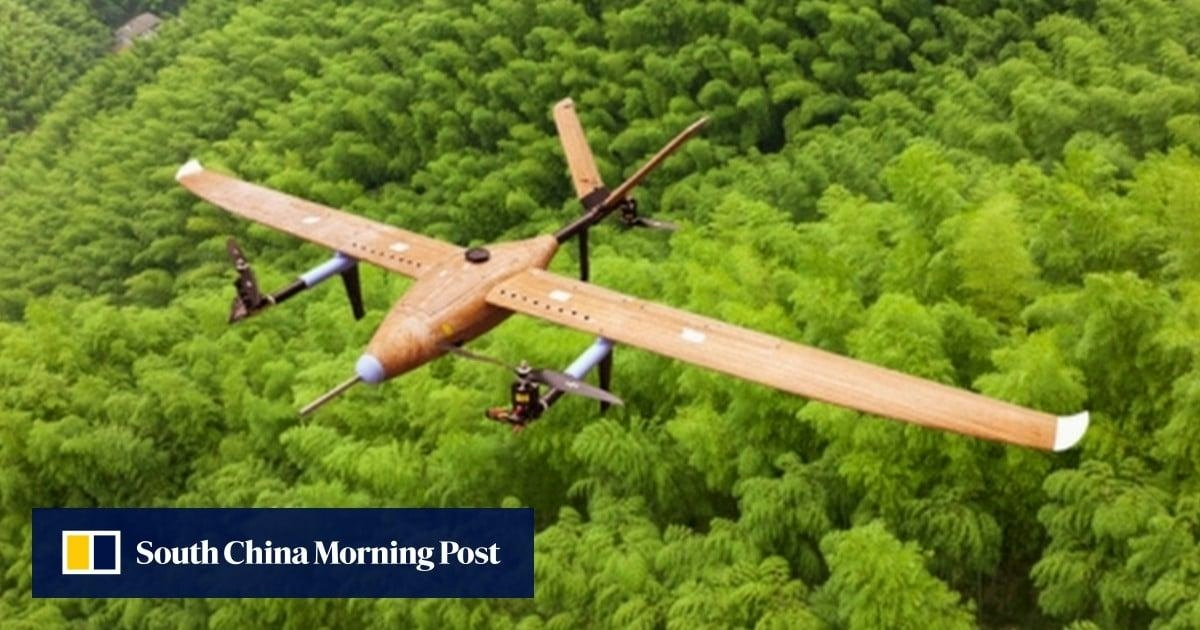
Chinese Team Develops First Flight Control Software for Bamboo Drones
Government Moves Forward with Boeing Purchase, Considers Airbus Leasing
SkyHope Appoints Aviation Industry Leader to Board
The Challenges of Certifying Autonomous Aircraft
KLM to Receive First Airbus A350, Announces Initial Routes
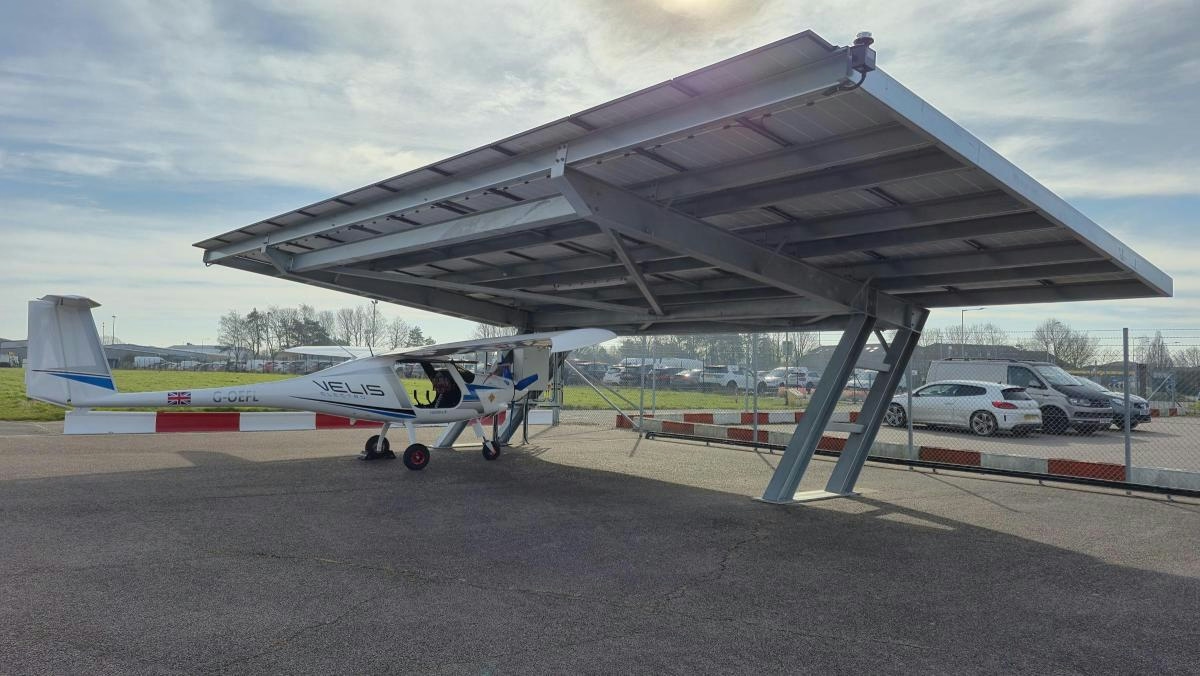
Saxon Air Receives Clean and Green Energy Innovation Award
