
AeroGenie — Ваш интеллектуальный второй пилот.

В тренде
Categories
KlasJet Expands Air Peace Fleet with Boeing 737
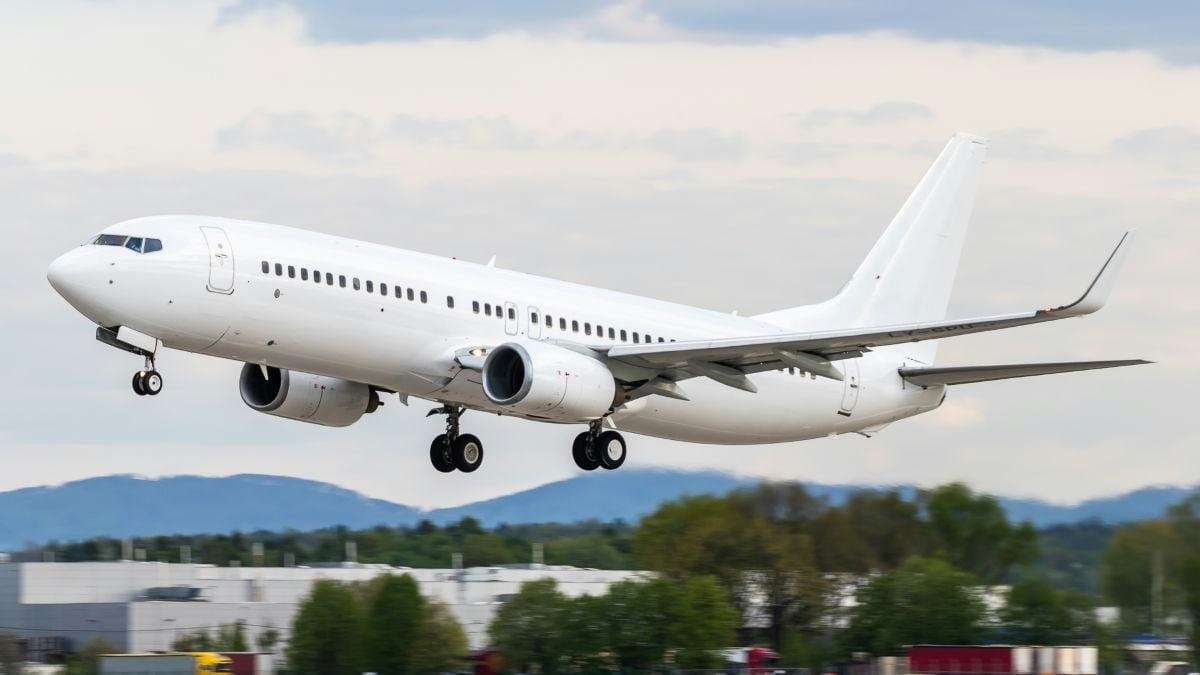
KlasJet Strengthens Air Peace Fleet with Boeing 737 Amid Intensifying Market Competition
KlasJet, a subsidiary of Avia Solutions Group, has formalized an agreement to supply Nigeria’s largest airline, Air Peace, with a Boeing 737-800 aircraft. This dual-configured jet is intended to enhance Air Peace’s capacity to operate both scheduled passenger and charter services, aligning with the airline’s strategic expansion within the rapidly developing West African aviation sector.
Expanding Capacity in a Growing Market
Air Peace currently maintains a diverse fleet of 29 aircraft, including Boeing 737s, Embraer E195-E2s, and widebody Boeing 777s deployed on long-haul routes, servicing 20 regular destinations. The integration of an additional Boeing 737-800 reflects the airline’s response to rising passenger demand and underscores the robust growth trajectory of Nigeria’s aviation industry. According to the International Air Transport Association (IATA), air traffic in Africa is expected to increase by 7% in 2025 and 6% in 2026, with Central and West Africa among the fastest-growing subregions.
Augustinas Riskus, Deputy Chief Commercial Officer at KlasJet, highlighted the region’s potential for ACMI (Aircraft, Crew, Maintenance, and Insurance) service providers. He noted that Nigeria, as Africa’s most populous country with significant economic prospects, presents an ideal environment for the ACMI model. This approach enables carriers to explore new routes and expand their fleets without the financial risks associated with ownership, potentially improving profitability by two to three percentage points. Riskus expressed KlasJet’s commitment to deepening its presence in the region and fostering ongoing collaboration with Air Peace.
Competitive Pressures and Industry Challenges
KlasJet’s expansion occurs amid a competitive landscape where other airlines are also augmenting their Boeing 737 fleets. For instance, Aerolíneas Argentinas recently unveiled a major fleet renewal plan centered on the 737, intensifying competition for both aircraft availability and market share. This dynamic is prompting airlines to adopt strategic measures, including pricing adjustments and route optimization, to sustain their competitive positions.
Market responses to such fleet expansions remain mixed, particularly as Boeing faces scrutiny over its operational performance. The manufacturer’s stock has experienced volatility due to production delays and defense contract developments, while ongoing Federal Aviation Administration (FAA) reviews of models such as the 737 MAX 10 contribute to prevailing uncertainties. Nevertheless, Boeing continues to deliver new 737 aircraft globally, supporting growth in emerging markets like West Africa.
Nigeria’s aviation sector continues to play a vital role in the national economy, contributing an estimated US$2.5 billion to GDP and supporting over 217,000 jobs. The partnership between KlasJet and Air Peace exemplifies the opportunities and challenges confronting airlines and suppliers within Africa’s evolving aviation landscape.
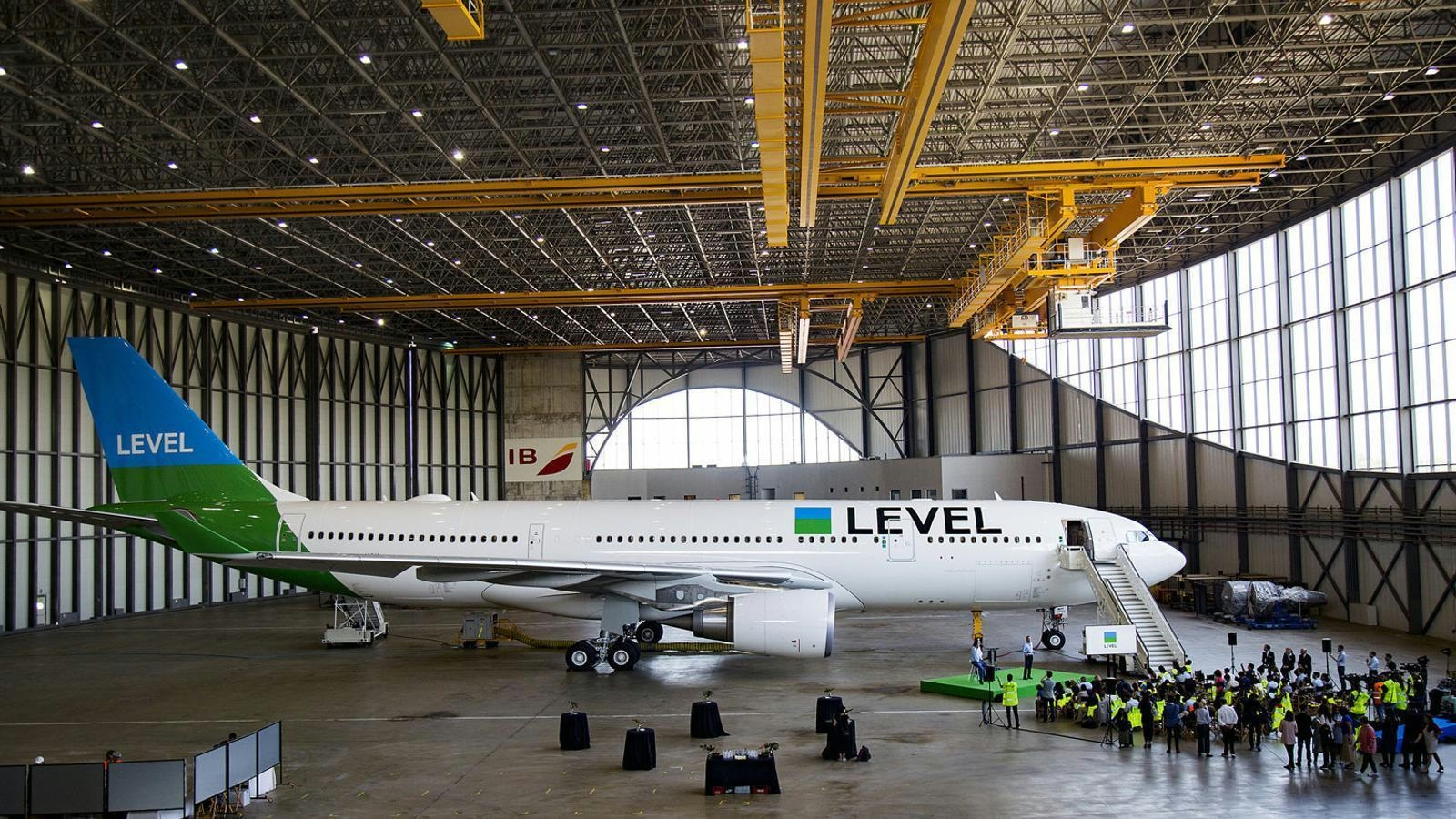
LEVEL Suspends San Francisco Flights Due to Engine Shortage
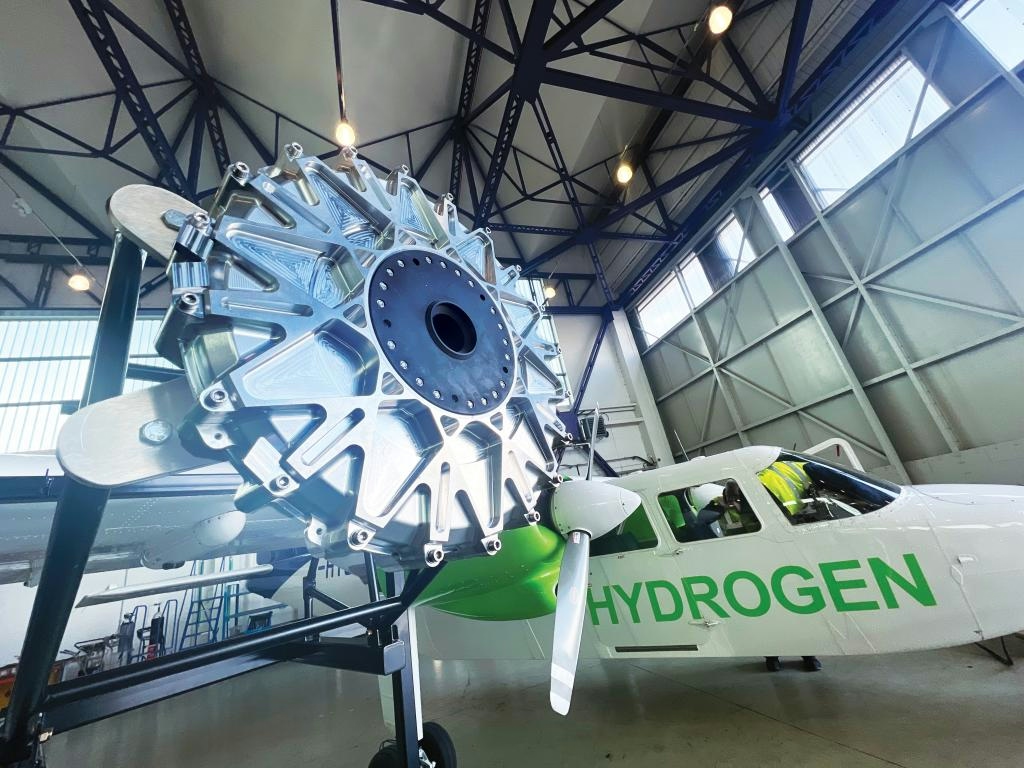
China Conducts First Flight Test of Megawatt Hydrogen Turboprop Engine

Oklahoma’s Aerospace Industry Expands and Its Impact on the State Economy
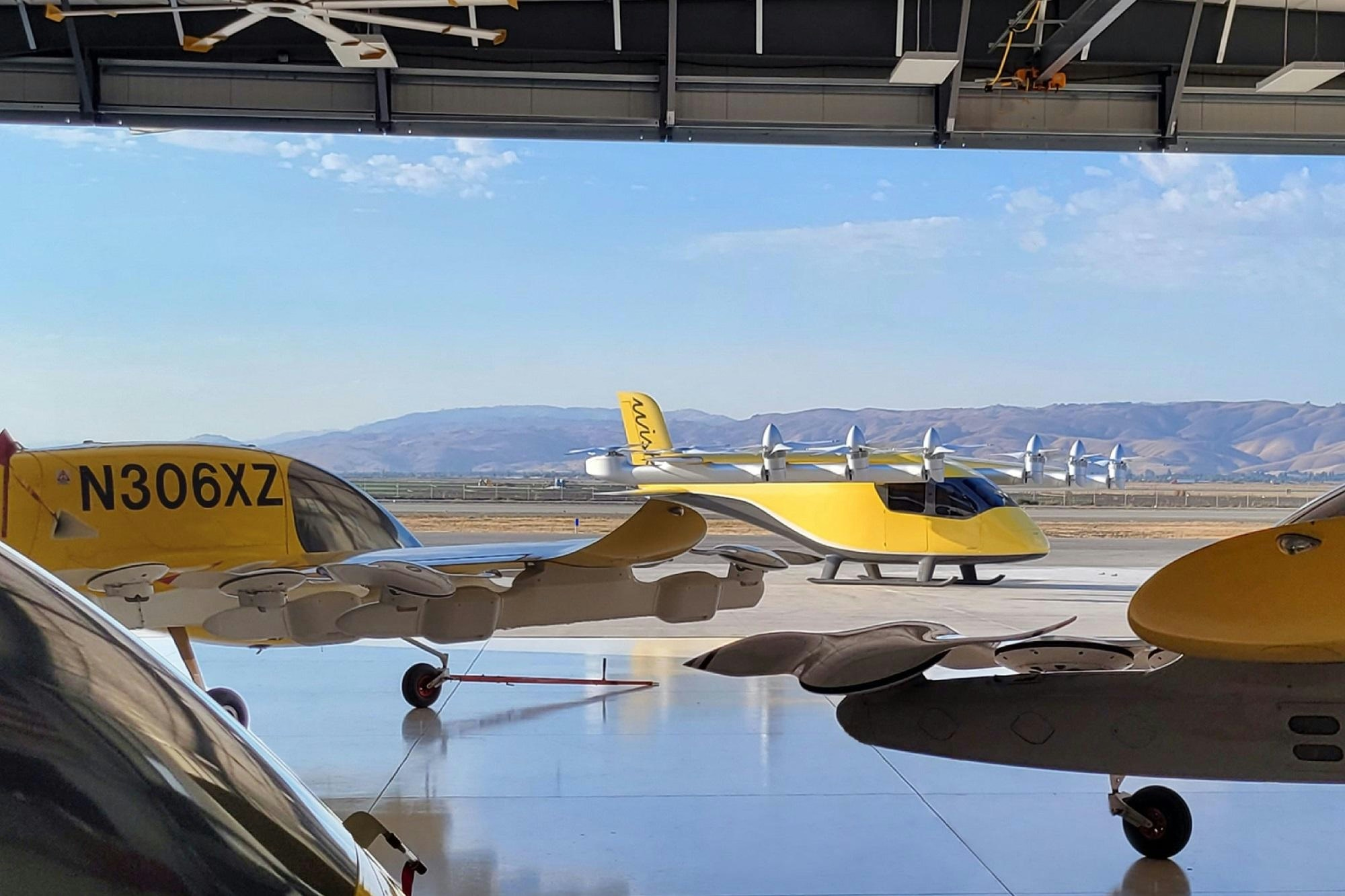
Archer Aviation Confronts Setbacks Amid Declining Air Taxi Interest

FAA and EASA Mandates to Influence Flight Line Testing Equipment Market Through 2035
Willis Lease Operates as a Leveraged Spread Business with Moderate Returns

Chinese Team Develops First Flight Control Software for Bamboo Drones
Government Moves Forward with Boeing Purchase, Considers Airbus Leasing
SkyHope Appoints Aviation Industry Leader to Board
The Challenges of Certifying Autonomous Aircraft
