
AeroGenie — Ваш интеллектуальный второй пилот.

В тренде
Categories
Five MPs Urge Speaker to Address AI's Role in Flight Diversion
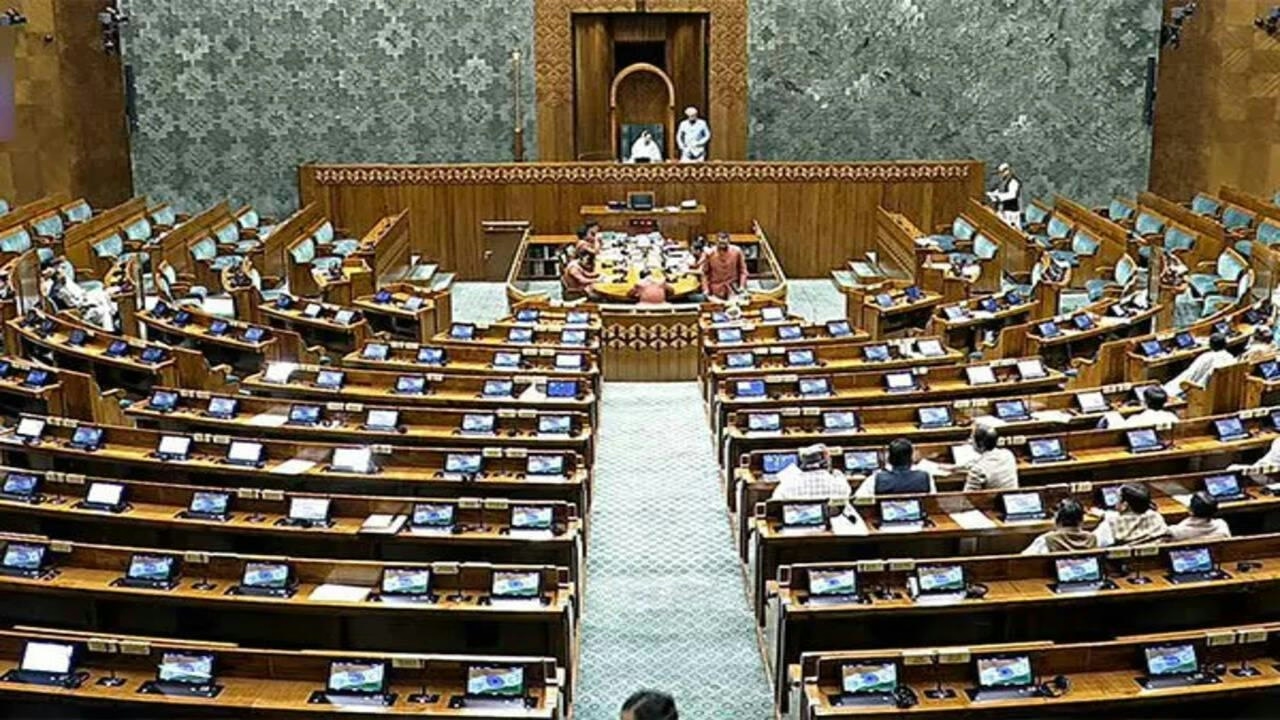
Five MPs Urge Speaker to Address AI’s Role in Flight Diversion
Parliamentary Concerns Over Flight Diversion Incident
In a formal letter to Lok Sabha Speaker Om Birla, five Members of Parliament, including Congress general secretary (organisation) K C Venugopal, have raised serious concerns regarding the diversion of their Air India flight from Thiruvananthapuram to Delhi, which was rerouted to Chennai on August 10. The MPs—Venugopal, K Suresh, Adoor Prakash, Robert Bruce (all from Congress), and K Radhakrishnan (CPI-M)—have alleged a “grave breach of privilege” by the airline and demanded appropriate action. They have also addressed a separate letter to Civil Aviation Minister Rammohan Naidu, calling for a prompt, time-bound investigation and the public disclosure of its findings.
The lawmakers’ correspondence highlights unease over the decision-making process that led to the flight’s diversion, implicitly questioning the increasing reliance on artificial intelligence (AI) systems in aviation operations. Their concerns reflect broader apprehensions about the transparency and accountability of AI-driven decisions, especially when they affect passenger safety and operational integrity.
Implications for AI Integration in Aviation
The incident has reignited debate over the challenges of integrating AI into critical sectors such as aviation. While AI technologies promise enhanced efficiency and safety, ensuring their reliability remains paramount. The MPs’ demand for transparency underscores the need to address potential regulatory gaps that may emerge alongside rapid technological adoption. Public trust in AI systems is crucial, particularly when these systems influence high-stakes decisions like flight routing and safety protocols.
Industry experts observe that market reactions to such incidents depend largely on perceptions of AI’s role in flight operations and the strength of the regulatory framework governing its use. Airlines may respond by upgrading their AI systems to bolster safety and operational efficiency or by advocating for more stringent regulations to ensure uniform standards across the sector.
Broader Context of AI Governance
Globally, governments are navigating the complex task of fostering AI innovation while protecting public interests. For example, the White House’s AI strategy aims to expand the U.S. AI workforce and promote technological advancement. However, some experts caution that overly restrictive policies could impede critical activities related to national security and the development of domestic AI ecosystems.
As the investigation into the Air India flight diversion unfolds, its outcome could have significant implications not only for airline operational protocols but also for the wider discourse on AI’s expanding role in aviation and other high-risk industries. The MPs’ insistence on public disclosure of the investigation’s findings highlights the growing demand for accountability and transparency as AI becomes increasingly embedded in everyday operations.

LEVEL Suspends San Francisco Flights Due to Engine Shortage
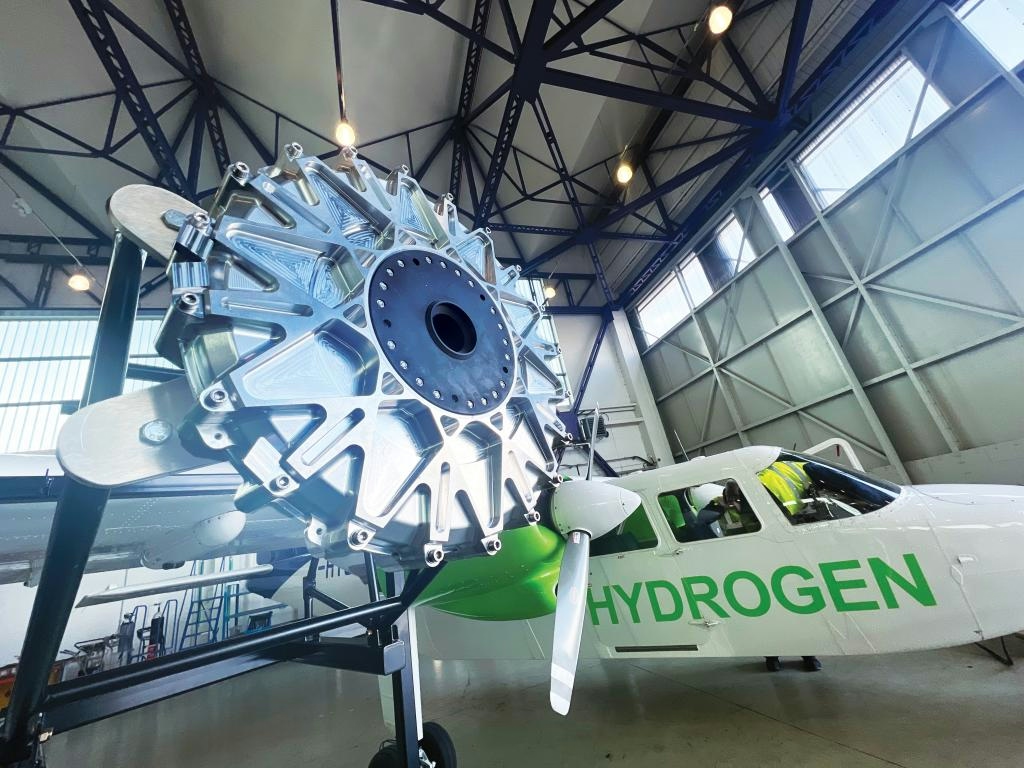
China Conducts First Flight Test of Megawatt Hydrogen Turboprop Engine

Oklahoma’s Aerospace Industry Expands and Its Impact on the State Economy
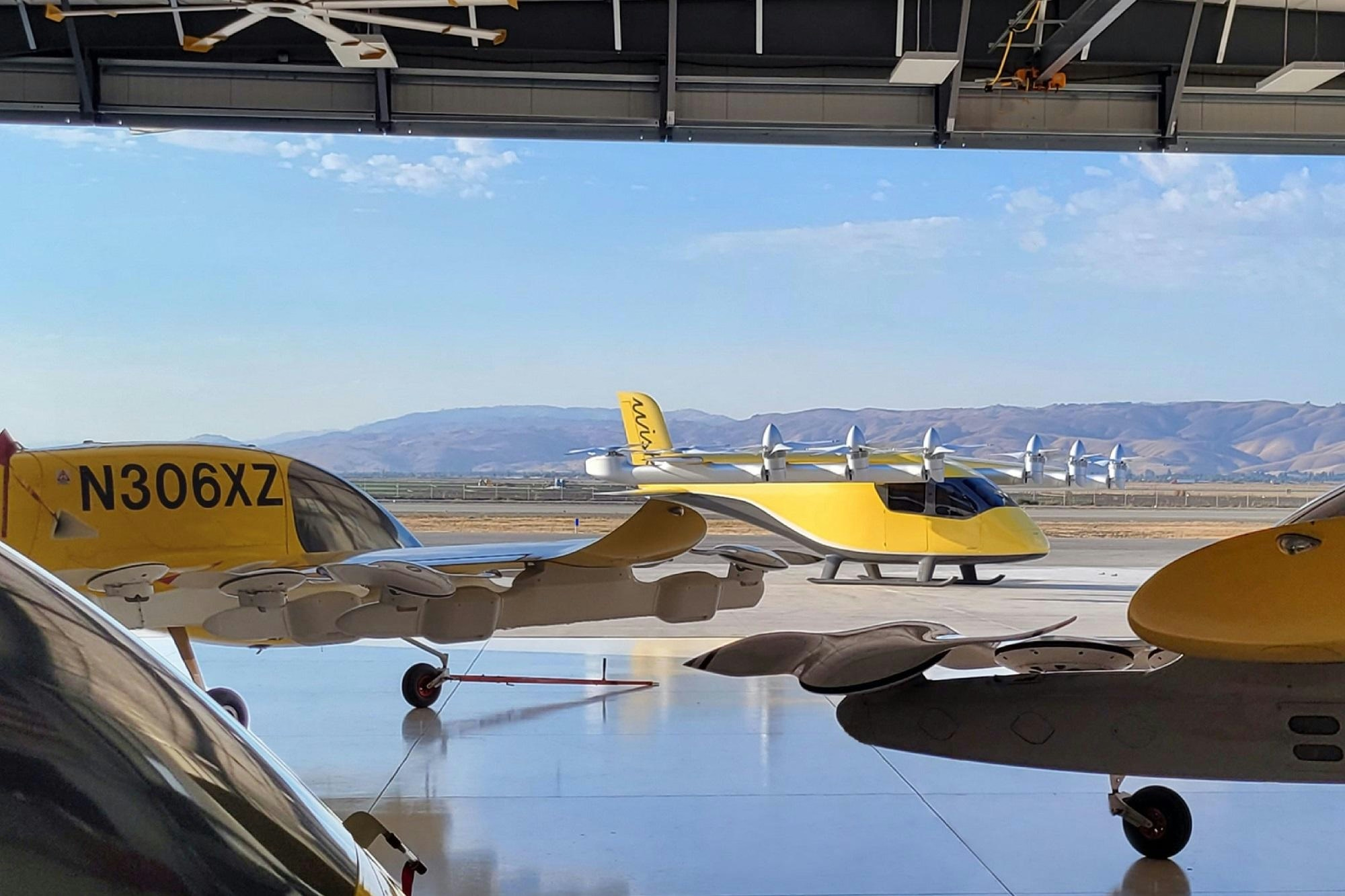
Archer Aviation Confronts Setbacks Amid Declining Air Taxi Interest

FAA and EASA Mandates to Influence Flight Line Testing Equipment Market Through 2035
Willis Lease Operates as a Leveraged Spread Business with Moderate Returns
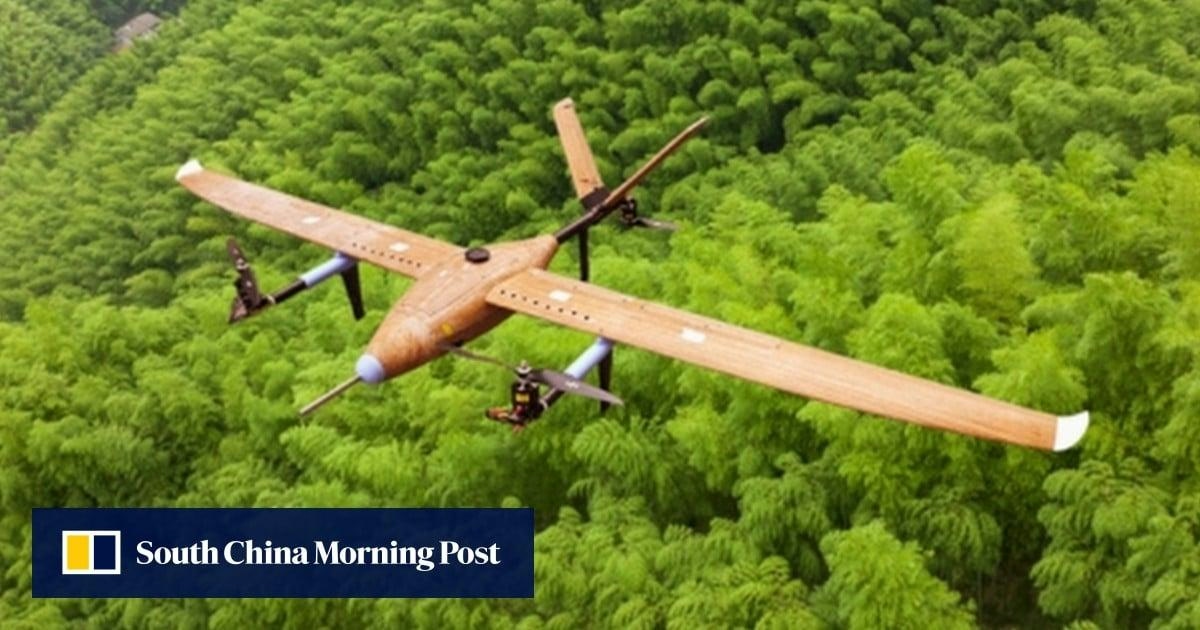
Chinese Team Develops First Flight Control Software for Bamboo Drones
Government Moves Forward with Boeing Purchase, Considers Airbus Leasing
SkyHope Appoints Aviation Industry Leader to Board
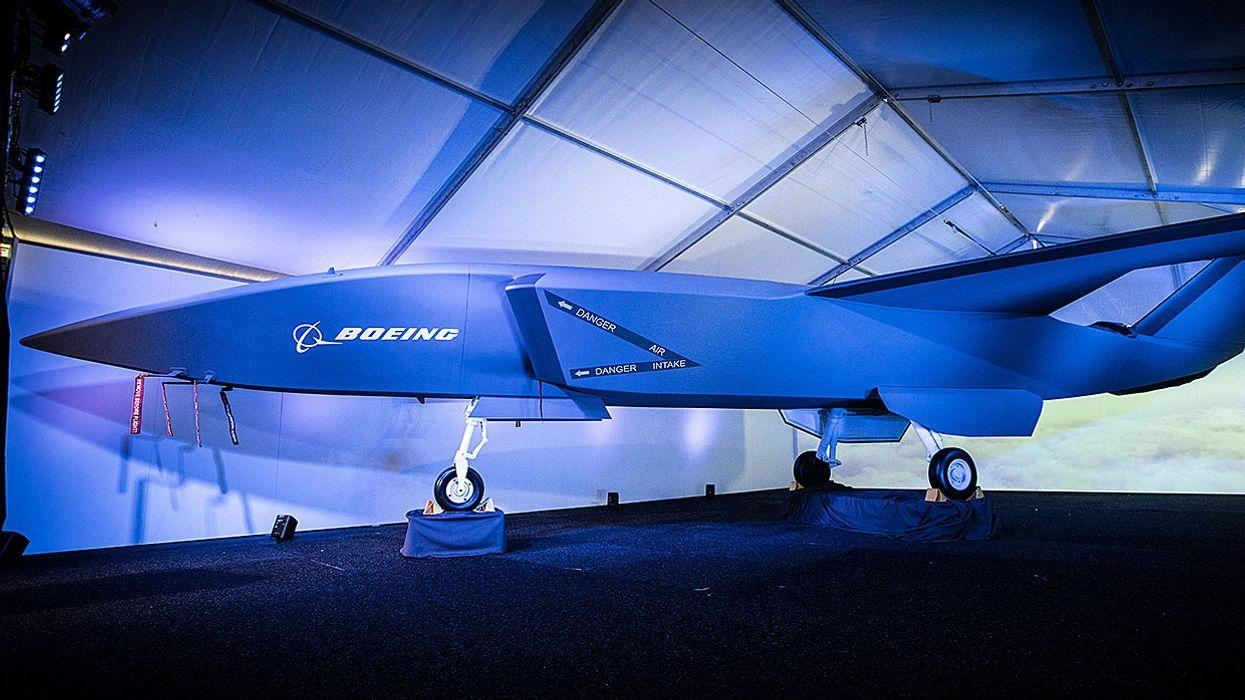
The Challenges of Certifying Autonomous Aircraft
