
AeroGenie — Seu Copiloto Inteligente.

Tendências
Categories
Uber Expands App to Include Parking, Air Taxis, and Autonomous Rides
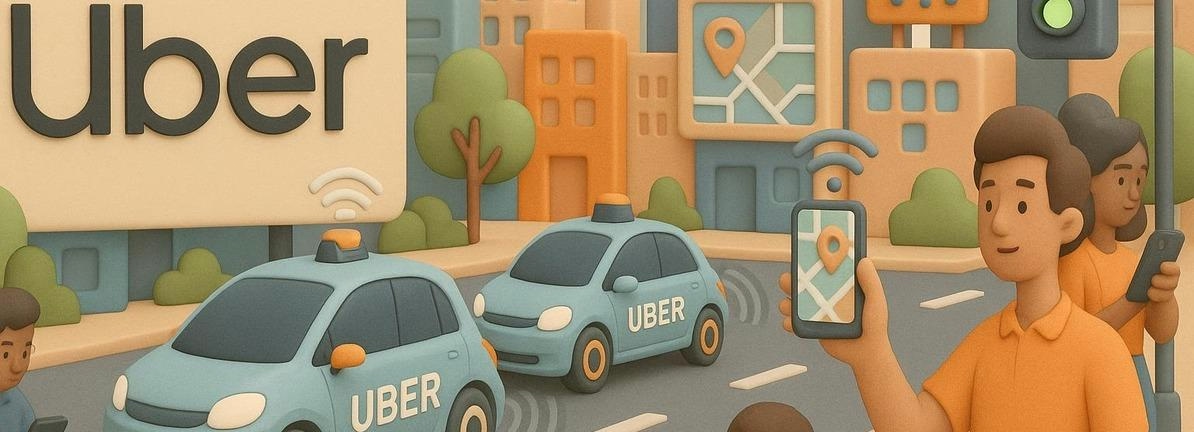
Uber Expands App to Include Parking, Air Taxis, and Autonomous Rides
Uber Technologies (NYSE: UBER) is significantly broadening its mobility platform, moving beyond its traditional ride-hailing and delivery services. The company has announced the acquisition of SpotHero, a leading parking platform, which will enable users to reserve parking spaces directly through the Uber app in over 400 cities. This integration targets drivers who may not require a ride but still need convenient parking solutions, marking a strategic expansion into urban parking management.
Launch of Uber Air and Autonomous Vehicle Partnerships
In a further step into new mobility sectors, Uber is commercially launching Uber Air, powered by Joby Aviation. This service allows users to book air taxi rides within the existing Uber app interface, representing the company’s entry into the emerging urban air mobility market. Uber Air offers a premium travel option on select routes, aiming to provide faster and more efficient urban transportation.
Simultaneously, Uber is deepening its involvement in autonomous vehicle technology through partnerships with companies such as Wayve, Nuro, and WeRide. These collaborations focus on deploying autonomous ride options in major markets, positioning Uber as a central platform for a diverse range of mobility services, including robotaxis. This multi-modal approach reflects Uber’s ambition to become a comprehensive provider of urban transportation solutions.
Challenges and Market Response
Despite the promising expansion, Uber faces considerable challenges. Regulatory hurdles loom large as the company ventures into air taxis and autonomous vehicles, both of which are subject to evolving safety and operational standards. Competition is intensifying, with established players like Waymo and Lyft also investing heavily in autonomous and multi-modal mobility solutions. Integrating parking, ride-hailing, air travel, and autonomous services into a seamless user experience presents significant technological complexity.
Market reactions to Uber’s announcements have been mixed. Some investors recognize the potential for Uber to capture a larger share of the end-to-end urban journey, while others remain skeptical about the feasibility and profitability of these new services. The expansion increases operational complexity and exposes Uber to heightened regulatory scrutiny and substantial capital requirements across multiple transportation modes. Competitors are likely to accelerate their own innovations, intensifying the race to dominate the future of urban mobility.
Looking forward, critical questions remain regarding user adoption, regulatory approvals, and the speed at which these services can be deployed across different regions. Investors will closely monitor how Uber manages pricing strategies, user experience, and safety standards as it integrates these diverse offerings into a unified platform.
Uber’s recent initiatives underscore its commitment to redefining urban transportation amid uncertainty and fierce competition. The company’s success in executing these ambitious plans will be pivotal in shaping its future role within the evolving mobility landscape.

Plane lands on Pennsylvania highway due to ‘engine issues,’ FAA says
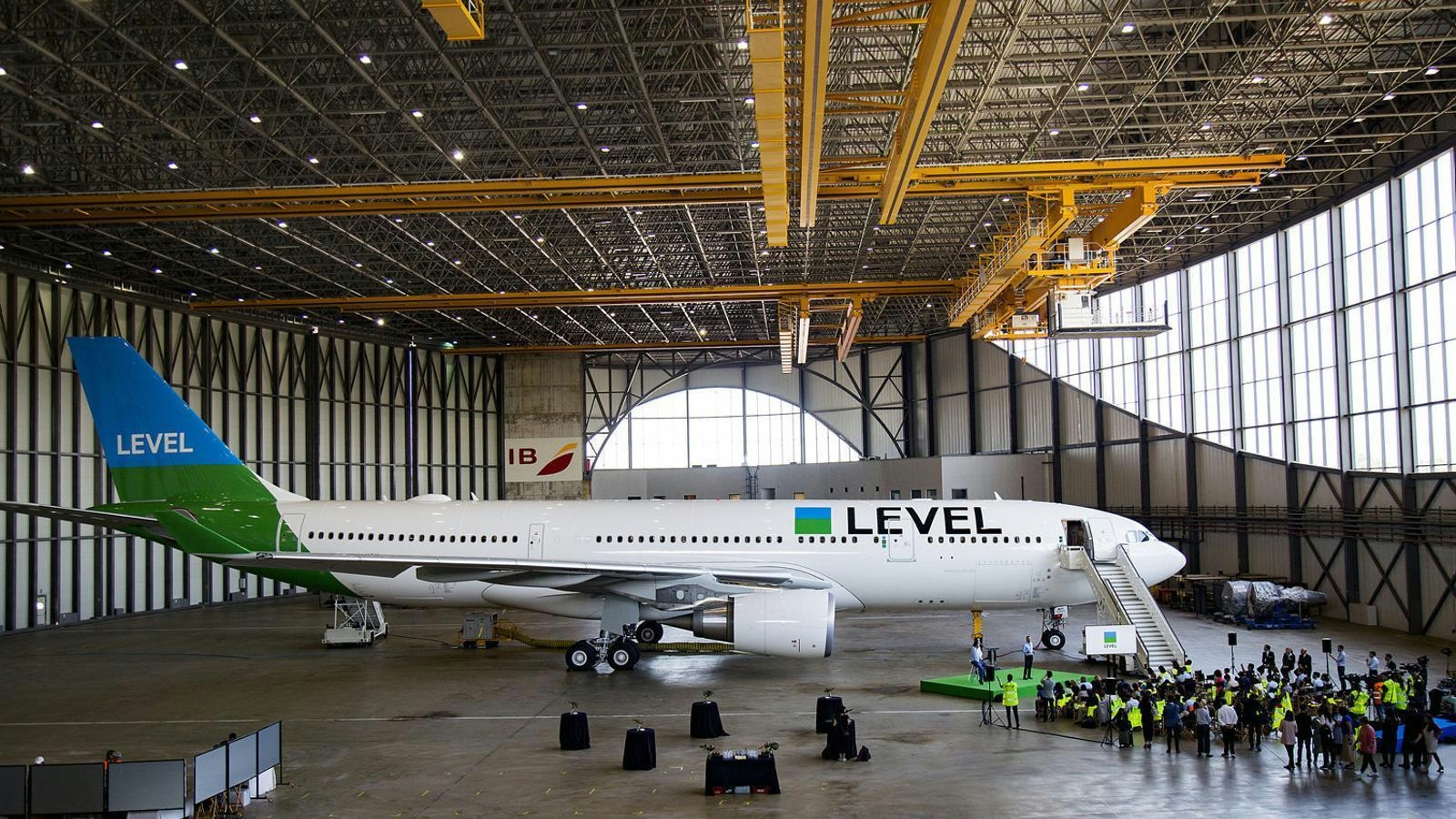
LEVEL Suspends San Francisco Flights Due to Engine Shortage
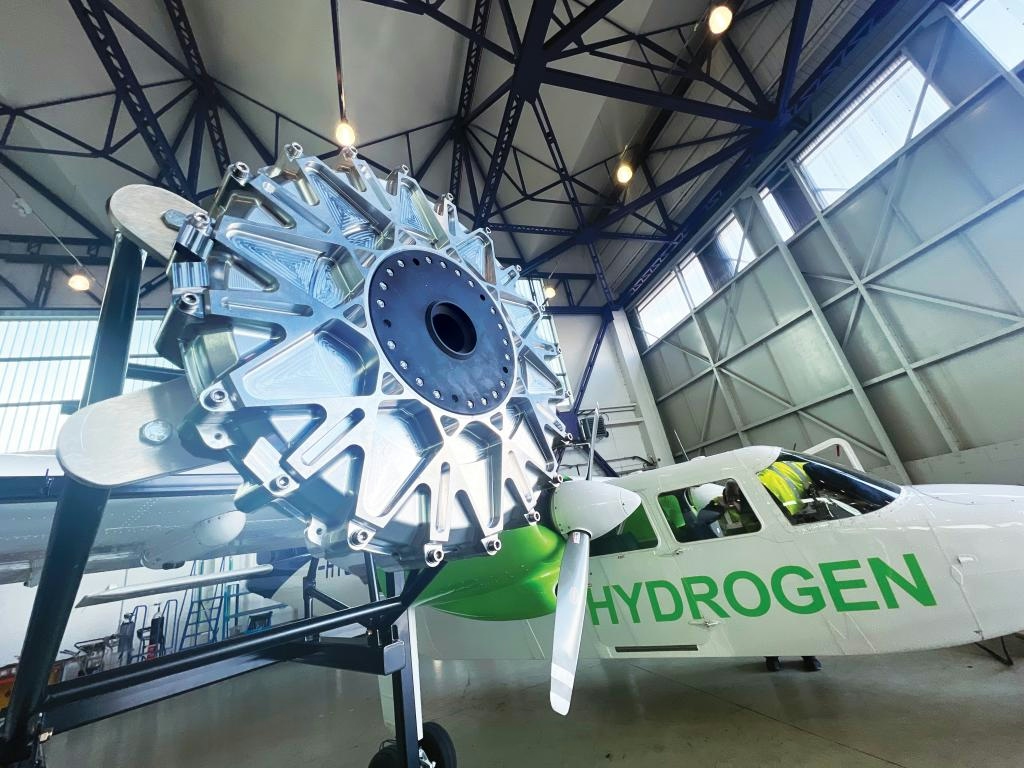
China Conducts First Flight Test of Megawatt Hydrogen Turboprop Engine

Oklahoma’s Aerospace Industry Expands and Its Impact on the State Economy
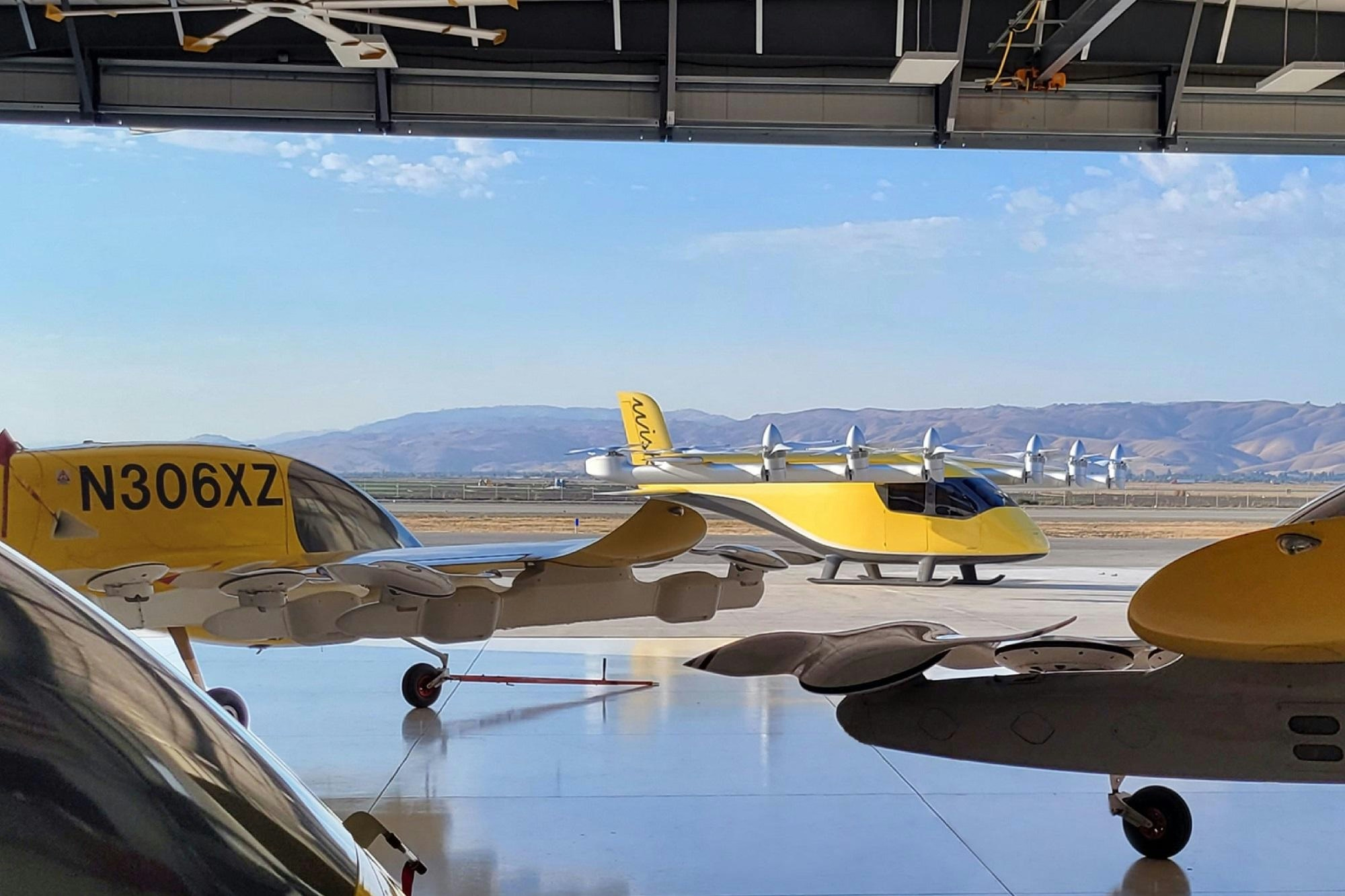
Archer Aviation Confronts Setbacks Amid Declining Air Taxi Interest

FAA and EASA Mandates to Influence Flight Line Testing Equipment Market Through 2035
Willis Lease Operates as a Leveraged Spread Business with Moderate Returns
Chinese Team Develops First Flight Control Software for Bamboo Drones
Government Moves Forward with Boeing Purchase, Considers Airbus Leasing

Changes in Airline Industry Leadership, Alliances, and AI
