
AeroGenie — Seu Copiloto Inteligente.

Tendências
Categories
Taking a Leap of Faith

Taking a Leap of Faith
The Rise of CFM International’s LEAP Engines
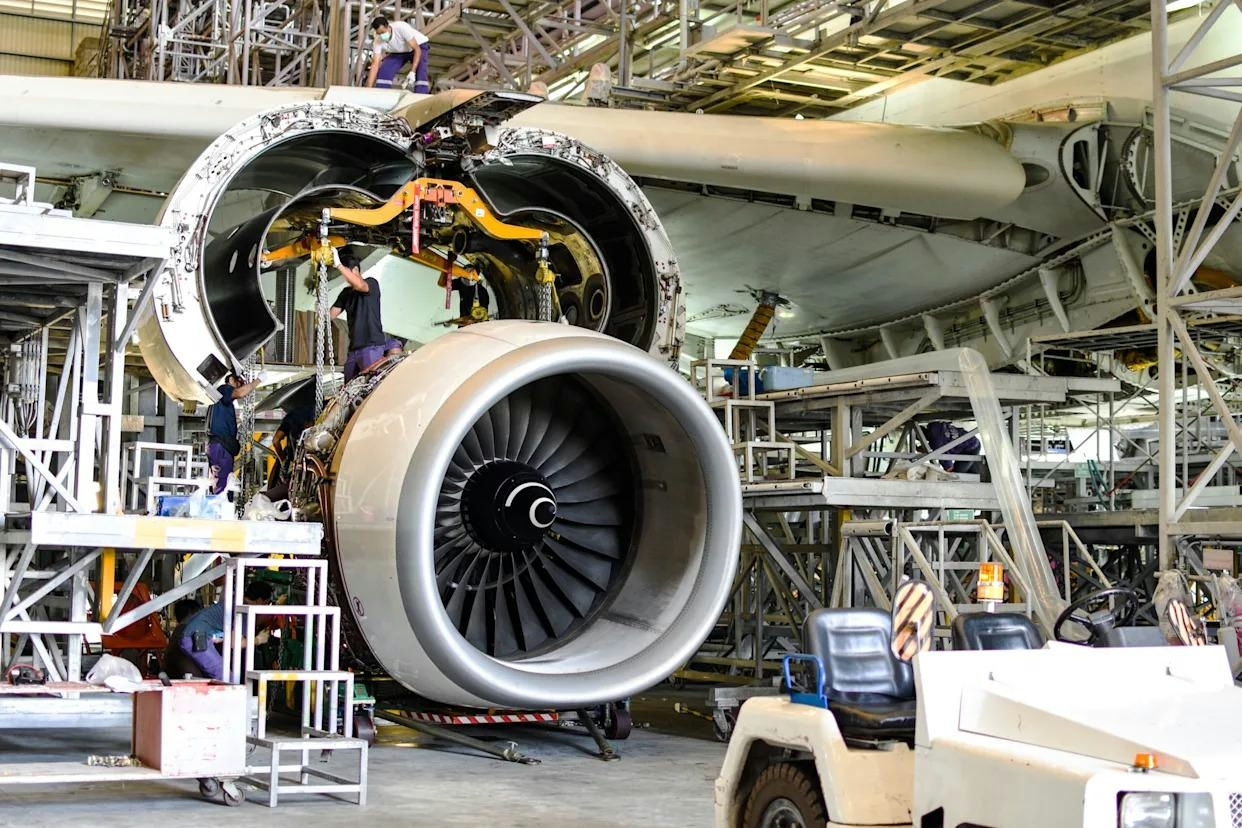
CFM International’s LEAP engines have established themselves as a fundamental component of contemporary commercial aviation, powering the Airbus A320neo and Boeing 737 MAX fleets. Manufactured by the joint venture equally owned by GE Aerospace and Safran Aircraft Engines, these engines are among the best-selling powerplants in the single-aisle aircraft market. Over the past forty years, CFM International has consistently prioritized investment in advanced technologies aimed at enhancing fuel efficiency, reducing CO2 and NOx emissions, and minimizing noise pollution. These efforts have been critical in aligning with the aviation industry’s increasingly stringent environmental standards.
Since the LEAP-1A engine received certification in December 2024, CFM has delivered over 1,200 high-pressure turbine durability kits, reflecting the engine’s broad adoption and the company’s dedication to continuous innovation. These technological improvements have not only bolstered operational performance but have also supported the aviation sector’s wider sustainability objectives, particularly within the European market where regulatory demands are intensifying.
Challenges and Market Outlook
Despite these achievements, CFM International faces significant challenges in sustaining profitability. The company must maintain ongoing investment in new technologies and infrastructure, a dynamic comparable to trends observed in other high-technology industries such as data centers. Market participants often confront a leap of faith when assessing future cash flow projections amid rising competition and increasing demand for capacity. Rival firms are anticipated to respond with their own technological advancements, escalating the competition to achieve greater efficiency and environmental compliance.
Looking toward 2026, the market environment appears favorable for risk assets, supported by strong investment in artificial intelligence alongside accommodative monetary and fiscal policies. Nevertheless, uncertainties persist. Potential corrections in equity markets driven by AI developments and renewed trade policy tensions could affect both the aviation and technology sectors. For CFM International and its competitors, striking a balance between innovation, profitability, and adaptability will be essential as they navigate an increasingly complex and competitive global landscape.
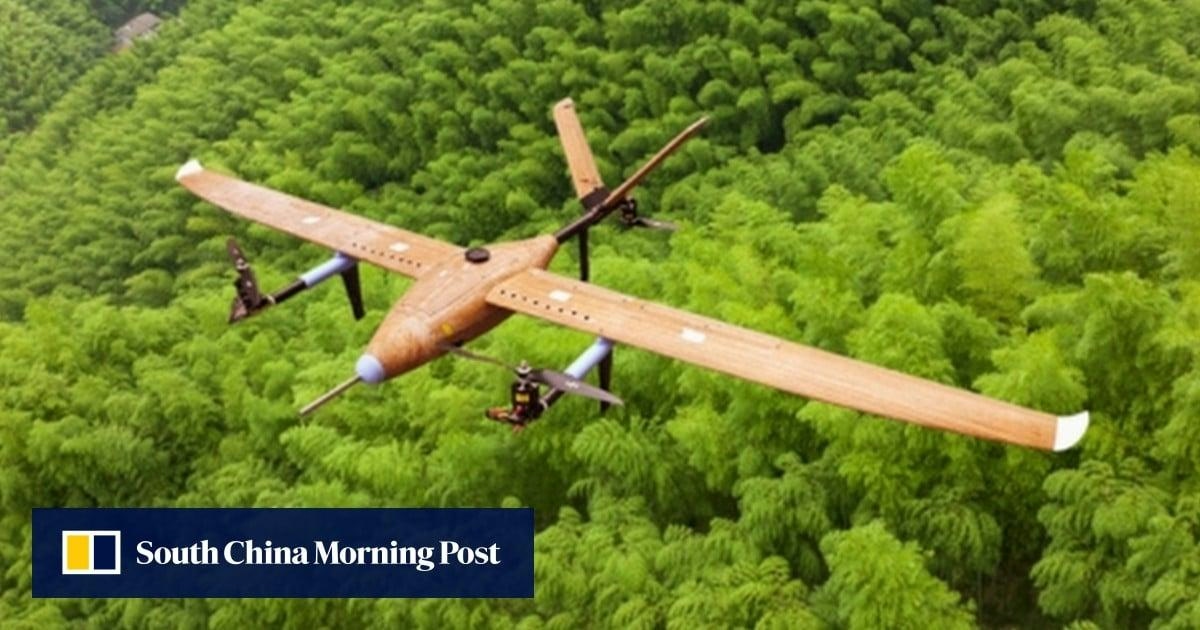
Chinese Team Develops First Flight Control Software for Bamboo Drones
SkyHope Appoints Aviation Industry Leader to Board
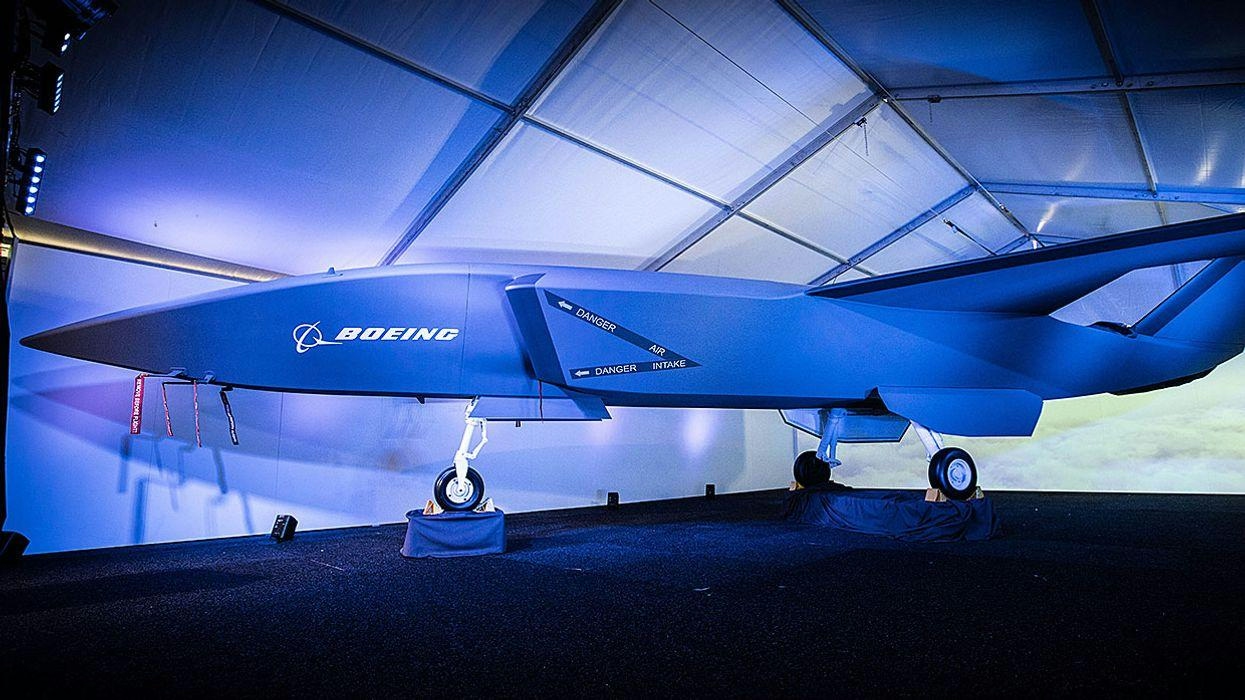
The Challenges of Certifying Autonomous Aircraft
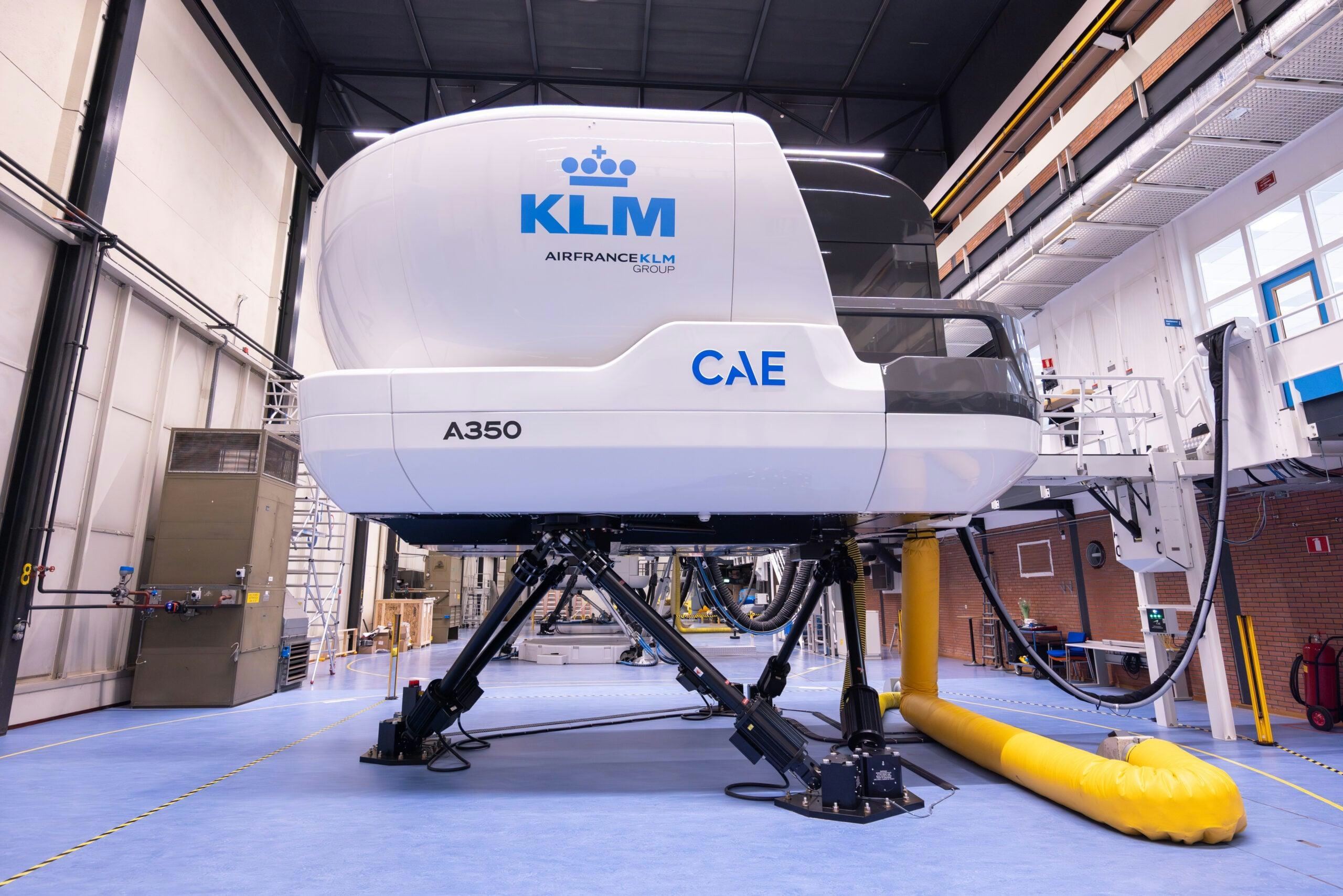
KLM to Receive First Airbus A350, Announces Initial Routes
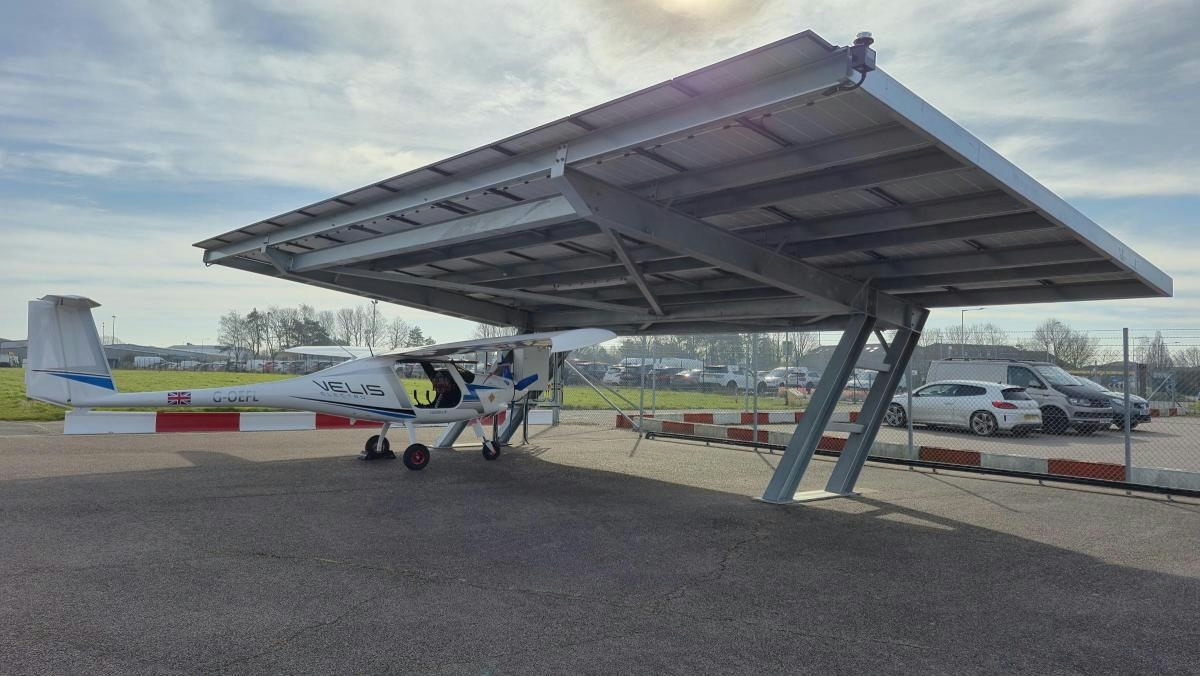
Saxon Air Receives Clean and Green Energy Innovation Award
How BEB Tax Policies Impact Airlines’ International Leasing Contracts

Indonesia’s Danantara and Mandiri Partner with SMBC to Launch $800 Million Aviation Leasing Fund
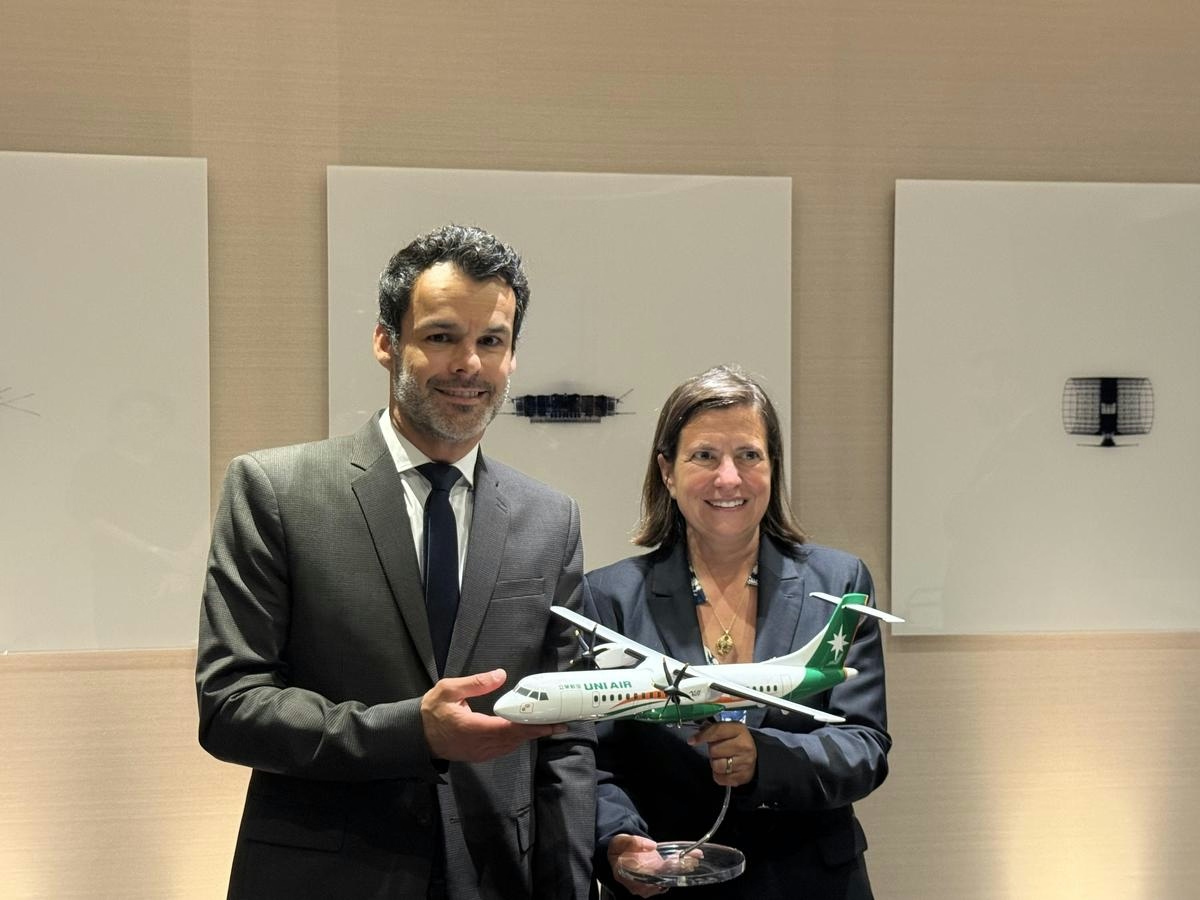
South Korea’s SUM Air Places Order for New ATR Aircraft
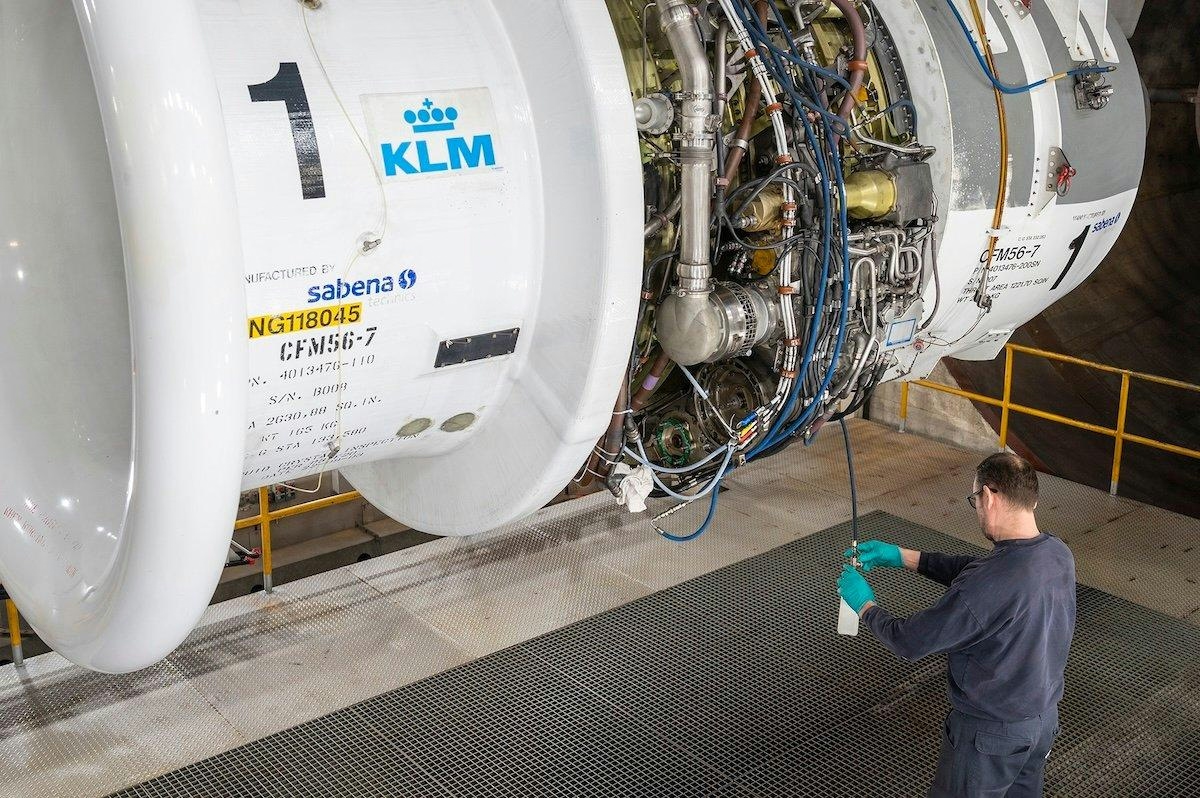
Benoît Rollier Named Vice President of KLM Engine Service
Azorra Expands Engine Portfolio Through Deal with DAE
