
AeroGenie — Seu Copiloto Inteligente.

Tendências
Categories
Opportunities in the Sustainable Urban Aviation Sector
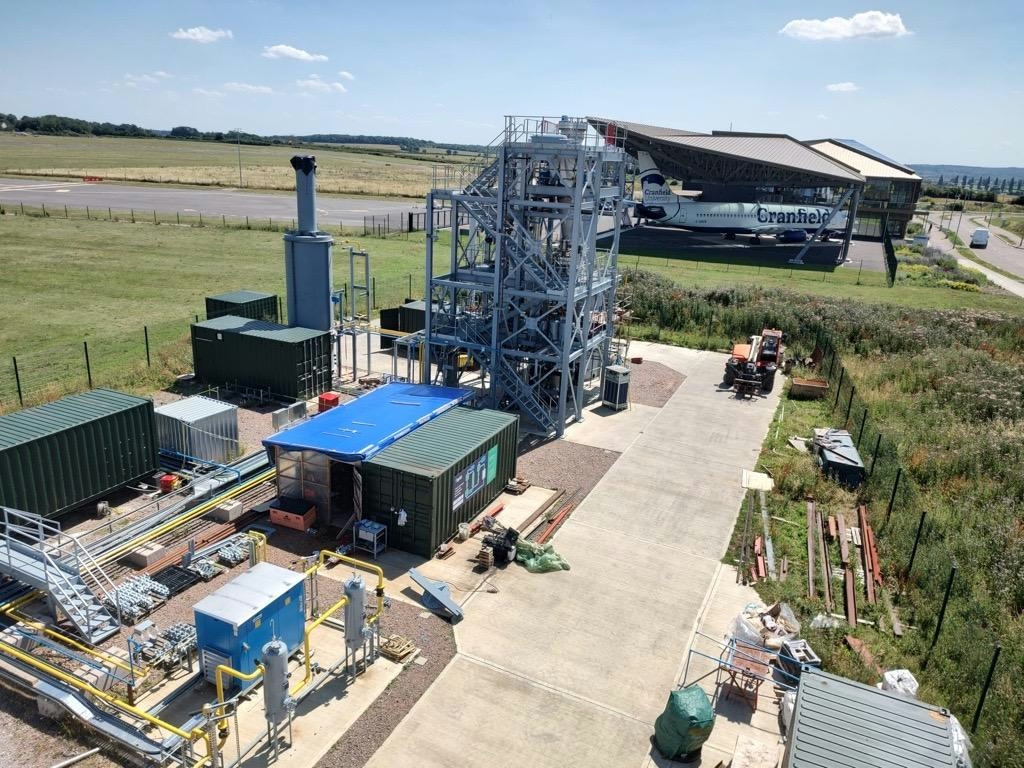
Opportunities in the Sustainable Urban Aviation Sector
The global sustainable urban aviation market is experiencing a profound transformation as cities worldwide seek cleaner, faster, and more efficient transportation alternatives. Within the broader electric vertical takeoff and landing (eVTOL) aircraft segment, the industry is projected to expand from USD 3.19 billion in 2031 to USD 5.08 billion by 2035, reflecting a compound annual growth rate (CAGR) of 12.3%. This growth is driven primarily by rapid urbanization and escalating road congestion in major metropolitan areas, which have intensified demand for point-to-point aerial mobility solutions capable of reducing travel times and minimizing environmental impact.
Key Growth Drivers
Urban congestion remains a critical challenge for megacities, where traditional road infrastructure struggles to accommodate burgeoning populations. The sustainable urban aviation sector addresses this issue by introducing eVTOL aircraft designed for short-range city transport and airport connectivity. These platforms offer significantly reduced travel times compared to ground transportation and operate at lower costs than conventional helicopters. Their quiet, zero-emission performance aligns closely with municipal sustainability objectives, positioning them as strategic priorities for governments committed to cleaner urban transit.
Advancements in battery and propulsion technology are central to the sector’s progress. Recent improvements in lithium-based energy storage have extended operating ranges, enhanced safety, and increased flight reliability. Energy efficiency directly influences aircraft endurance, turnaround times, and cost per trip, making battery innovation a critical focus for manufacturers. As energy density and lifecycle performance improve, these technological developments are expected to accelerate market growth through 2035.
Electric propulsion systems dominate the sustainable urban aviation landscape, enabling zero-emission flights and substantially reducing noise levels compared to combustion engines. This supports governmental sustainability targets and decreases reliance on fossil fuels. Alongside propulsion advances, automation and artificial intelligence-driven flight control systems are gaining prominence. Although piloted operations currently prevail due to regulatory frameworks, the autonomous segment is anticipated to expand rapidly, enhancing fleet scalability, lowering operational costs, and improving safety through automated navigation and decision-making.
Market Dynamics and Challenges
Despite strong momentum, the sector faces significant challenges. High initial costs associated with developing and deploying electric and hybrid-electric aircraft, regulatory complexities, and the necessity for extensive infrastructure upgrades remain formidable barriers. Nonetheless, market sentiment remains optimistic. Investments in sustainable aviation technology are projected to increase from USD 7.75 billion in 2023 to USD 22.81 billion by 2032, at a CAGR of 13.5%.
Responses from industry competitors vary. Established aerospace giants such as Airbus and Boeing are managing increased production rates while making strategic decisions regarding future aircraft models. Concurrently, companies like Bristow are securing delivery slots for hybrid-electric aircraft. On the governmental front, Singapore is intensifying investments in sustainability and aviation innovation to navigate an increasingly turbulent global environment.
Outlook
The sustainable urban aviation market is transitioning from experimental phases toward structured commercialization, underpinned by collaborations among aerospace manufacturers, technology providers, airlines, and urban planners. As both governments and private operators continue to prioritize low-emission mobility solutions, the sector is positioned for robust growth despite the challenges that lie ahead.
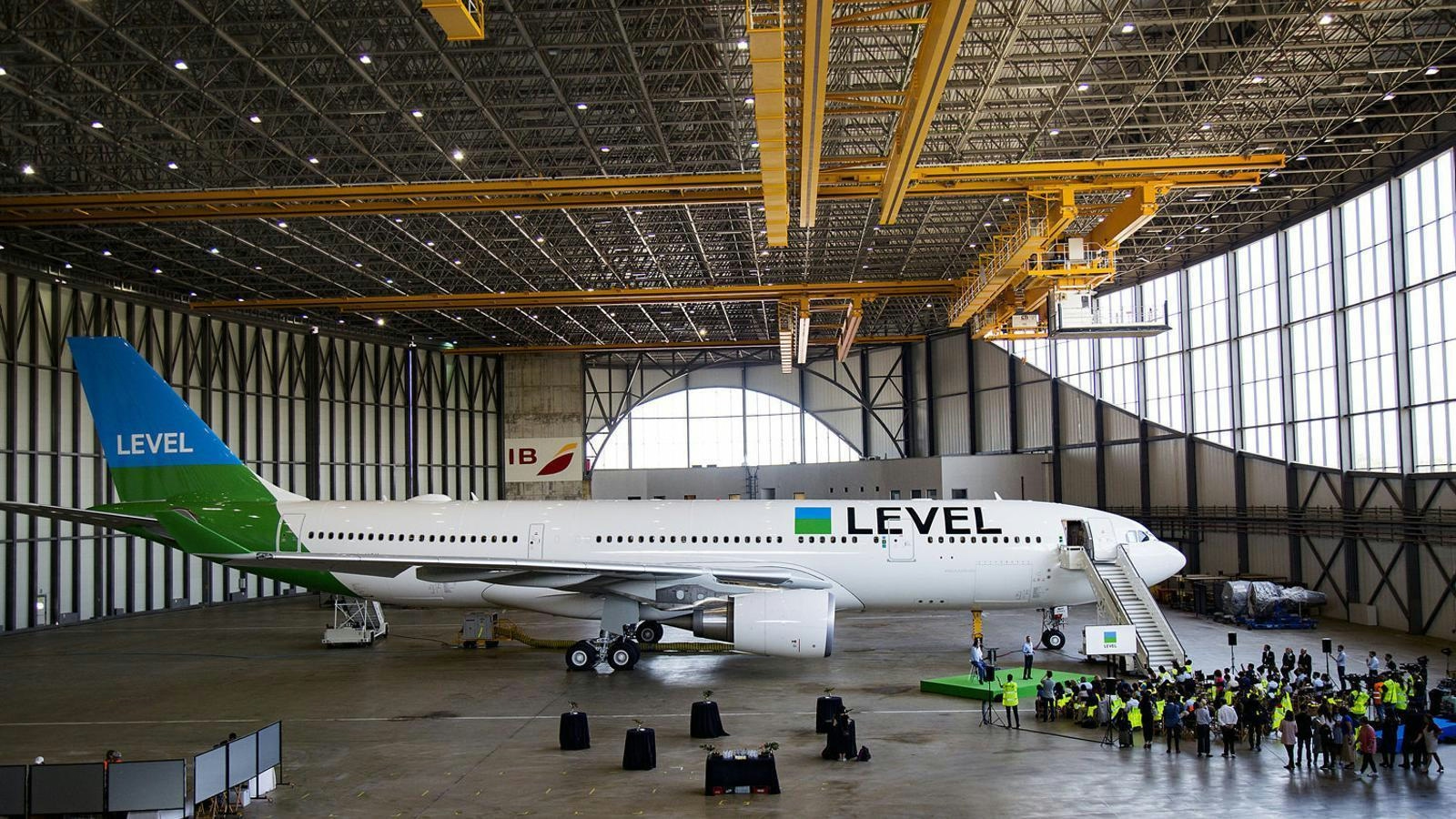
LEVEL Suspends San Francisco Flights Due to Engine Shortage
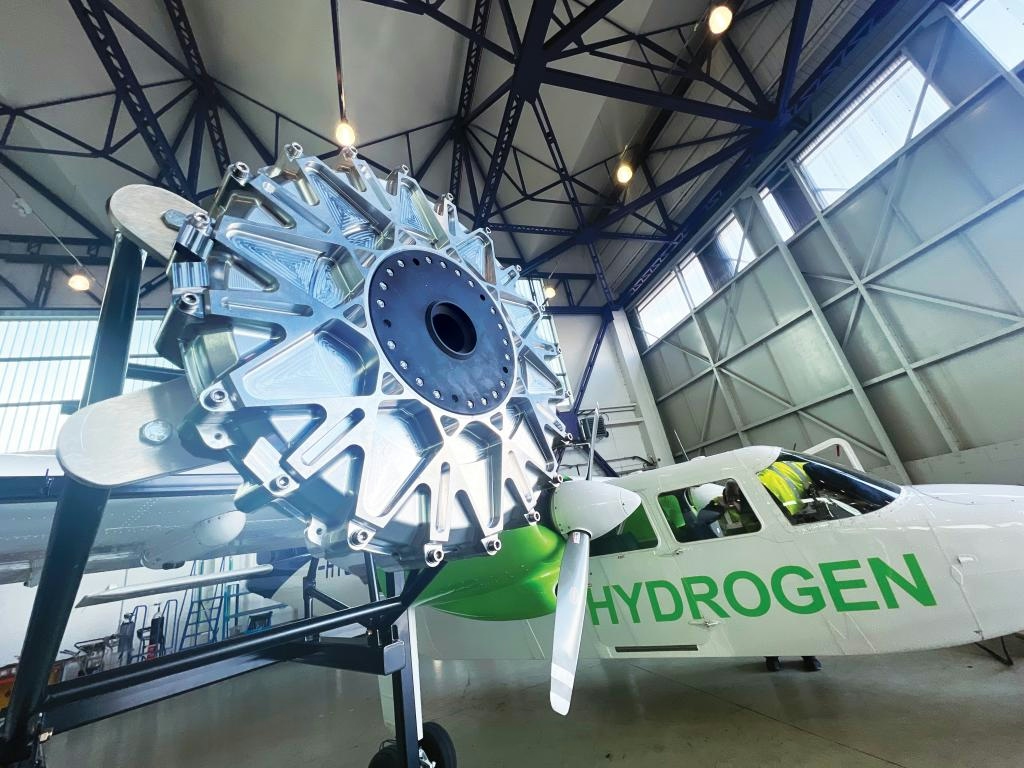
China Conducts First Flight Test of Megawatt Hydrogen Turboprop Engine

Oklahoma’s Aerospace Industry Expands and Its Impact on the State Economy
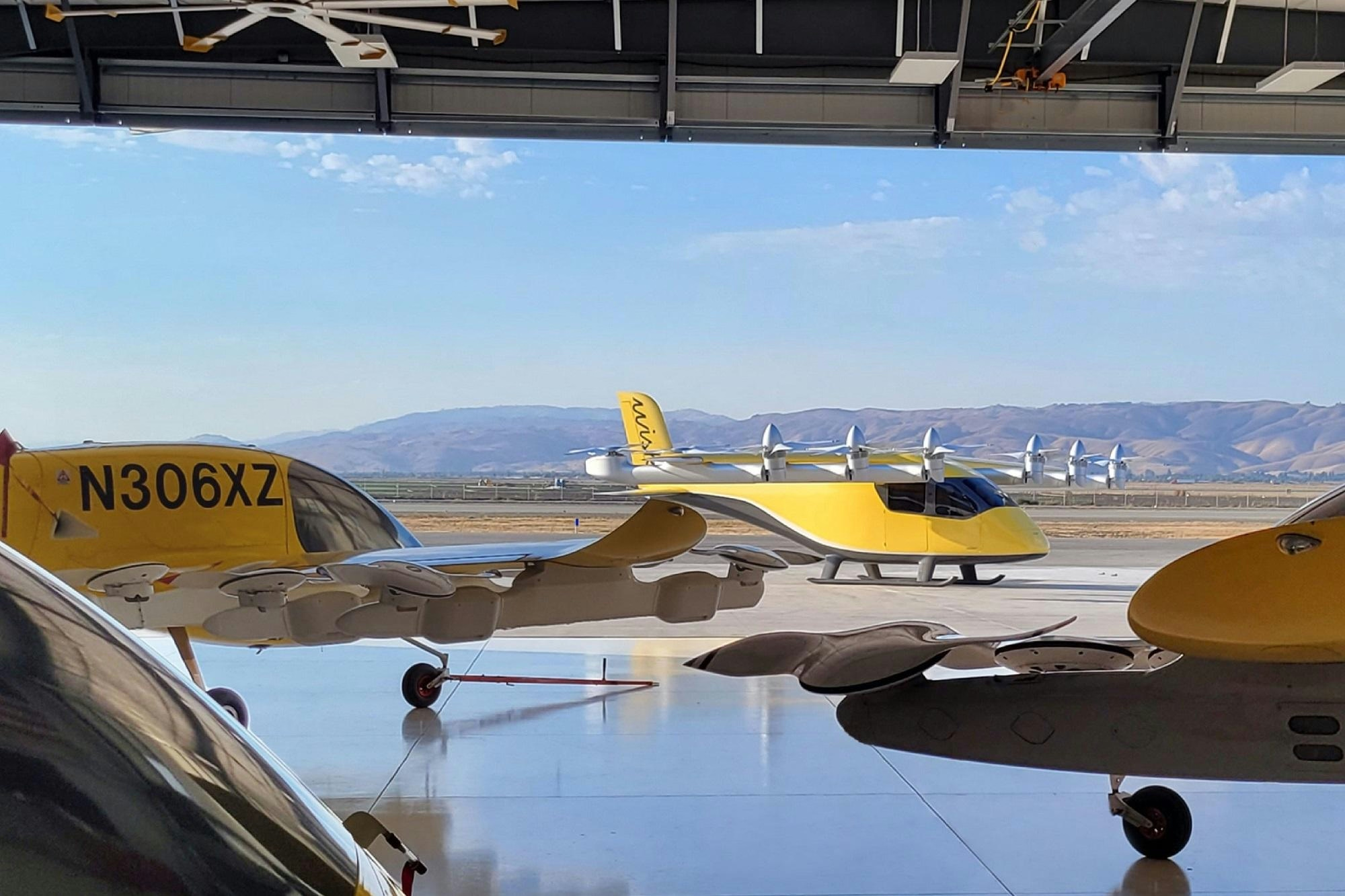
Archer Aviation Confronts Setbacks Amid Declining Air Taxi Interest

FAA and EASA Mandates to Influence Flight Line Testing Equipment Market Through 2035
Willis Lease Operates as a Leveraged Spread Business with Moderate Returns
Chinese Team Develops First Flight Control Software for Bamboo Drones
Government Moves Forward with Boeing Purchase, Considers Airbus Leasing
SkyHope Appoints Aviation Industry Leader to Board
The Challenges of Certifying Autonomous Aircraft
