
AeroGenie — Seu Copiloto Inteligente.

Tendências
Categories
India Restores Aviation Links with Turkey, Extends Leasing Deal Amid Pakistan Airspace Ban
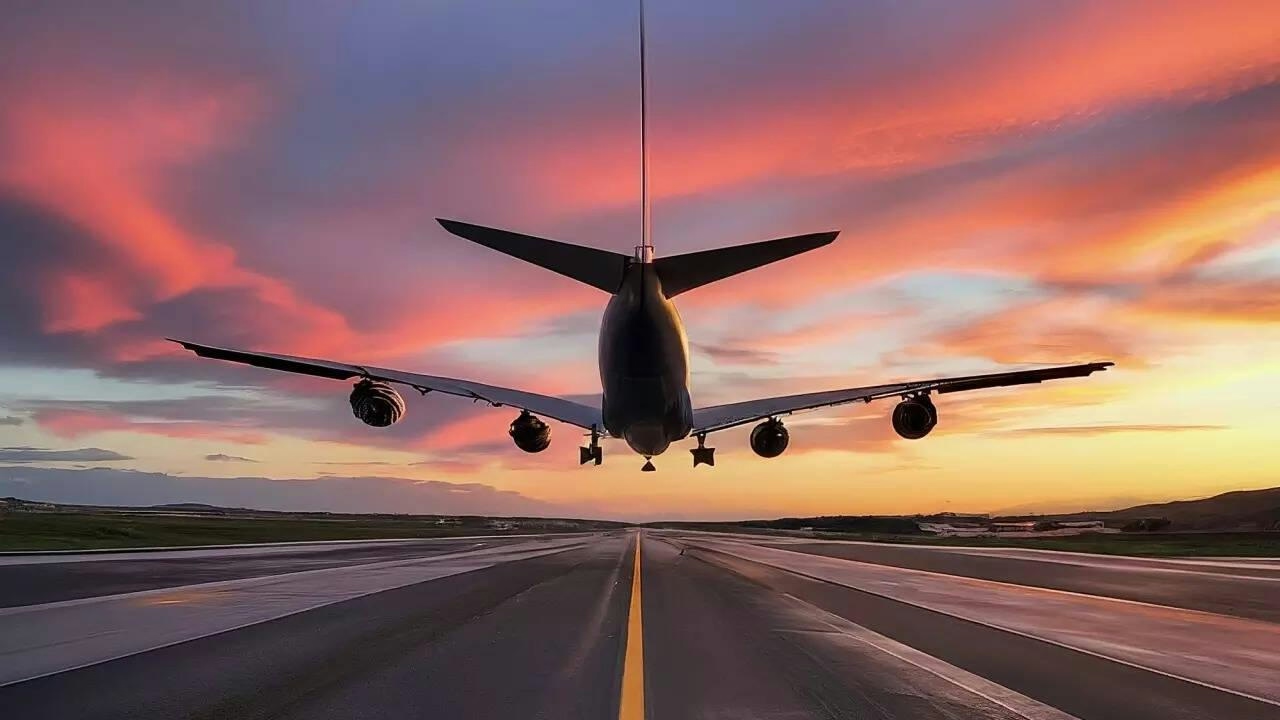
India Restores Aviation Links with Turkey Amid Pakistan Airspace Closure
India has reinstated aviation connections with Turkey and extended a critical aircraft leasing agreement in response to the ongoing closure of Pakistani airspace, which has significantly disrupted regional flight operations. These measures are designed to preserve competitive balance within the market and prevent foreign carriers from gaining disproportionate dominance, even as Indian airlines grapple with escalating operational challenges.
According to sources cited by the Economic Times, IndiGo faced difficulties operating flights to Istanbul using its Airbus A320 and A321 aircraft due to range limitations imposed by the longer routes necessary to circumvent Pakistani airspace. An official explained that without intervention, the India-Turkey route risked becoming entirely dominated by Turkish carriers, a scenario the government sought to avoid. Similarly, SpiceJet confronted the possibility of suspending routes if leasing permissions were not extended, a development that could have led to increased ticket prices for passengers.
Impact of Pakistani Airspace Closure on Regional Aviation
The closure of Pakistani airspace has compelled Indian airlines to reroute flights, resulting in increased fuel consumption, extended travel times, and higher operational costs. These disruptions have affected not only direct India-Turkey flights but have also had wider implications across airline networks. For example, Air India was forced to suspend a US-bound route due to these restrictions, highlighting the broader impact on passenger connectivity and airline operations.
Industry analysts observe that such disruptions may prompt shifts in passenger demand, as travelers seek alternative routes or carriers offering more convenient schedules. Airlines are anticipated to adjust their flight schedules and capacities accordingly. While some carriers, such as Air Astana, have successfully expanded their networks despite similar airspace challenges, Indian airlines continue to navigate a complex environment characterized by regulatory constraints and heightened competitive pressures.
The Indian government’s prompt action to restore aviation links with Turkey and extend leasing arrangements underscores a strategic effort to support domestic carriers and stabilize the market. Nonetheless, the situation remains dynamic, with airlines and regulators closely monitoring developments and preparing for further adjustments as the regional airspace landscape evolves.
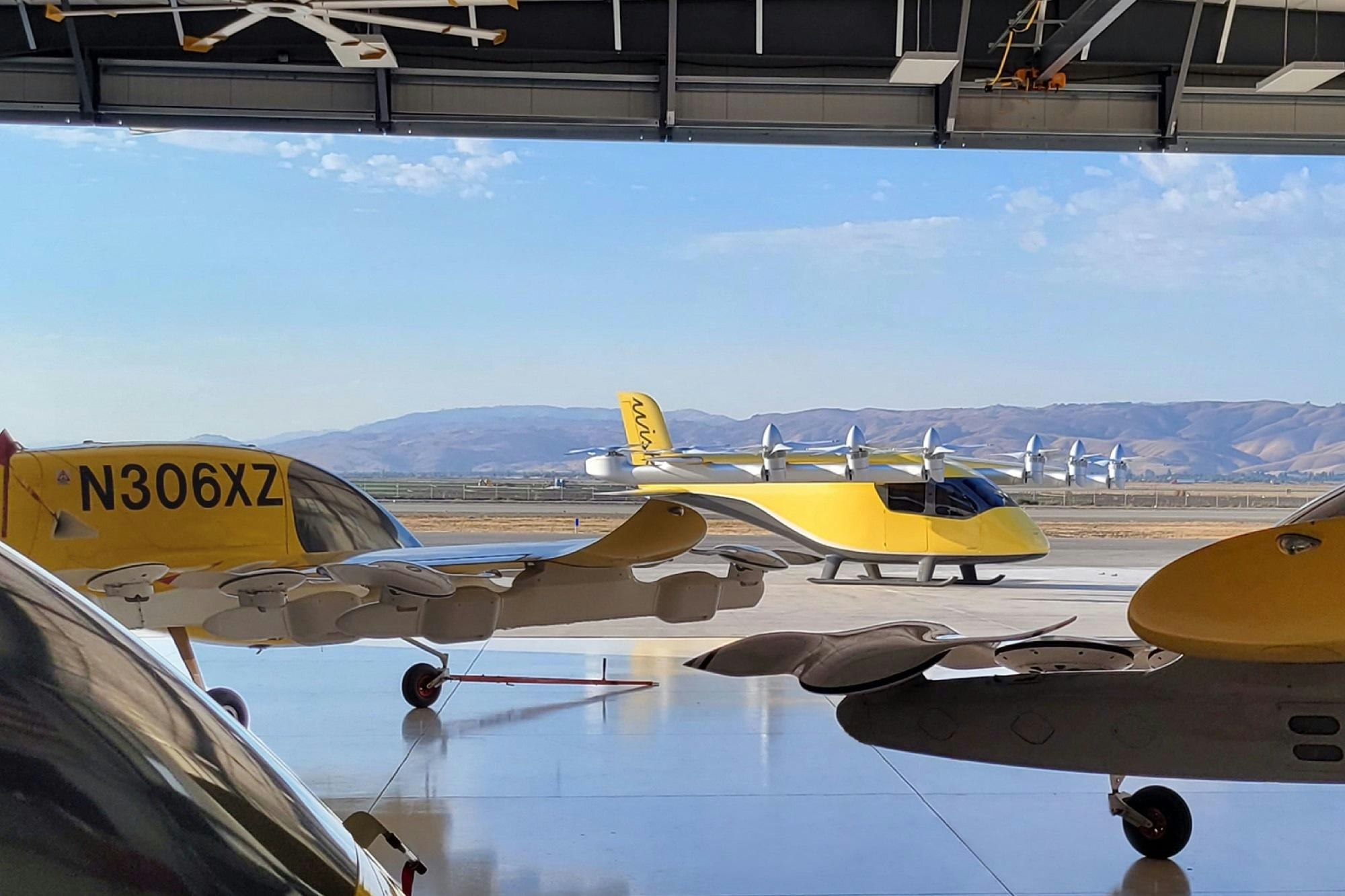
Archer Aviation Confronts Setbacks Amid Declining Air Taxi Interest

Chinese Team Develops First Flight Control Software for Bamboo Drones
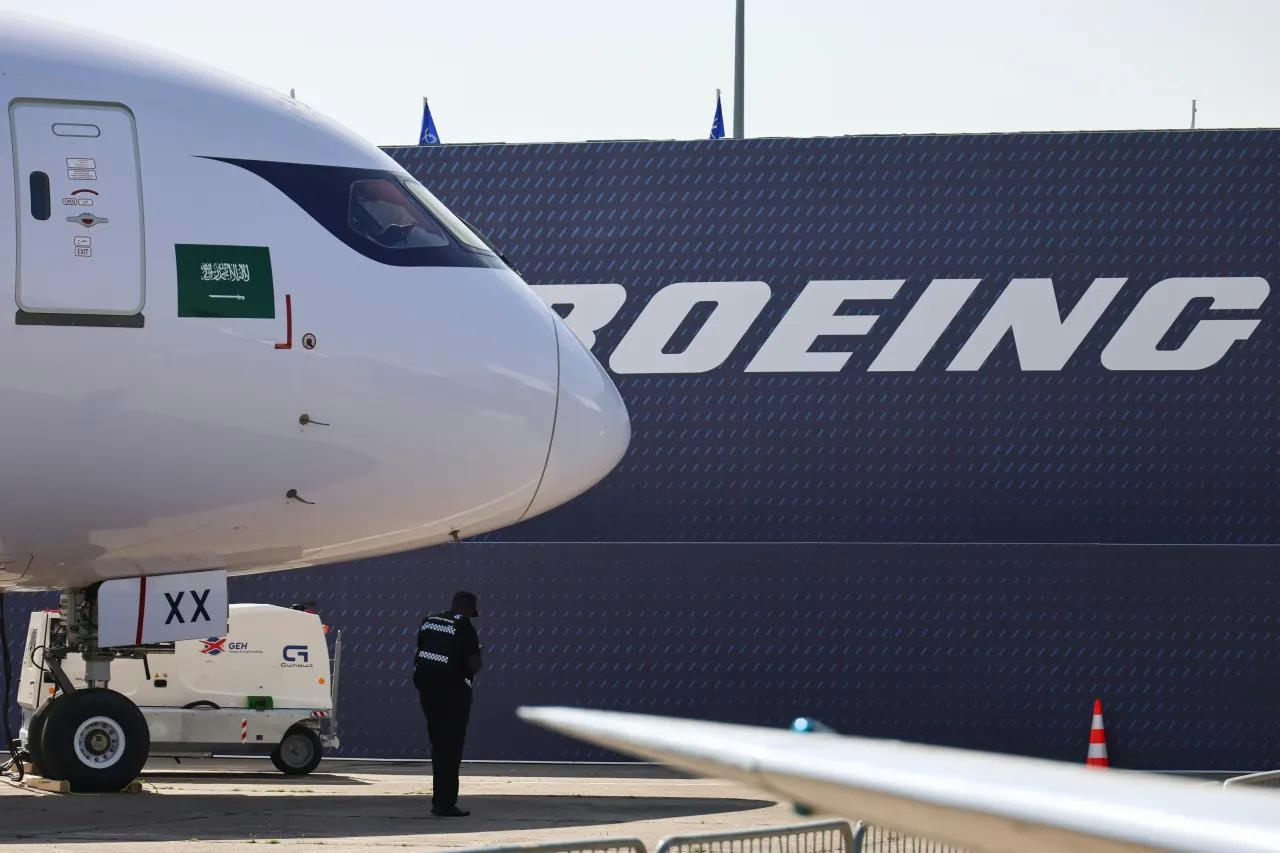
Government Moves Forward with Boeing Purchase, Considers Airbus Leasing

SkyHope Appoints Aviation Industry Leader to Board
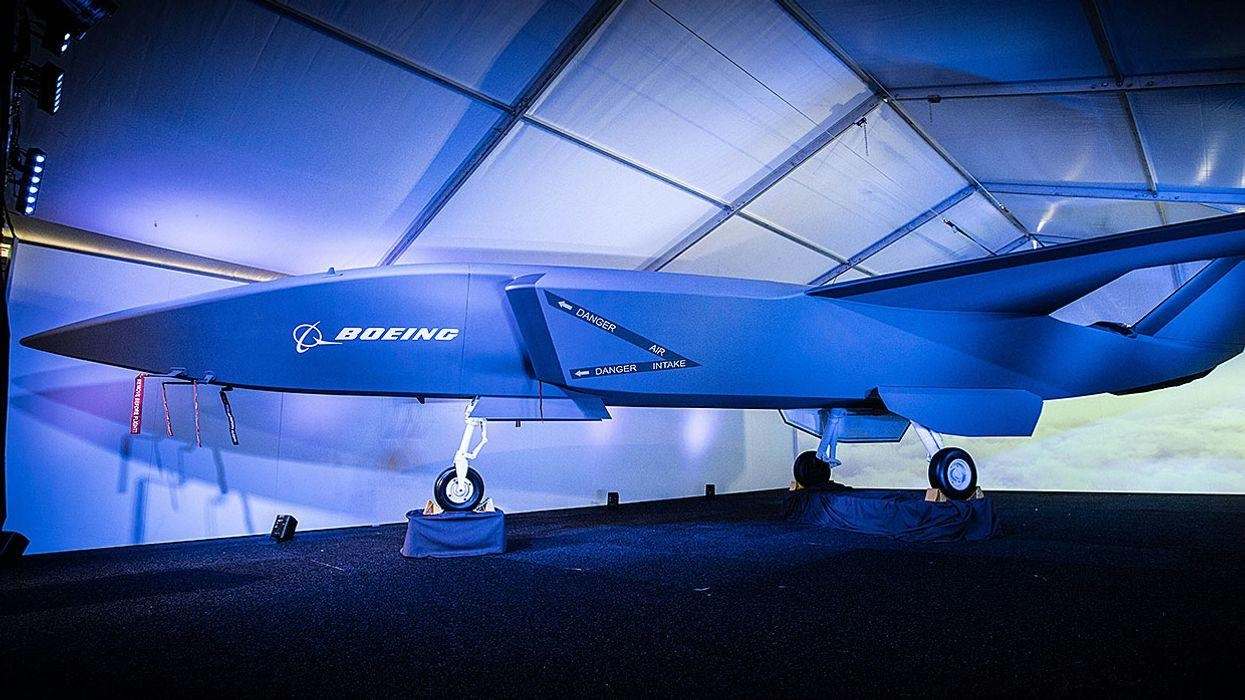
The Challenges of Certifying Autonomous Aircraft

KLM to Receive First Airbus A350, Announces Initial Routes

Saxon Air Receives Clean and Green Energy Innovation Award
How BEB Tax Policies Impact Airlines’ International Leasing Contracts
Indonesia’s Danantara and Mandiri Partner with SMBC to Launch $800 Million Aviation Leasing Fund

South Korea’s SUM Air Places Order for New ATR Aircraft
