
AeroGenie — Seu Copiloto Inteligente.

Tendências
Categories
Delta Aims to Solve Challenges in Last-Mile Parcel Delivery

Delta Aims to Solve Challenges in Last-Mile Parcel Delivery
Delta Airlines is set to report its second-quarter results on Thursday, with investors closely examining a relatively new venture: parcel delivery. Launched last year, this service represents Delta’s attempt to capitalize on the rapid expansion of e-commerce. However, while the initiative offers promising opportunities, it also presents notable challenges.
Historical Context and Industry Background
Transporting cargo is not a novel concept for passenger airlines. Dan Bubb, a professor of aviation at the University of Nevada, Las Vegas, highlights that the airline industry originally began by transporting mail. In the early days, the distinction between cargo and passenger transport was often blurred; passengers sometimes literally sat on bags of mail. Even after airlines introduced proper seating, many continued to generate additional revenue by utilizing spare cargo space on flights. Robert Mann, an airline consultant, notes that with thousands of daily flights operated by major network carriers, a significant amount of cargo capacity remains unused.
Delta’s Unique Approach to Parcel Delivery
Delta’s parcel delivery program distinguishes itself by offering door-to-door service, a feature not provided by other major carriers. This approach could appeal to customers seeking convenience, as it eliminates the need to transport packages to the airport. Mann points out that the process of going to the airport has become increasingly cumbersome, involving greater time, cost, and stress. While Delta’s core operations revolve around airports and airplanes, the airline already manages some door-to-door logistics, such as delivering delayed baggage, according to Vijay Pandiarajan, a business professor at the University of Michigan. The new parcel delivery service leverages this existing expertise by partnering with third-party firms to handle the last mile of delivery.
Limitations and Competitive Challenges
Despite its innovative approach, Delta’s strategy faces inherent limitations. Pandiarajan notes that many remote locations are no longer served by Delta flights, citing examples such as Eerie, Pennsylvania, and Lincoln, Nebraska, where the airline has ceased operations. This means that for some destinations, the so-called last mile could extend to a much longer distance. Established logistics companies like FedEx, UPS, and Amazon have developed extensive networks of warehouses and operate fleets of trucks running around the clock, giving them a significant advantage in last-mile delivery.
Timing and reliability also pose challenges for Delta’s parcel service. Bubb explains that the availability of cargo space on passenger flights can be unpredictable, as priority is given to passenger baggage and critical shipments such as human organs. Additionally, passenger flights are subject to delays, which can further complicate the timely delivery of parcels.
Delta’s parcel delivery initiative thus represents a bold attempt to innovate within the airline industry’s cargo segment, but it must navigate a complex landscape marked by operational constraints and fierce competition.
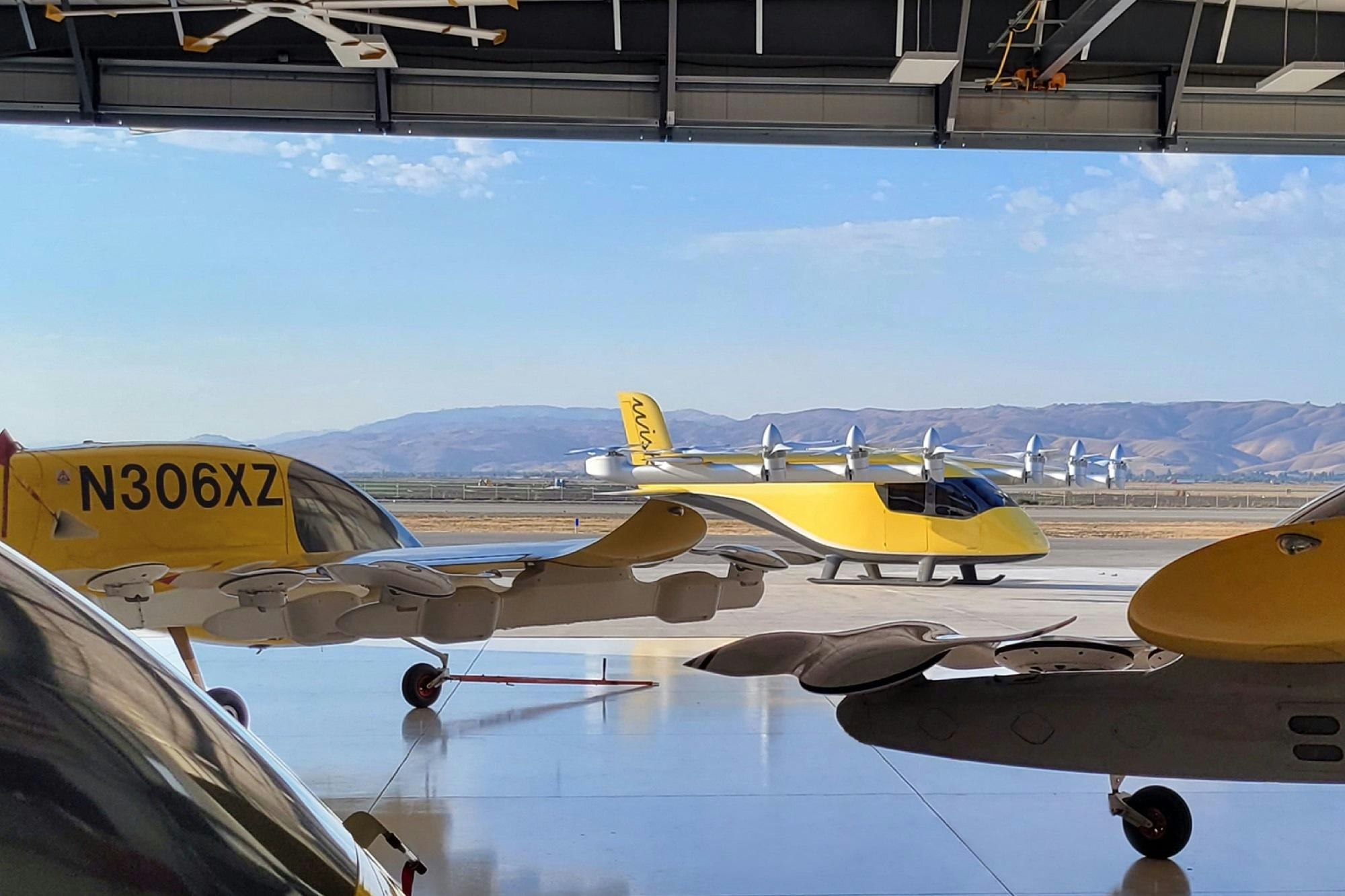
Archer Aviation Confronts Setbacks Amid Declining Air Taxi Interest
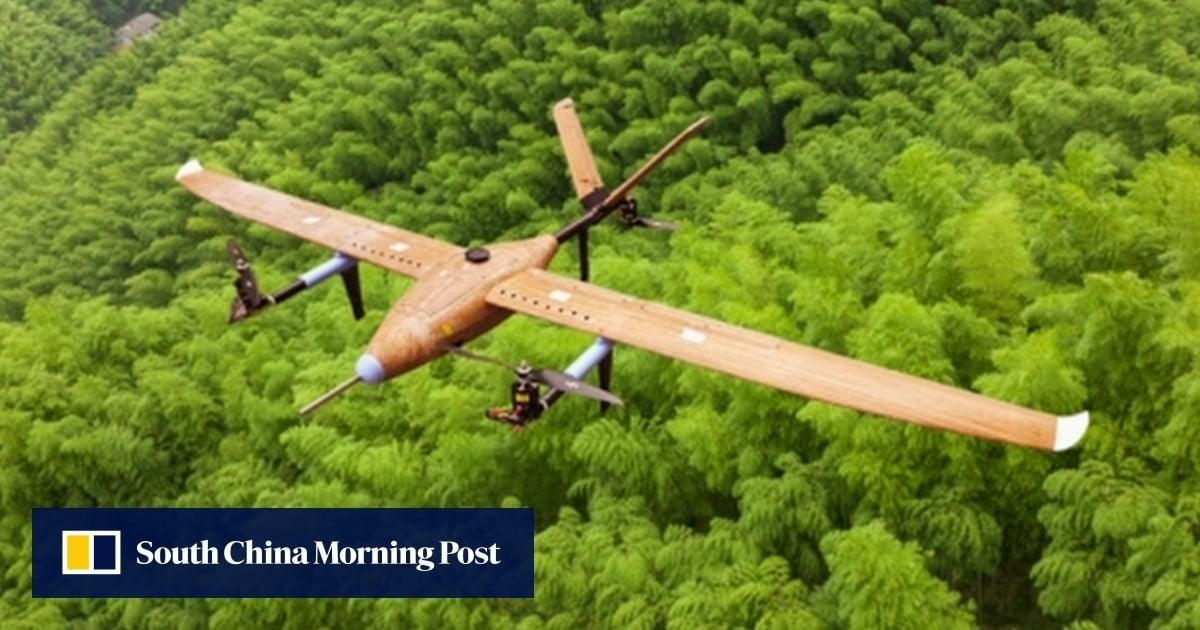
Chinese Team Develops First Flight Control Software for Bamboo Drones
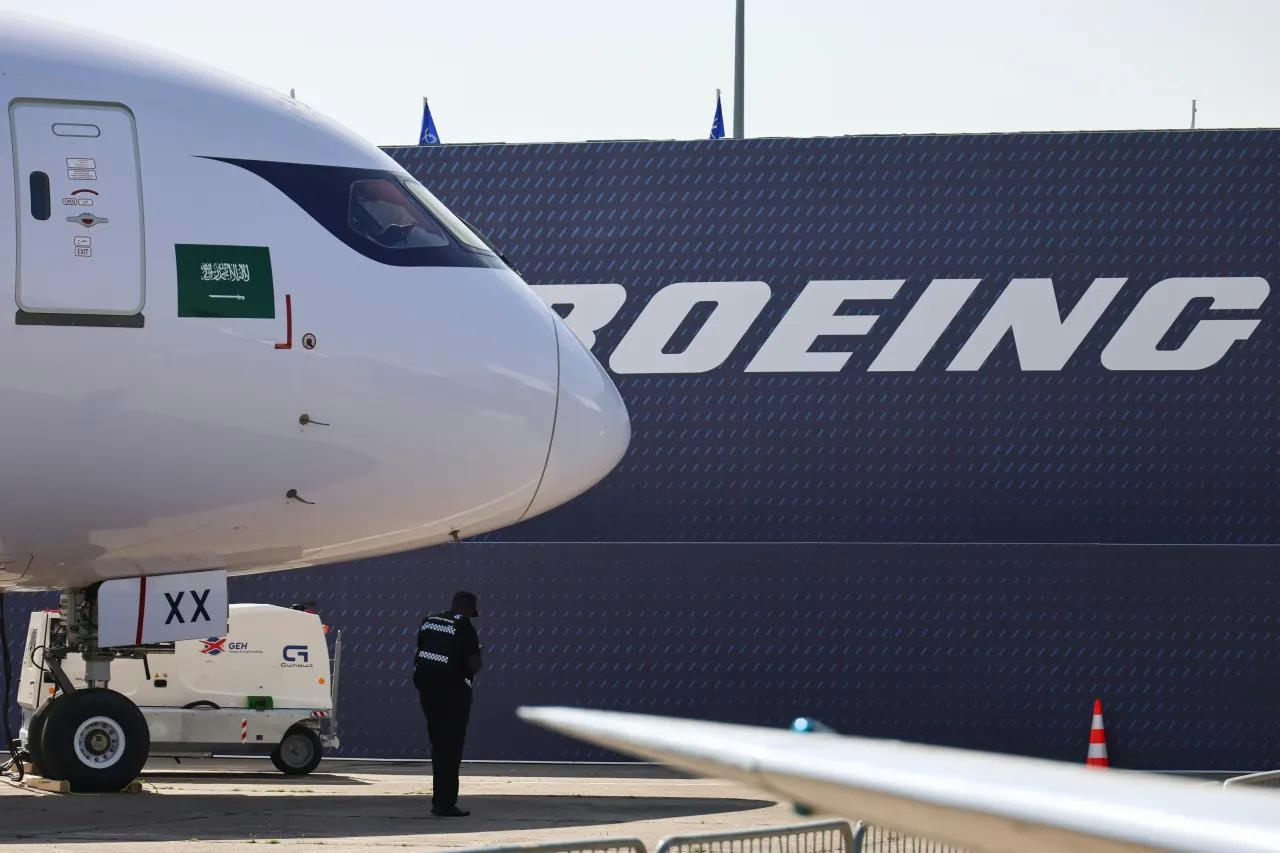
Government Moves Forward with Boeing Purchase, Considers Airbus Leasing
SkyHope Appoints Aviation Industry Leader to Board
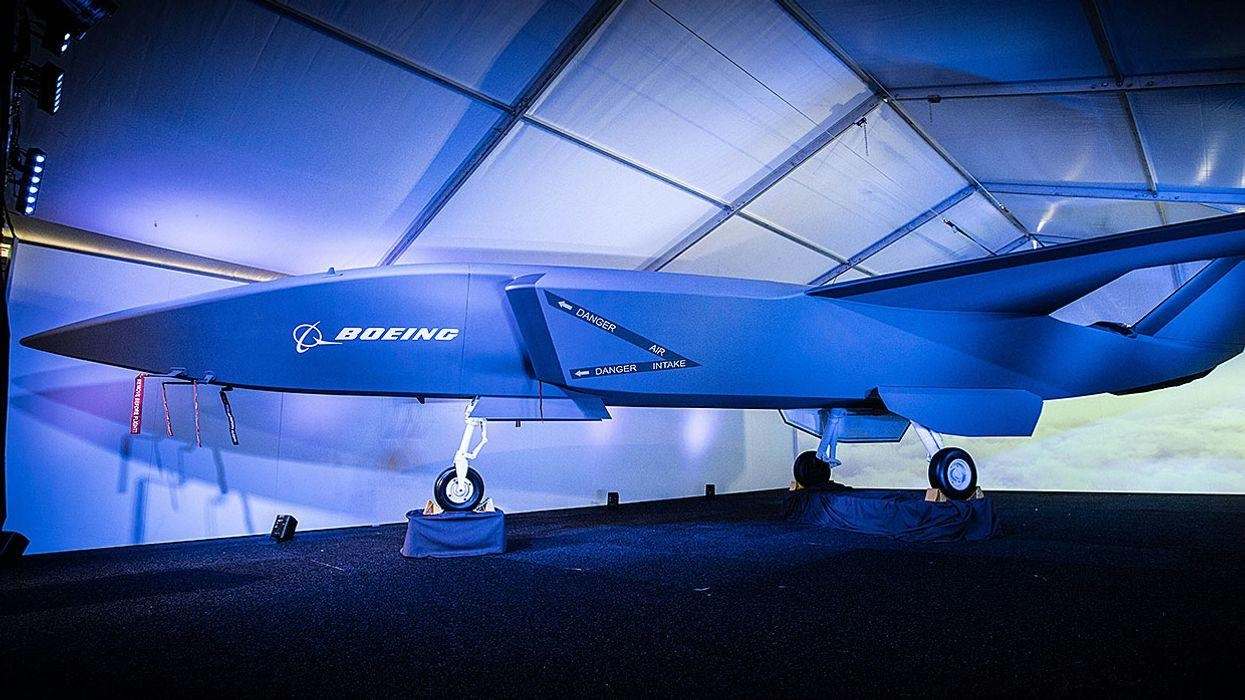
The Challenges of Certifying Autonomous Aircraft
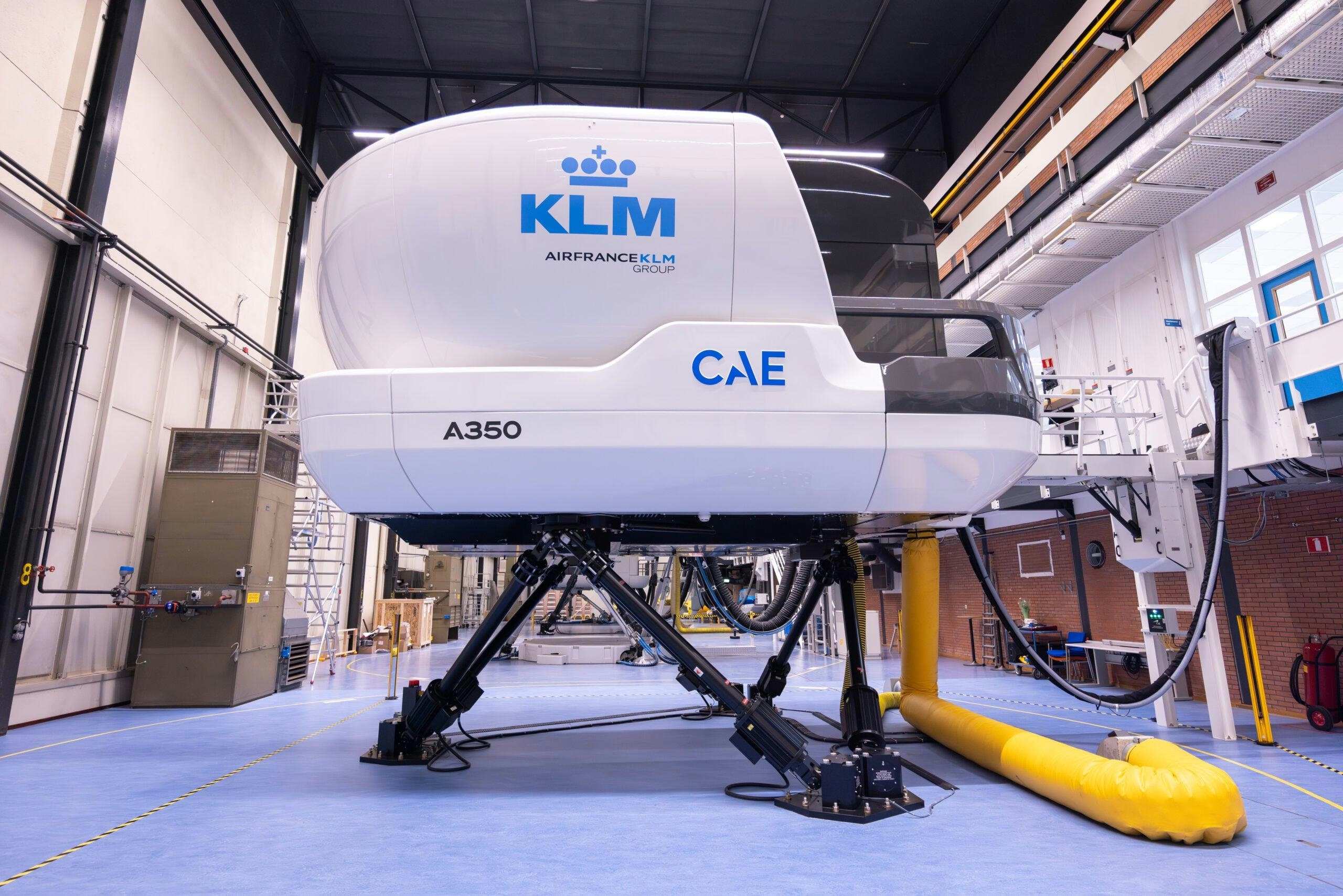
KLM to Receive First Airbus A350, Announces Initial Routes
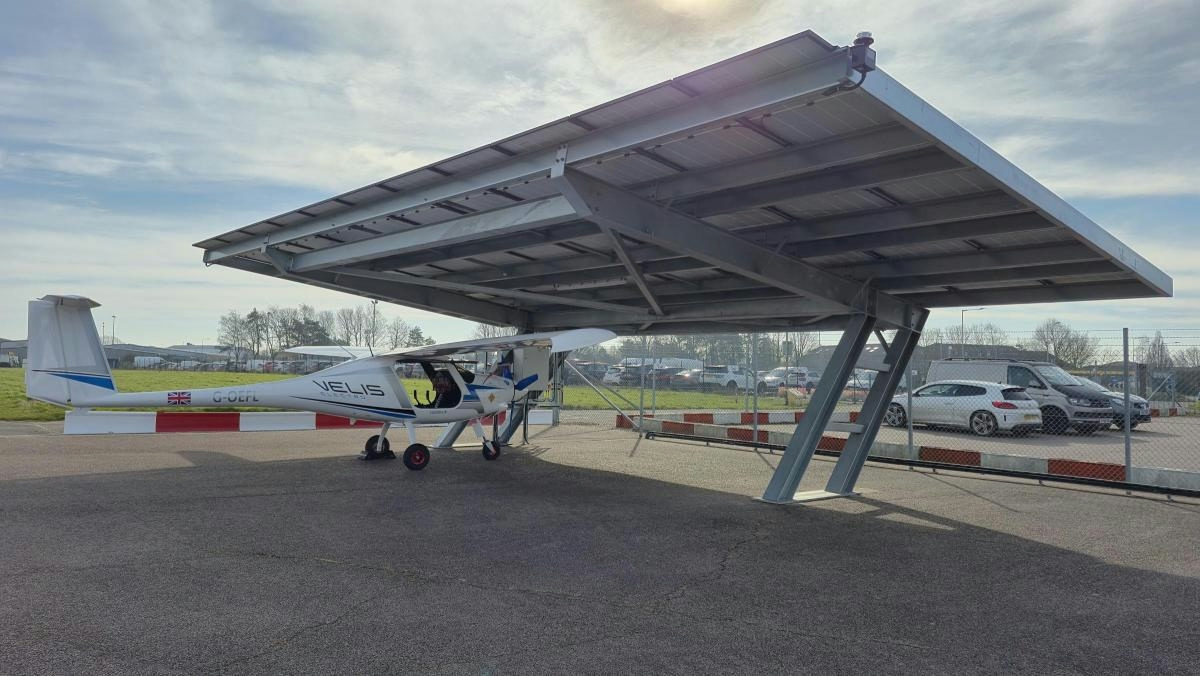
Saxon Air Receives Clean and Green Energy Innovation Award
How BEB Tax Policies Impact Airlines’ International Leasing Contracts

Indonesia’s Danantara and Mandiri Partner with SMBC to Launch $800 Million Aviation Leasing Fund
South Korea’s SUM Air Places Order for New ATR Aircraft
