
AeroGenie — Seu Copiloto Inteligente.

Tendências
Categories
Delivery Delays and Canceled SAF Projects Prompt Focus on Fuel Efficiency

Delivery Delays and Canceled SAF Projects Prompt Focus on Fuel Efficiency
The aviation sector is intensifying its efforts to reduce fuel consumption and carbon emissions from existing fleets amid ongoing supply chain disruptions and setbacks in sustainable aviation fuel (SAF) development. Delays in new aircraft deliveries, coupled with the cancellation of several SAF projects by oil companies, have compelled airlines and manufacturers to prioritize operational efficiency and alternative emission reduction strategies.
Industry Response to Operational Challenges
German flag carrier Lufthansa recently reported saving approximately 54,000 metric tons (17.9 million gallons) of jet fuel over the past three years through the implementation of more than 90 fuel-saving initiatives. This achievement underscores a wider industry trend, as airlines seek immediate and practical solutions to curb emissions in the face of uncertainty surrounding fleet renewal timelines and SAF availability.
The International Air Transport Association (IATA) has highlighted the financial and environmental costs associated with inefficient fuel use, noting that airlines lose hundreds of millions of dollars annually due to jet fuel wasted during aircraft idling on the ground before takeoff. Despite advances in fuel efficiency, IATA data indicates that overall aircraft carbon emissions continue to rise, emphasizing the urgency of effective mitigation measures.
Challenges and Shifts in Sustainable Aviation Fuel
The delays in aircraft deliveries and the cancellation of several SAF projects have reinforced the need for direct and actionable approaches to emissions reduction. Although SAF production is gradually increasing, the industry recognizes that scaling up to meet global demand remains a significant long-term challenge. In response, airlines are investing not only in fuel-saving technologies and operational improvements but also adapting to market pressures and competitive dynamics.
European carriers, in particular, are intensifying efforts to eliminate greenwashing and focus on the authentic use of sustainable aviation fuel. This shift reflects heightened regulatory scrutiny and growing consumer demand for transparency in environmental claims, underscoring the importance of credible sustainability initiatives.
Governments and industry stakeholders are also advancing domestic SAF production capabilities. For example, Australia’s NSW Renewable Fuel Strategy aims to develop a sustainable aviation fuel sector that enhances both environmental outcomes and national fuel security. Similarly, new investments are emerging globally, such as Aether Fuels’ recent agreement to build a gas-to-liquid SAF plant in Singapore, signaling growing momentum in SAF infrastructure development.
As airlines contend with delivery delays and evolving SAF landscapes, the pursuit of enhanced fuel efficiency and genuine sustainability measures remains a central priority for the aviation industry.

Plane lands on Pennsylvania highway due to ‘engine issues,’ FAA says
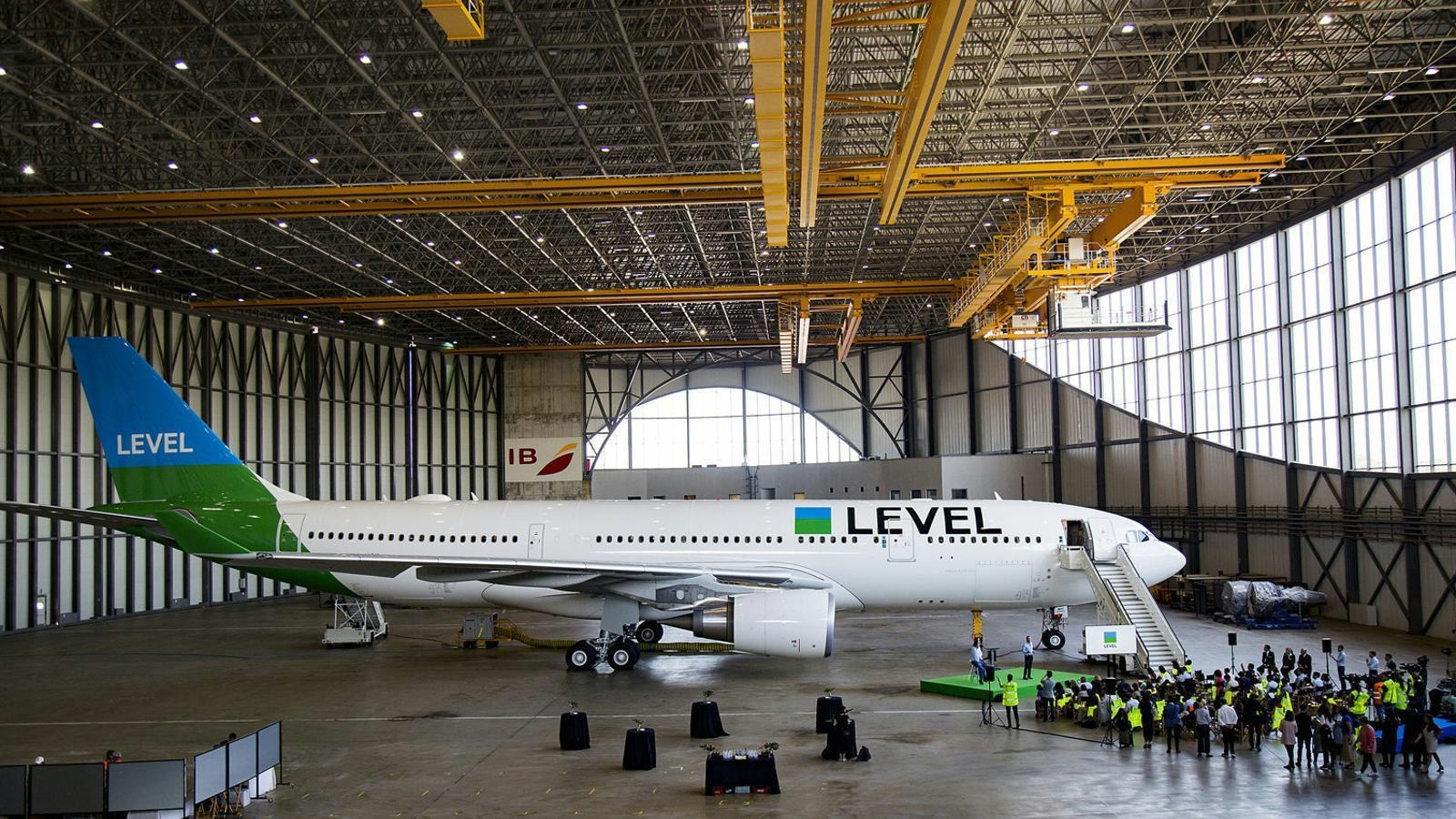
LEVEL Suspends San Francisco Flights Due to Engine Shortage
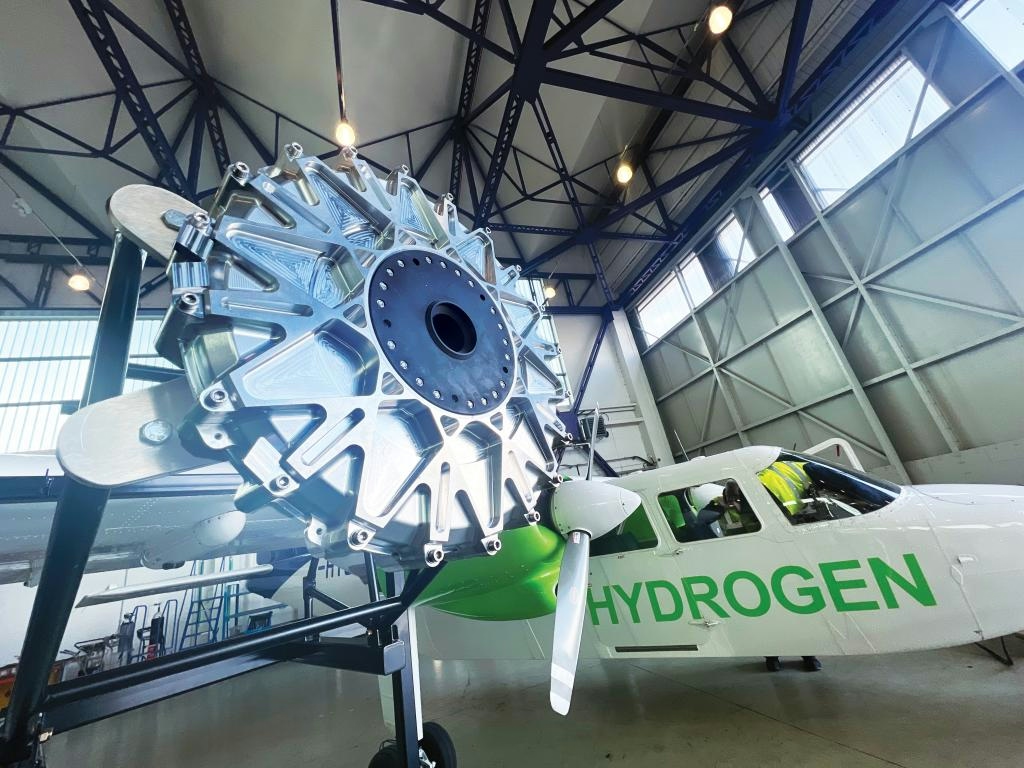
China Conducts First Flight Test of Megawatt Hydrogen Turboprop Engine

Oklahoma’s Aerospace Industry Expands and Its Impact on the State Economy
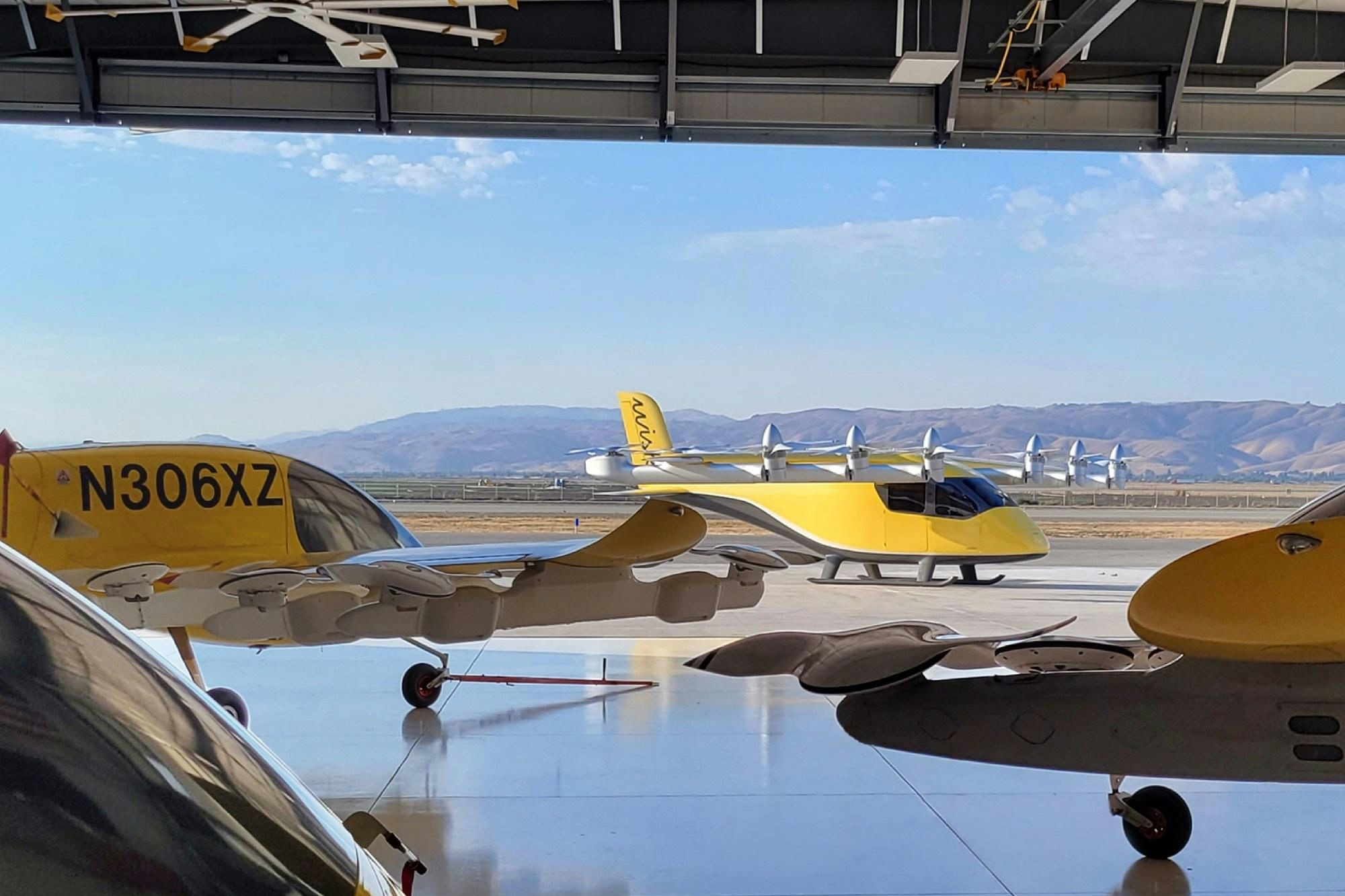
Archer Aviation Confronts Setbacks Amid Declining Air Taxi Interest

FAA and EASA Mandates to Influence Flight Line Testing Equipment Market Through 2035
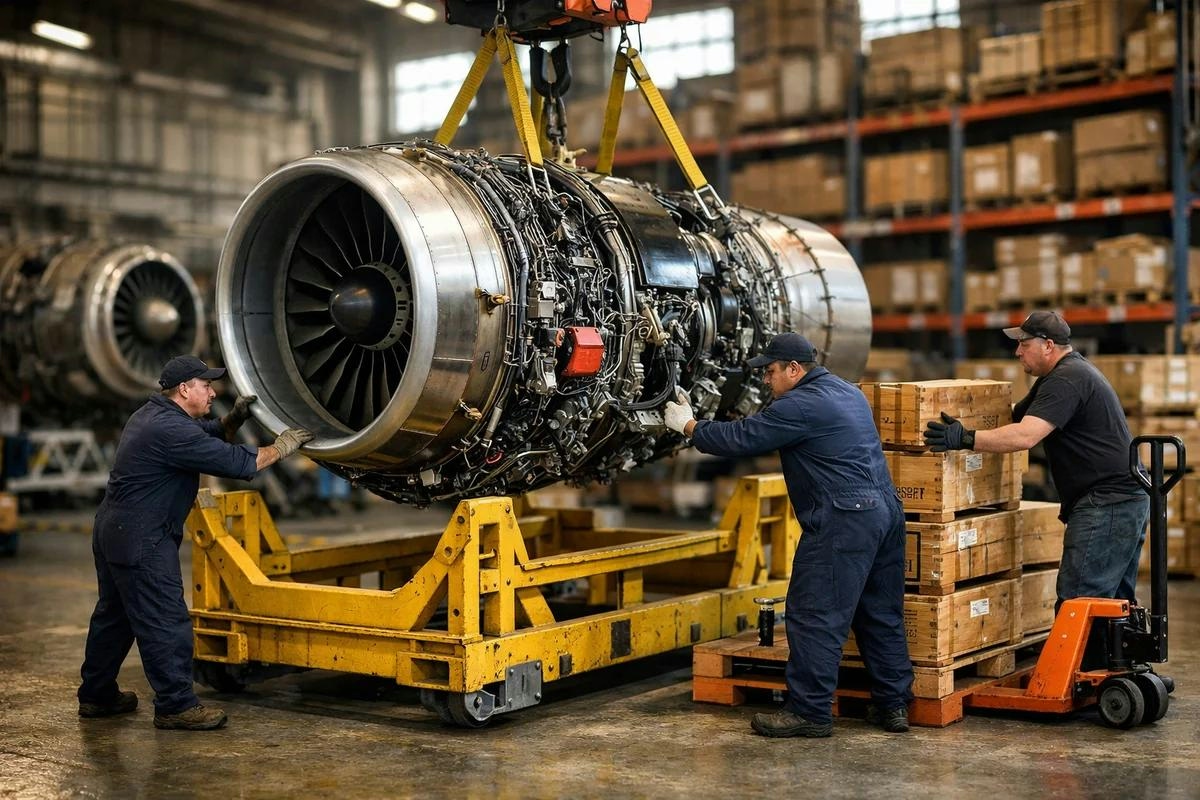
Willis Lease Operates as a Leveraged Spread Business with Moderate Returns

Chinese Team Develops First Flight Control Software for Bamboo Drones
Government Moves Forward with Boeing Purchase, Considers Airbus Leasing

Changes in Airline Industry Leadership, Alliances, and AI
