Imagem

AeroGenie — Seu Copiloto Inteligente.

Pergunte qualquer coisa. Analise tudo. Aja imediatamente.

Tendências

Categories

BluJay Aerospace Advances Indian Aviation

January 8, 2026By ePlane AI
BluJay Aerospace Advances Indian Aviation
0
0
BluJay Aerospace
VTOL Technology
Regional Connectivity India

BluJay Aerospace Advances Indian Aviation

Pioneering VTOL Technology for Regional Connectivity

BluJay Aerospace is poised to revolutionize regional transportation in India through its focus on Vertical Take-Off and Landing (VTOL) technology. The company’s founders identified a persistent challenge in the Indian aviation sector: regional connectivity remains constrained not only by capacity but also by limited access. Traditional approaches, such as increasing the number of aircraft and constructing additional airports, have struggled to address the complexities posed by India’s vast and diverse geography. Despite decades of growth in aviation, many regions continue to be underserved.

VTOL technology presents a fundamentally new solution by eliminating the need for large runways and enabling direct point-to-point travel. This innovation could unlock novel models of regional connectivity, particularly suited to India’s infrastructure gaps and varied terrain. Recent advancements in composite materials, electric propulsion, autonomous systems, and hydrogen power have converged to make VTOL aircraft both technically feasible and economically viable. For a country like India, these developments hold the potential to transform the landscape of regional air mobility.

Challenges and Competitive Landscape

BluJay Aerospace’s ambitious vision is not without significant challenges. The company faces intense competition from established global aerospace leaders such as SpaceX and Blue Origin, both of which have expressed interest in expanding their footprint within India’s burgeoning aviation market. In addition, domestic aerospace firms are expected to intensify efforts to safeguard their market positions, while international players may accelerate their expansion strategies in response to BluJay’s progress.

Navigating India’s complex regulatory framework represents another formidable obstacle. Obtaining the necessary approvals for emerging aviation technologies is often a protracted and uncertain process. Furthermore, the scale of BluJay’s aspirations demands substantial financial investment, attracting heightened scrutiny from investors and stakeholders closely monitoring the company’s trajectory and its potential impact on the market.

Despite these hurdles, BluJay Aerospace remains optimistic about its prospects. The company contends that India’s unique requirements, combined with the convergence of enabling technologies, position it at the forefront of a new era in aviation. As competition intensifies in the race to redefine regional air mobility, BluJay’s efforts could signify a pivotal advancement for the Indian aerospace sector—contingent on its ability to surmount the competitive, regulatory, and financial challenges ahead.
More news
Archer Aviation Confronts Setbacks Amid Declining Air Taxi Interest

Archer Aviation Confronts Setbacks Amid Declining Air Taxi Interest

Archer Aviation Confronts Setbacks Amid Declining Air Taxi Interest Financial Challenges and Market Uncertainty Archer Aviation, once heralded as a leading innovator in the electric air taxi sector, is now facing significant obstacles as investor enthusiasm for the industry wanes. The company’s stock has fallen sharply, declining 62% from its peak in 2025, reflecting growing skepticism toward high-risk, pre-revenue technology ventures. Despite achieving full compliance with Federal Aviation Administration (FAA) requirements for its Midnight aircraft, Archer remains pre-revenue and continues to incur substantial losses. In 2025 alone, the company reported an operating loss of $729 million and has resorted to diluting shareholder equity to maintain its operations. While Archer is actively pursuing the launch of air taxi networks in key urban markets such as New York, Florida, and Texas, the timeline and ultimate viability of these initiatives remain uncertain amid the challenging financial landscape. Industry Risks and Legal Disputes The air taxi industry is widely regarded as a potential disruptor of urban transportation, yet it remains fraught with considerable risk. Archer’s ongoing cash burn and absence of revenue highlight the difficulties faced by startups attempting to commercialize advanced aviation technologies. These struggles mirror broader challenges within the sector, as investor sentiment shifts away from speculative and capital-intensive enterprises. Adding to Archer’s operational and financial pressures is a prominent legal dispute with rival Joby Aviation. Archer has filed a counterclaim accusing Joby of fraud, alleging that Joby concealed ties to Chinese entities in order to secure U.S. government contracts. This legal confrontation threatens to divert critical resources and management focus away from Archer’s core mission of developing and deploying air taxis. The dispute has the potential to weaken Archer’s market position and further erode investor confidence. Market reactions to the lawsuit have been mixed; some investors express concern that the legal battle may distract from Archer’s primary business objectives, while others view the action as a necessary defense of the company’s interests. The case has also intensified scrutiny of Joby’s operations, potentially influencing investor sentiment toward both companies. Outlook and Future Prospects Archer Aviation remains committed to advancing its regulatory efforts and launching air taxi networks in New York, Florida, and Texas. However, the company’s future is clouded by ongoing financial losses, shareholder dilution, and the distractions posed by its legal dispute with Joby. The resolution of these regulatory and legal challenges will be critical in shaping Archer’s trajectory within the evolving air taxi market.
Chinese Team Develops First Flight Control Software for Bamboo Drones
Chinese Team Develops First Flight Control Software for Bamboo Drones

Chinese Researchers Develop First Flight Control Software for Bamboo Drones A team at Northwestern Polytechnical University’s School of Civil Aviation in China has announced the creation of what they describe as the world’s first open-source flight control system specifically designed for bamboo-frame drones. This development represents a significant stride toward producing low-cost, environmentally sustainable unmanned aerial vehicles (UAVs), addressing the technical challenges associated with integrating natural materials like bamboo into high-performance drone frameworks. Engineering Innovations for Bamboo-Based UAVs Traditional UAVs typically utilize composite materials, but bamboo airframes introduce distinct engineering complexities. The natural structure of bamboo generates low-frequency vibrations, generally between 8 and 20 hertz, which conventional flight controllers are not equipped to handle effectively. The research team detailed in a paper published on February 28 in the journal *Heilongjiang Science* that existing commercial flight controllers tend to be either closed-source and inflexible or open-source but inadequately adapted to meet local development requirements. These limitations have impeded the wider industrial adoption of bamboo-based drones. To address these issues, the researchers engineered a bespoke flight control board featuring an industrial-grade chip and a dual inertial measurement unit system. Crucially, they redesigned the control algorithms to accommodate the unique structural properties of bamboo. By refining an extended Kalman filter and exploiting bamboo’s natural vibration-damping qualities, the new system reduces control latency from 15–20 milliseconds to approximately 8–10 milliseconds. This improvement significantly enhances the drone’s responsiveness and stability during flight. Geopolitical Context and Security Concerns The introduction of this bamboo drone flight control system occurs amid intensified global scrutiny regarding the security implications of Chinese drone technology. The extensive deployment of Chinese-manufactured drones in both civilian and military spheres has raised concerns about data privacy and potential cybersecurity risks. Recent events, including the strategic vulnerabilities exposed by Chinese drones in Israel, have heightened these apprehensions. In response, several nations are reassessing their procurement policies. The United States, for instance, is considering legislation such as the American Security Robotics Act, which aims to restrict federal acquisitions of drones from companies linked to the Chinese military. Concurrently, international competitors are accelerating the development of more secure and autonomous flight control technologies. Notably, Mitsubishi Heavy Industries and Shield AI have recently demonstrated the successful integration of advanced autonomy software in Japan, signaling a broader shift toward domestically controlled UAV systems. China’s advancement in bamboo drone flight control technology thus underscores both the promise of sustainable innovation and the complex geopolitical dynamics influencing the future of unmanned aerial vehicles. The intersection of technological progress and security considerations is poised to shape not only the adoption of bamboo-based drones but also the overall direction of the global drone industry.
Government Moves Forward with Boeing Purchase, Considers Airbus Leasing
Government Moves Forward with Boeing Purchase, Considers Airbus Leasing

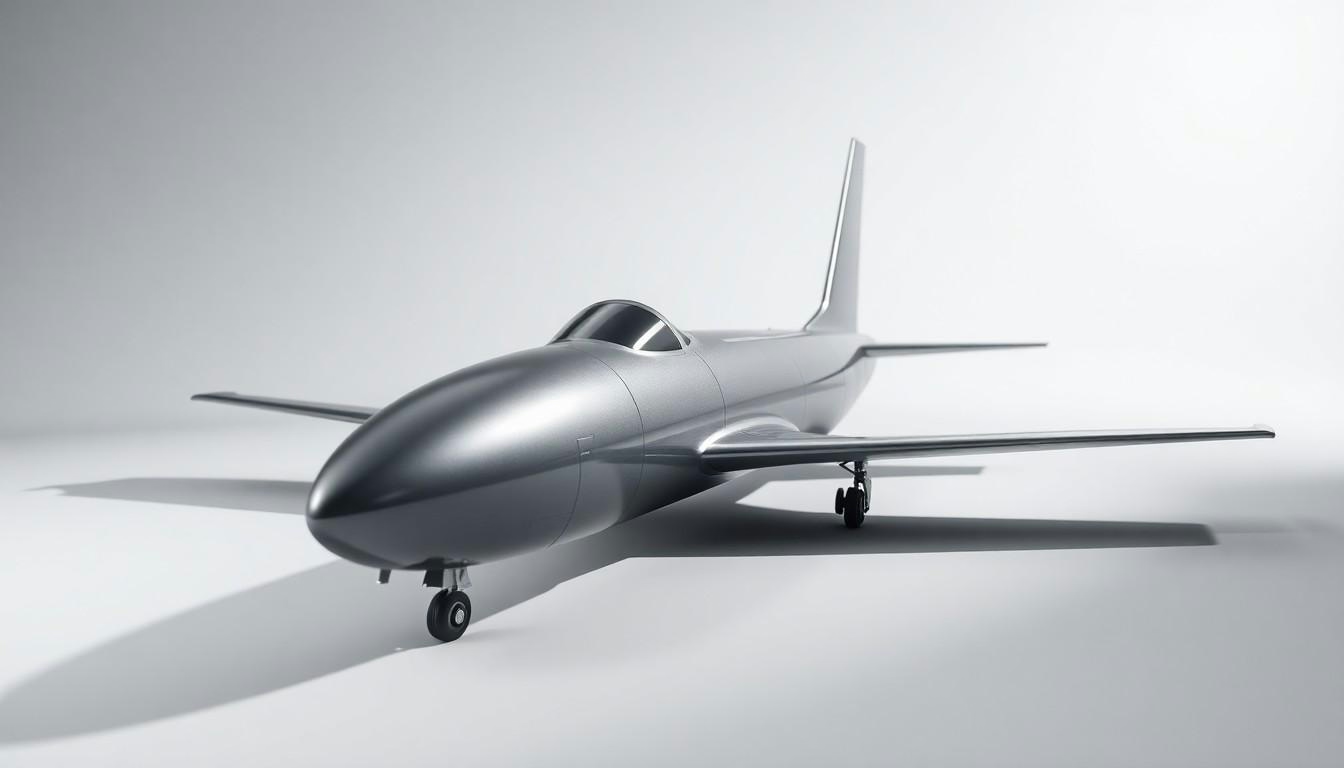
Government Advances Boeing Purchase, Weighs Airbus Leasing Amid Industry Challenges The government is progressing toward finalizing the purchase of 14 Boeing aircraft for Biman Bangladesh Airlines, while simultaneously considering leasing Airbus planes to address immediate fleet requirements during a projected five-year delivery interval. This dual approach forms part of a comprehensive strategy to modernize Biman’s fleet and expand its operational capacity in response to growing passenger demand. Boeing Acquisition and Strategic Considerations State Minister for Civil Aviation and Tourism M Rashiduzzaman Millat confirmed that the interim government has granted in-principle approval for the Boeing acquisition, with only the formal signing of the agreement remaining. He emphasized that the procurement, valued at approximately $3.7 billion, includes a combination of Boeing 787 Dreamliners and 737 MAX aircraft. This mix is intended to enhance both long-haul and regional route capabilities over the coming decade. Millat also noted that purchasing from the United States could contribute to narrowing the trade imbalance between Dhaka and Washington. However, the minister acknowledged that the incoming government may undertake a review of the Boeing offer prior to finalizing the deal. Given the anticipated delivery timeline of up to five years, the government is exploring interim leasing options to maintain operational continuity. Interim Leasing and Industry Challenges To bridge the gap before Boeing deliveries commence, the government is considering leasing aircraft, preferably through dry leasing arrangements, primarily from Airbus. This strategy not only ensures uninterrupted service but also reflects a deliberate effort to diversify Biman’s fleet composition. Nonetheless, Airbus is currently confronting significant industry challenges. The European manufacturer has experienced delivery delays compared to the previous year and has yet to secure substantial widebody orders in 2026. These difficulties are exacerbated by ongoing insider trading investigations and a contentious European space merger involving Airbus, Leonardo, and Thales, which has met resistance from local competitors. Such factors may affect aircraft availability and influence the dynamics of future negotiations. Fleet Expansion and Organizational Reforms At present, Biman operates approximately 14 aircraft on international routes, a figure considerably below the estimated requirement of 30 to 35 planes necessary to meet rising passenger demand and support planned network expansion. The government’s combined approach of long-term acquisition and short-term leasing aims to stabilize operations and establish a foundation for sustained growth. In addition to fleet modernization, Millat highlighted ongoing reforms within Biman, including comprehensive reviews of operational structures to address inefficiencies and improve passenger services. Recruitment efforts are underway to fill critical manpower gaps and strengthen the airline’s organizational framework. Regarding Hajj operations, the minister assured that preparations are complete, with necessary staff deployed to ensure smooth and uninterrupted flights for pilgrims. The government’s overarching objective remains to transform Biman into an international-standard airline through structural reforms, fleet expansion, and enhanced service quality, despite the evolving challenges in the global aerospace sector.
SkyHope Appoints Aviation Industry Leader to Board
SkyHope Appoints Aviation Industry Leader to Board

SkyHope Strengthens Leadership with Appointment of Bradley D. Mottier to Board SkyHope, a prominent player in the aviation technology sector, has announced the appointment of Bradley D. Mottier to its board of directors. This strategic move, revealed on April 3, 2026, highlights the company’s dedication to innovation and its ambition to maintain a leading position within a highly competitive industry. Mottier’s extensive experience and respected reputation in aviation are expected to play a pivotal role in guiding SkyHope’s future growth and strategic initiatives. Experienced Leadership to Guide Strategic Growth Bradley D. Mottier brings decades of senior leadership experience from major aviation firms, where he was instrumental in advancing technological innovation and enhancing operational efficiency. His expertise is anticipated to provide valuable insight as SkyHope seeks to expand its technological capabilities and improve service delivery to its customers. The company views his appointment as a critical step in reinforcing its leadership team and accelerating its development in a rapidly evolving market. Implications for SkyHope and the Aviation Industry The inclusion of Mottier on the board is seen by industry analysts as a positive signal to investors, reflecting confidence in SkyHope’s strategic direction and long-term prospects. However, the integration of a new board member at this level presents challenges, including the need to align Mottier’s leadership approach with the existing corporate culture and to ensure his vision complements ongoing projects. Clear communication and measurable outcomes will be essential to address any stakeholder concerns regarding the impact of his contributions. SkyHope’s decision is also likely to draw increased scrutiny from competitors, who may respond by adjusting their own strategies to safeguard their market positions. Investors and industry observers will be closely monitoring how Mottier’s involvement influences SkyHope’s trajectory amid intensifying sector competition. Leadership Perspective and Future Outlook John Smith, CEO of SkyHope, expressed enthusiasm about the appointment, stating, “We are thrilled to welcome Bradley to our board of directors. His deep industry expertise and proven track record of driving innovation will be invaluable as we continue to expand our capabilities and better serve our customers.” Looking ahead, SkyHope intends to leverage Mottier’s knowledge to identify new growth opportunities and strengthen its foothold in the aviation technology market. As the company integrates this new leadership, the industry will be watching for indications of how Mottier’s influence shapes SkyHope’s strategic path in the coming months.
The Challenges of Certifying Autonomous Aircraft
The Challenges of Certifying Autonomous Aircraft

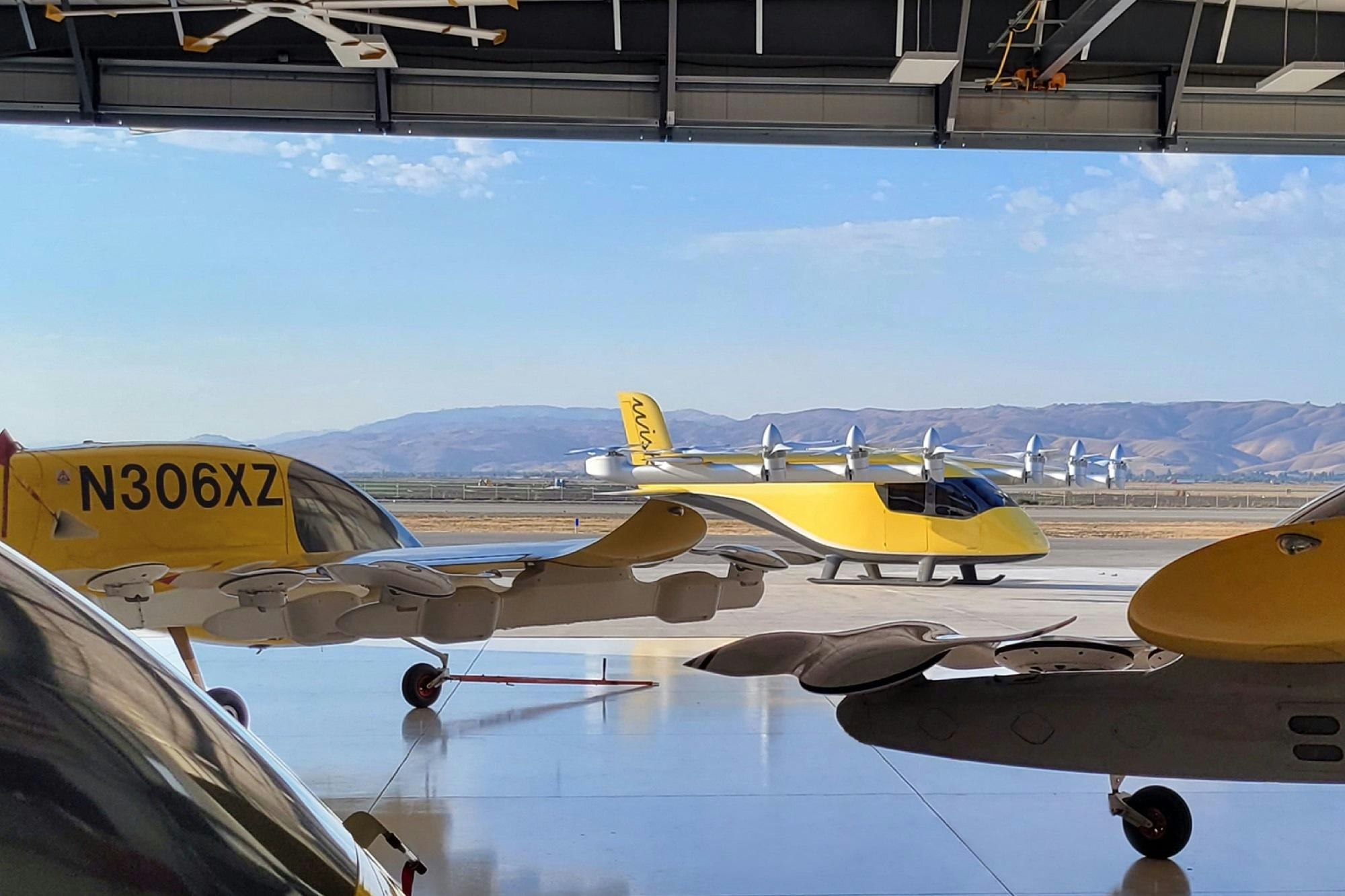
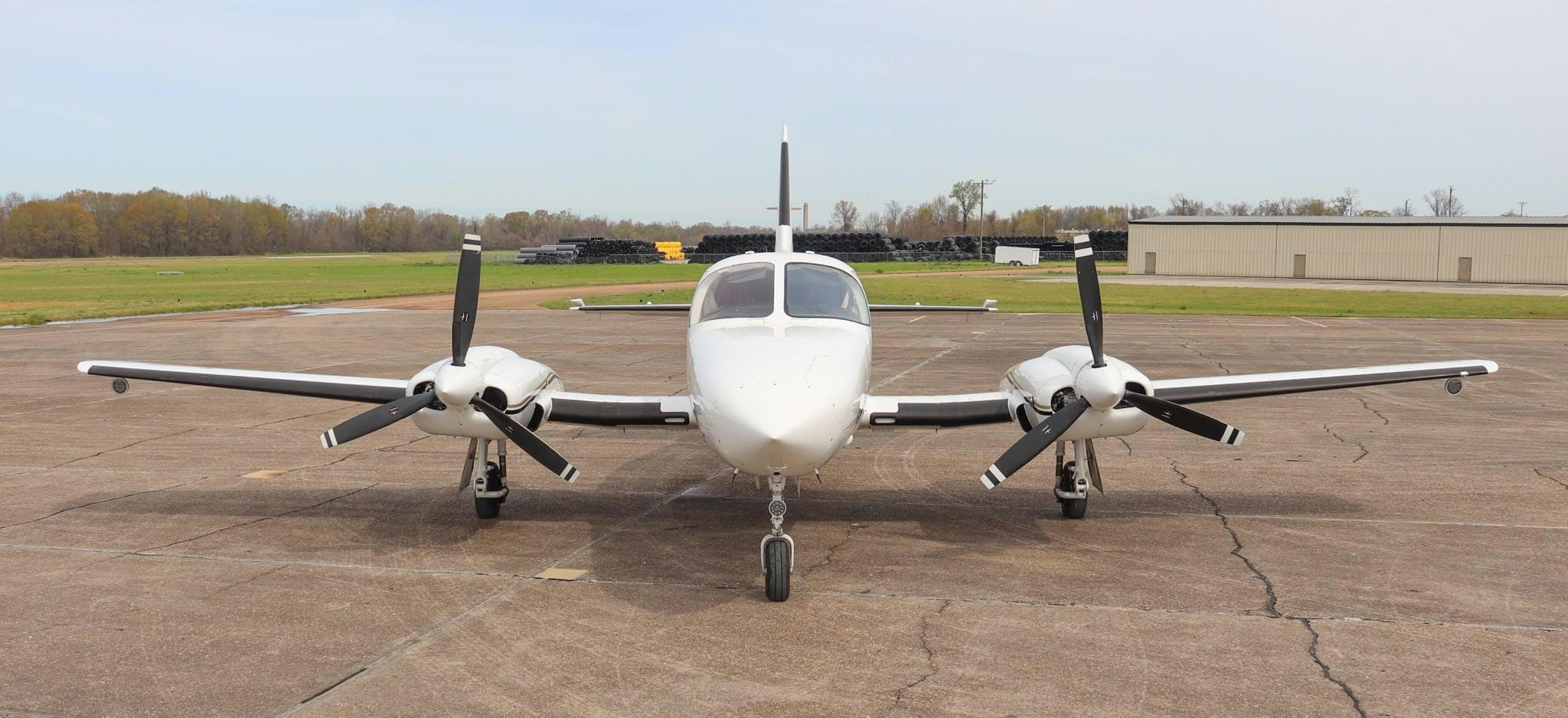
The Challenges of Certifying Autonomous Aircraft As vertical takeoff and landing (VTOL) technology progresses, the Federal Aviation Administration (FAA) has imposed stringent testing requirements on air taxi developers such as Archer Aviation, Joby Aviation, and Beta Technologies before their aircraft can enter commercial service. Among these companies, Boeing’s Wisk Aero distinguishes itself by committing to full autonomy from the outset. Unlike Archer’s Midnight, Joby’s S4, or Beta’s Alia—which are initially designed for piloted operation with plans for future autonomous upgrades—Wisk’s Generation 6 is an all-electric, four-passenger aircraft engineered to operate autonomously from its first flight. Wisk’s Autonomous Vision and Technological Framework Wisk’s autonomous system integrates advanced computing, predictive hardware and software, radar, sensors, and ground communication links to ensure safe and efficient operation. The aircraft is programmed to follow predefined routes overseen by remote Multi-Vehicle Supervisors, while simultaneously possessing the capability to independently detect and avoid other aircraft. Wisk asserts that this combination of technologies could render autonomous flights as safe as, or potentially safer than, traditional piloted operations. Regulatory Hurdles and Industry-Wide Challenges Despite these technological advancements, certifying autonomous aircraft remains a formidable challenge for Wisk and the broader industry. Regulatory authorities worldwide are still defining the parameters for certifying such novel technologies. The FAA’s eVTOL Integration Pilot Program exemplifies efforts to gather comprehensive flight data to establish safety and efficiency standards, highlighting the critical need for robust regulatory frameworks. Similarly, Brazil’s National Civil Aviation Agency (ANAC) has evolved its regulatory stance on urban drone operations, shifting from approving individual routes to enabling scalable beyond-visual-line-of-sight (BVLOS) operations. This shift reflects a global trend toward adapting regulatory systems, though significant obstacles persist. The complexity of certification is further underscored by the protracted approval processes experienced by advanced aircraft such as the Bell 525 and Leonardo AW609. These cases reveal the intricate technical and regulatory barriers that must be surmounted before innovative aircraft can achieve commercial certification. In emerging markets like Brazil, additional structural challenges and an underdeveloped aviation infrastructure complicate certification efforts, even as the potential for market growth remains substantial. Strategic Approaches to Autonomy in eVTOL Development Cindy Comer, Wisk’s vice president of SMS, certification, and quality, highlights the benefits of designing an autonomous aircraft from the ground up. She explains that retrofitting autonomy into existing aircraft is fraught with difficulties, including integrating new systems into legacy designs and the challenge of accessing original safety data. Comer emphasizes that scaling the industry will ultimately require fully autonomous aircraft. While it is possible to build piloted aircraft and transition to autonomy later, Wisk aims to avoid the need for costly redesigns by embedding autonomy from the start. In contrast, competitors such as Joby, Archer, and Beta are pursuing certification for piloted eVTOLs with plans to incorporate autonomous capabilities in the future. Wisk’s approach accepts a potentially longer and more complex path to market in exchange for a cleaner, more scalable solution. As regulatory bodies continue to refine certification processes, the outcomes of these efforts will play a pivotal role in shaping the future landscape of autonomous flight.
KLM to Receive First Airbus A350, Announces Initial Routes
KLM to Receive First Airbus A350, Announces Initial Routes

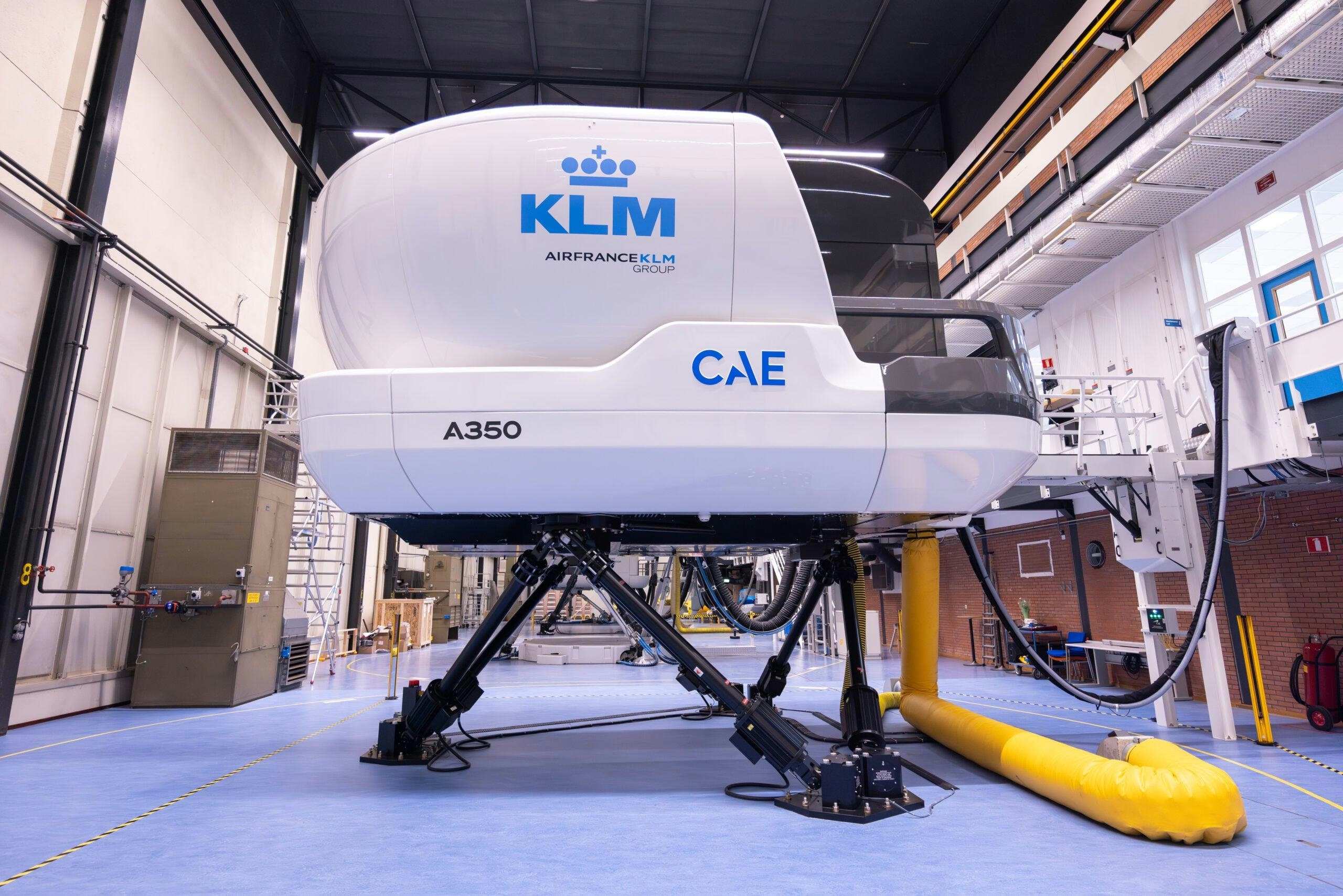
KLM to Receive First Airbus A350, Announces Initial Routes **Amsterdam** – KLM Royal Dutch Airlines is poised to achieve a significant milestone in its €7 billion fleet renewal initiative with the imminent delivery of its first Airbus A350-900 (MSN 809). The aircraft, currently in the final stages of assembly at Airbus’s Toulouse facility, already bears KLM’s distinctive blue livery and the Dutch flag on its tail. Delivery is scheduled before the end of summer 2026. The introduction of the Airbus A350-900 marks a pivotal advancement in KLM’s strategy to modernize its long-haul fleet with cleaner, quieter, and more fuel-efficient aircraft. This new model is reported to consume 25% less fuel and generate a noise footprint 40% smaller than previous-generation aircraft, aligning closely with the airline’s sustainability objectives. Assembly Progress and Crew Training The aircraft, powered by Rolls-Royce Trent XWB-84 engines, has reached station 40B on the assembly line, with its wings and landing gear already attached to the carbon fibre fuselage. Subsequent assembly phases will include the installation of winglets and engines. Recently, KLM invited members of the Dutch media to Toulouse to observe the assembly process firsthand. Following completion of painting, the aircraft will undergo comprehensive testing and customer acceptance flights prior to entering commercial service. In preparation for operational deployment, KLM has been conducting pilot training in collaboration with Air France and Finnair. The introduction of the Netherlands’ first A350-900 flight simulator in October 2025 will further enhance crew readiness ahead of the aircraft’s inaugural flight. Passenger Experience and Fleet Integration KLM’s A350-900 will accommodate 331 passengers across four cabins: 34 Business Class seats, 26 in Premium Comfort, 33 in Economy Comfort, and 238 in Economy Class. Each seat will be equipped with USB-C charging ports, Panasonic Astrova in-flight entertainment systems, and Viasat satellite connectivity. The aircraft will also feature electronically dimmable windows, replacing traditional window shades to improve passenger comfort. The A350’s advanced composite structure, reduced cabin altitude, and next-generation engines are designed to provide a quieter and more comfortable cabin environment. Pilots will benefit from a fully digital cockpit, enhancing operational efficiency. The new aircraft will gradually replace KLM’s aging Airbus A330-200, A330-300, and Boeing 777-200ER models on intercontinental routes. The first A350-900 is expected to serve the Amsterdam–Toronto Pearson (YYZ) route, likely taking over the current KL695/696 service. Operational Challenges and Market Implications Integrating the A350 into KLM’s existing fleet presents several operational challenges, including crew adaptation and maintenance adjustments. The airline must also ensure that the anticipated fuel efficiency and environmental benefits are realized in daily operations amid increasing industry scrutiny of sustainability claims. Market reactions are anticipated as competitors respond to KLM’s fleet modernization. Airlines such as Alaska Airlines and Aeromexico are expanding their transatlantic networks, while United Airlines is increasing service to secondary European destinations. These developments may prompt adjustments in route offerings and pricing strategies across the industry as carriers compete for market share. As KLM prepares for the arrival of the A350, the airline faces both opportunities and challenges in maintaining its competitive position and fulfilling its sustainability commitments.
Saxon Air Receives Clean and Green Energy Innovation Award
Saxon Air Receives Clean and Green Energy Innovation Award

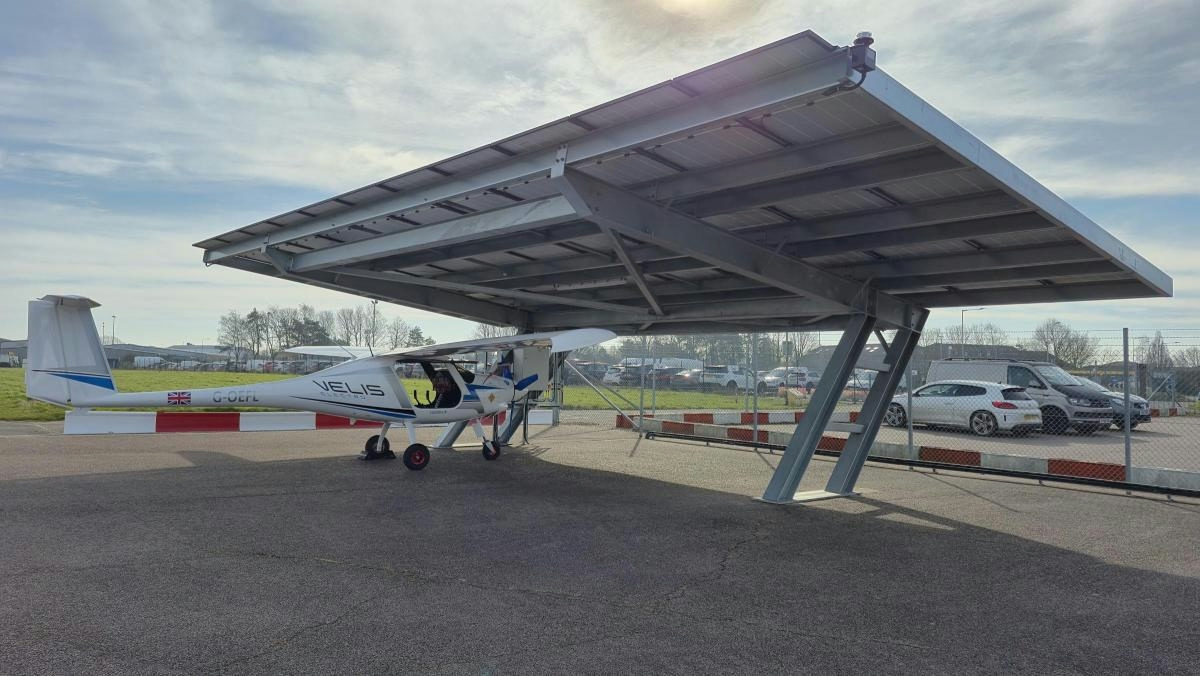
Saxon Air Receives Clean and Green Energy Innovation Award Saxon Air, a prominent private aviation company operating throughout the UK and Europe, has been honoured with the Clean and Green Energy Innovation Award in recognition of its pioneering efforts in sustainable aviation. Renowned for its bespoke charter services, the company has established itself as a leader in the green aviation sector through initiatives such as electric aircraft trials, the integration of sustainable aviation fuel (SAF), and collaborative research and development projects. Leadership in Sustainable Aviation Saxon Air has also been instrumental in the launch of Aviation East, a regional strategy designed to position the East of England as a global centre for clean aviation technology and mobility. The award judges commended Saxon Air’s “bold commitment to transforming aviation into a cleaner, more sustainable industry,” noting that its innovative approach “sets a new benchmark for the aviation industry.” Particular attention was given to the company’s new flight training centre, described as “cutting-edge,” which represents a significant advancement in decarbonising pilot training and shaping the future of sustainable aviation. Cameron Saunders of Saxon Air remarked, “This award means a lot to us. We are really trying to push forward not just for Saxon Air and the business we have and the community we are growing, but also to show the aviation world that it is possible to change the energy we are using to train the next generation of pilots as well.” His colleague Alex Durand added, “For Saxon Air, last year was all about creating a community and positively showing how we overcome difficult challenges. We’ve reinvested so we’ve got more in terms of clean power generation which means we can do more low emissions flying.” Challenges Ahead and Industry Impact While the award marks a significant milestone, Saxon Air now faces the challenge of sustaining its momentum amid heightened public scrutiny and evolving regulatory landscapes. The company must ensure the long-term viability of its innovative practices, particularly as the wider clean energy sector contends with scaling technologies and addressing supply chain, cost, and infrastructure challenges, as highlighted by the International Energy Agency. Although the recognition may provide a short-term boost in investor confidence, Saxon Air’s continued success will depend on the practical implementation and economic feasibility of its green initiatives. Competitors may respond by accelerating their own investments in clean energy or by questioning the competitive advantage such awards confer. Recognition of Other Innovators The Clean and Green Energy Innovation Award also acknowledged other finalists, including CeraPhi Energy, which has developed a patented closed-loop geothermal technology delivering zero-emission energy, and Departure Lounge Media Group, known for its advanced visual and immersive media solutions tailored to the energy sector. Both companies were praised for their leadership and innovation in sustainable energy. The awards are sponsored by National Grid, a key operator and developer of Britain’s electricity transmission and distribution networks. For further details on the East Anglia Clean and Green Awards, visit cleanandgreenawards.co.uk.
How BEB Tax Policies Impact Airlines’ International Leasing Contracts

How BEB Tax Policies Impact Airlines’ International Leasing Contracts

How BEB Tax Policies Impact Airlines’ International Leasing Contracts Challenges Faced by Ukrainian Airlines Abroad Over the past two years, Ukrainian airlines operating internationally have encountered significant difficulties stemming from the Bureau of Economic Security’s (BEB) tax policies, particularly concerning issues of double taxation. Despite having paid taxes in foreign jurisdictions, these carriers have been subjected to additional tax claims by Ukrainian authorities. The full-scale war in Ukraine compelled many airlines to relocate their operations abroad to protect their aircraft and retain skilled personnel. In this context, the imposition of further taxes by Ukrainian regulators has been perceived as an unusual and undue pressure on the aviation sector, raising serious concerns about the future viability of civil aviation in Ukraine. Double taxation has emerged as a critical challenge for companies operating through foreign jurisdictions. Ukrainian regulatory and law enforcement bodies frequently question the legitimacy of such business structures, contending that companies managed from Ukraine should be subject to domestic taxation regardless of their foreign registration. However, legal experts argue that the key determinant should be the location where income is generated and where the actual economic activity takes place, rather than the company’s registration address. Dmytro Kasianenko, founder of the law firm Kasianenko and Partners, emphasized that international conventions designed to prevent double taxation should govern these cases. He explained that when airlines conduct flights and generate revenue outside Ukraine, the same income should not be taxed twice. According to Kasianenko, if tax has already been paid abroad, Ukraine either lacks the authority to impose additional taxes or must apply a limited tax rate consistent with international agreements. BEB’s Approach and Legal Controversies The core of the dispute lies in the BEB’s methodology, which often relies on formal connections—such as the presence of Ukrainian beneficiaries or other ties to Ukraine—to justify domestic taxation. This approach tends to overlook a substantive analysis of where the economic activity actually occurs. Kasianenko noted that such claims generally lack a robust evidentiary foundation and frequently fail in court, as they do not adequately consider factors such as management control, beneficial ownership, economic substance, and the flow of funds. Implications for International Leasing Contracts in Brazil The challenges posed by BEB tax policies are not confined to Ukraine. In Brazil, similar concerns have arisen regarding the impact of these policies on airlines’ international leasing contracts. The increased tax burden threatens to complicate leasing operations, potentially making it more difficult for airlines to manage leases effectively on the international stage. John Rodgerson, CEO of Azul Airlines, has highlighted structural barriers within Brazil’s aviation market, including a disproportionate share of global passenger lawsuits and the requirement to finance operations in local currency. These factors, combined with underdeveloped market conditions, contribute to less favorable leasing terms for international operators. The financial pressures resulting from BEB tax policies may compel airlines to reconsider their leasing strategies, shift operational priorities, or explore alternative markets. As the aviation sectors in both Ukraine and Brazil confront these regulatory and financial challenges, the risk of adverse market conditions and increased operational costs remains a significant concern for international carriers.
Indonesia’s Danantara and Mandiri Partner with SMBC to Launch $800 Million Aviation Leasing Fund
Indonesia’s Danantara and Mandiri Partner with SMBC to Launch $800 Million Aviation Leasing Fund

Indonesia’s Danantara and Mandiri Partner with SMBC to Launch $800 Million Aviation Leasing Fund Indonesia’s Danantara Investment Management and Mandiri Investment Management have joined forces with Japan’s SMBC Aviation Capital to establish the Mandiri Aviation Leasing Fund, an $800 million initiative that represents Indonesia’s first dedicated aviation leasing fund. Positioned as an institutional-grade platform, the fund is designed to offer investors access to a portfolio of high-quality global aviation assets. Strategic Partnership and Market Positioning The fund will be co-managed by Mandiri Investment Management and SMBC Aviation Capital, with Danantara acting as a strategic anchor investor. SMBC Aviation Capital brings extensive operational expertise in aircraft leasing and will provide aviation and leasing services to the fund. This collaboration is expected to support Danantara’s ambitions to expand into related global asset classes over time. Beyond the financial objectives, the partnership is also seen as a foundation for enhanced economic cooperation between Indonesia and Japan, potentially facilitating increased cross-border investment between the SMBC Group and Danantara Indonesia. Challenges in a Competitive Market The launch of the Mandiri Aviation Leasing Fund occurs amid a rapidly evolving and highly competitive global aircraft leasing market, which is currently experiencing significant consolidation. Recent transactions, such as Dubai Aerospace Enterprise’s acquisition of Macquarie AirFinance, highlight the intensifying competition within the sector. This competitive environment may raise concerns among investors regarding the fund’s ability to establish itself against well-entrenched industry players. Established competitors may respond with aggressive pricing or enhanced service offerings to protect or grow their market share, posing additional challenges for the new fund. The fund’s success will depend on its capacity to assemble a diversified portfolio of aircraft and to manage risks effectively, including those related to aircraft value depreciation and operational complexities. Navigating these challenges is critical, especially as the sector shifts away from traditional bank financing towards private capital. Historically reliant on bank loans to build portfolios, aircraft lessors are now increasingly turning to alternative sources of funding. The Shift Toward Private Capital in Aviation Finance This transition is driven by banks’ retreat from aviation lending amid rising capital requirements, which has created a significant funding gap in the sector. Alternative capital providers have rapidly filled this void, and the Mandiri Aviation Leasing Fund exemplifies the evolution of private credit in Asia beyond direct lending models. Aviation financing is regarded as an attractive asset class due to its combination of predictable income streams, real-asset security, global demand, and long-term value stability. These characteristics appeal to investors seeking resilience and steady growth, according to insights from aviation asset management firm Acumen. Looking forward, the broader asset-backed finance sector in Asia is anticipated to gain momentum, fueled by the region’s expanding infrastructure needs. The entry of the Mandiri Aviation Leasing Fund into the market underscores both the opportunities and the challenges confronting new entrants in the dynamic and complex landscape of global aviation finance.
South Korea’s SUM Air Places Order for New ATR Aircraft

South Korea’s SUM Air Places Order for New ATR Aircraft

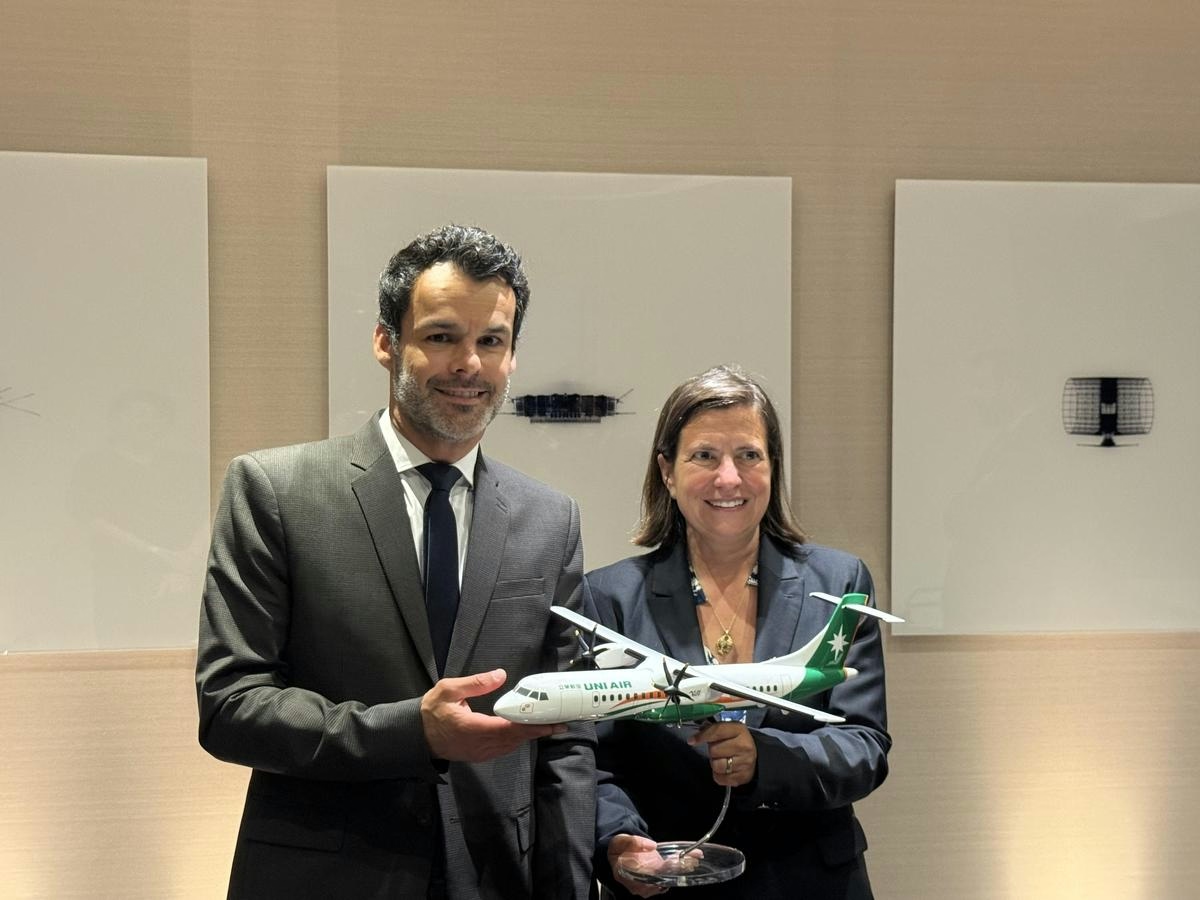
South Korea’s SUM Air Orders New ATR Aircraft to Expand Regional Connectivity SUM Air, South Korea’s newest regional airline, has formalized an agreement to purchase four ATR 72-600 aircraft, with options for an additional four, as part of its strategic plan to enhance regional air connectivity. The deliveries are scheduled to commence in 2028. This significant deal was signed during the France–Korea bilateral economic forum held in Seoul, an event attended by the French President, highlighting the importance of the partnership for both countries. SUM Air’s Ambitions and Operational Foundations Established in 2022, SUM Air began commercial operations in March 2026, initially operating a leased ATR 72-600 aircraft from Avation. The airline’s launch followed over three years of meticulous preparation, including staff training, safety validation, and aircraft integration. SUM Air obtained its Air Operator Certificate (AOC) on March 10, 2026. The airline’s mission centers on reconnecting underserved regions within South Korea, including future island airports, while also developing short-haul international routes to neighboring countries such as Japan and China. Its goal is to provide reliable, efficient, and affordable air transport to these markets. The introduction of new ATR 72-600 aircraft offers SUM Air both opportunities and challenges. Integrating these aircraft into the existing fleet will demand comprehensive operational planning, extensive crew training, and careful compliance with South Korea’s regulatory framework. As the airline expands, it will encounter heightened competition from established carriers on regional routes. Industry analysts expect competitors to respond by adjusting pricing strategies or expanding their own fleets to maintain market share. ATR’s Strategic Position in South Korea ATR, the Franco-Italian turboprop manufacturer, has long viewed South Korea as a market with considerable untapped potential for regional aviation. The company projects that a fleet of 25 to 30 ATR 72 aircraft will be operating in the country in the near future. SUM Air’s recent order reinforces this outlook and demonstrates growing confidence in ATR’s advanced turboprop technology, which is particularly well-suited to South Korea’s geographic and route characteristics. As SUM Air advances with its fleet expansion, its capacity to manage operational complexities and respond effectively to competitive pressures will be pivotal in reshaping the landscape of regional air travel in South Korea.
line