
AeroGenie — Seu Copiloto Inteligente.

Tendências
Categories
ANA and U.S. Startup Showcase Flying Car at Osaka Expo
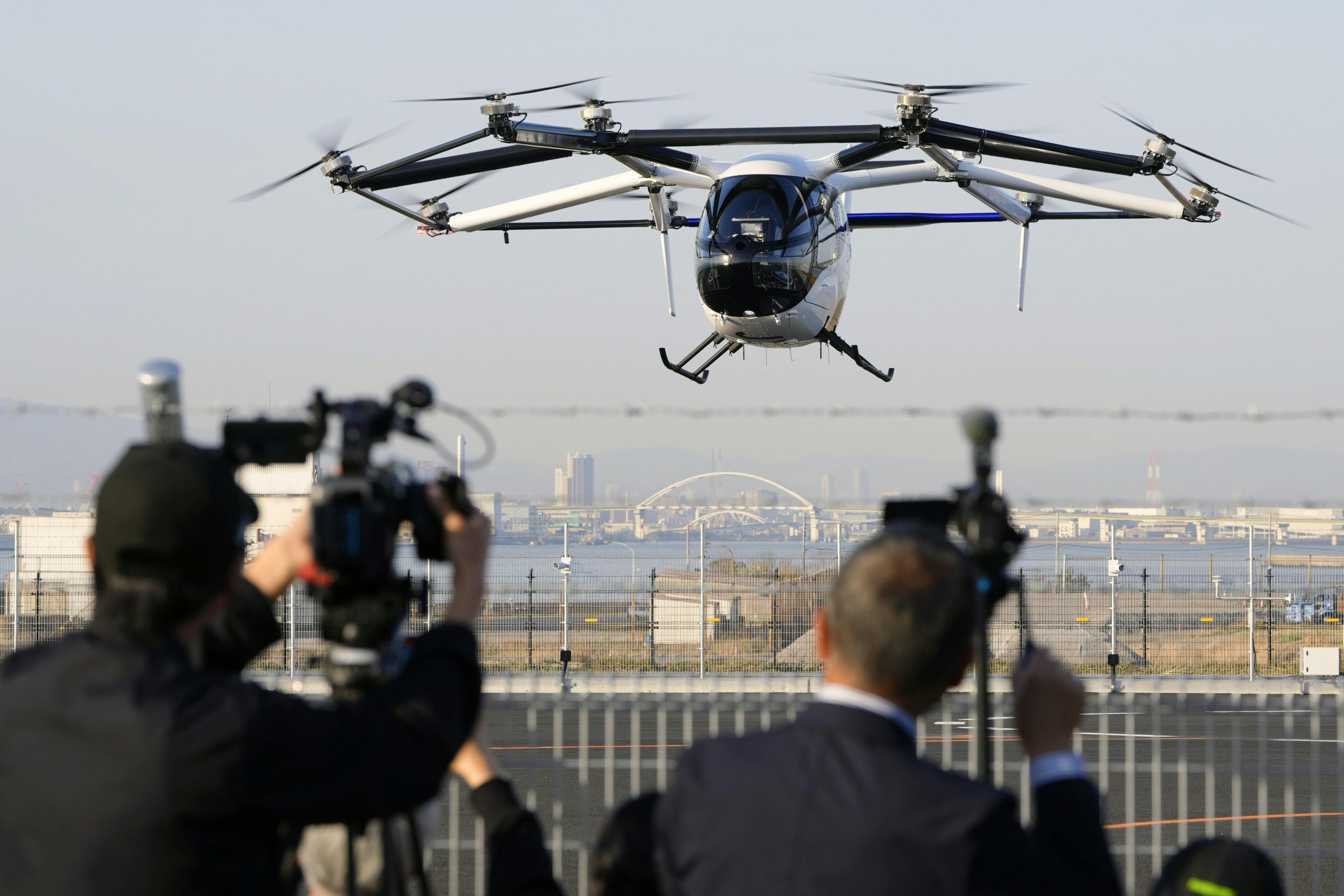
ANA and U.S. Startup Unveil Flying Car at Osaka Expo Amid Industry Challenges
At the World Exposition in Osaka on Tuesday, Japanese airline ANA Holdings Inc. and U.S.-based startup Joby Aviation Inc. presented a significant milestone in urban air mobility by showcasing their electric vertical take-off and landing aircraft (eVTOL). The event featured the first public demonstration flight of the flying car for the press, with the aircraft completing a 13-minute flight over the sea near the Expo venue. This collaboration highlights the growing interest in innovative transportation solutions designed to transform urban travel.
The eVTOL Aircraft and Its Prospects
Developed by Joby Aviation, the eVTOL is engineered to carry up to five passengers, including a pilot, with a focus on operating efficiently in urban environments while minimizing noise pollution. ANA has announced plans to introduce more than 100 units of the aircraft, positioning it as an alternative to traditional ground transportation and a potential asset in disaster response scenarios. Joby Aviation aims to launch an air taxi service in Japan as early as fiscal year 2027, signaling a commitment to commercializing this emerging technology within the next few years.
Industry Challenges and Safety Concerns
Despite the promising demonstration, the flying car industry continues to confront significant obstacles. Technical difficulties and human error remain pressing concerns, underscored by a recent incident in China where two flying cars collided during a rehearsal. Such events emphasize the critical need for stringent safety protocols as companies advance toward broader commercialization. Market reception has been cautious, with widespread adoption yet to be realized despite optimistic forecasts from industry players like Joby.
Competitors are responding by emphasizing safety and operational practicality. For instance, Israeli startup AIR is developing flying cars equipped with electric motors and intelligent software systems designed to enhance safety and reliability. These efforts reflect a broader industry trend toward addressing the complex challenges inherent in urban air mobility.
Regulatory and Public Acceptance Hurdles
Beyond technical and safety issues, regulatory approval and public acceptance remain formidable barriers. Aviation authorities worldwide are still in the process of establishing comprehensive frameworks to safely integrate flying cars into congested urban airspace. Equally important is cultivating public trust in the technology, which will be essential for achieving widespread adoption.
As ANA and Joby Aviation advance their initiatives, the future of flying cars will depend not only on technological innovation but also on successfully navigating safety, regulatory, and societal challenges.
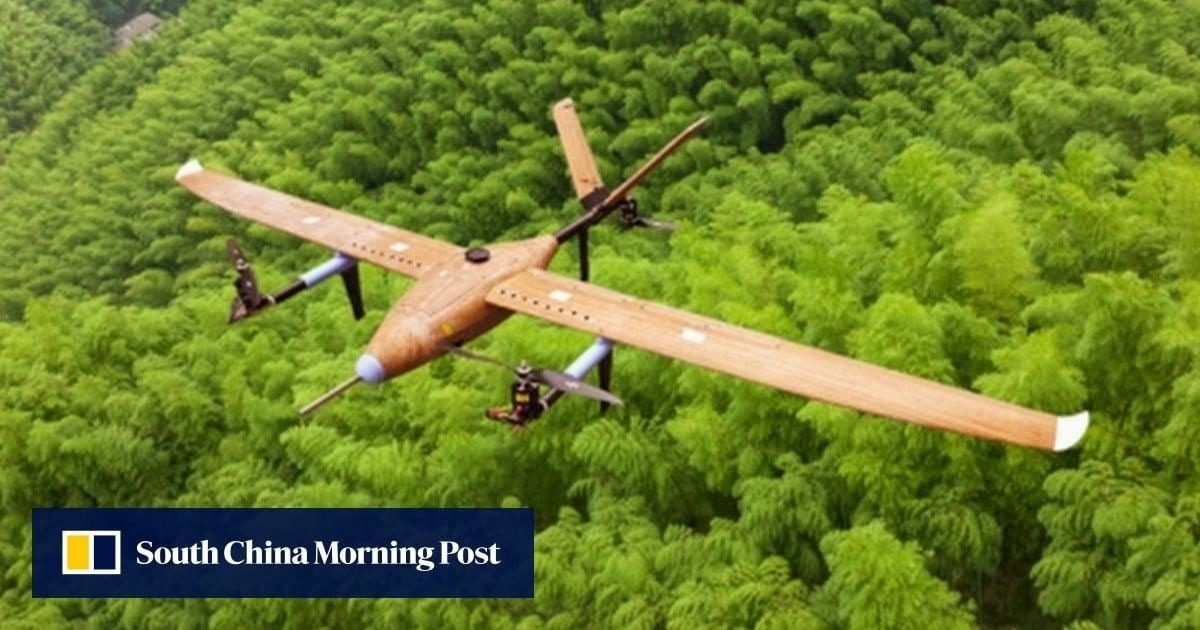
Chinese Team Develops First Flight Control Software for Bamboo Drones
SkyHope Appoints Aviation Industry Leader to Board
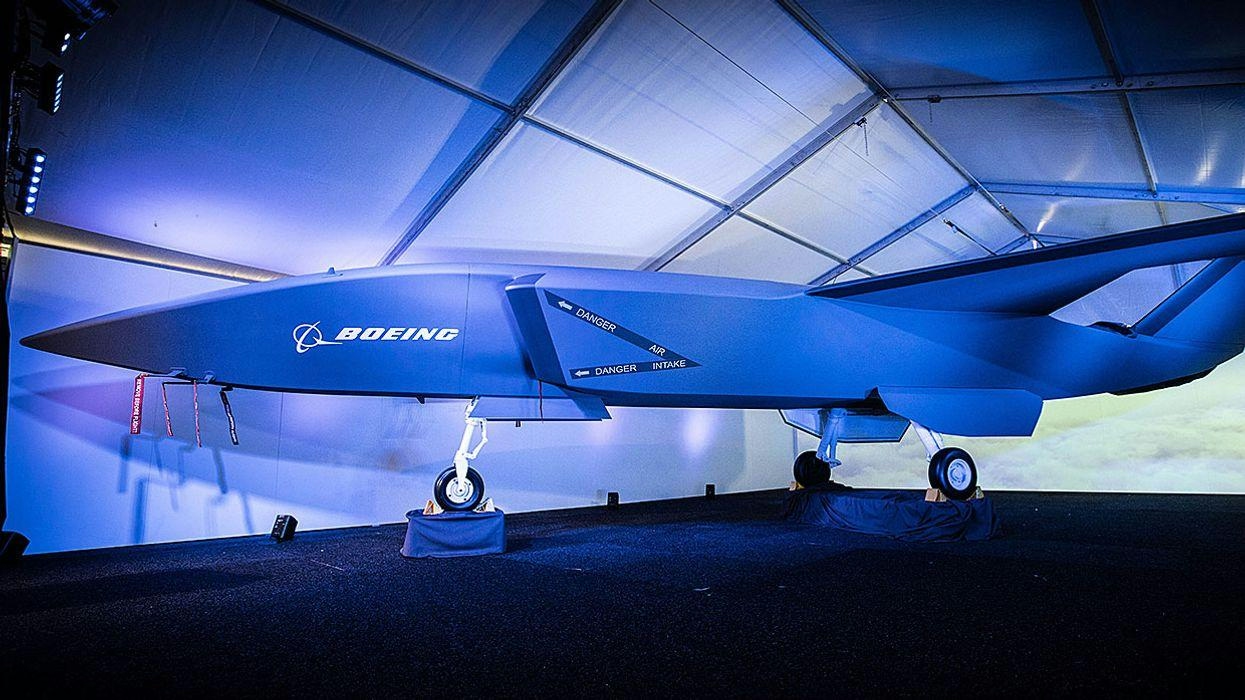
The Challenges of Certifying Autonomous Aircraft
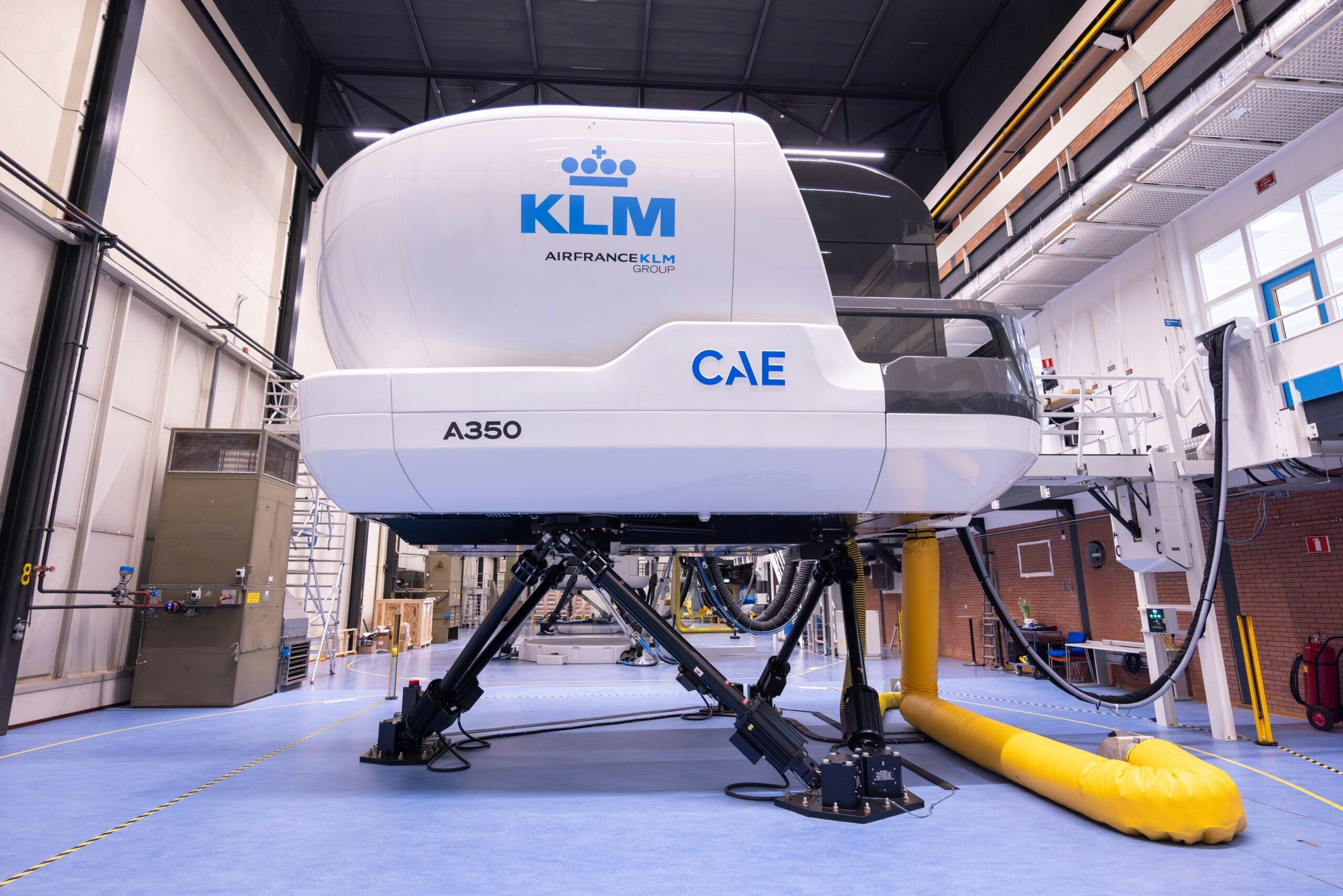
KLM to Receive First Airbus A350, Announces Initial Routes
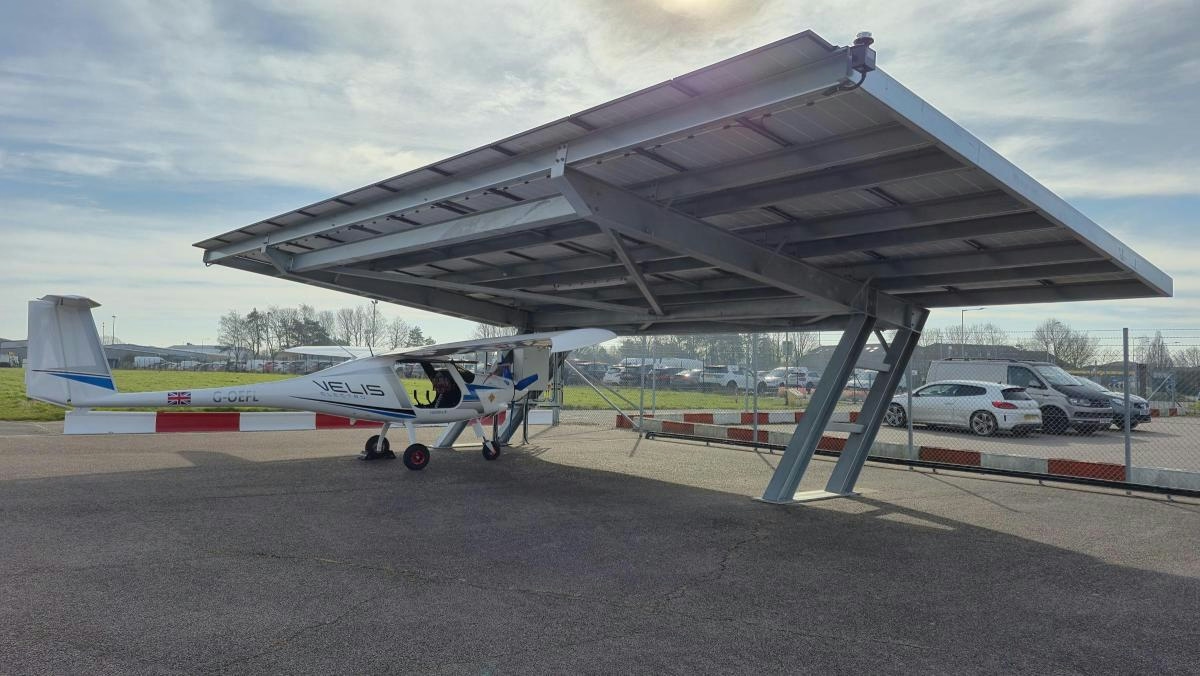
Saxon Air Receives Clean and Green Energy Innovation Award
How BEB Tax Policies Impact Airlines’ International Leasing Contracts

Indonesia’s Danantara and Mandiri Partner with SMBC to Launch $800 Million Aviation Leasing Fund
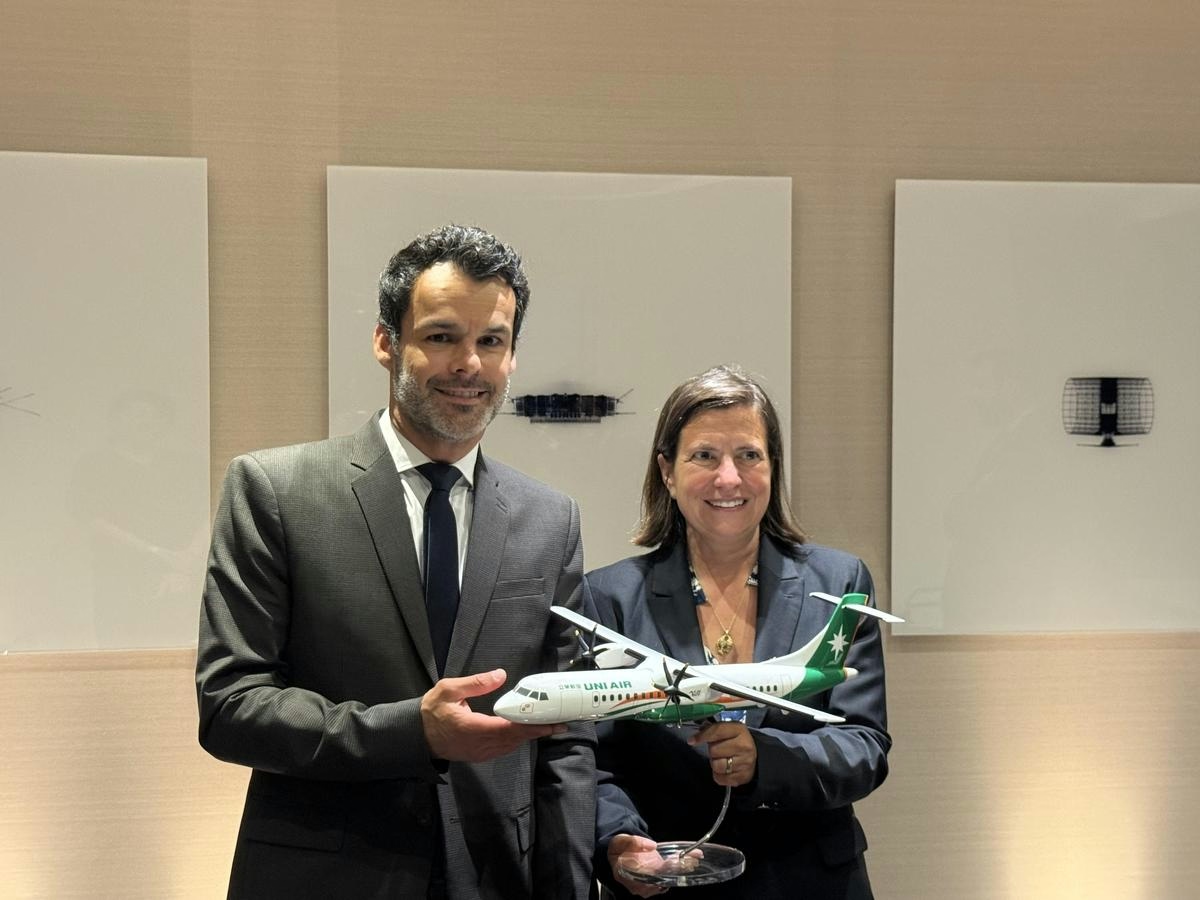
South Korea’s SUM Air Places Order for New ATR Aircraft
Benoît Rollier Named Vice President of KLM Engine Service
Azorra Expands Engine Portfolio Through Deal with DAE
