
AeroGenie — Seu Copiloto Inteligente.

Tendências
Categories
Alaska and Hawaiian Airlines Expand International Routes, Introducing Widebody Aircraft in 2026

Alaska and Hawaiian Airlines Announce Major International Expansion for 2026
Alaska Airlines is poised to embark on a significant transformation, expanding its international footprint through a strategic partnership with Hawaiian Airlines. Starting in mid-2026, Alaska will introduce nonstop flights from Seattle to London, Rome, and Iceland, marking the airline’s inaugural deployment of widebody aircraft. This development represents a pivotal shift for Alaska Airlines, which has traditionally focused on the U.S. West Coast market, as it positions itself as a global carrier.
Strategic Partnership and Operational Integration
Central to Alaska’s international ambitions is its collaboration with Hawaiian Airlines, a carrier with established expertise in transpacific travel. The partnership allows Alaska to leverage Hawaiian’s extensive route network and operational experience across the Pacific, enhancing its competitive stance against major global airlines. Both carriers are working toward operating under a single certificate, a complex regulatory and operational process that aims to streamline service delivery and improve efficiency.
Alaska’s expansion strategy also involves strengthening its domestic hubs. Seattle, San Diego, and Portland are being developed as key gateways to connect passengers from across the United States to new international destinations. The introduction of twin-aisle widebody aircraft will enable Alaska to operate long-haul flights, a capability the airline has not previously offered, thereby increasing its competitiveness on transatlantic and transpacific routes.
Broader Transformation and Market Challenges
This international growth is accompanied by broader changes within Alaska Airlines, including the launch of the Atmos Rewards program. Featuring premium cobranded credit cards, the program is designed to attract a more diverse, global customer base and reward loyalty beyond the airline’s traditional West Coast market. This initiative underscores Alaska’s commitment to expanding its appeal to international travelers.
Market response to the expansion has been largely positive, with Wall Street analysts viewing the combined Alaska-Hawaiian entity as a larger, more diversified carrier with substantial growth potential. However, the airline faces significant challenges. Establishing new routes from hubs such as San Diego will require Alaska to demonstrate sustainable demand and operational viability. Moreover, the integration of two distinct airlines—encompassing fleets, corporate cultures, and regulatory frameworks—presents considerable logistical and administrative hurdles.
Competitors are expected to closely observe Alaska’s expansion, potentially adjusting their own international offerings to protect market share on contested routes. The success of Alaska’s international push will depend on its ability to maintain reliable service, attract new customers, and effectively manage the complexities inherent in global airline operations.
As Alaska Airlines prepares to enter this new phase, its ambitious expansion highlights a strategic commitment to connecting more travelers worldwide, while navigating the competitive and operational challenges of becoming a major international carrier.

Archer Aviation Confronts Setbacks Amid Declining Air Taxi Interest

Chinese Team Develops First Flight Control Software for Bamboo Drones
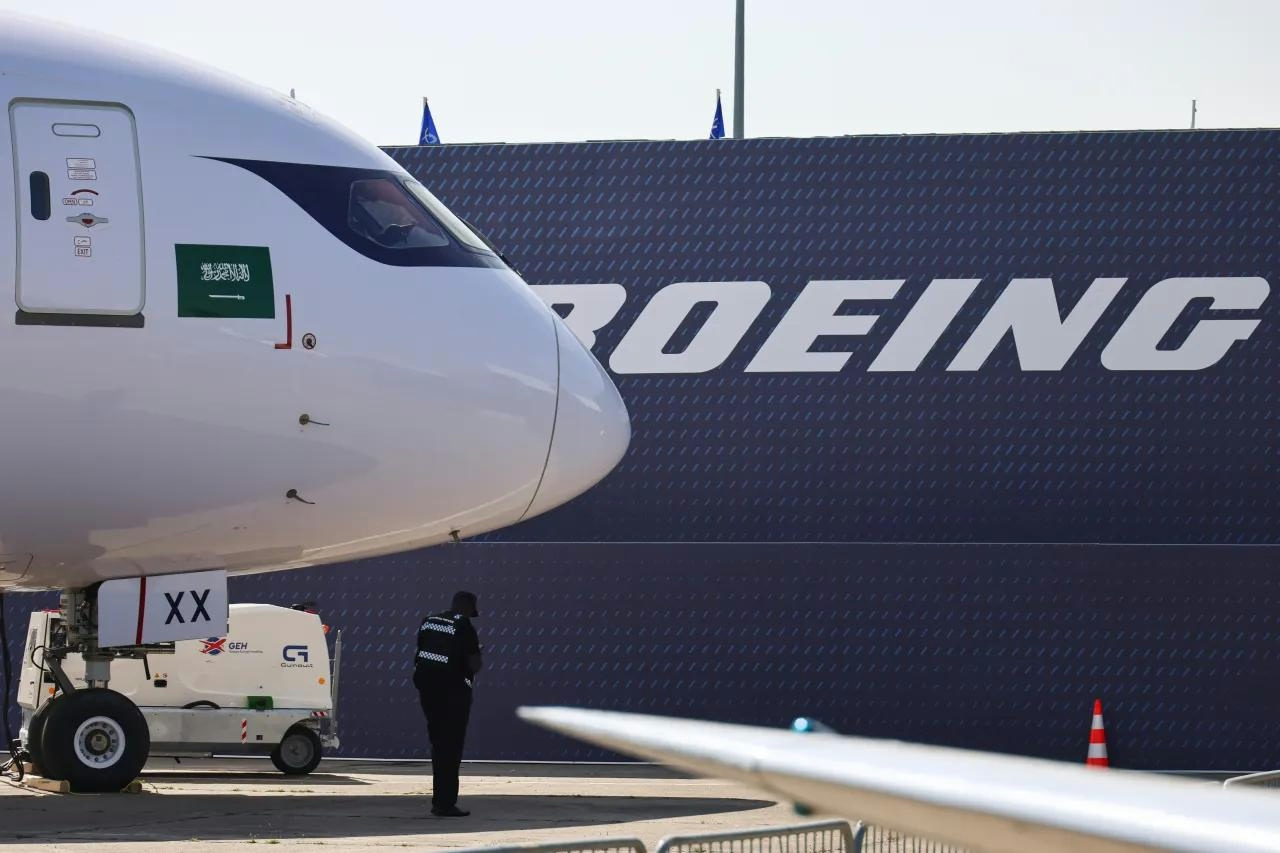
Government Moves Forward with Boeing Purchase, Considers Airbus Leasing

SkyHope Appoints Aviation Industry Leader to Board
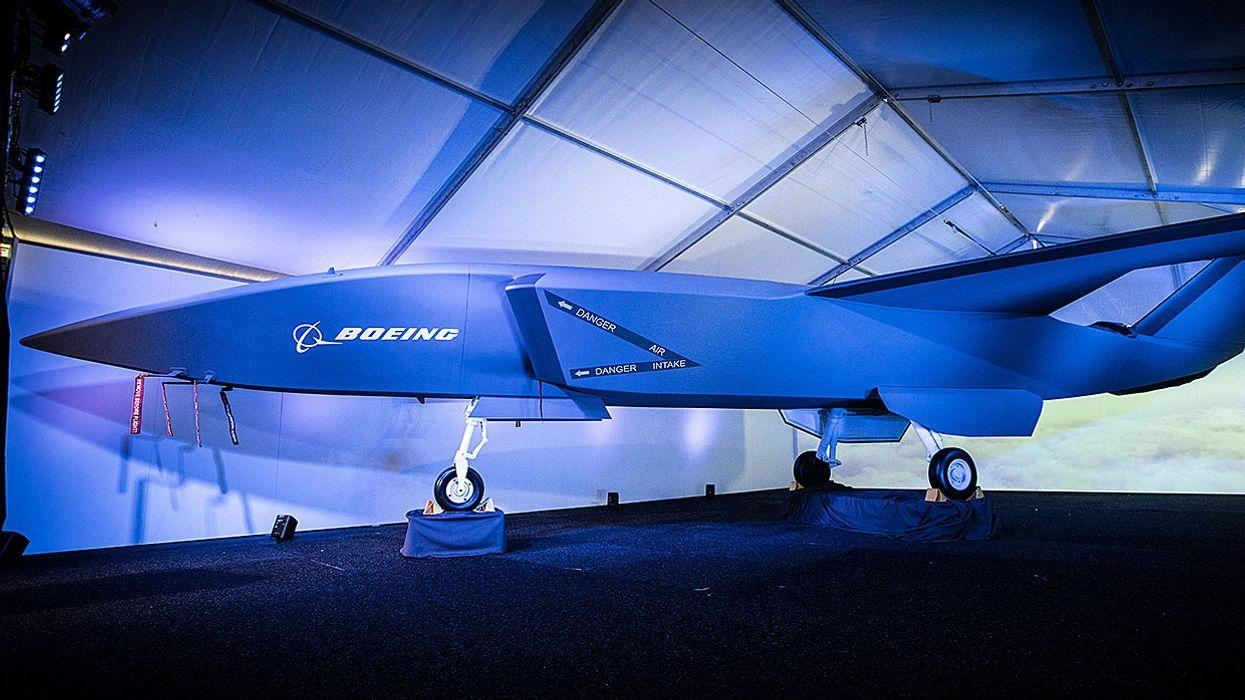
The Challenges of Certifying Autonomous Aircraft

KLM to Receive First Airbus A350, Announces Initial Routes

Saxon Air Receives Clean and Green Energy Innovation Award

How BEB Tax Policies Impact Airlines’ International Leasing Contracts

Indonesia’s Danantara and Mandiri Partner with SMBC to Launch $800 Million Aviation Leasing Fund

South Korea’s SUM Air Places Order for New ATR Aircraft
