
AeroGenie — Seu Copiloto Inteligente.

Tendências
Categories
Airbus Records 112 Orders and Delivers 78 Aircraft in October 2025
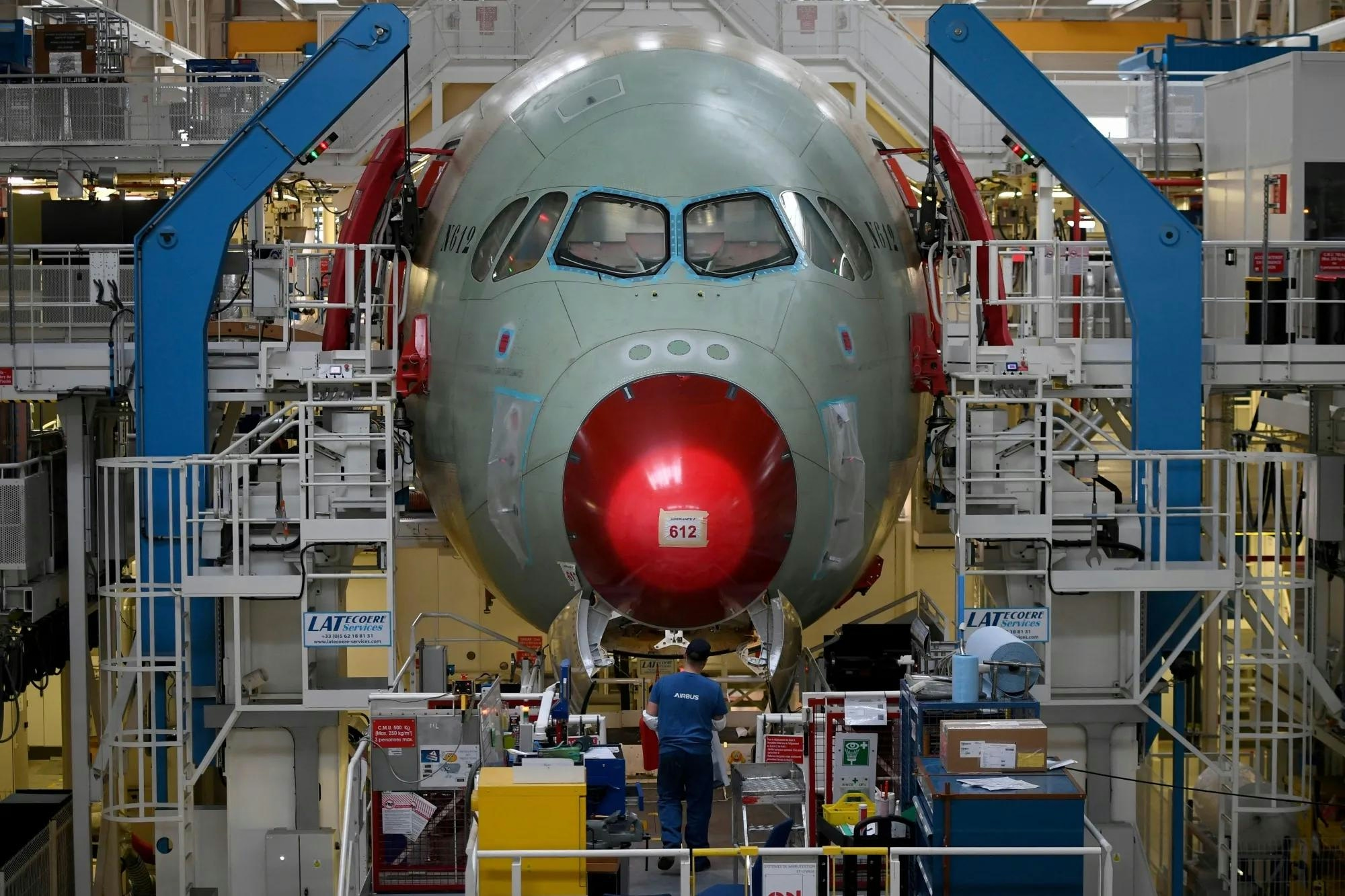
Airbus Reports Strong Commercial Performance in October 2025
Airbus announced a significant surge in commercial activity for October 2025, securing 112 new aircraft orders and delivering 78 jets to 36 customers worldwide. The deliveries comprised a diverse mix of models, including four A220-300s, two A319neos, 25 A320neos, 37 A321neos, three A330-900s, five A350-900s, and two A350-1000s. This broad distribution underscores Airbus’s continued ability to meet varied customer demands across its product range.
The bulk of new orders were concentrated on the A321neo, with VietJet Air placing a substantial order for 100 of the 106 units recorded. Two additional undisclosed customers contributed six more A321neo orders. Furthermore, three other undisclosed clients ordered four A320neos, while MNG Airlines Cargo expanded its fleet with two A350F freighters. These transactions highlight the sustained interest in Airbus’s fuel-efficient narrow-body and freighter aircraft.
Market Position and Industry Implications
Year-to-date, Airbus has delivered 585 aircraft to 85 customers, yet the company faces the challenge of meeting its ambitious year-end target of 820 deliveries. To achieve this, Airbus must deliver 235 aircraft in the remaining two months of 2025, a demanding pace that will test its production capabilities.
Market analysts emphasize that the A320 family continues to outpace Boeing’s 737 as the most frequently delivered commercial jet. This trend reflects airlines’ increasing preference for fuel-efficient and cost-effective models amid rising fuel prices and growing passenger demand. Airbus’s strong performance has reinforced its position in the European aviation sector, where it now commands a 41% market share.
In response to Airbus’s momentum, competitors such as Boeing are under mounting pressure to resolve ongoing manufacturing challenges and regain lost market share. Meanwhile, Airbus projects sustained growth in the global freighter fleet, anticipating a 45% expansion by 2040 driven by long-term increases in global trade.
As the year concludes, Airbus’s ability to maintain its delivery momentum will be closely monitored by industry observers, with the company’s performance serving as a key indicator of broader trends within the commercial aviation market.

Archer Aviation Confronts Setbacks Amid Declining Air Taxi Interest

Chinese Team Develops First Flight Control Software for Bamboo Drones
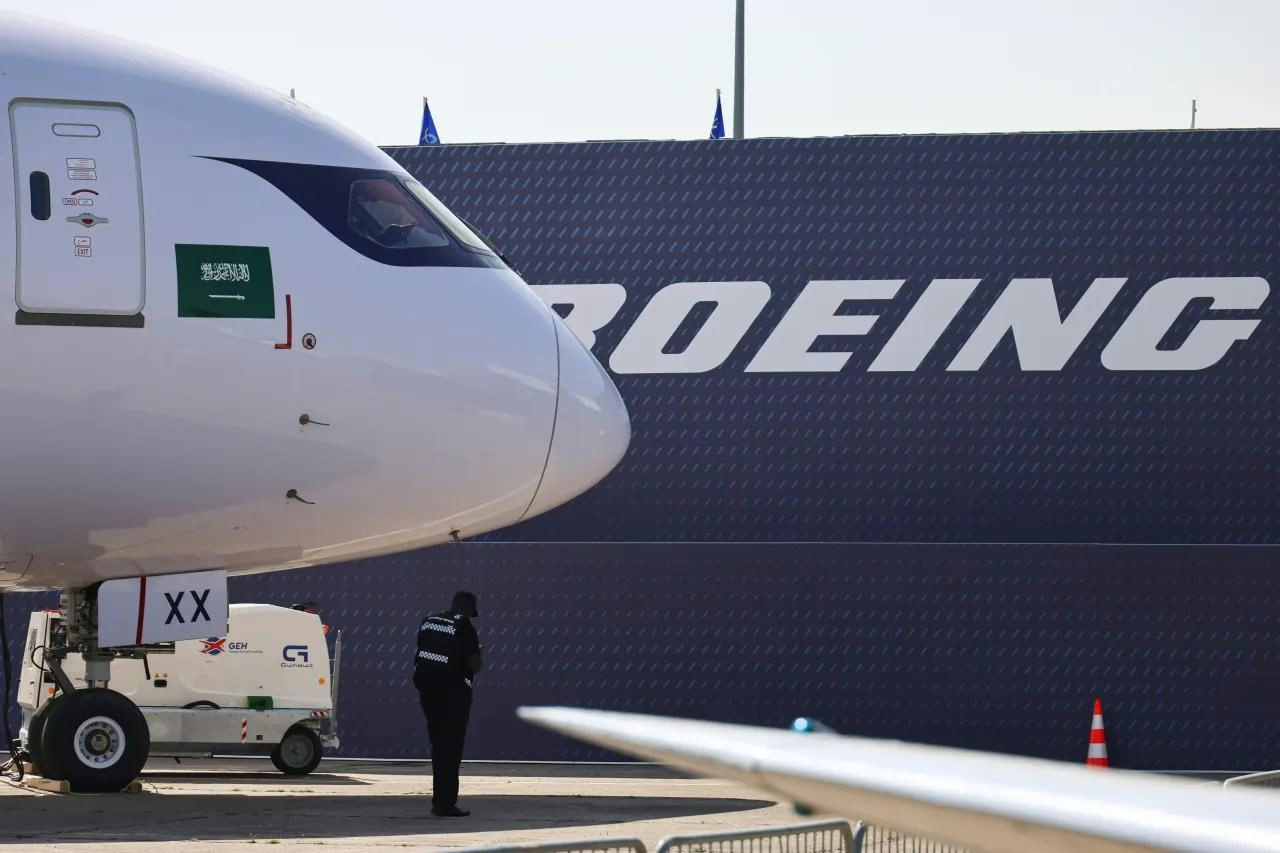
Government Moves Forward with Boeing Purchase, Considers Airbus Leasing
SkyHope Appoints Aviation Industry Leader to Board
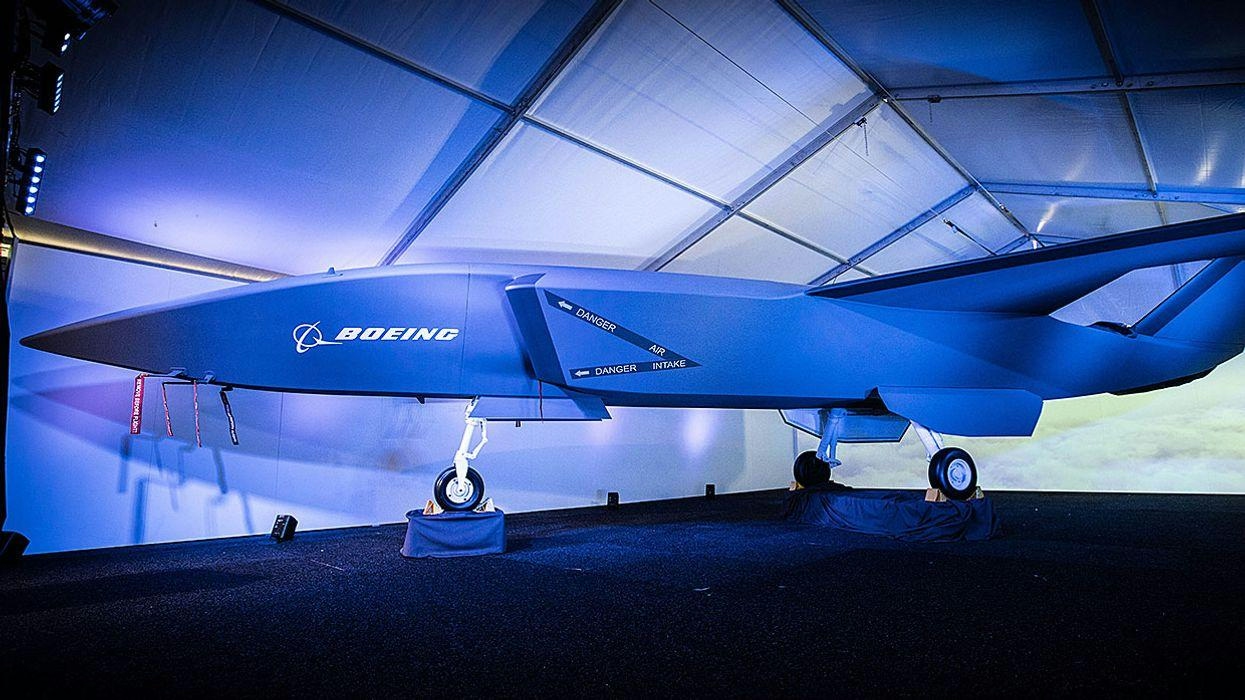
The Challenges of Certifying Autonomous Aircraft
KLM to Receive First Airbus A350, Announces Initial Routes

Saxon Air Receives Clean and Green Energy Innovation Award
How BEB Tax Policies Impact Airlines’ International Leasing Contracts

Indonesia’s Danantara and Mandiri Partner with SMBC to Launch $800 Million Aviation Leasing Fund
South Korea’s SUM Air Places Order for New ATR Aircraft
