
AeroGenie — Seu Copiloto Inteligente.

Tendências
Categories
AI and Megatrends Set to Transform 30% of Singapore’s Aviation Workforce
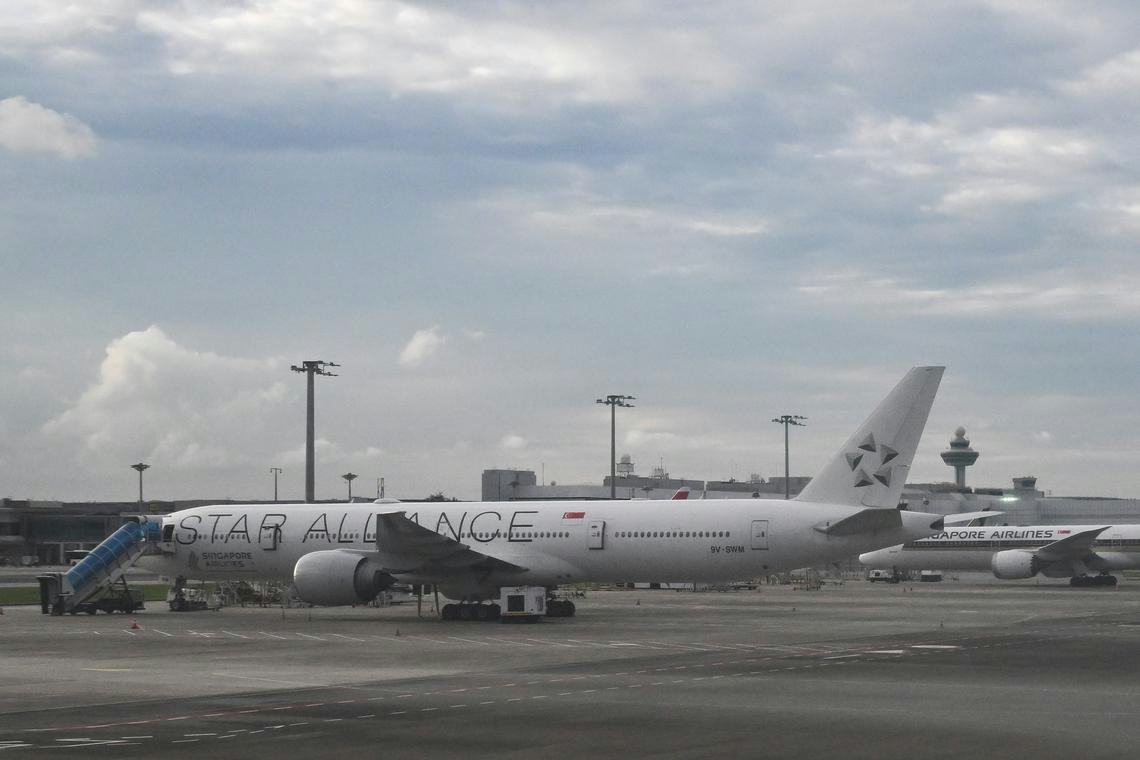
AI and Megatrends Set to Transform 30% of Singapore’s Aviation Workforce
A recent Aviation Jobs Transformation Report, jointly released by the Civil Aviation Authority of Singapore (CAAS) and Workforce Singapore (WSG), forecasts that up to 30% of Singapore’s aviation workforce will experience significant changes over the next five years. This comprehensive review highlights the profound impact of artificial intelligence (AI) and other major industry shifts on the sector’s employment landscape.
Key Megatrends Shaping the Aviation Sector
The report identifies six critical megatrends that are expected to redefine aviation jobs and the skills required. Foremost among these is the rapid adoption of AI and automation, which promises to enhance operational efficiency but also raises concerns about potential workforce displacement. Alongside this, digitalisation, sustainability initiatives, evolving passenger expectations, changing regulatory frameworks, and the integration of advanced technologies into everyday operations are set to reshape the industry.
These developments present a dual challenge for Singapore’s aviation sector. While technological advancements can streamline processes and improve service delivery, they also threaten to render certain roles obsolete. Consequently, there is an urgent need to reskill and upskill the existing workforce to maintain relevance in a rapidly evolving job market.
Workforce Development and Industry Response
In response to these challenges, the aviation industry in Singapore is intensifying its investment in workforce development. A dedicated fund of S$200 million has been established to support training and skills upgrading, with a particular emphasis on preparing employees for emerging roles within the sector. The report functions as a strategic roadmap, outlining the essential competencies and skillsets required to navigate the future aviation landscape.
Market reactions have included increased funding for training programs and the creation of tailored workforce initiatives. Regional competitors are anticipated to adopt similar technological advancements to remain competitive, with some already collaborating with educational institutions to develop specialised training curricula.
Singapore’s proactive strategy aims to mitigate the risks associated with workforce displacement while positioning its aviation sector for sustainable growth. By identifying critical industry trends and investing in human capital, the sector seeks to facilitate a smooth transition for both employers and employees amid ongoing transformation.

Plane lands on Pennsylvania highway due to ‘engine issues,’ FAA says
LEVEL Suspends San Francisco Flights Due to Engine Shortage
China Conducts First Flight Test of Megawatt Hydrogen Turboprop Engine
Oklahoma’s Aerospace Industry Expands and Its Impact on the State Economy
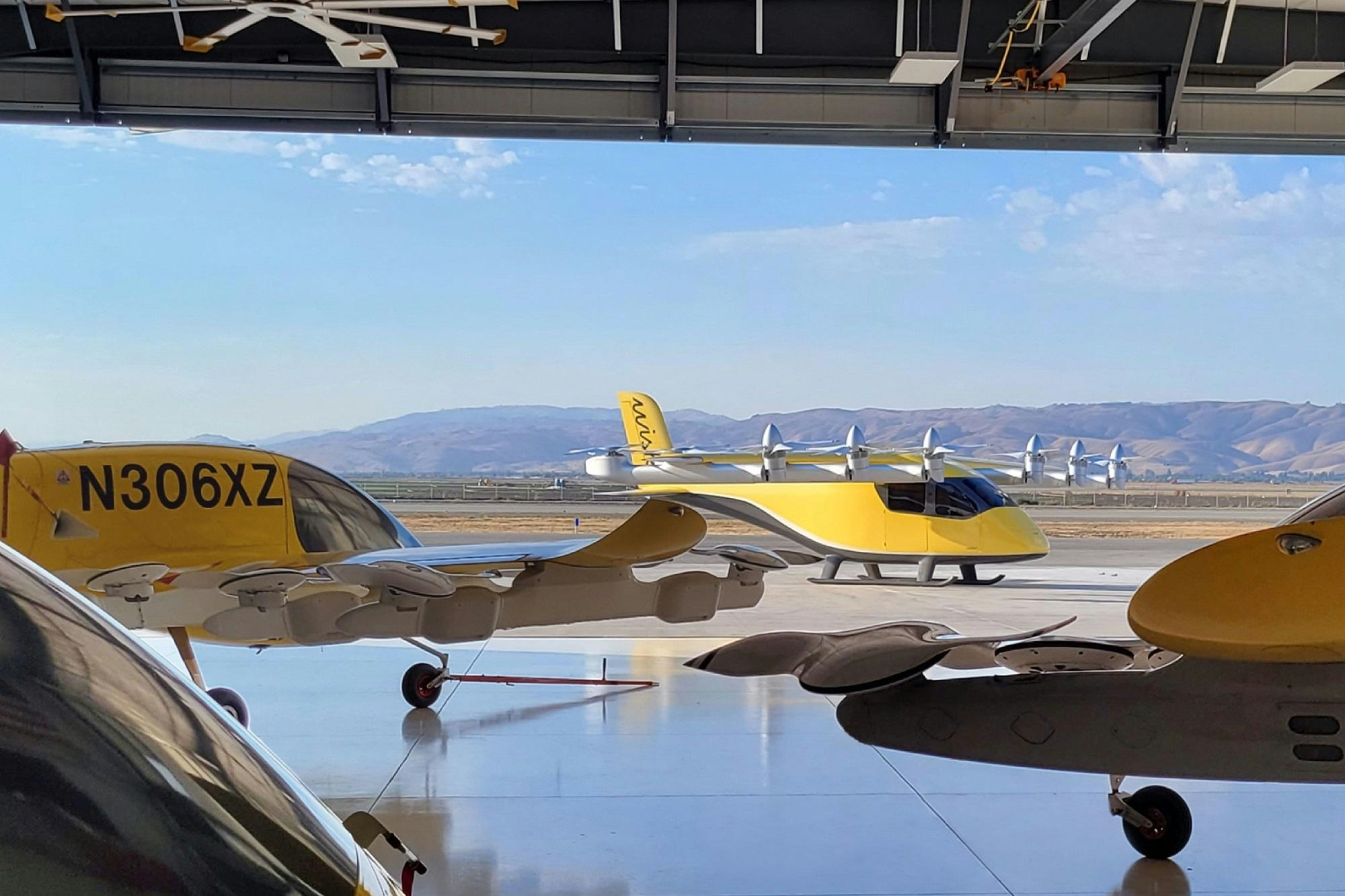
Archer Aviation Confronts Setbacks Amid Declining Air Taxi Interest
FAA and EASA Mandates to Influence Flight Line Testing Equipment Market Through 2035
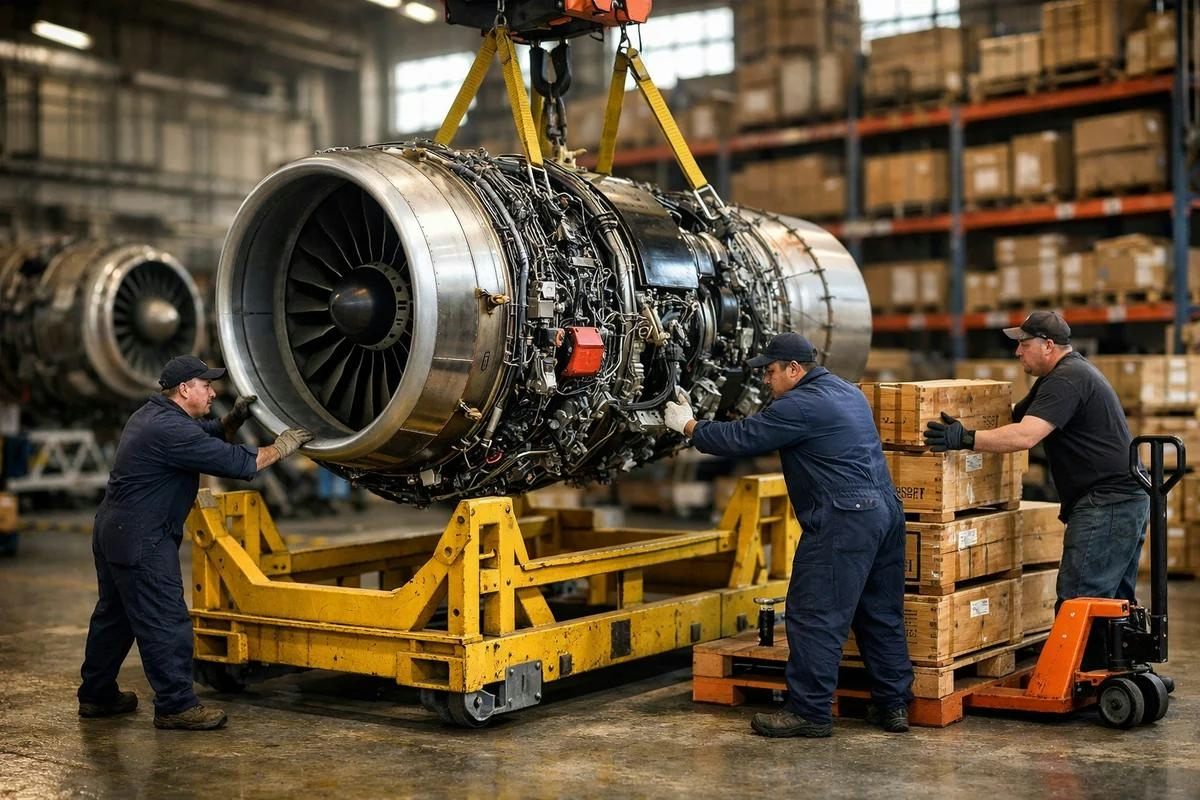
Willis Lease Operates as a Leveraged Spread Business with Moderate Returns
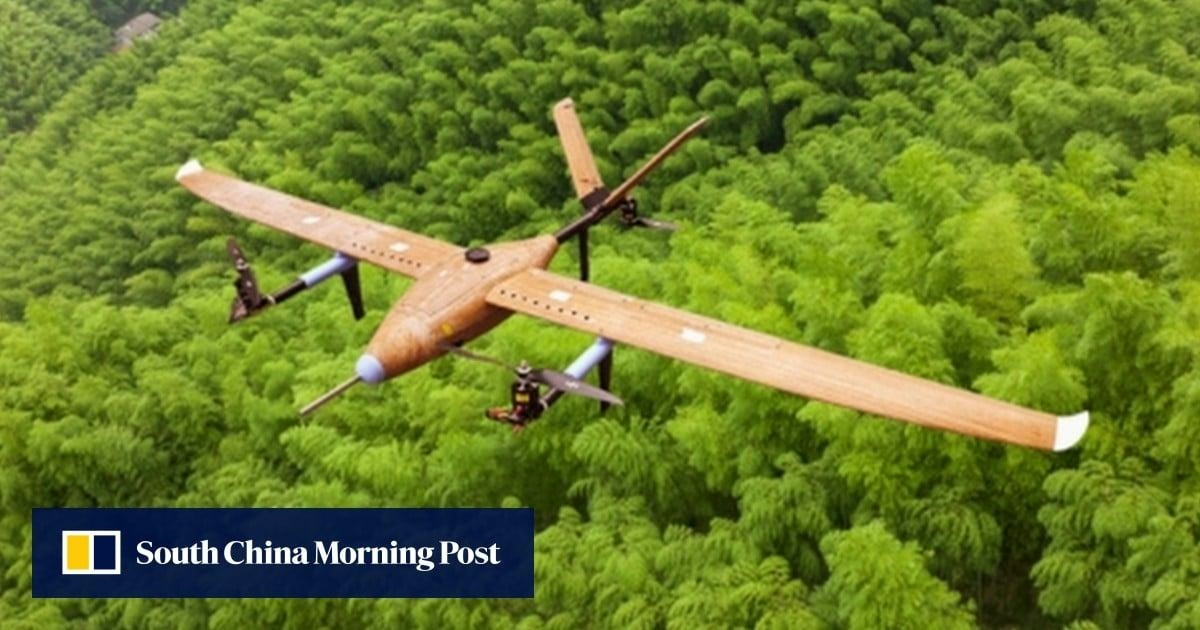
Chinese Team Develops First Flight Control Software for Bamboo Drones
Government Moves Forward with Boeing Purchase, Considers Airbus Leasing

Changes in Airline Industry Leadership, Alliances, and AI
