
AeroGenie — Seu Copiloto Inteligente.

Tendências
Categories
ACC Aviation Report: Aircraft Transitions and Repossessions in 2025
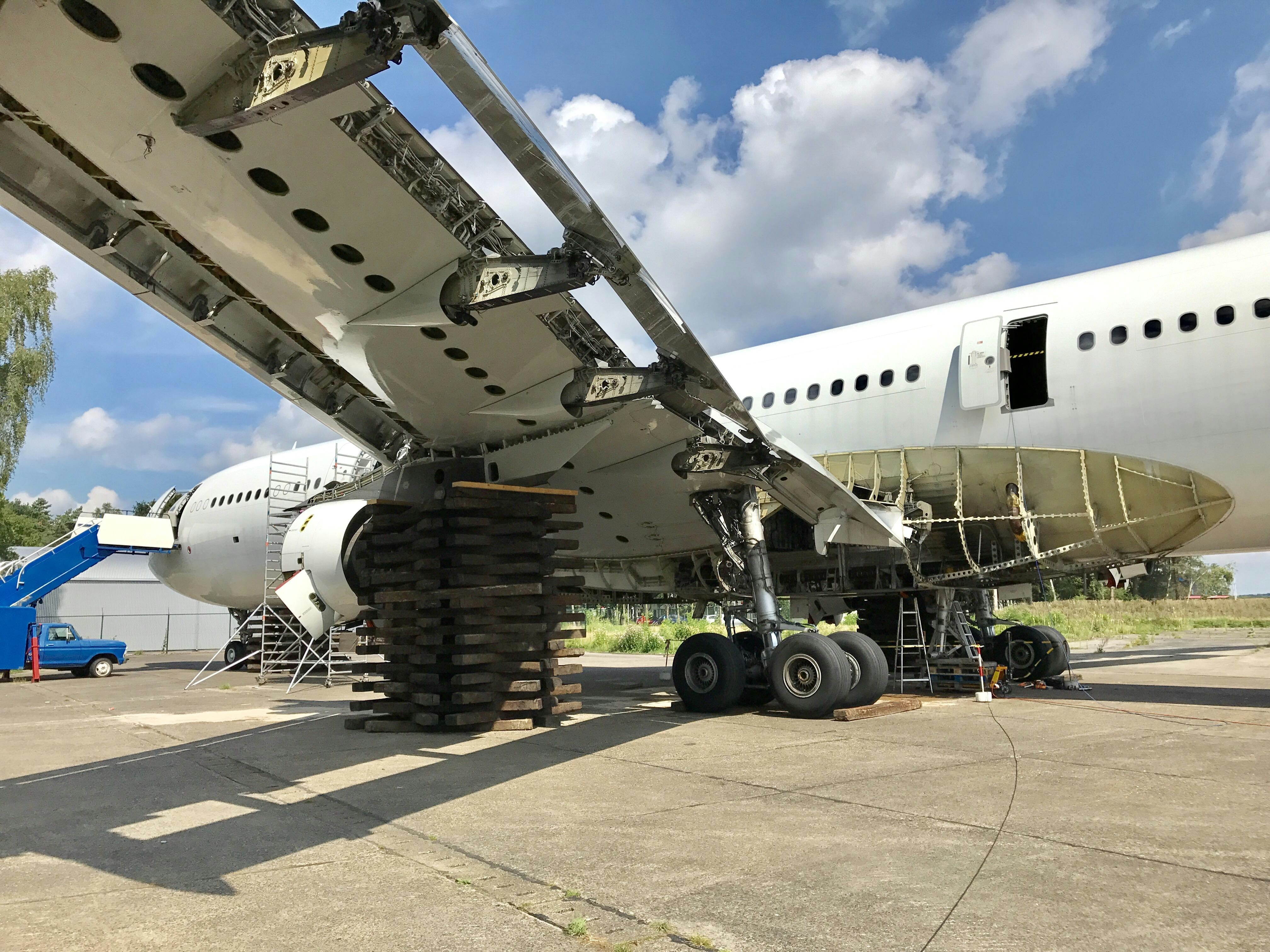
ACC Aviation Report: Aircraft Transitions and Repossessions in 2025
Challenges in Aircraft Transitions
At the recent Airline Economics conference in London, senior representatives from aviation law, consulting, and leasing gathered to address the growing complexities surrounding aircraft transitions and repossessions. Rob Watts, Director of Consulting at ACC Aviation, moderated the session and underscored several pressing issues currently influencing the sector.
Watts emphasized that the market has been challenging for some time, highlighting the necessity for enhanced collaboration among airlines, lessors, and industry stakeholders to better anticipate and manage transition and repossession difficulties. A persistent obstacle in aircraft transitions remains the availability of Maintenance, Repair, and Overhaul (MRO) slots, coupled with inconsistencies in documentation quality. Although some airlines have made strides in improving their record-keeping, discrepancies between airline and lessor standards continue to create friction. Larger carriers, often equipped with dedicated redelivery teams, tend to navigate transitions more smoothly, whereas smaller airlines, less familiar with frequent redeliveries, frequently encounter difficulties. Watts stressed the importance of lessors engaging proactively with airlines to prevent delays in redelivery.
The introduction of NewGen engines is anticipated to add further complexity to transitions. The panel discussed concerns related to engine reliability, early shop visits, and unexpected module swaps—issues that current redelivery conditions do not adequately address. Watts cautioned that end-of-lease compliance challenges are likely to emerge as these new technologies become more widespread.
Power-by-the-hour programs offered by original equipment manufacturers (OEMs), such as Fleet Hour Agreements (FHA), provide some reassurance to airlines by mitigating maintenance cost volatility. However, these arrangements raise concerns for lessors, as they can obscure the true maintenance expenses, complicating the assessment of financial exposure. Questions also persist regarding the transferability of such agreements between airlines and their potential impact on the marketability of aircraft and engines.
Securing MRO slots for engines, transitions, and base checks remains a significant bottleneck, exacerbated by manpower shortages at MRO providers. This issue is particularly acute in regions such as Africa, where infrastructure and MRO capabilities are limited, often prolonging maintenance periods and complicating ACMI (Aircraft, Crew, Maintenance, and Insurance) operations. Additionally, supply chain shortages affecting critical components, including landing gear for A330s, 787s, and A320 NEOs, continue to constrain sector growth.
Global wealth creation is driving increased demand for business aviation, shaping market dynamics. Nonetheless, persistent supply chain bottlenecks restrict expansion. Competitors are responding with strategic planning, yet infrastructure investment timelines frequently outpace aircraft development cycles. Manufacturers like Embraer and Dassault are now focusing on building comprehensive ecosystems to support sustainable growth in this evolving environment.
Trends in Aircraft Repossessions
On the repossession front, Watts observed that airline failures have been relatively infrequent over the past year. However, there has been a noticeable rise in “quiet” repossessions as lessors seek to optimize their portfolios. Many assets previously governed by “COVID-era” contracts have transitioned to new agreements reflecting more favorable market conditions. Aviation law specialists warn that some airlines, unable or unwilling to release critical assets, have become uncooperative during repossession efforts.
“In the aftermath of COVID, lessors were more tolerant,” Watts explained. “But now, in a hot market, the most proactive lessors act swiftly to recover and redeploy assets at the first sign of trouble. While consensual lease terminations remain the preferred approach, preparedness is essential.”
The sector thus faces a complex landscape shaped by operational, legal, and market forces. Collaboration and strategic foresight are emerging as vital tools for navigating the challenges ahead.

Plane lands on Pennsylvania highway due to ‘engine issues,’ FAA says

LEVEL Suspends San Francisco Flights Due to Engine Shortage

China Conducts First Flight Test of Megawatt Hydrogen Turboprop Engine

Oklahoma’s Aerospace Industry Expands and Its Impact on the State Economy
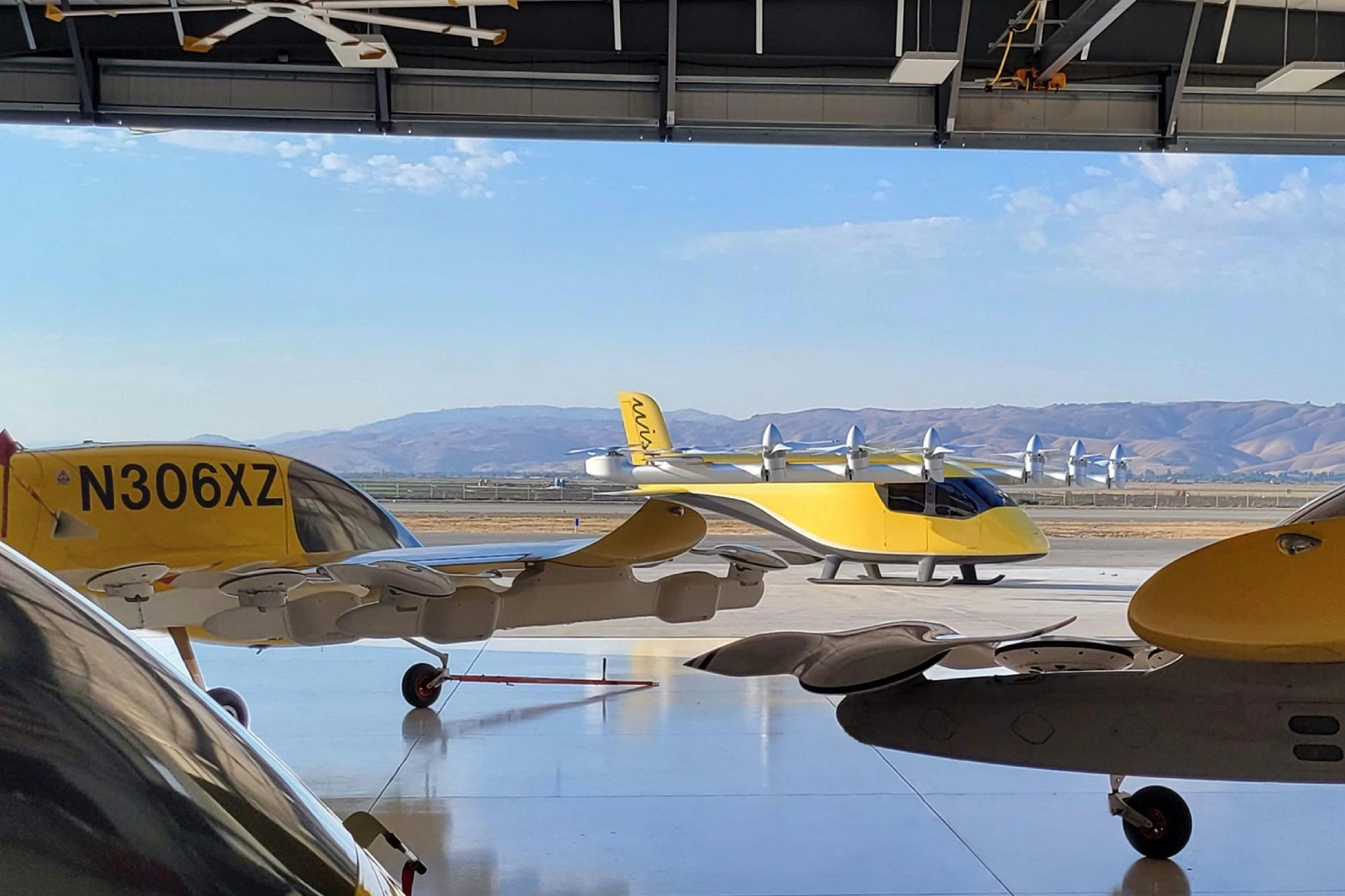
Archer Aviation Confronts Setbacks Amid Declining Air Taxi Interest

FAA and EASA Mandates to Influence Flight Line Testing Equipment Market Through 2035
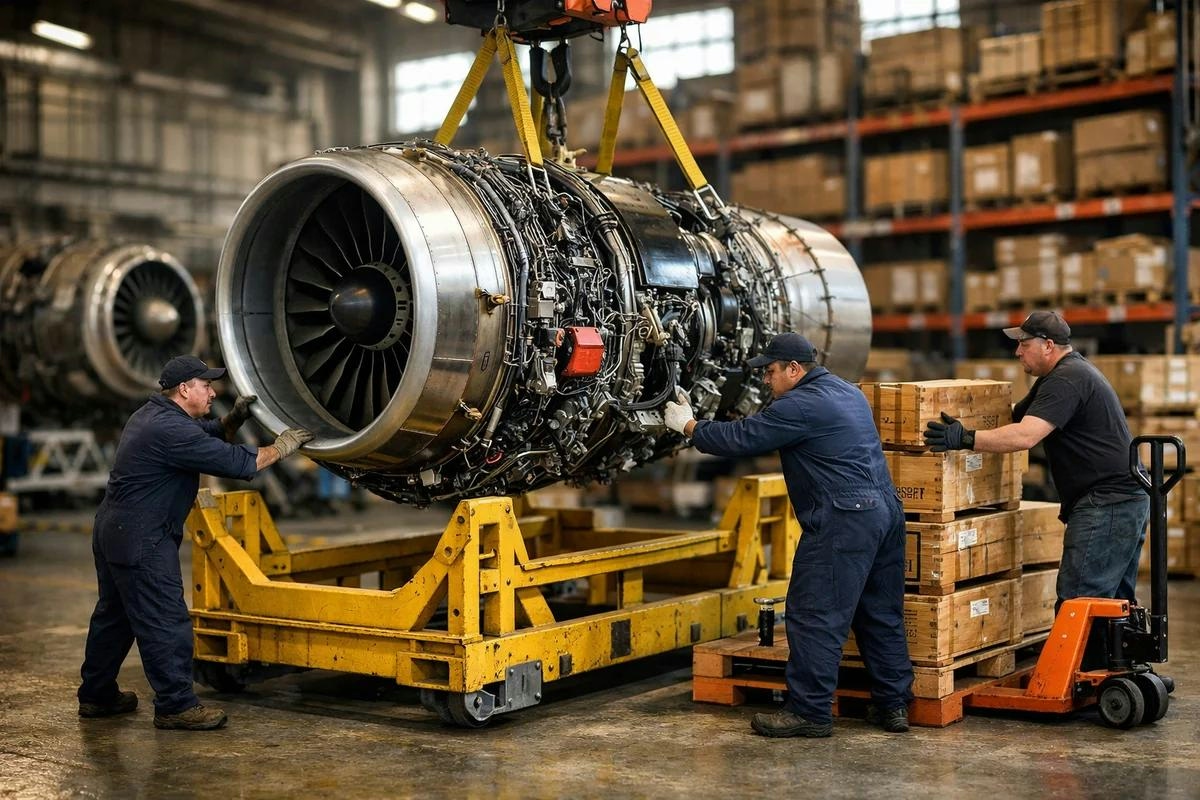
Willis Lease Operates as a Leveraged Spread Business with Moderate Returns

Chinese Team Develops First Flight Control Software for Bamboo Drones
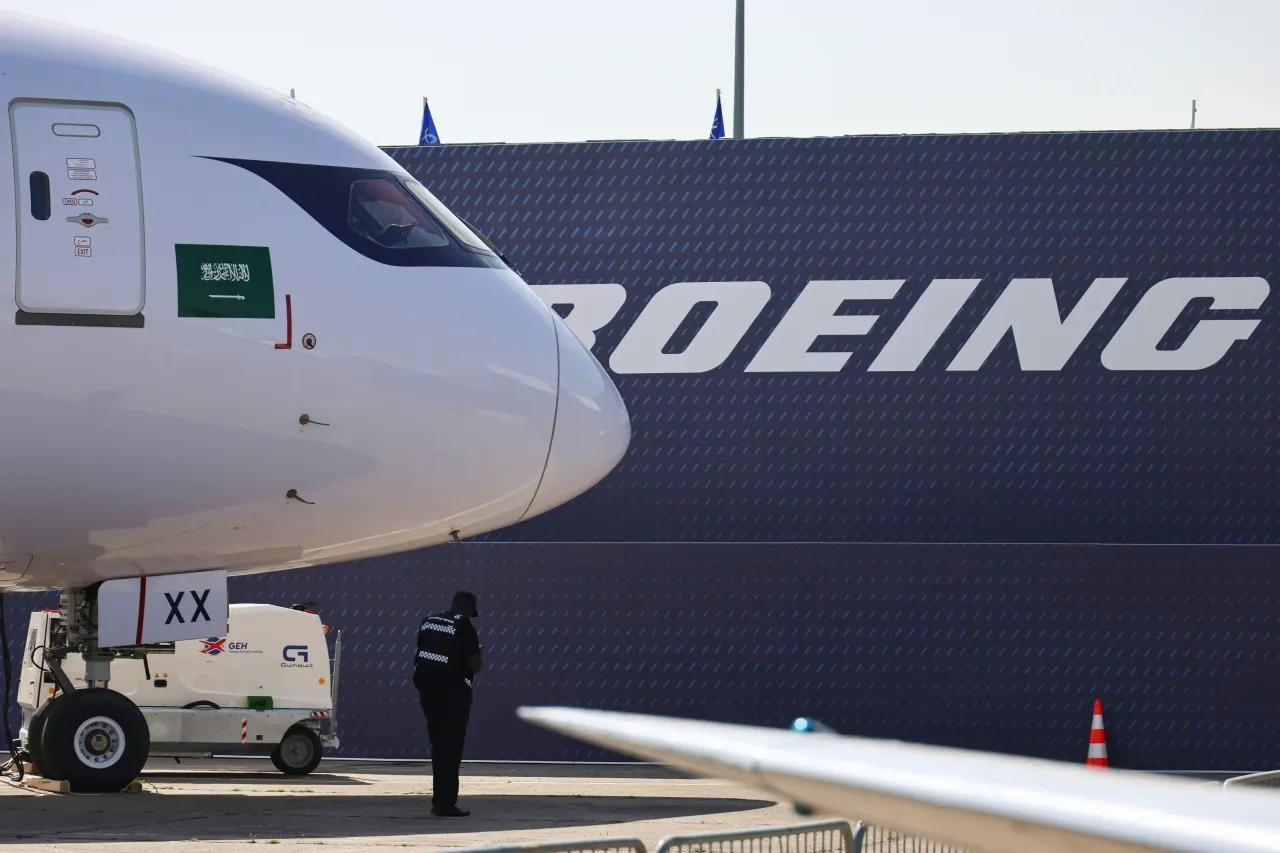
Government Moves Forward with Boeing Purchase, Considers Airbus Leasing

Changes in Airline Industry Leadership, Alliances, and AI
