
AeroGenie — Uw intelligente copiloot.

Trending
Categories
Turkish Airlines Orders GE Aerospace Engines for 75 Boeing 787s
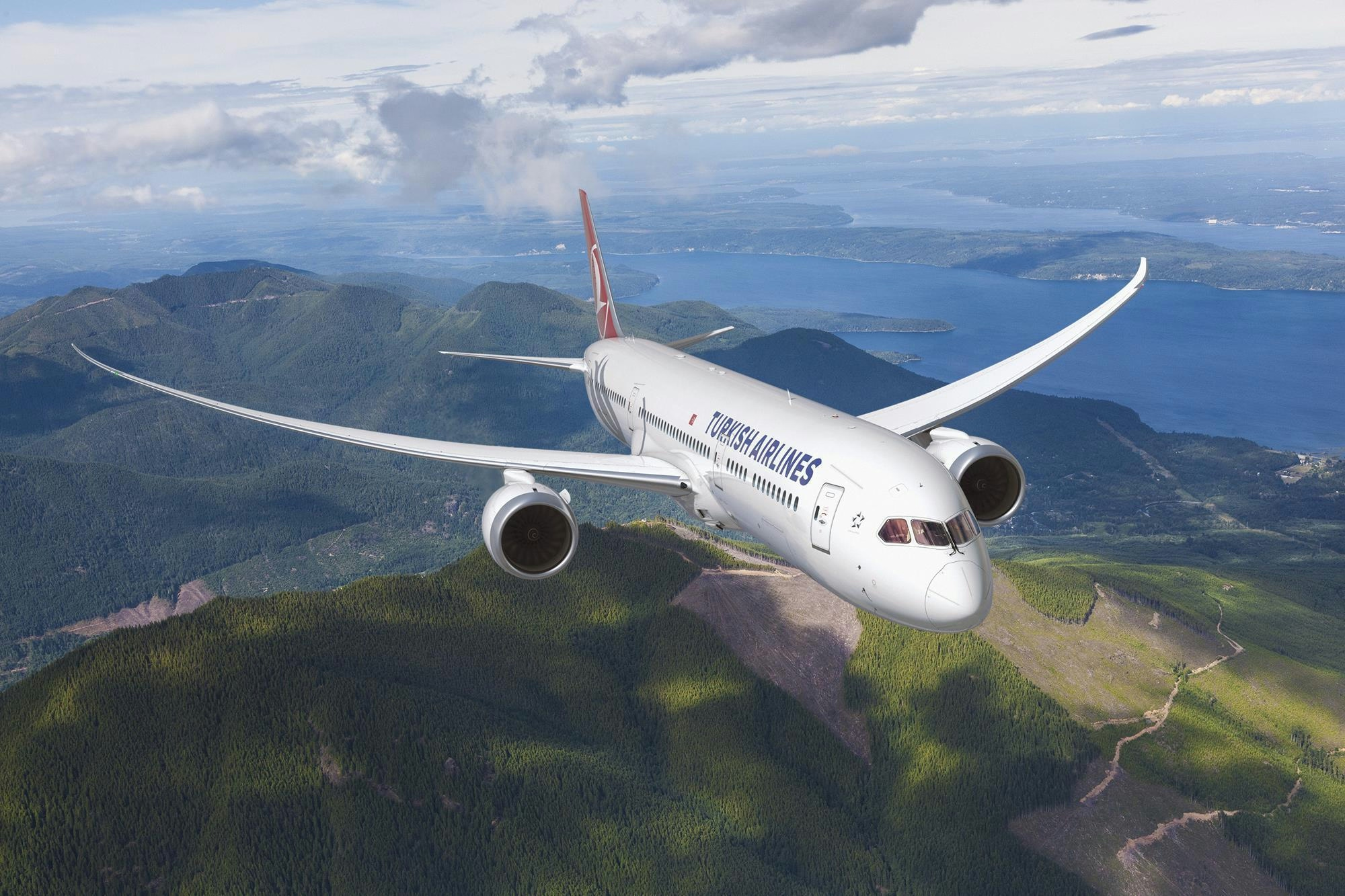
Turkish Airlines Secures GE Aerospace Engines for 75 Boeing 787 Aircraft
Turkish Airlines has announced a landmark agreement with GE Aerospace to supply engines, spare parts, and maintenance services for 75 Boeing 787 aircraft. This contract complements the airline’s prior commitment to acquire 50 Boeing 787-9 and 787-10 jets, with options for an additional 25, as part of a comprehensive strategy to expand and modernize its long-haul fleet. Deliveries are slated to occur between 2029 and 2034.
Strategic Fleet Expansion and Aircraft Selection
The selection of the Boeing 787-9 and 787-10 models reflects Turkish Airlines’ focus on fuel efficiency, extended operational range, and suitability for high-demand international routes. These aircraft are anticipated to enhance the airline’s global connectivity and elevate the passenger experience, reinforcing its ambitions to solidify its position in the competitive long-haul aviation market.
Under the terms of the agreement, GE Aerospace will provide not only the engines but also comprehensive maintenance support for the new fleet. Although the specific engine model has not been disclosed, Turkish Airlines has historically utilized the GEnx-1B engine family for its 787s, recognized for their reliability and fuel efficiency. This partnership is designed to ensure a seamless supply chain and operational continuity as the airline integrates the new aircraft.
Industry Challenges and Innovation
The order arrives amid persistent supply-chain disruptions affecting the global aviation sector. Delays in aircraft and engine deliveries are expected to cost airlines more than $11 billion this year, raising concerns about potential impacts on Turkish Airlines’ fleet expansion schedule. Despite these challenges, the market response to the order has been largely positive, underscoring robust demand for the 787 Dreamliner. Competitors in the industry may respond by reinforcing their own engine and aircraft partnerships as supply-chain issues continue.
In parallel, GE Aerospace is advancing research into the effects of dust on turbine engine performance, a factor that could influence maintenance protocols for Turkish Airlines’ forthcoming fleet. This emphasis on innovation and reliability is poised to provide sustained operational support as the airline builds a modern and efficient fleet.
This agreement represents a significant milestone in Turkish Airlines’ growth trajectory, positioning the carrier for continued expansion throughout the 2030s. By investing in next-generation aircraft and engine technology, Turkish Airlines aims to enhance fuel efficiency, reduce operational costs, and maintain a competitive advantage in international aviation markets.
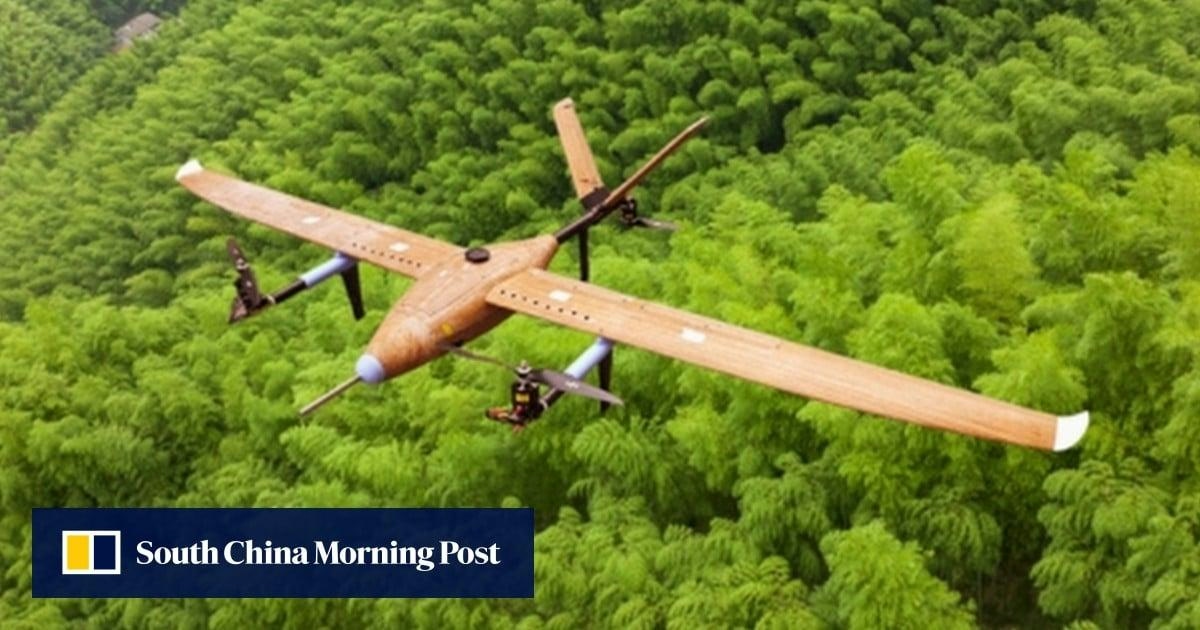
Chinese Team Develops First Flight Control Software for Bamboo Drones
SkyHope Appoints Aviation Industry Leader to Board
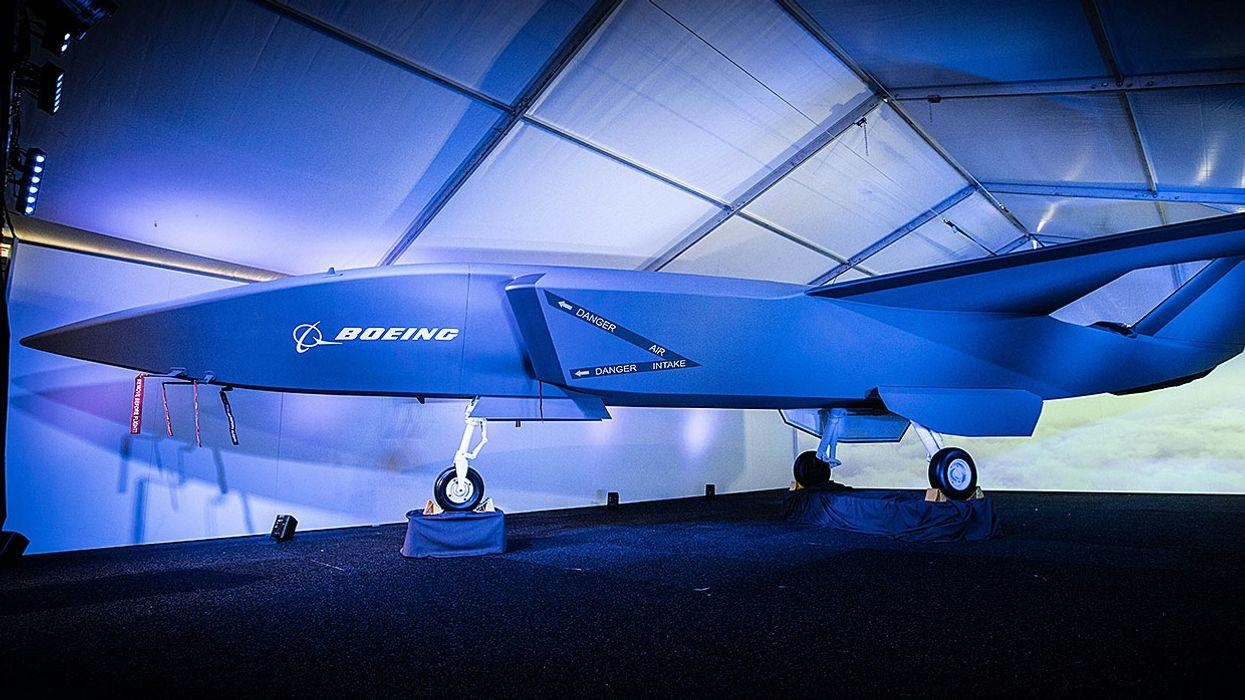
The Challenges of Certifying Autonomous Aircraft
KLM to Receive First Airbus A350, Announces Initial Routes
Saxon Air Receives Clean and Green Energy Innovation Award
How BEB Tax Policies Impact Airlines’ International Leasing Contracts

Indonesia’s Danantara and Mandiri Partner with SMBC to Launch $800 Million Aviation Leasing Fund
South Korea’s SUM Air Places Order for New ATR Aircraft
Benoît Rollier Named Vice President of KLM Engine Service
Azorra Expands Engine Portfolio Through Deal with DAE
