
AeroGenie — Uw intelligente copiloot.

Trending
Categories
The 'Product 177' Engine Resolves Speed and Range Trade-Off in Su-57
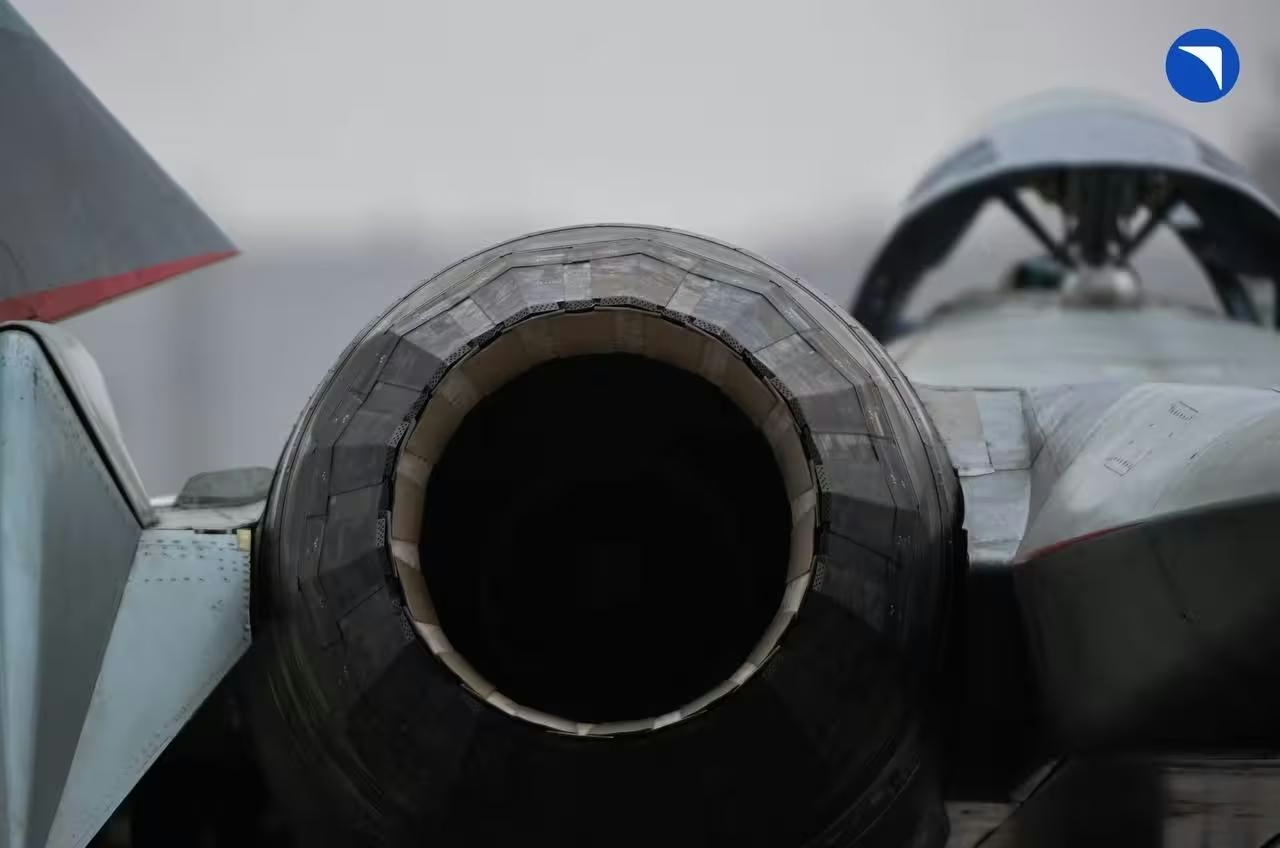
The 'Product 177' Engine Resolves Speed and Range Trade-Off in Su-57
Advancements in Engine Performance
The newly developed Russian "Product 177" engine, designed for operational-tactical aviation, promises to overcome a persistent challenge in fighter jet engineering: reconciling the competing demands of speed and range. Evgeny Marchukov, General Designer at the A. Lyulka Design Bureau under the United Engine Corporation, revealed that the engine achieves a substantial performance improvement without increasing its physical size.
According to Marchukov, the "Product 177" produces 16 tons of thrust in afterburner mode, a figure already validated in recent testing. This output marks a 30% increase in afterburner thrust and more than a 40% rise in maximum thrust compared to the AL-31F engine currently installed in the Su-27 and Su-30 aircraft. Emphasizing the engine’s efficiency, Marchukov noted, “In the same dimensions, but more thrust.”
Enhancing Range and Future Modernization
Beyond delivering greater power, the "Product 177" is engineered to reduce specific fuel consumption during cruising, thereby extending the operational range of the aircraft. This development directly addresses the traditional trade-off between speed and range, which has long constrained fighter jet design. The engine’s architecture also allows for future upgrades, including the potential incorporation of advanced ceramic materials to boost both performance and durability.
The first flight of a Su-57 equipped with the "Product 177" occurred in December 2025, piloted by Honored Test Pilot of Russia Roman Kondratyev. The engine’s compatibility with the Su-57 airframe, along with its planned integration into the forthcoming Su-75 Checkmate—scheduled to begin testing in 2026—positions it as a critical element in Russia’s next generation of combat aircraft.
Strategic Implications in the Global Fighter Market
The introduction of the "Product 177" engine arrives amid intensified competition in the international fighter jet market. Its ability to resolve the speed and range compromise may attract considerable interest from military procurement agencies seeking enhanced aircraft performance. Nevertheless, the competitive environment remains demanding. Western counterparts, such as the F-35, continue to advance despite challenges like software update delays. Concurrently, setbacks in programs such as the T-7A trainer and uncertainties surrounding the Bradley replacement highlight the dual importance of technological innovation and dependable production schedules.
As testing of the "Product 177" progresses, its performance and adaptability will be closely monitored, not only for their impact on Russian aviation capabilities but also for their potential influence on the broader dynamics of military aerospace competition.
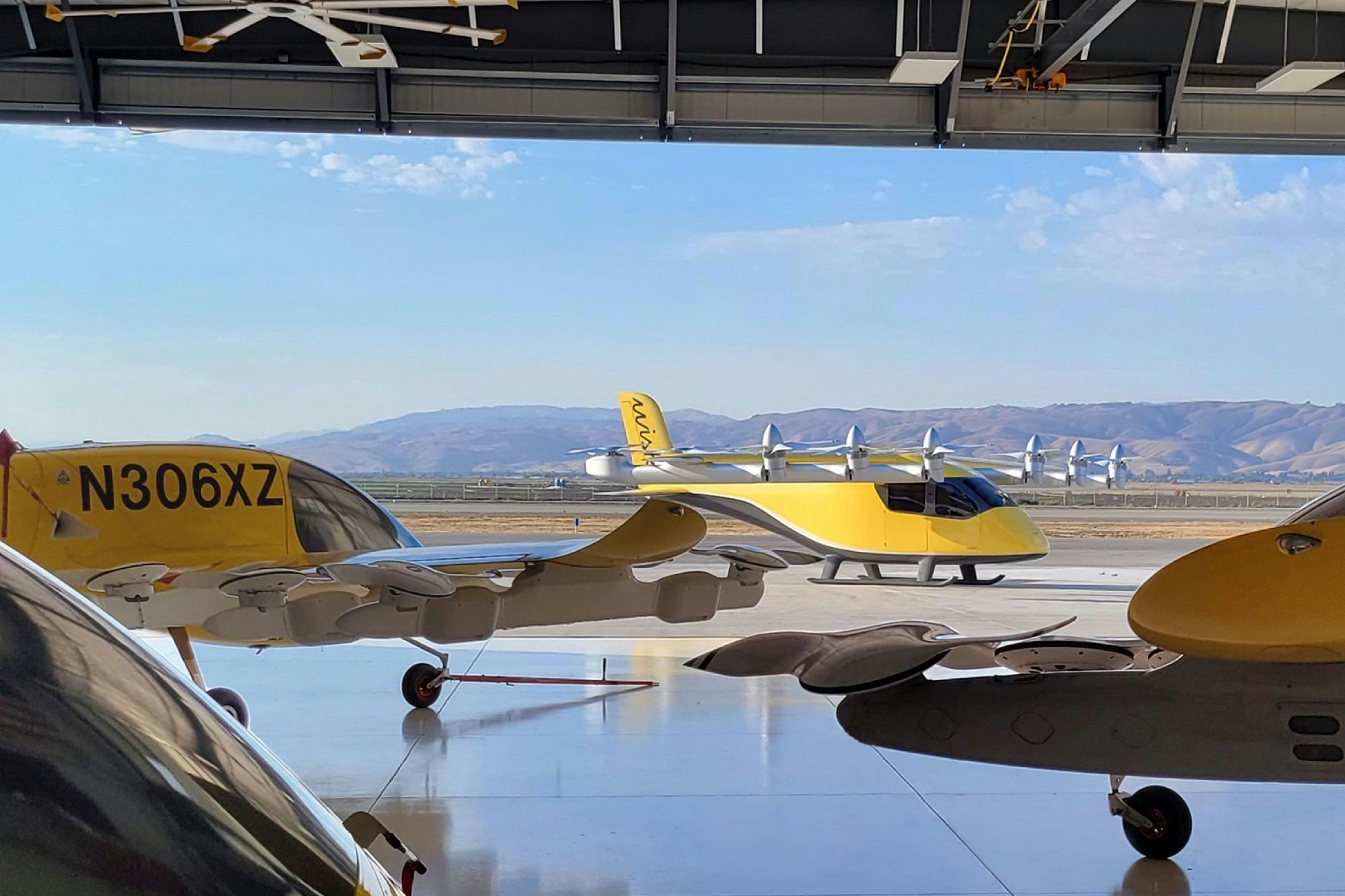
Archer Aviation Confronts Setbacks Amid Declining Air Taxi Interest
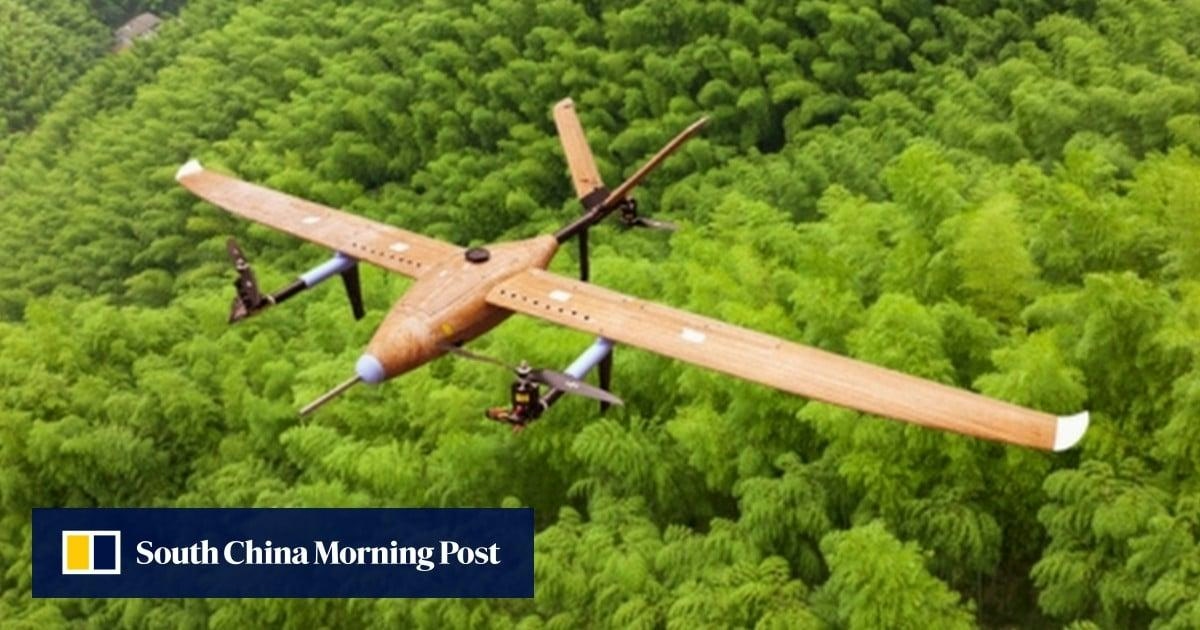
Chinese Team Develops First Flight Control Software for Bamboo Drones
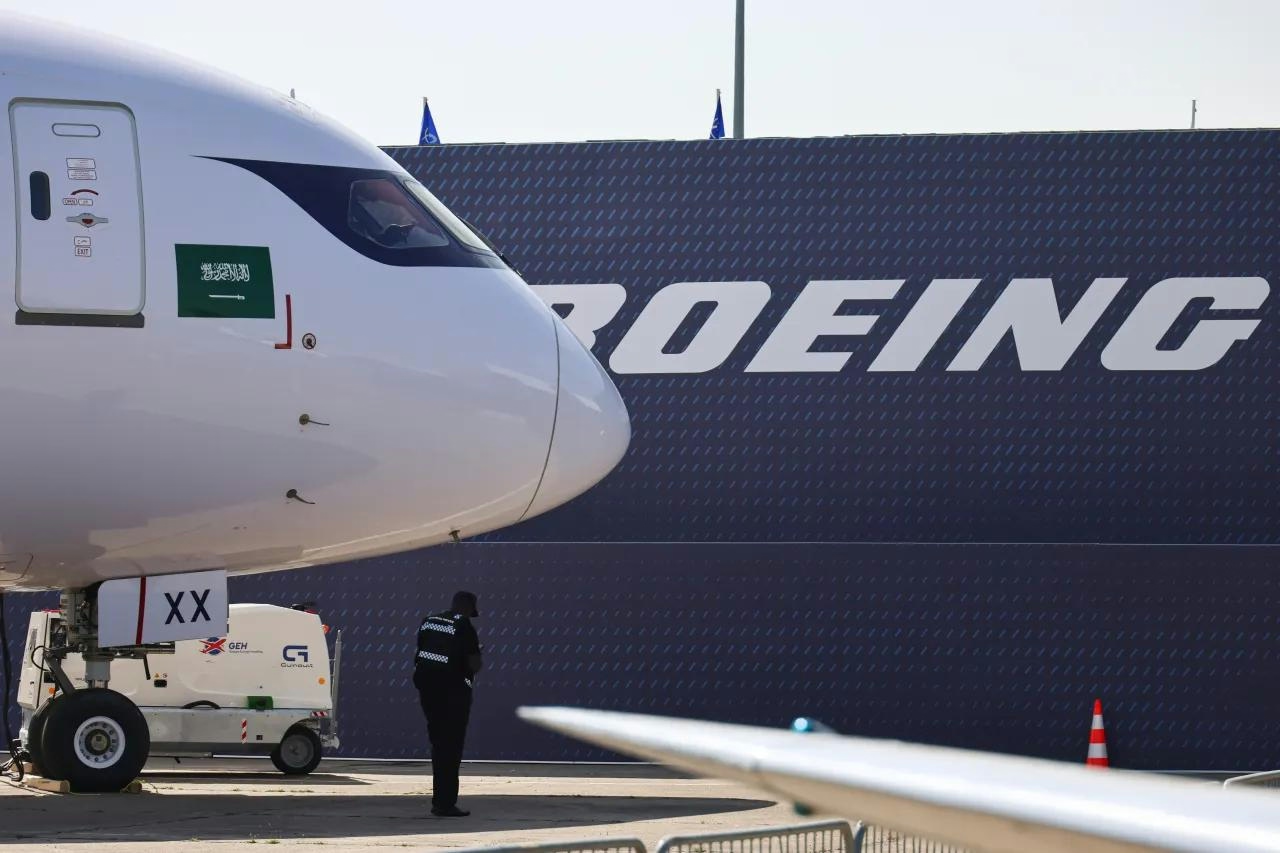
Government Moves Forward with Boeing Purchase, Considers Airbus Leasing
SkyHope Appoints Aviation Industry Leader to Board
The Challenges of Certifying Autonomous Aircraft
KLM to Receive First Airbus A350, Announces Initial Routes
Saxon Air Receives Clean and Green Energy Innovation Award
How BEB Tax Policies Impact Airlines’ International Leasing Contracts

Indonesia’s Danantara and Mandiri Partner with SMBC to Launch $800 Million Aviation Leasing Fund
South Korea’s SUM Air Places Order for New ATR Aircraft
