
AeroGenie — Uw intelligente copiloot.

Trending
Categories
Hybrid System Enhances Efficiency of Regional Aircraft
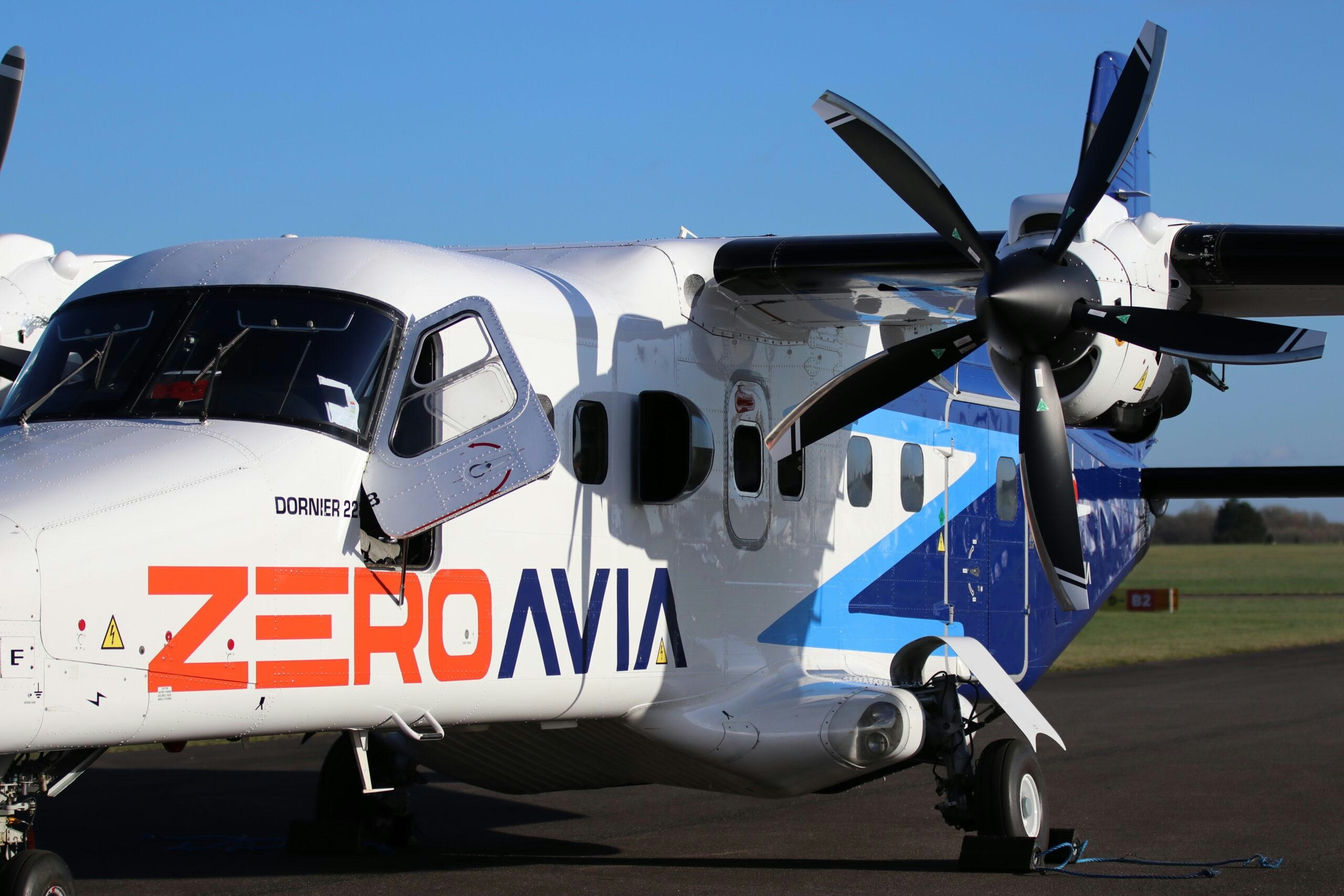
Hybrid System Enhances Efficiency of Regional Aircraft
Advancing Hybrid Propulsion for Regional Aviation
Regional turboprop operators aiming to improve efficiency and sustainability may soon benefit from a novel hybrid thermal-electric propulsion system under development by RTX. Created in collaboration with Pratt & Whitney Canada, Collins Aerospace, and the Canadian government, this system is designed for retrofit into existing aircraft. It seeks to merge the high torque and zero emissions of electric motors with the established reliability and energy density of conventional combustion engines.
Electric propulsion in aviation offers significant advantages, including enhanced efficiency, reduced emissions, and lower noise levels. However, widespread adoption has been hindered primarily by the limited energy density of current battery technology. Aviation fuel contains at least twenty times more energy per unit mass than batteries, restricting all-electric aircraft to short ranges—often less than 150 nautical miles—due to the weight and payload penalties imposed by heavy battery systems. Additional challenges include effective thermal management and the need for robust ground charging infrastructure.
Innovative Hybrid Configuration and Testing Milestones
RTX’s hybrid system addresses these limitations through a unique integration of a 1-MW Pratt & Whitney PW127XT turboprop engine and a 1-MW Collins Aerospace electric motor. Unlike automotive hybrids, which typically use combustion engines to charge batteries that then power electric motors sequentially, this system allows both power sources to drive the propeller shaft simultaneously via a specialized gearbox. This real-time power sharing enables the combustion engine to maintain a steady, efficient throttle setting, while the electric motor supplements power during high-demand phases such as takeoff and climb.
The combined system can deliver up to 2 MW of power. During descent, the electric motor operates as a generator, partially recharging the 200-kWh H55 battery system. A significant milestone was achieved on March 3, 2026, when the integrated propulsion system and batteries successfully operated at full power during testing in Longueuil, Quebec. This progress reflects a broader industry trend as airlines increasingly prioritize reducing operational costs and carbon emissions. For instance, Pan Europeenne Air Service’s commitment to Aura Aero’s hybrid-electric aircraft exemplifies the sector’s growing focus on decarbonized aviation.
Challenges and Industry Implications
Despite these promising developments, substantial challenges remain. The development and deployment of hybrid-electric systems require considerable upfront investment and the establishment of advanced infrastructure to support sustainable aviation fuels and new propulsion technologies. Retrofitting existing aircraft with these systems introduces additional complexity. Furthermore, concerns about the reliability of hybrid vehicles—highlighted by recent Consumer Reports findings—indicate that the aviation industry must rigorously address safety and performance standards.
As competitors accelerate their own hybrid-electric initiatives, RTX’s demonstrator represents a critical step in the evolution of regional aviation. It balances the potential for cleaner, more efficient flight with the practical realities of current technological and infrastructural constraints.
LEVEL Suspends San Francisco Flights Due to Engine Shortage
China Conducts First Flight Test of Megawatt Hydrogen Turboprop Engine
Oklahoma’s Aerospace Industry Expands and Its Impact on the State Economy
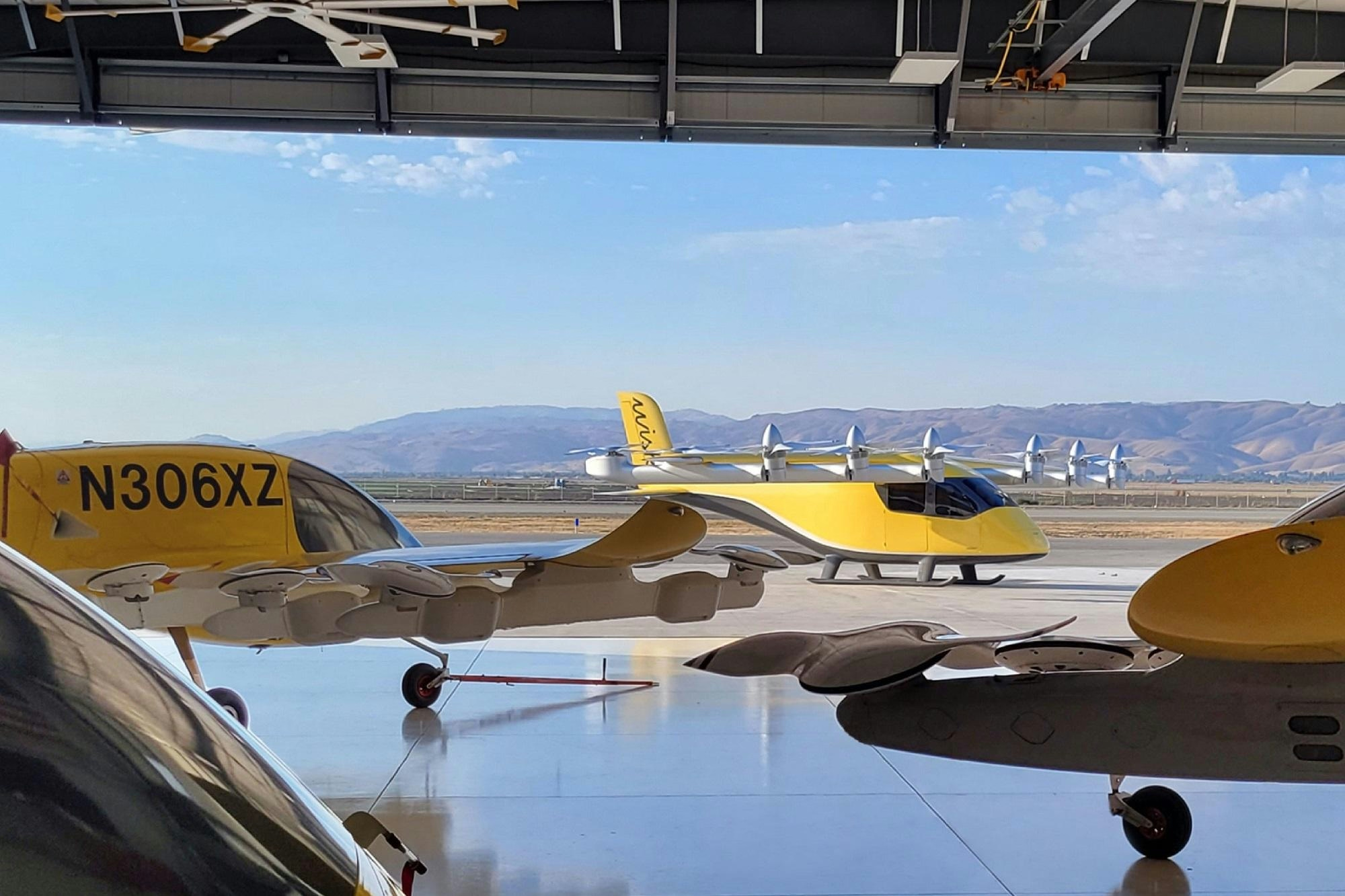
Archer Aviation Confronts Setbacks Amid Declining Air Taxi Interest

FAA and EASA Mandates to Influence Flight Line Testing Equipment Market Through 2035
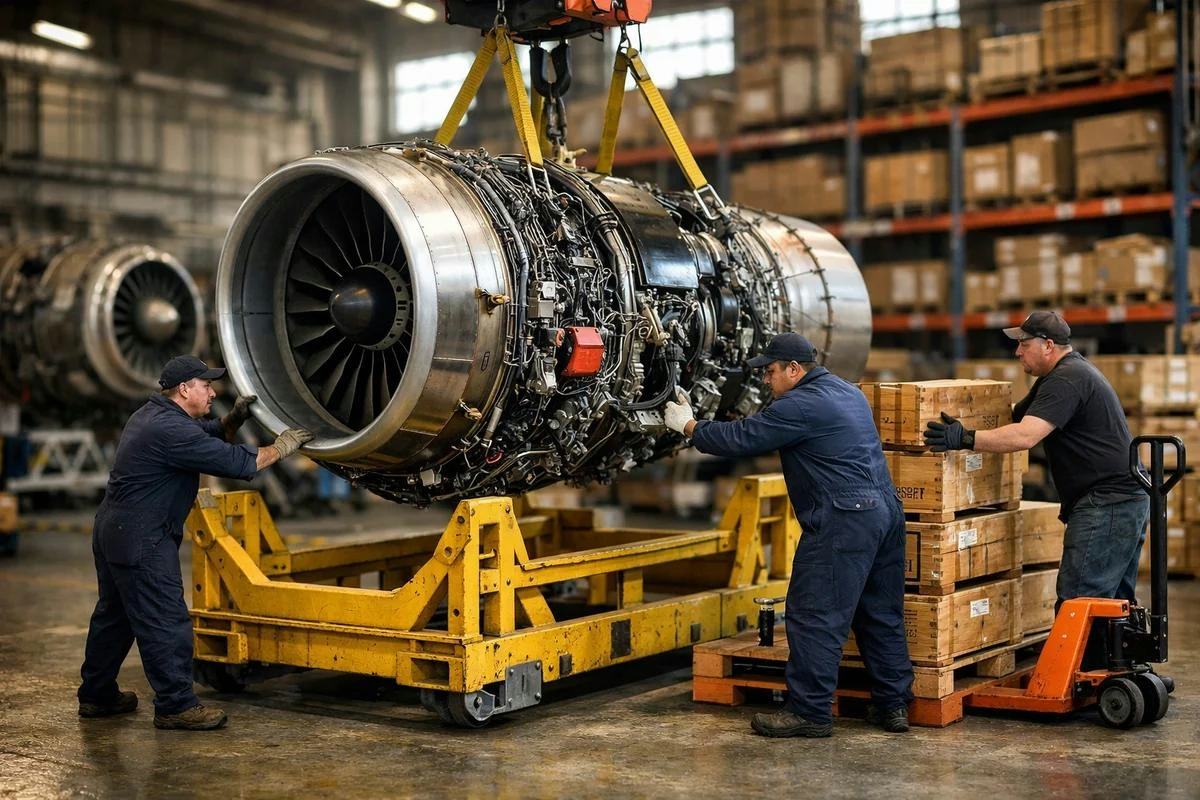
Willis Lease Operates as a Leveraged Spread Business with Moderate Returns
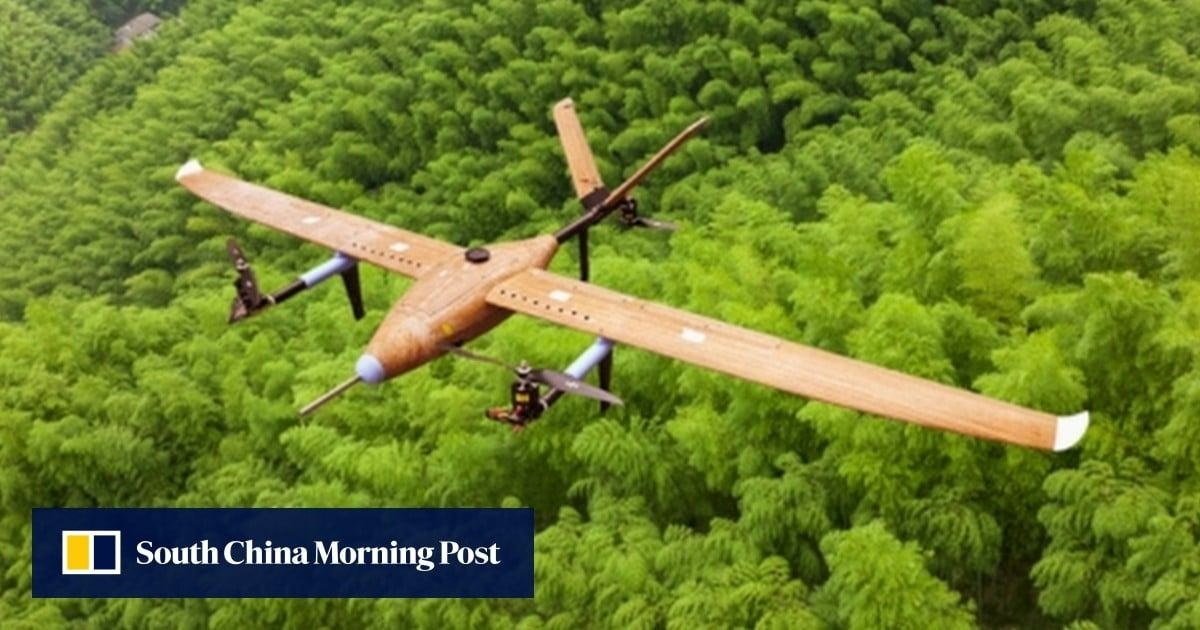
Chinese Team Develops First Flight Control Software for Bamboo Drones
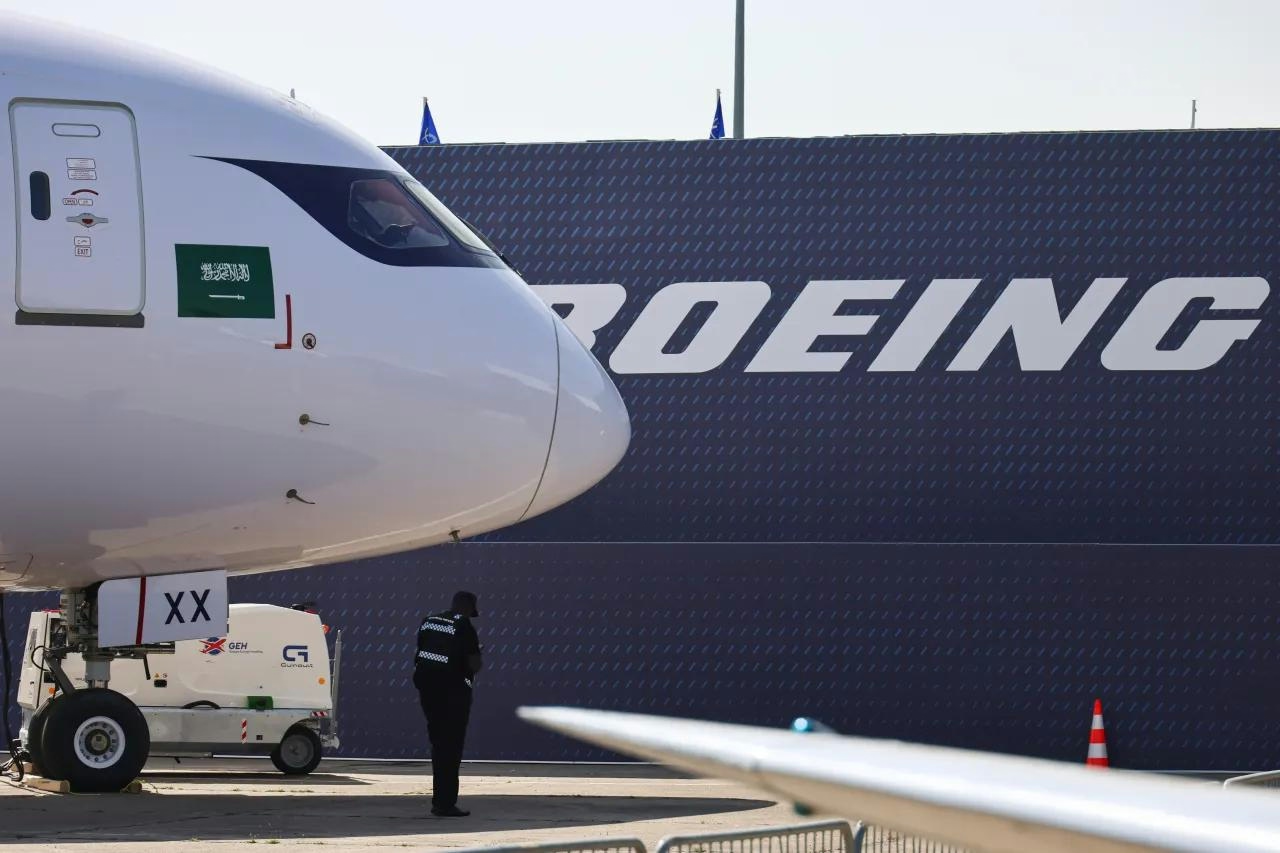
Government Moves Forward with Boeing Purchase, Considers Airbus Leasing
SkyHope Appoints Aviation Industry Leader to Board
The Challenges of Certifying Autonomous Aircraft
