
AeroGenie — Uw intelligente copiloot.

Trending
Categories
Airbus Leads Narrowbody Orders as Boeing Dominates Widebody Sector
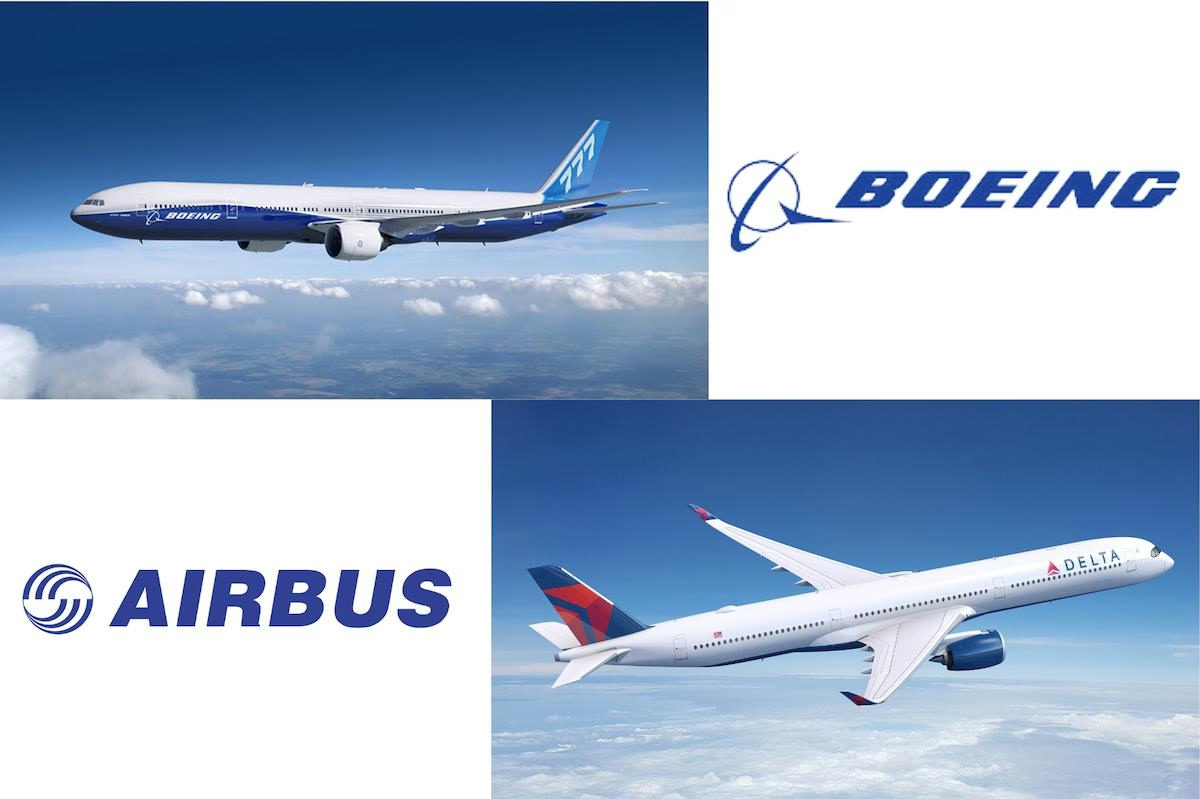
Airbus Leads Narrowbody Orders as Boeing Dominates Widebody Sector
As the commercial aviation industry approaches the end of 2025, the rivalry between Airbus and Boeing remains distinctly segmented by aircraft category. Boeing continues to command a dominant position in the widebody, twin-aisle market, holding 59% of the sector’s backlog compared to Airbus’s 41%. This leadership is reinforced by significant recent orders, including Turkish Airlines’ commitment to acquire up to 75 Boeing 787 Dreamliners alongside additional 737 MAX jets, underscoring Boeing’s strong foothold in the larger aircraft segment.
Narrowbody Market: Airbus Takes the Lead
In contrast, the narrowbody, single-aisle market—which accounts for approximately 80% to 85% of all commercial aircraft sales—presents a different competitive landscape. Airbus has established itself as the market leader in the 125-240 seat category, capturing 54% of the market share, while Boeing holds 35%. This shift is exemplified by a notable milestone reached on October 7, 2025, when Airbus’s A320 series surpassed the Boeing 737 as the most frequently delivered commercial jet. The A320’s versatility and cost efficiency have made it increasingly appealing to airlines navigating rising fuel prices and variable passenger demand.
China’s COMAC has secured a 10% share of the narrowbody backlog, although its production and delivery schedules remain irregular. Embraer’s E195-E2, offering seating configurations of 144 in a single class or 133 in a two-class layout, accounts for 1% of the narrowbody sector. Within the smaller 100-125 seat segment, Airbus leads with a 54% market share and a backlog of 45 aircraft, while Embraer closely follows with 39 aircraft. In this category, Embraer’s E190-E2 competes directly with the Airbus A220-100.
Regional Jets and Market Division
In the regional jet market, Embraer’s 76-seat E175-E1 stands unchallenged, boasting a backlog of 208 aircraft with no direct competitors. The current market landscape reveals a clear division: Airbus dominates the high-volume narrowbody segment, propelled by the success of its A320 family, while Boeing retains its advantage in the widebody sector, supported by robust orders for its long-haul aircraft. As airlines continue to respond to evolving market conditions, these trends are poised to influence the competitive dynamics of the commercial aviation industry well into the future.
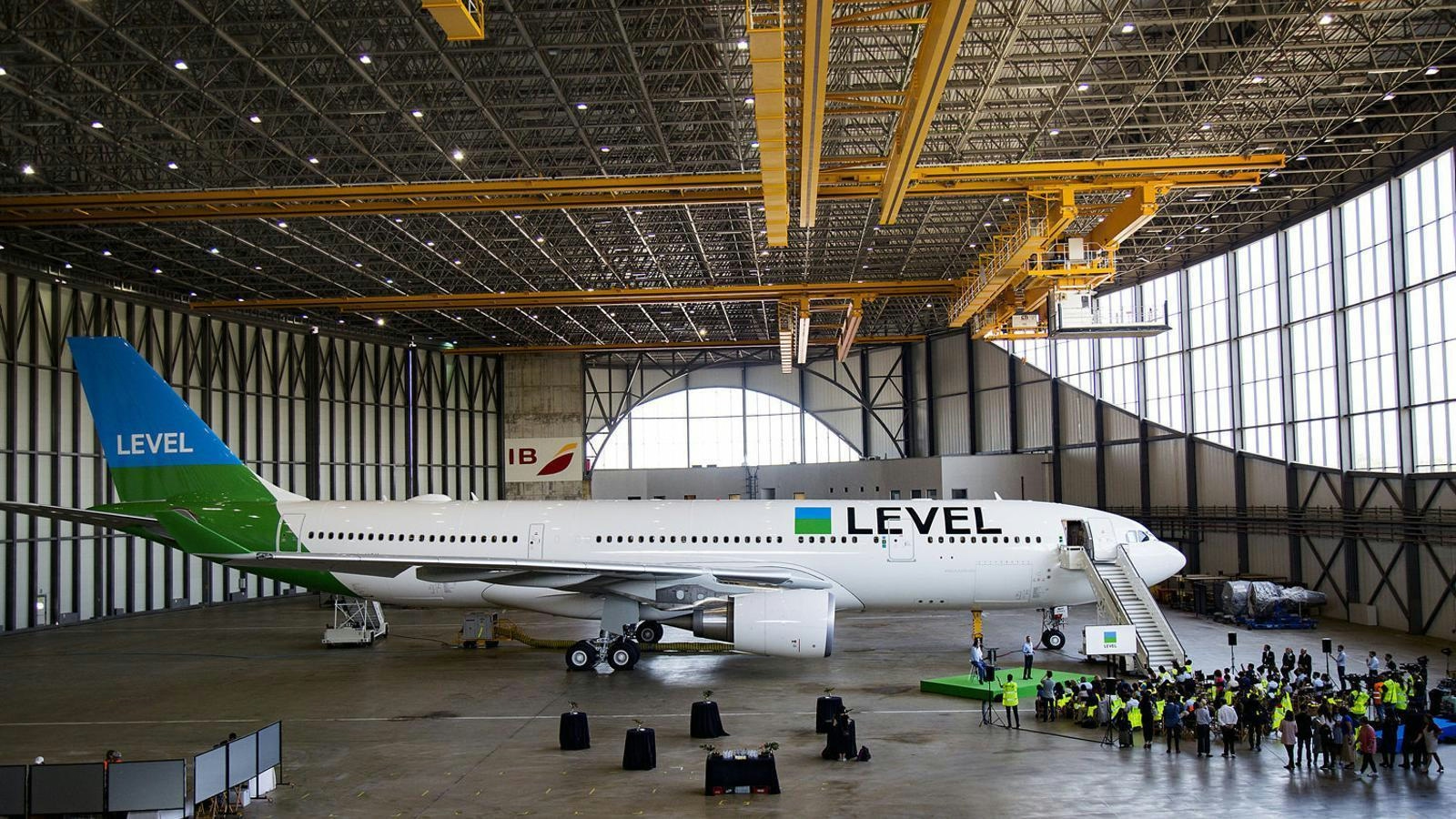
LEVEL Suspends San Francisco Flights Due to Engine Shortage

China Conducts First Flight Test of Megawatt Hydrogen Turboprop Engine

Oklahoma’s Aerospace Industry Expands and Its Impact on the State Economy

Archer Aviation Confronts Setbacks Amid Declining Air Taxi Interest

FAA and EASA Mandates to Influence Flight Line Testing Equipment Market Through 2035
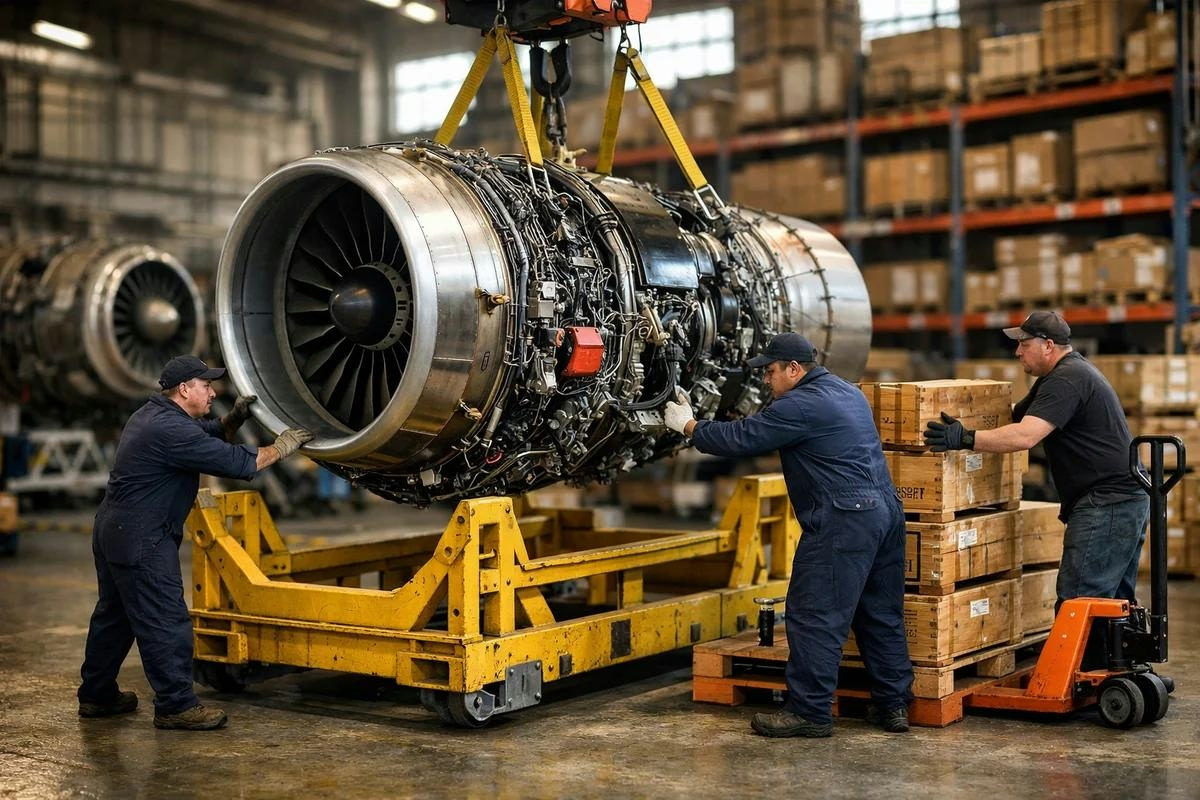
Willis Lease Operates as a Leveraged Spread Business with Moderate Returns

Chinese Team Develops First Flight Control Software for Bamboo Drones
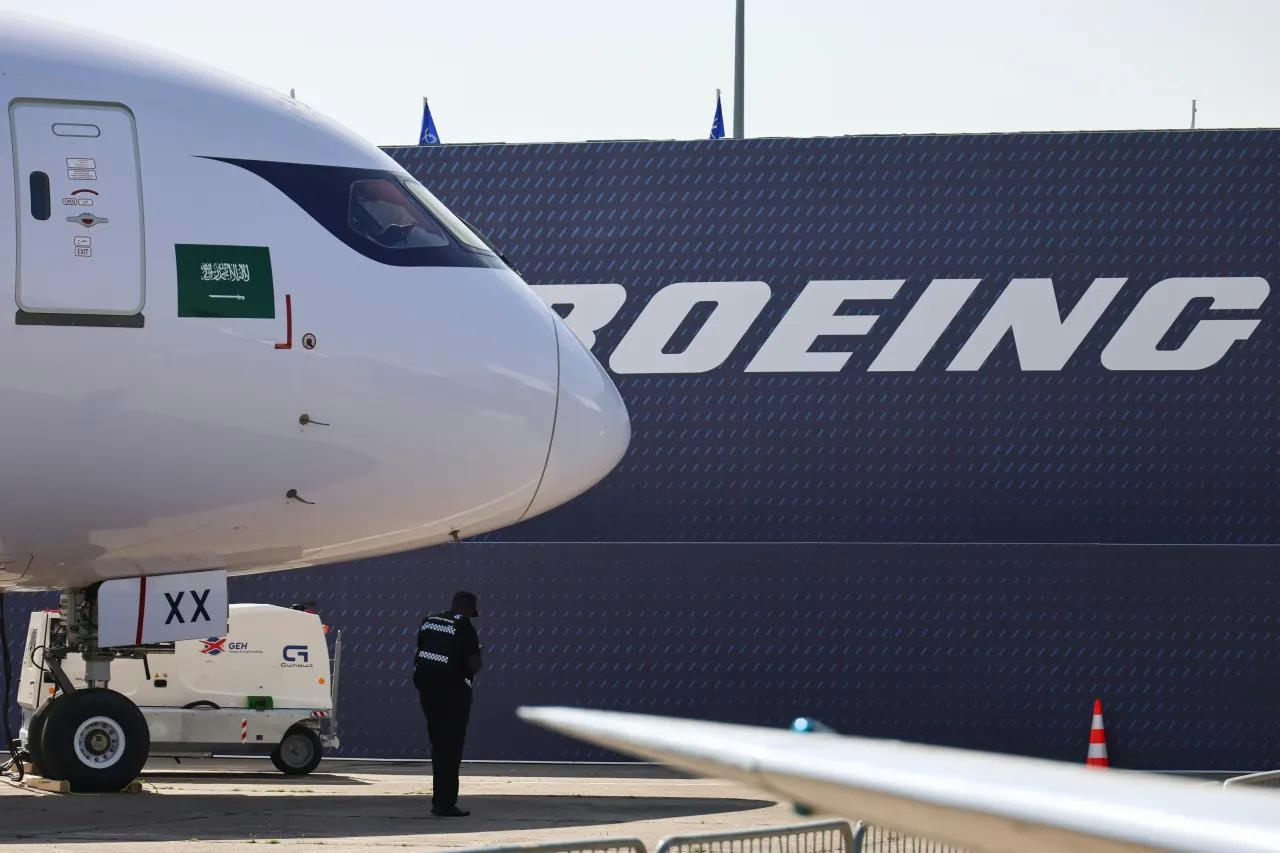
Government Moves Forward with Boeing Purchase, Considers Airbus Leasing
SkyHope Appoints Aviation Industry Leader to Board
The Challenges of Certifying Autonomous Aircraft
