
AeroGenie — Uw intelligente copiloot.

Trending
Categories
AirAsia adopts GE Aerospace Fuel Insight to boost efficiency and sustainability
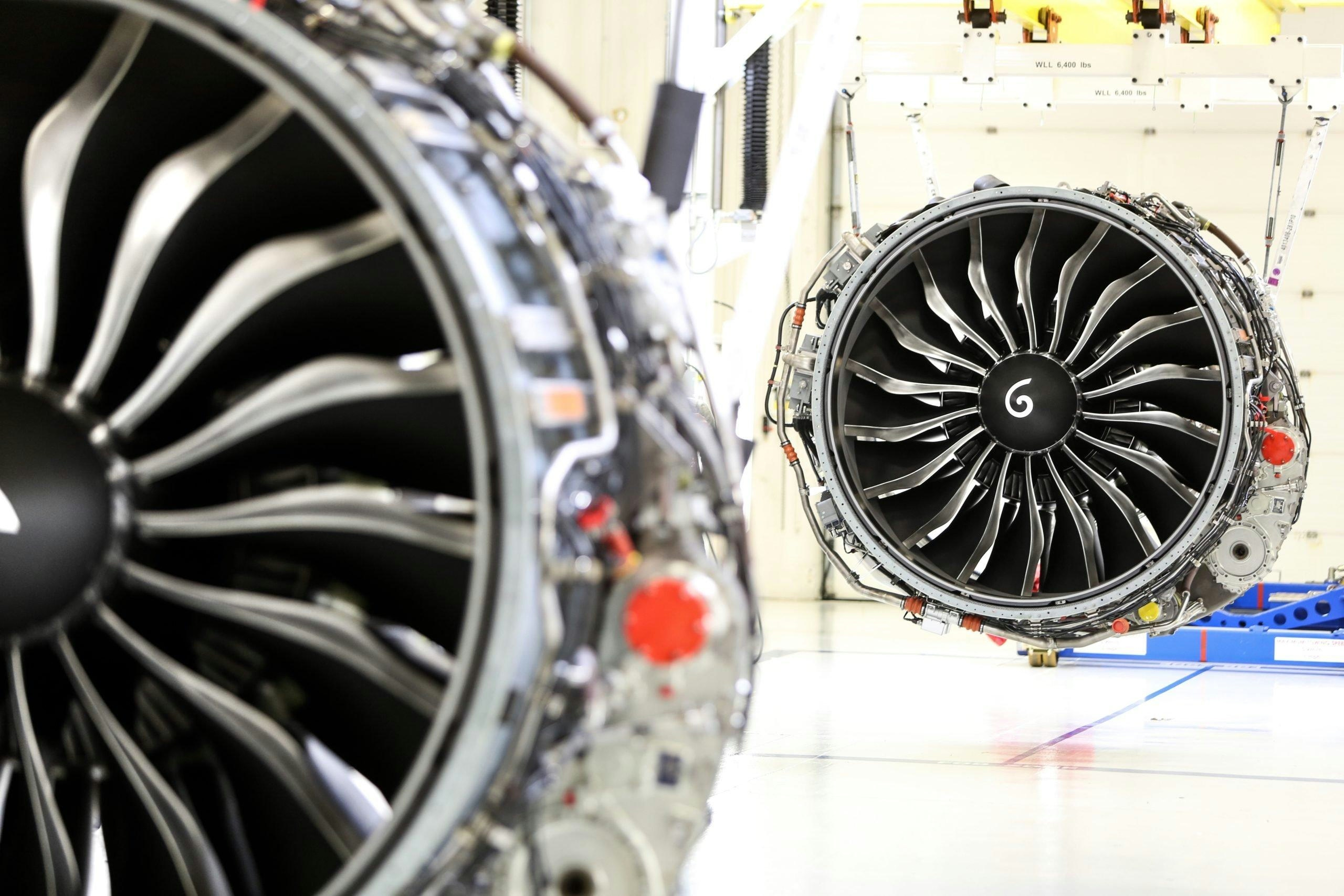
AirAsia Implements GE Aerospace Fuel Insight to Enhance Efficiency and Sustainability
GE Aerospace has announced that AirAsia will adopt its Fuel Insight platform across the airline’s entire fleet, marking a significant step toward improving fuel efficiency and advancing sustainability efforts. This renewed partnership highlights AirAsia’s dedication to operational excellence and underscores the growing reliance on GE Aerospace’s Software as a Service (SaaS) solutions within the aviation sector.
Deployment and Operational Benefits
The Fuel Insight platform will be implemented across all AirAsia Aviation Group’s air operator certificates (AOCs) throughout Southeast Asia. By harnessing advanced analytics and real-time operational data, the system enables AirAsia’s operations team to identify opportunities for enhanced fuel performance, optimize route planning, and reduce unnecessary fuel consumption. These improvements are anticipated to generate substantial cost savings, increase operational reliability, and contribute to the airline’s environmental objectives by curbing avoidable fuel burn.
Datuk Captain Chester Voo, Deputy Group CEO (Airline Operations) of AirAsia Aviation Group, described the collaboration as “a strategic step forward in strengthening how we manage fuel efficiency across the Group.” He emphasized that GE Aerospace’s technology equips AirAsia with the tools to make smarter, data-driven decisions that support both cost-efficiency and sustainability goals, allowing the airline to maintain competitive fares while operating more efficiently.
Challenges and Industry Context
Despite the clear advantages, integrating GE Aerospace’s Fuel Insight technology presents challenges for AirAsia. The airline must carefully manage the transition to ensure minimal disruption to flight schedules, while addressing the technical complexities and initial costs associated with adopting new digital systems. Market responses to the announcement have been mixed; some investors express optimism regarding the long-term sustainability and cost benefits, whereas others remain cautious about the upfront investment and potential integration difficulties.
The competitive environment is also shifting, with carriers such as Turkish Airlines—AirAsia X’s rival on routes like Kuala Lumpur to Istanbul—likely to pursue similar sustainability initiatives to preserve their market positions. This broader industry movement toward greener operations is further bolstered by GE Aerospace’s recent strong earnings report and an upgraded profit forecast for 2025, reflecting robust market confidence in the technology’s potential.
Through this partnership, AirAsia aims to leverage cutting-edge analytics to achieve both financial and environmental gains. The adoption of Fuel Insight not only reinforces the airline’s commitment to sustainability but also exemplifies how innovative technology can drive smarter, more efficient aviation practices across the region.
Archer Aviation Confronts Setbacks Amid Declining Air Taxi Interest
Chinese Team Develops First Flight Control Software for Bamboo Drones
Government Moves Forward with Boeing Purchase, Considers Airbus Leasing
SkyHope Appoints Aviation Industry Leader to Board
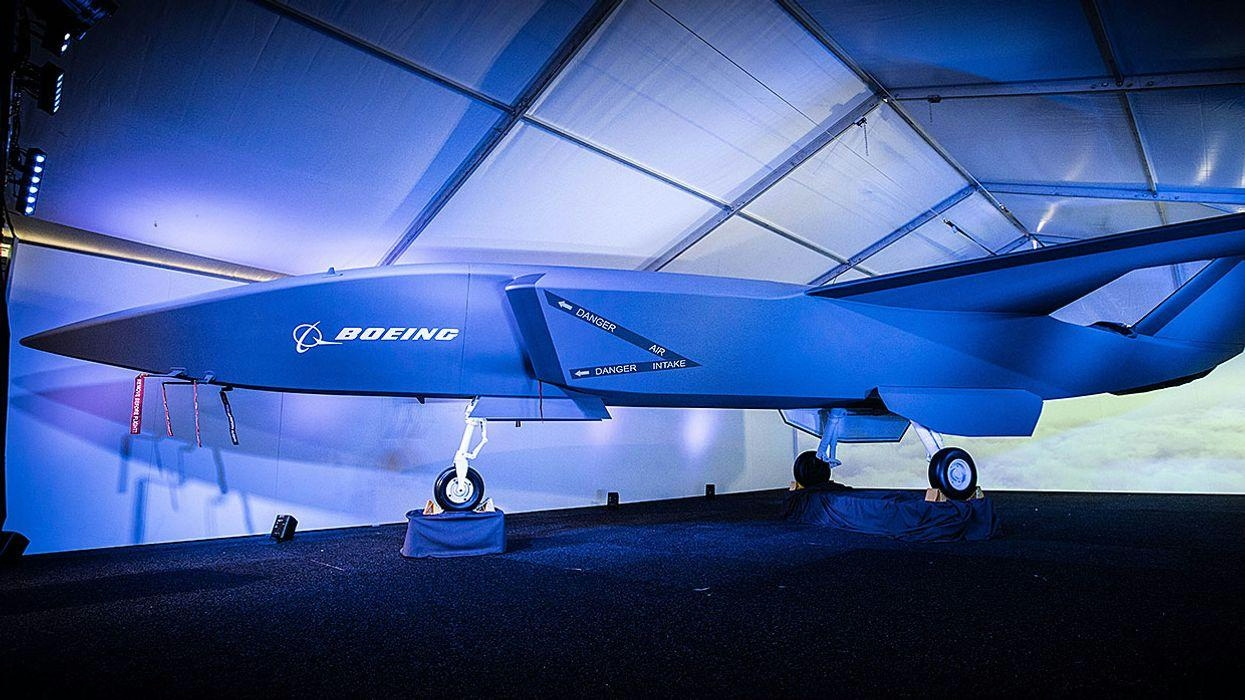
The Challenges of Certifying Autonomous Aircraft
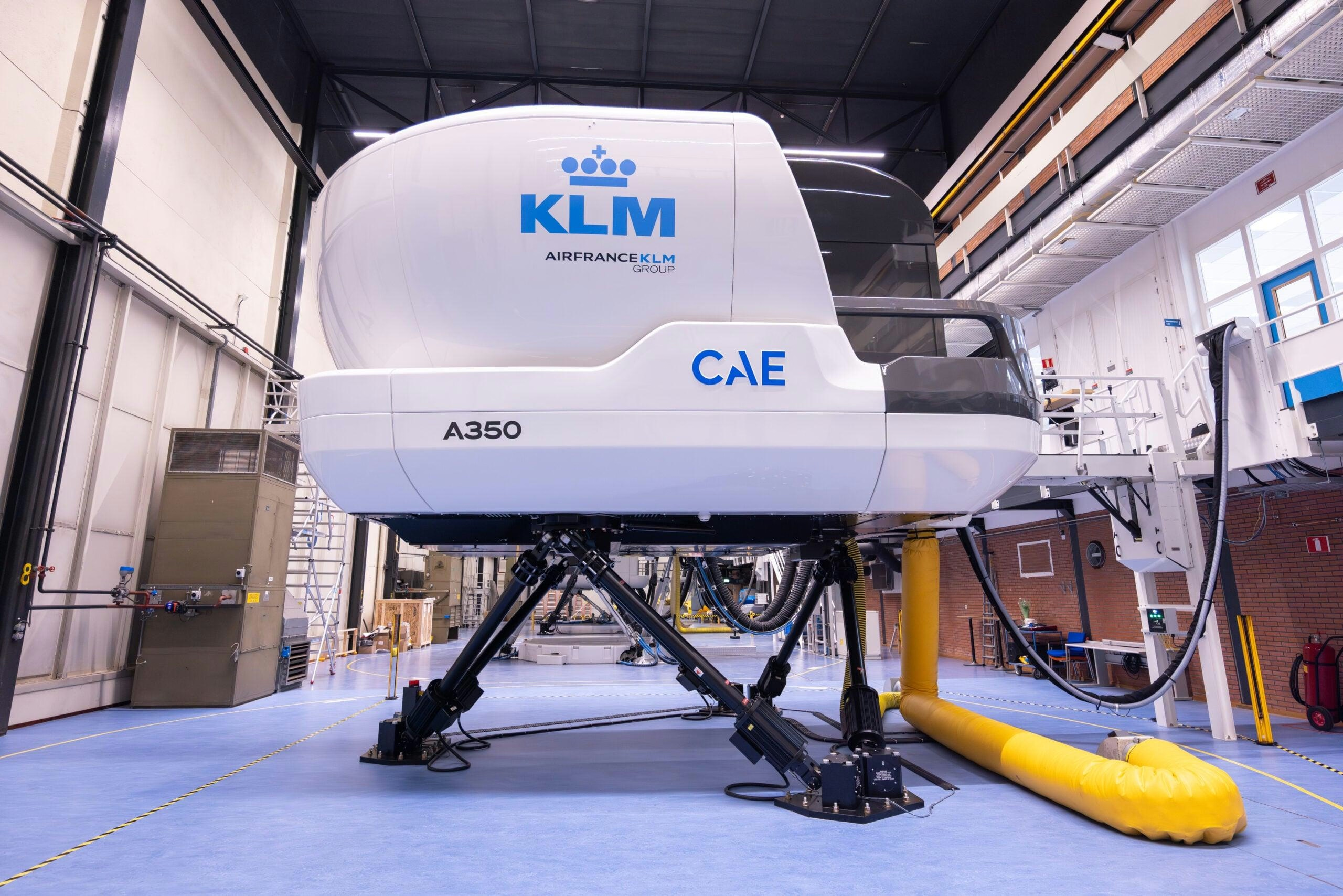
KLM to Receive First Airbus A350, Announces Initial Routes
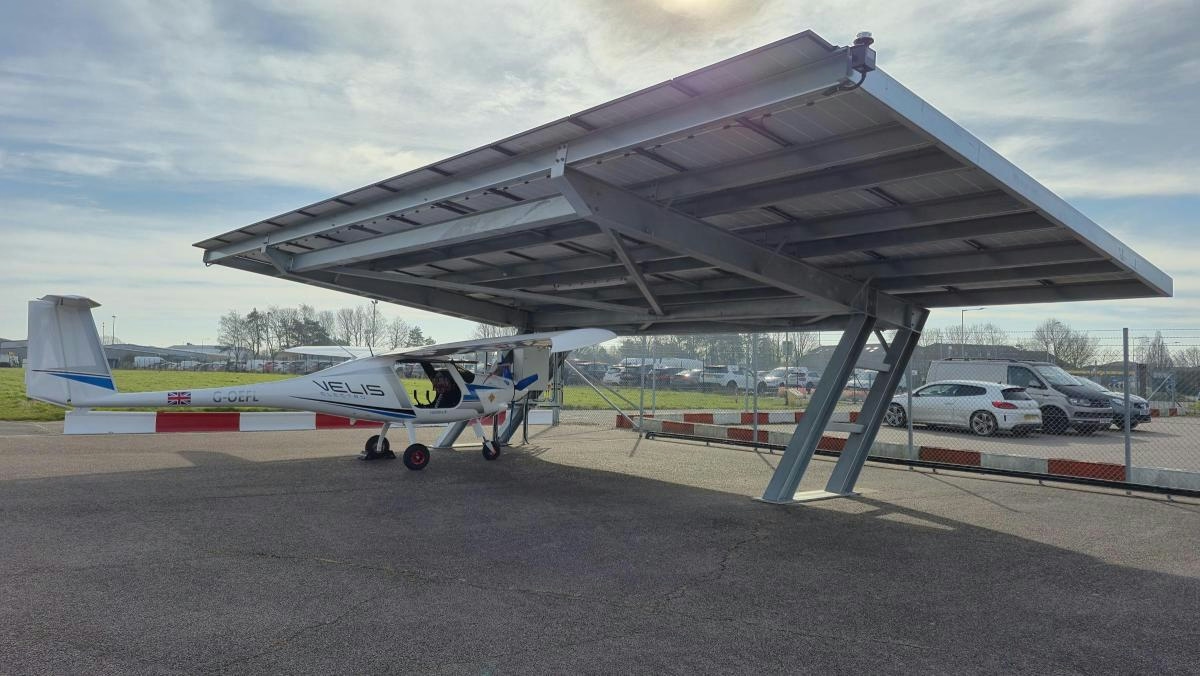
Saxon Air Receives Clean and Green Energy Innovation Award
How BEB Tax Policies Impact Airlines’ International Leasing Contracts
Indonesia’s Danantara and Mandiri Partner with SMBC to Launch $800 Million Aviation Leasing Fund
South Korea’s SUM Air Places Order for New ATR Aircraft
