
AeroGenie — Your Intelligent Copilot.

Trending
Categories
Superjet Undergoes Replacement of 49 Systems and Engines: Is Re-Engining Feasible?
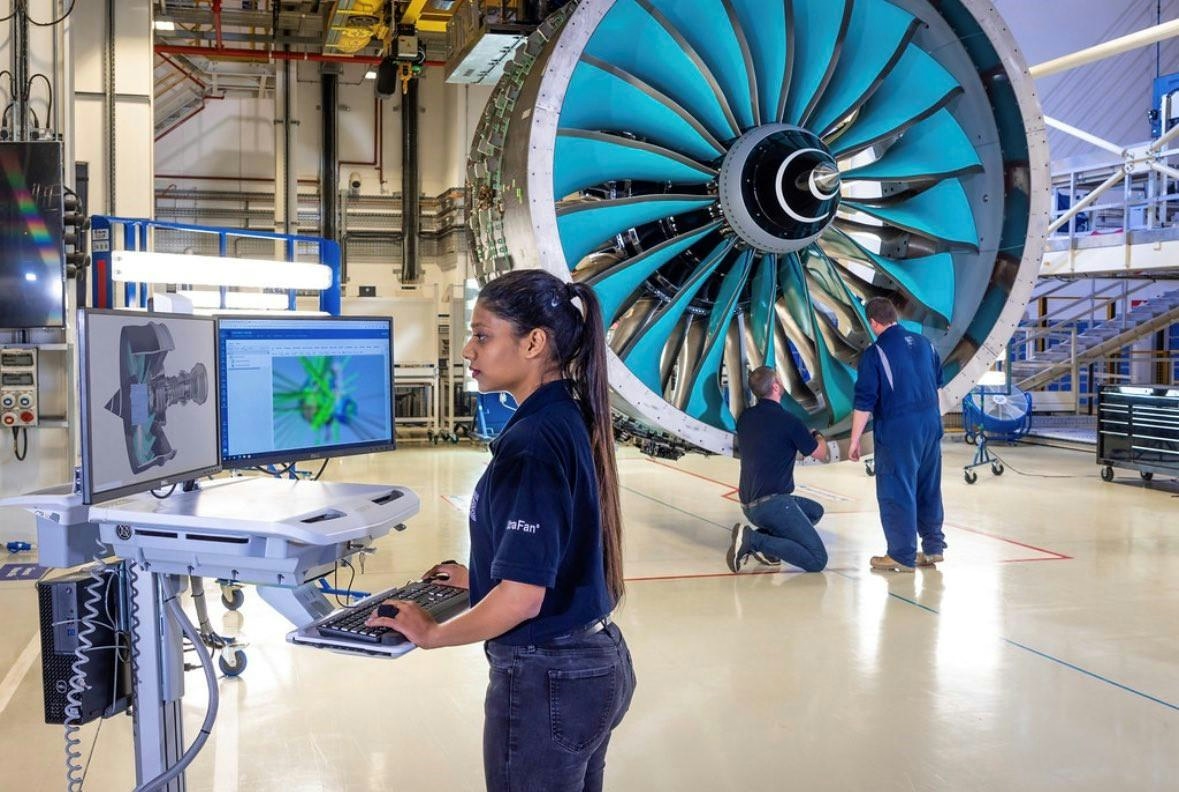
Superjet 100 Undergoes Extensive System Replacements Amid Engine Transition
Russia’s Superjet 100 regional airliner is currently undergoing a significant overhaul as it prepares to replace its French SaM-146 engines with the domestically produced PD-8. This transition involves the replacement of 49 key systems, marking a major step toward reducing dependence on imported components. According to reports from AviaTransReview, four Superjet 100 aircraft are actively engaged in testing these newly developed parts, underscoring the scale and complexity of the modernization effort.
Aviation expert Oleg Panteleev has emphasized that while the technical feasibility of re-engining the existing fleet—comprising approximately 150 aircraft—is established, the primary obstacle lies in the economic domain. He noted that the challenge extends beyond the engines themselves, as dozens of other imported systems must also be substituted to achieve full localization. This comprehensive replacement effort presents a multifaceted challenge, involving supply chain management, system compatibility, and significant financial investment.
Economic and Industry Implications of the Modernization
The financial implications of replacing the SaM-146 engines with PD-8 units are considerable. Roman Gusarov, speaking to First Technical, highlighted the substantial costs involved and pointed out that funding sources for the project remain uncertain. This economic uncertainty has elicited mixed reactions from market participants. Some investors question the cost-effectiveness and overall feasibility of simultaneously replacing engines and nearly fifty critical systems. Others, however, view the initiative as a strategic move to enhance the Superjet’s performance and competitiveness on the global stage.
The broader aviation sector continues to grapple with structural challenges, yet there is notable growth potential, particularly in emerging markets such as Brazil, where airlines are actively expanding their networks. Competitors are closely observing the Superjet’s progress, with industry analysts suggesting that successful certification and integration of the new systems could alter market dynamics. Should the upgrades prove effective, they may prompt increased scrutiny of the Superjet’s capabilities and position it as a more formidable competitor in the regional aircraft market.
As the Superjet 100 advances toward certification for the PD-8 engine and the integration of the new systems, the outcome will have significant implications not only for Russia’s regional aviation industry but also for broader trends in aircraft localization and supply chain resilience. The coming months are poised to be critical as stakeholders await regulatory approval and greater clarity regarding the project’s financial framework.
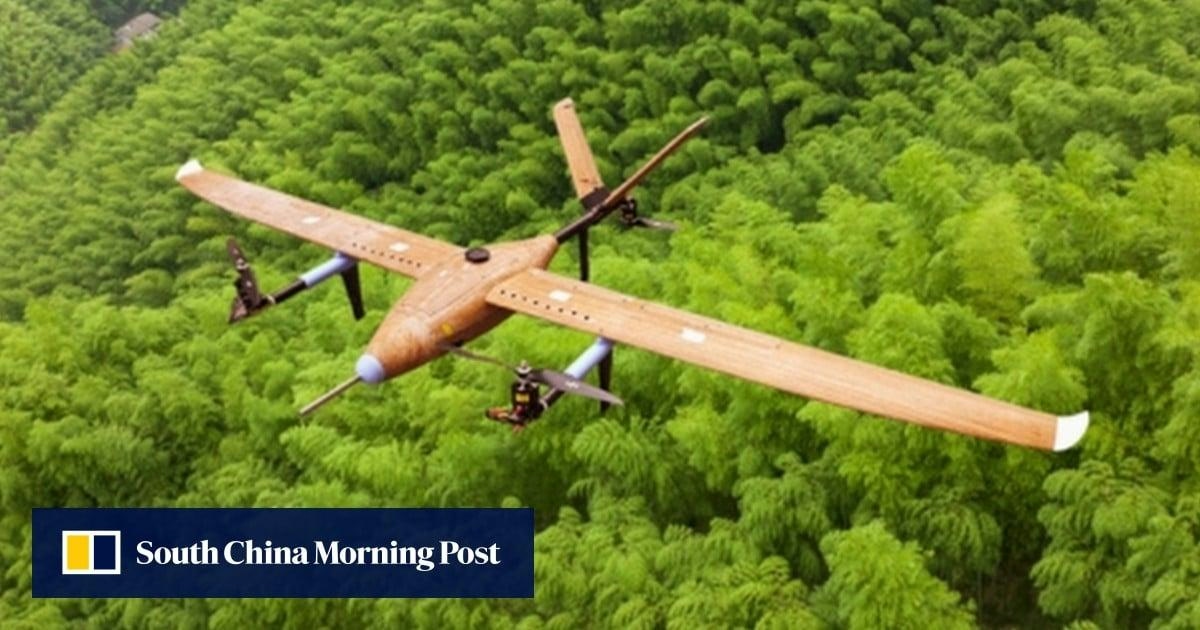
Chinese Team Develops First Flight Control Software for Bamboo Drones
SkyHope Appoints Aviation Industry Leader to Board
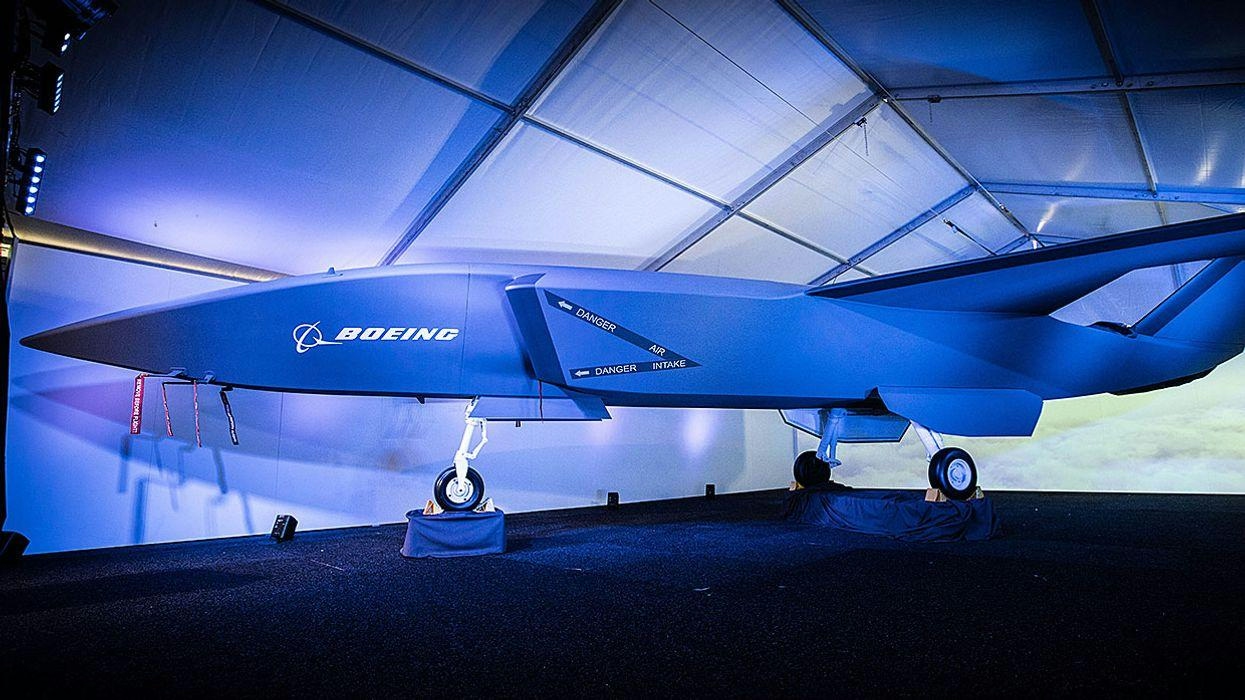
The Challenges of Certifying Autonomous Aircraft
KLM to Receive First Airbus A350, Announces Initial Routes
Saxon Air Receives Clean and Green Energy Innovation Award
How BEB Tax Policies Impact Airlines’ International Leasing Contracts
Indonesia’s Danantara and Mandiri Partner with SMBC to Launch $800 Million Aviation Leasing Fund
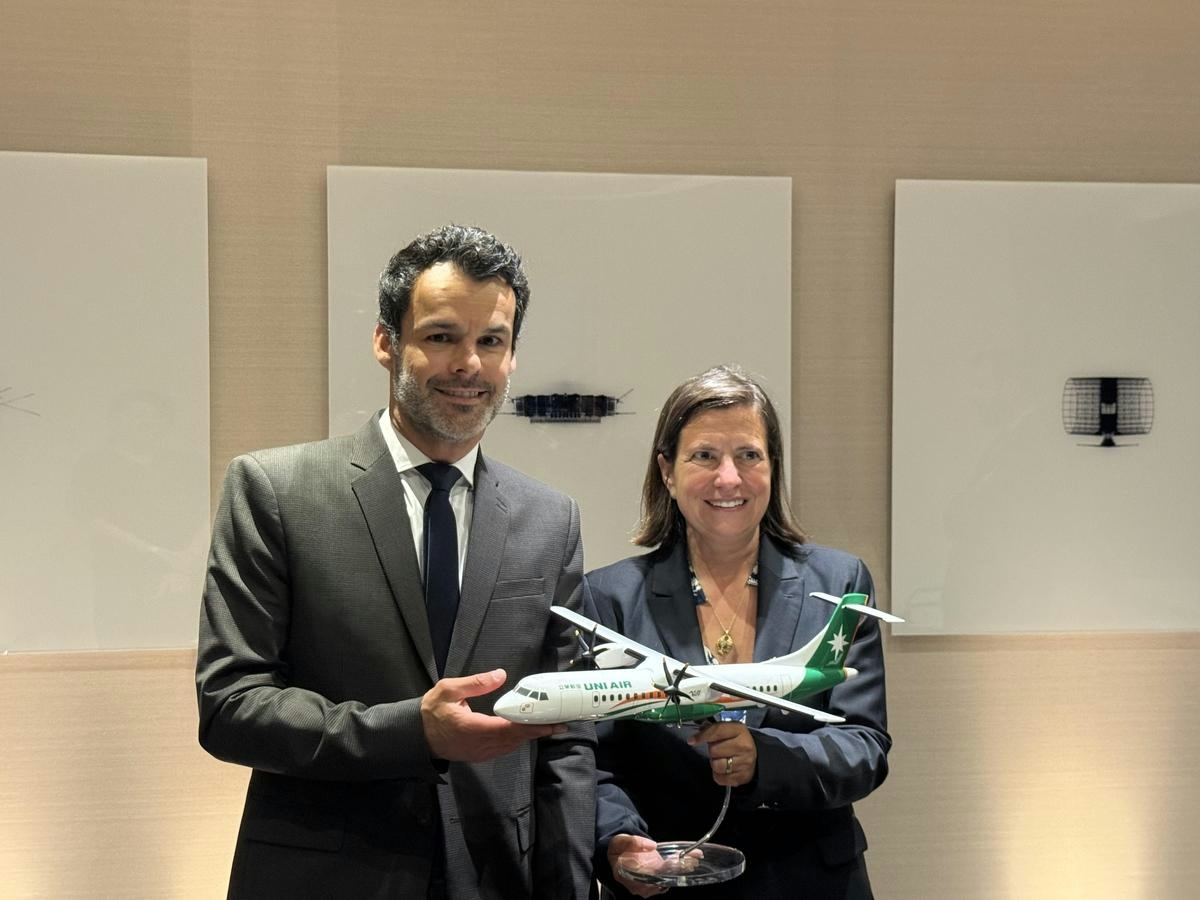
South Korea’s SUM Air Places Order for New ATR Aircraft
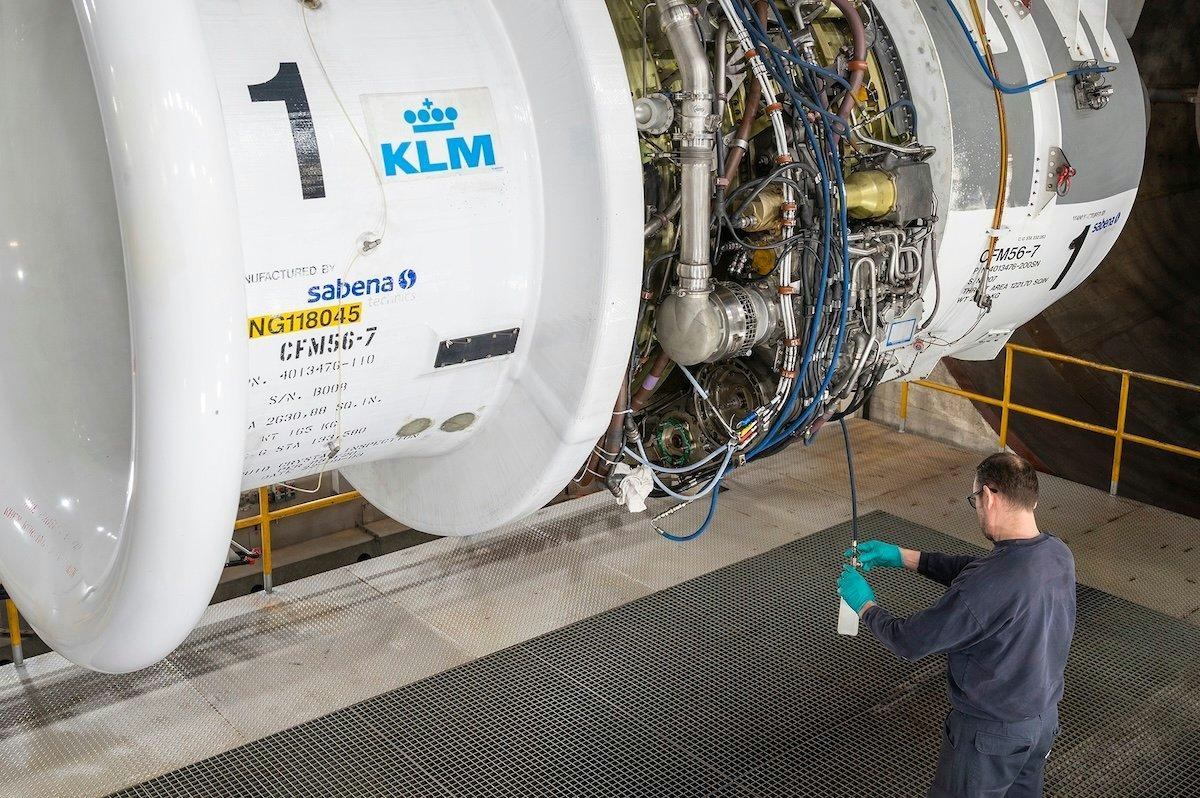
Benoît Rollier Named Vice President of KLM Engine Service
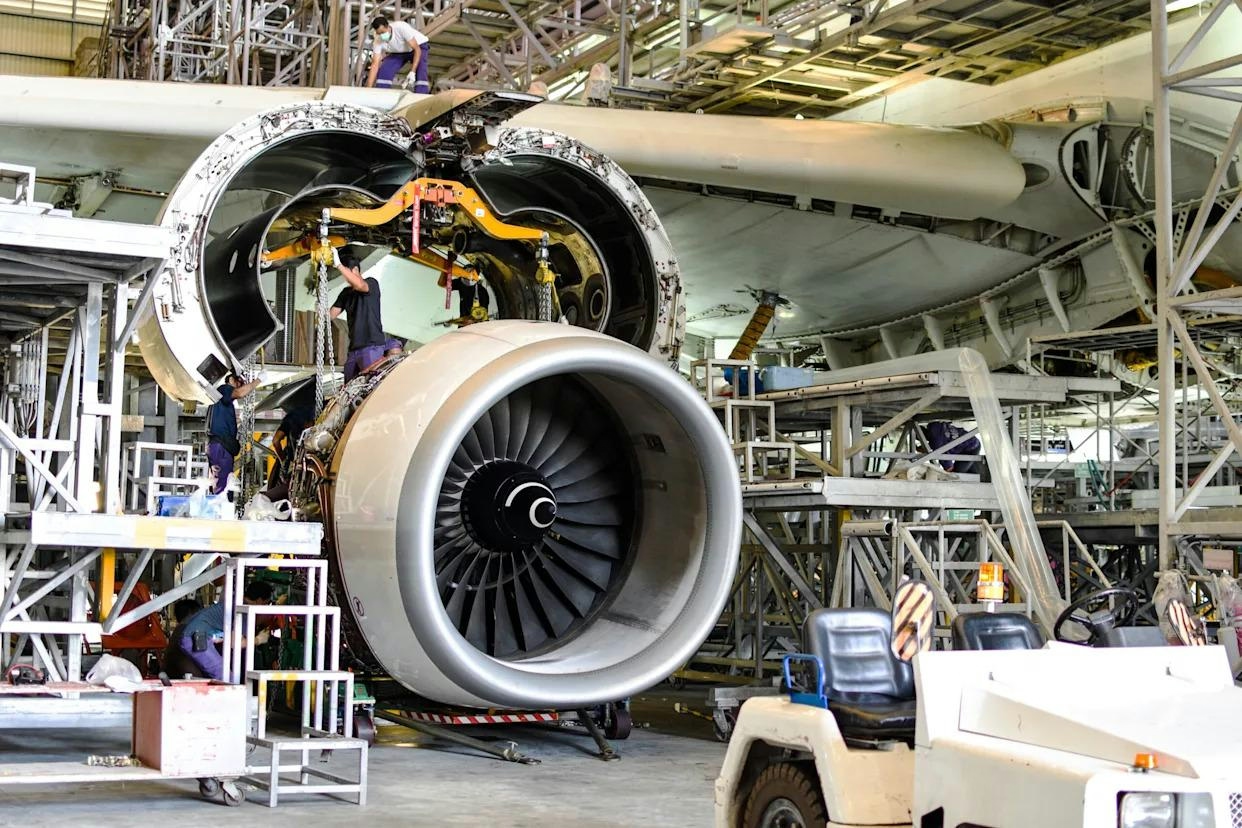
Azorra Expands Engine Portfolio Through Deal with DAE
