
AeroGenie — Your Intelligent Copilot.

Trending
Categories
India Increases ATF Supply Amid Rising Costs and Losses in Aviation Sector

India Increases ATF Supply Amid Rising Costs and Losses in Aviation Sector
India’s Civil Aviation Minister, Kinjarapu Rammohan Naidu, has secured Aviation Turbine Fuel (ATF) supplies for the next 60 days, providing temporary relief to the country’s aviation industry amid escalating geopolitical tensions in the Middle East. This intervention aims to address immediate concerns over fuel availability; however, the sector continues to grapple with significant financial and operational challenges that threaten its long-term stability.
Escalating Fuel Prices and Currency Depreciation
The outlook for India’s aviation sector has deteriorated markedly, with rating agency ICRA revising its assessment from ‘stable’ to ‘negative’. The ongoing conflict in Iran and broader instability in West Asia have driven crude oil prices to approximately $105 per barrel, resulting in a 5.7% increase in ATF prices in March alone. This surge has compelled Air India to raise fuel surcharges, a move that other carriers are likely to emulate as cost pressures intensify.
Further compounding these difficulties is the depreciation of the Indian rupee against the US dollar, which inflates expenses for airlines, particularly those costs denominated in dollars such as aircraft leases and maintenance. These expenses constitute between 35 and 50 percent of total operating costs. ICRA projects that industry-wide net losses will escalate to ₹17,000–₹18,000 crore in the fiscal year 2026, a substantial increase from earlier estimates. Indian airlines reported losses amounting to $576 million in the 2024-25 financial year, underscoring the sector’s deteriorating financial health.
Exposure to External Shocks and Operational Vulnerabilities
Indian airlines, especially budget carriers, remain highly vulnerable to fluctuations in fuel prices and disruptions along critical transit routes. Unlike many European airlines that hedge against fuel price volatility, Indian carriers—similar to major US airlines—often operate without such financial safeguards, leaving them exposed to sudden cost increases. Disruptions in strategic corridors such as the Strait of Hormuz further exacerbate supply chain uncertainties and operational expenses.
In response to these pressures, airlines are considering fare increases and operational adjustments to mitigate rising costs. However, such measures risk suppressing passenger demand, highlighting the precarious balance between managing expenses and maintaining market competitiveness.
Rising Debt Burden and Safety Oversight
The financial fragility of the sector is further highlighted by escalating debt levels. Net debt, including lease liabilities, is expected to reach ₹1.1 lakh crore by March 2026, pushing the debt-to-operating profit ratio to between five and 5.5 times. The industry’s history of high-profile collapses, including Kingfisher Airlines and Jet Airways, serves as a cautionary tale regarding the dangers of excessive leverage amid volatile operating conditions.
In parallel with these financial challenges, the Directorate General of Civil Aviation (DGCA) has intensified safety audits and fleet inspections to reinforce passenger confidence. Despite these efforts, projected interest coverage ratios are anticipated to decline to between 0.7 and 0.9 times in FY2026, reflecting the sector’s limited financial resilience.
Outlook
While the government’s assurance of ATF supply provides short-term stability, India’s aviation sector faces a difficult road ahead. Rising fuel costs, a weakening rupee, and mounting debt threaten to erode profitability and operational robustness. Without comprehensive structural reforms and effective cost management strategies, the industry risks enduring further losses and potential disruptions as it navigates an increasingly turbulent global environment.

Plane lands on Pennsylvania highway due to ‘engine issues,’ FAA says
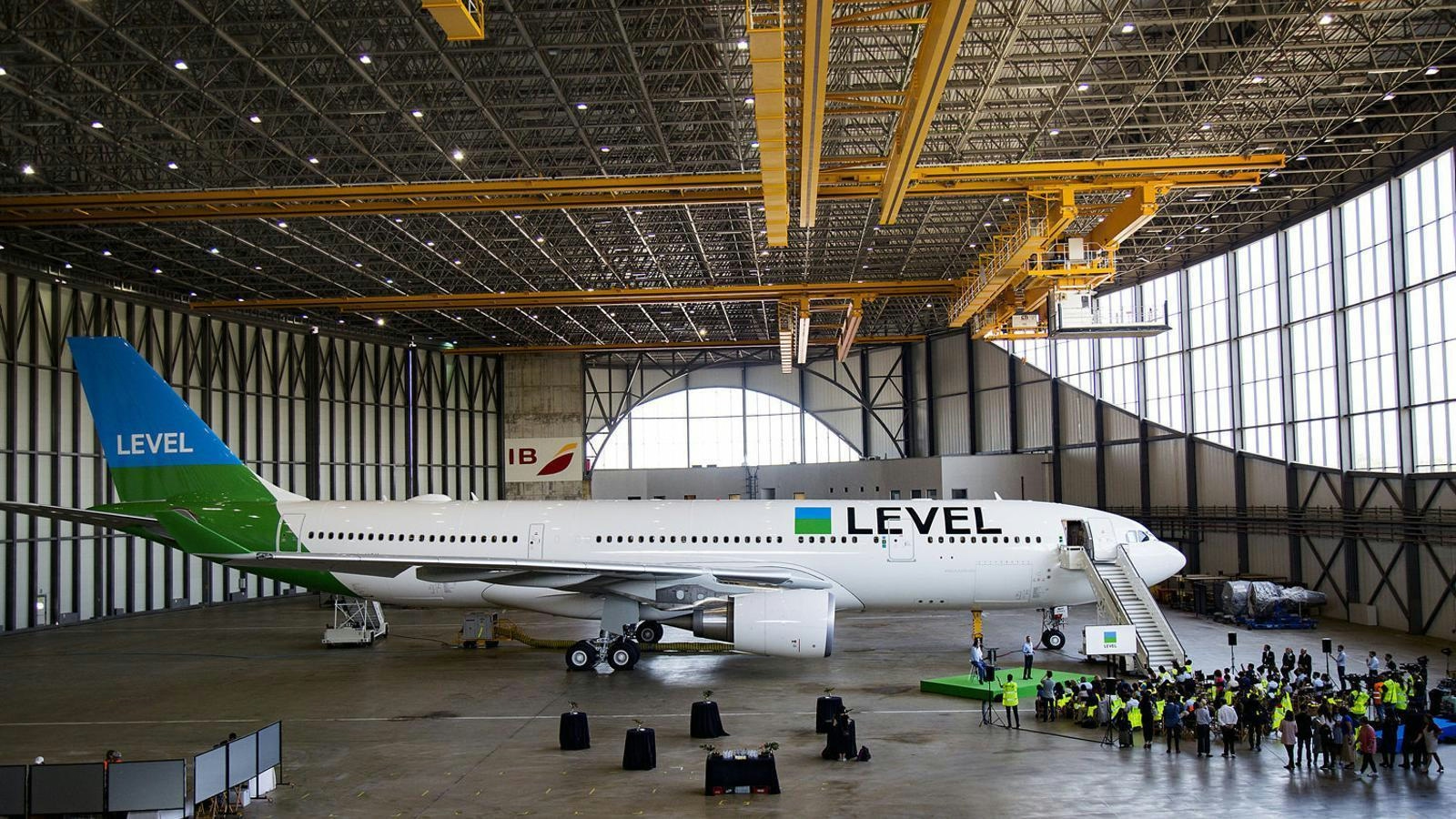
LEVEL Suspends San Francisco Flights Due to Engine Shortage

China Conducts First Flight Test of Megawatt Hydrogen Turboprop Engine

Oklahoma’s Aerospace Industry Expands and Its Impact on the State Economy
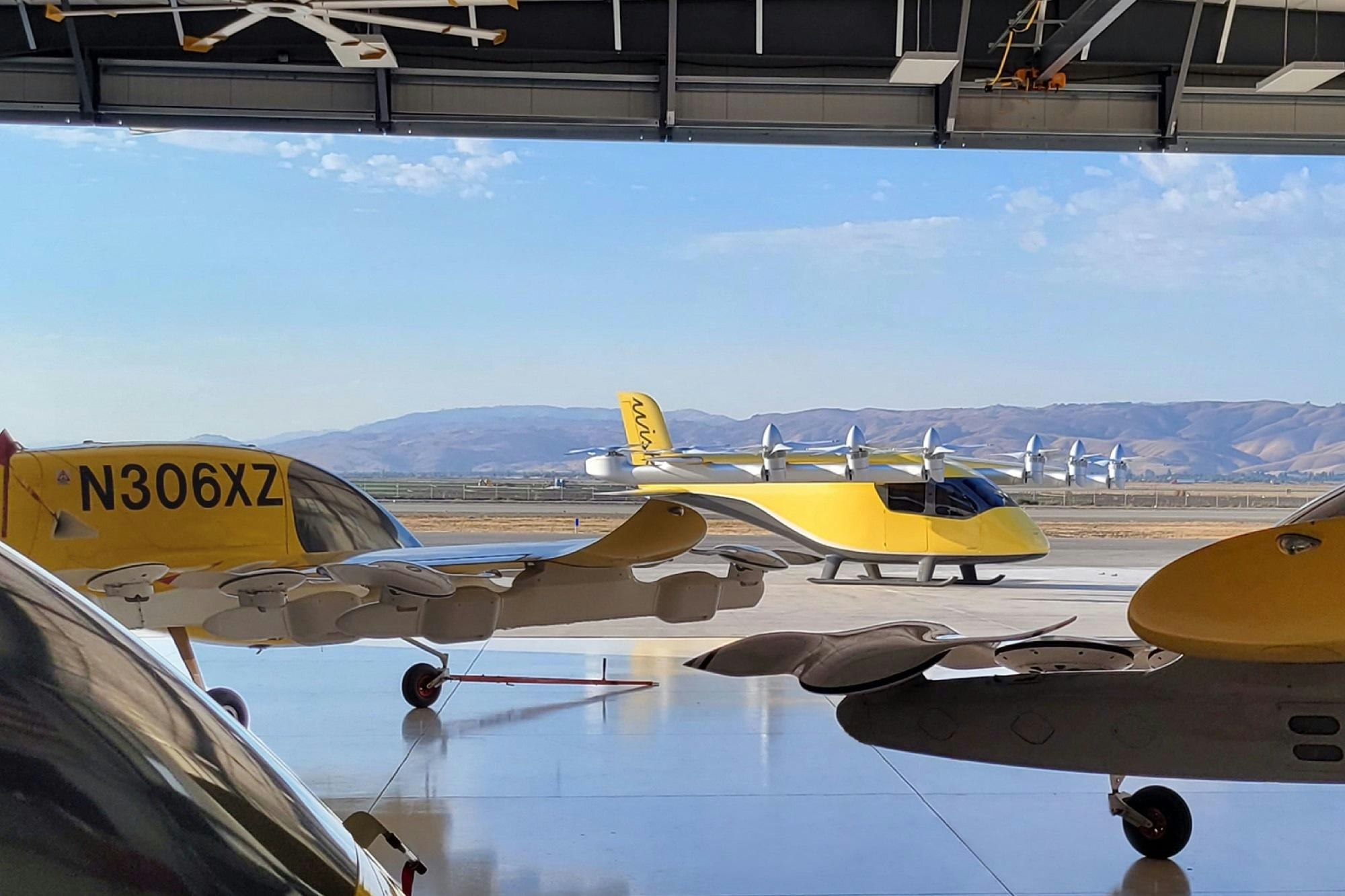
Archer Aviation Confronts Setbacks Amid Declining Air Taxi Interest

FAA and EASA Mandates to Influence Flight Line Testing Equipment Market Through 2035
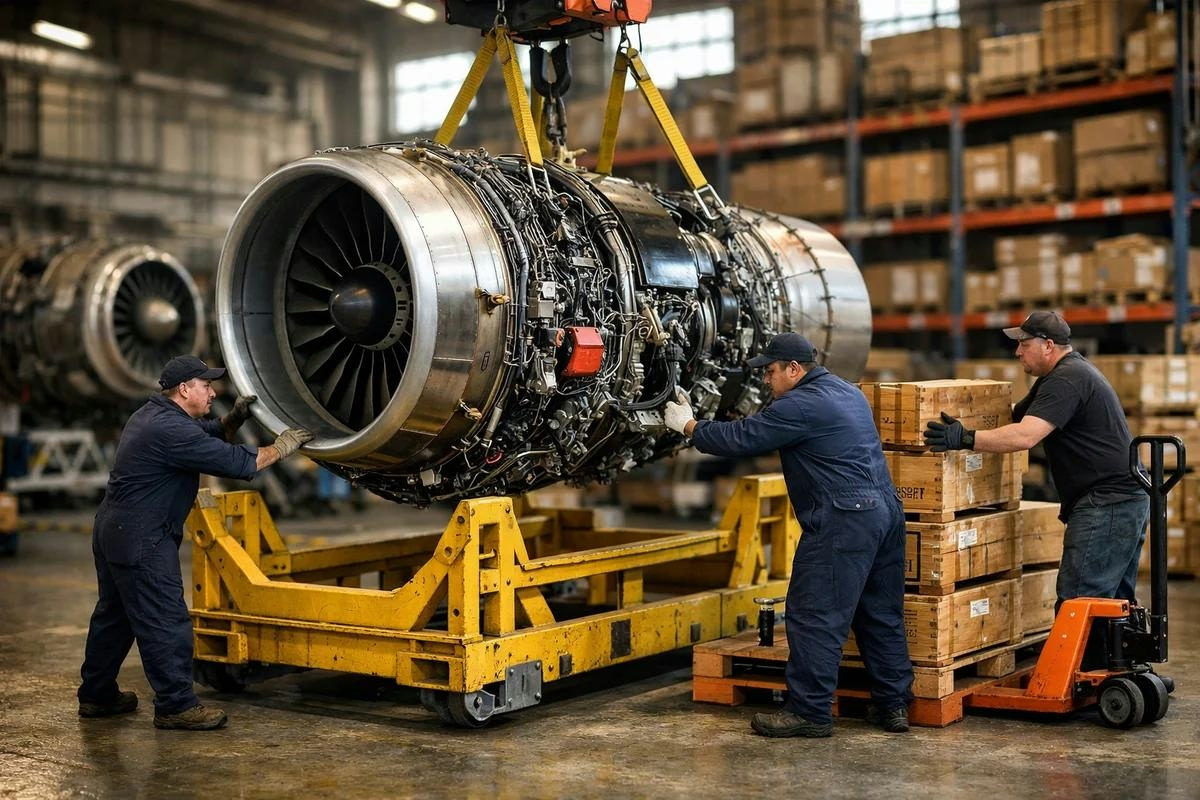
Willis Lease Operates as a Leveraged Spread Business with Moderate Returns
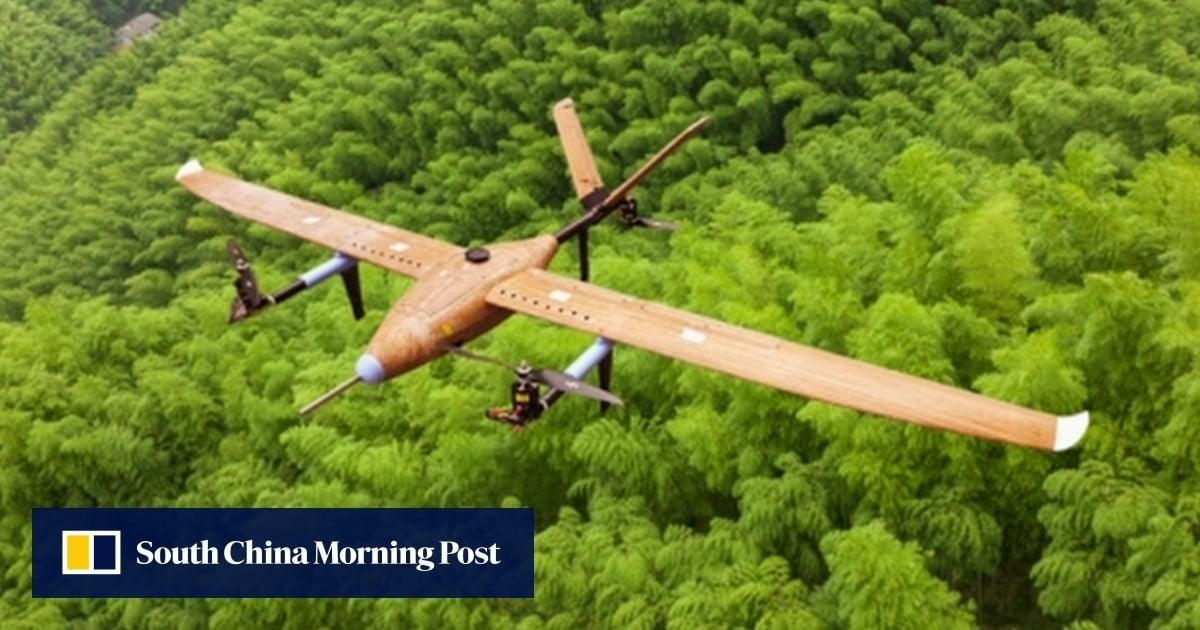
Chinese Team Develops First Flight Control Software for Bamboo Drones
Government Moves Forward with Boeing Purchase, Considers Airbus Leasing

Changes in Airline Industry Leadership, Alliances, and AI
