
AeroGenie — Your Intelligent Copilot.

Trending
Categories
Airlines Advised to Carry Minimum Fuel on Flights from Pakistan Amid Supply Chain Issues
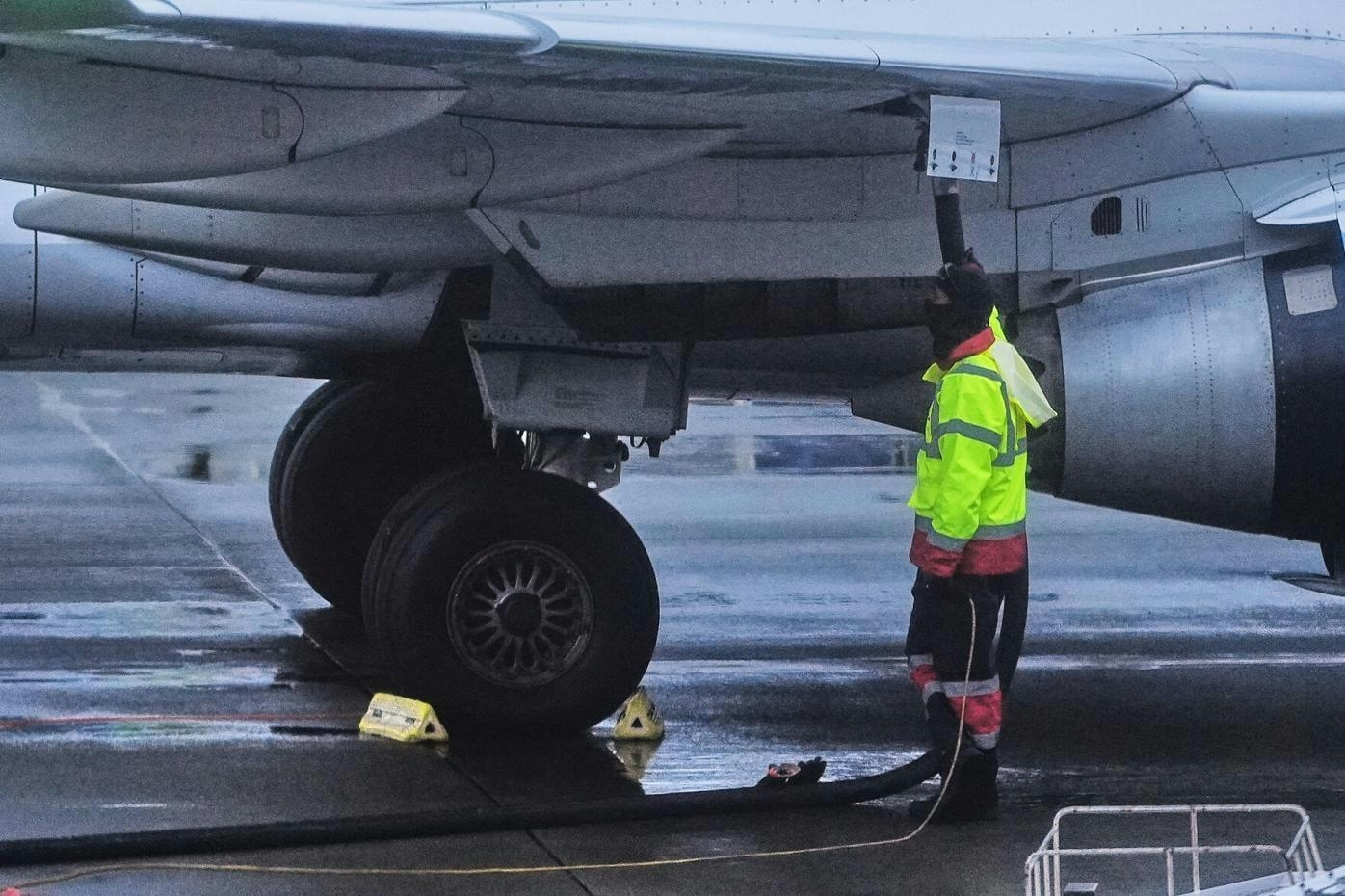
Airlines Advised to Limit Fuel Uplift Amid Pakistan’s Jet Fuel Shortages
The Pakistan Airports Authority (PAA) has issued a directive urging airlines operating from Pakistan to carry only the minimum required fuel on departures, citing significant supply chain disruptions linked to the ongoing conflict in the Middle East. In a recent Notice to Airmen (Notam), the PAA highlighted severe shortages of jet fuel A-1 within the country, attributing these constraints to regional instability and its impact on fuel availability.
Airlines have been instructed to maximize refueling at foreign airports, as domestic jet fuel supplies remain uncertain. This advisory, effective until March 31, forms part of a series of precautionary measures designed to sustain flight operations amid volatile conditions. The regional conflict has not only disrupted fuel supplies but also caused a sharp escalation in jet fuel prices. Just days before the advisory, Pakistan raised the price of jet fuel by Rs154 per litre—an 82% increase—bringing the cost to a record Rs342.37 per litre. This unprecedented surge followed the US-Israeli attack on Iran and Tehran’s subsequent closure of the Strait of Hormuz, a vital global oil shipping route.
Operational Challenges and Industry Response
These developments have compounded challenges for airlines, which now face soaring operating costs alongside the need to potentially reroute flights to avoid conflict zones. Industry experts warn that the combination of supply chain disruptions, escalating fuel prices, and possible war risk surcharges could compel airlines—particularly smaller carriers with limited financial resilience—to reduce or suspend services if the situation persists. Several competitors have already begun adjusting flight routes and fuel management strategies in response to the evolving market conditions.
The long-term impact on Pakistan’s aviation sector remains uncertain, with growing concerns over the sustainability of operations should these disruptions continue. Airlines are closely monitoring the situation, striving to balance operational safety with cost containment as they navigate the ongoing crisis.
In a related development, the PAA announced temporary closures affecting commercial flight operations at Islamabad and Lahore airports on March 16. According to a separate Notam, six sectors of the Lahore Flight Information Region will be closed, and no commercial aircraft will be permitted to land or take off from Islamabad International Airport between 8:30 a.m. and 10:30 a.m. on that day. Captains have been instructed to ensure additional fuel reserves, as flights already airborne during the restricted period may be required to enter holding patterns before landing.
As the regional situation continues to evolve, airlines and airport authorities remain on high alert, adapting swiftly to changing conditions to maintain safe and reliable operations.

Plane lands on Pennsylvania highway due to ‘engine issues,’ FAA says

LEVEL Suspends San Francisco Flights Due to Engine Shortage

China Conducts First Flight Test of Megawatt Hydrogen Turboprop Engine

Oklahoma’s Aerospace Industry Expands and Its Impact on the State Economy

Archer Aviation Confronts Setbacks Amid Declining Air Taxi Interest

FAA and EASA Mandates to Influence Flight Line Testing Equipment Market Through 2035

Willis Lease Operates as a Leveraged Spread Business with Moderate Returns

Chinese Team Develops First Flight Control Software for Bamboo Drones
Government Moves Forward with Boeing Purchase, Considers Airbus Leasing

Changes in Airline Industry Leadership, Alliances, and AI
