
AeroGenie — Your Intelligent Copilot.

Trending
Categories
Airbus Reports Engine Delays Affecting A320 Deliveries
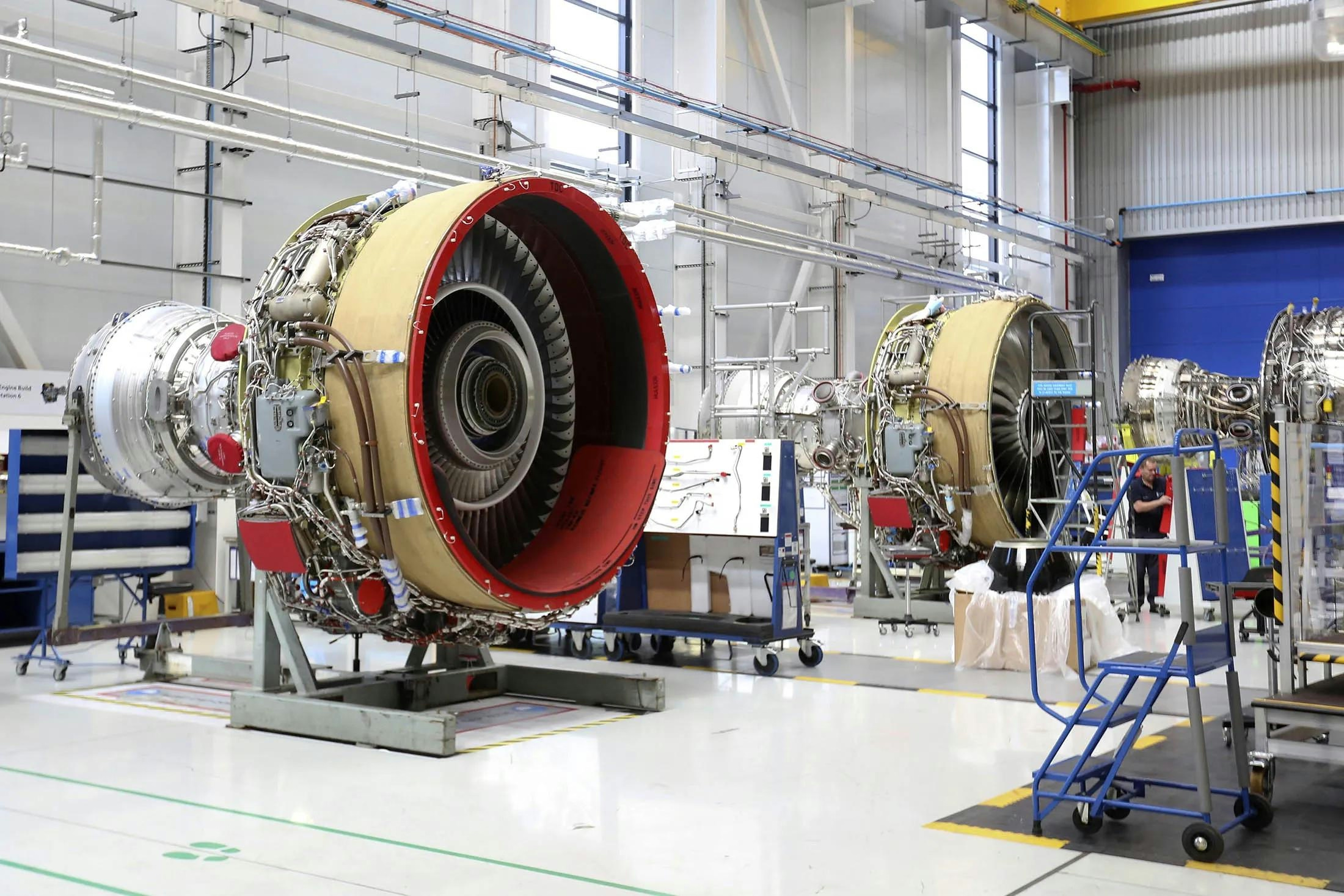
Airbus Reports Engine Delays Affecting A320 Deliveries
Supply Chain Challenges and Production Impact
Airbus has disclosed that persistent engine supply issues from Pratt & Whitney are significantly impeding its efforts to increase deliveries of the A320 family aircraft. In its 2025 annual results, the European aerospace leader explicitly attributed the shortfall to Pratt & Whitney’s “failure to commit to the number of engines ordered by Airbus,” which has prevented the company from achieving its target of 75 A320 deliveries per month. Despite reporting a 6% rise in revenues to €73.4 billion ($86.6 billion) and delivering a total of 793 aircraft in 2025, Airbus CEO Guillaume Faury acknowledged that supply chain disruptions, particularly the shortage of engines, continue to constrain production rates.
Airbus now anticipates reaching its goal of delivering between 70 and 75 A320 aircraft per month only by the end of 2027, with stabilization at the 75-per-month rate expected thereafter. The company’s annual statement devoted considerable attention to delivery rates, with Faury employing notably direct language to single out Pratt & Whitney for its role in the delays. In contrast, Airbus adopted a more measured tone when addressing challenges with other suppliers, such as Spirit AeroSystems, which supports the A220 program.
Broader Industry and Financial Context
The engine delays are part of wider supply chain difficulties facing Airbus, exacerbated by geopolitical tensions, trade disputes, and recent engine recalls. These factors have complicated the company’s ability to maintain delivery schedules and safeguard its market position in an intensely competitive global aviation sector. Nevertheless, Faury described 2025 as a “landmark year” for Airbus, highlighting a 33% increase in adjusted EBIT to €7.13 billion ($8.41 billion) compared to the previous year. The company also expanded its workforce by 5%, growing from 156,921 employees at the end of 2024 to 165,294 by the close of 2025, while its net cash position improved by 4% year-on-year.
Faury emphasized that Airbus’s diversified portfolio, which includes Defence and Space as well as Helicopters, has enabled the company to gain momentum in other sectors despite challenges in commercial aircraft production. He also noted progress in forming a new global industrial space entity in collaboration with other firms.
Outlook and Industry Implications
Airbus’s public criticism of Pratt & Whitney highlights the severity of the engine supply problem and signals ongoing uncertainty surrounding the A320 program’s production ramp-up. The company’s capacity to manage these supply chain and geopolitical challenges will be crucial as it strives to meet rising demand and maintain its leadership position in the commercial aviation market.

Chinese Team Develops First Flight Control Software for Bamboo Drones
SkyHope Appoints Aviation Industry Leader to Board
The Challenges of Certifying Autonomous Aircraft
KLM to Receive First Airbus A350, Announces Initial Routes
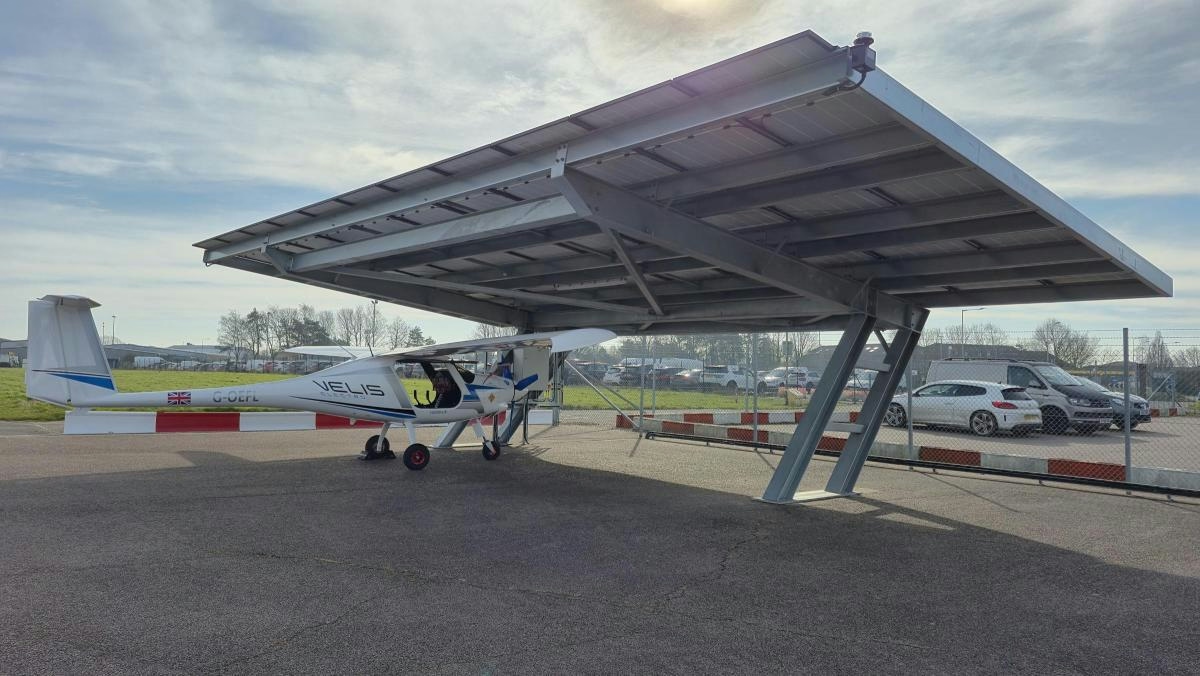
Saxon Air Receives Clean and Green Energy Innovation Award
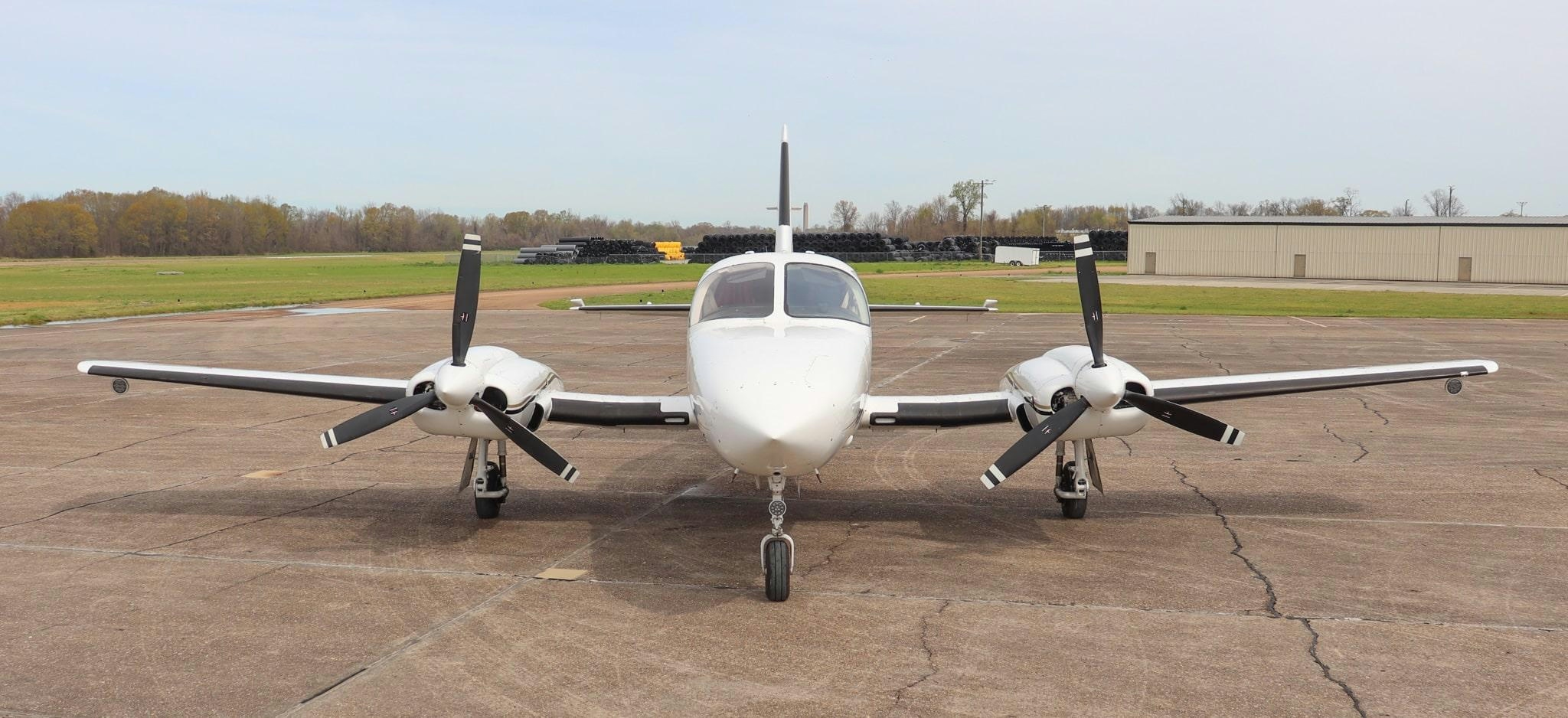
How BEB Tax Policies Impact Airlines’ International Leasing Contracts

Indonesia’s Danantara and Mandiri Partner with SMBC to Launch $800 Million Aviation Leasing Fund
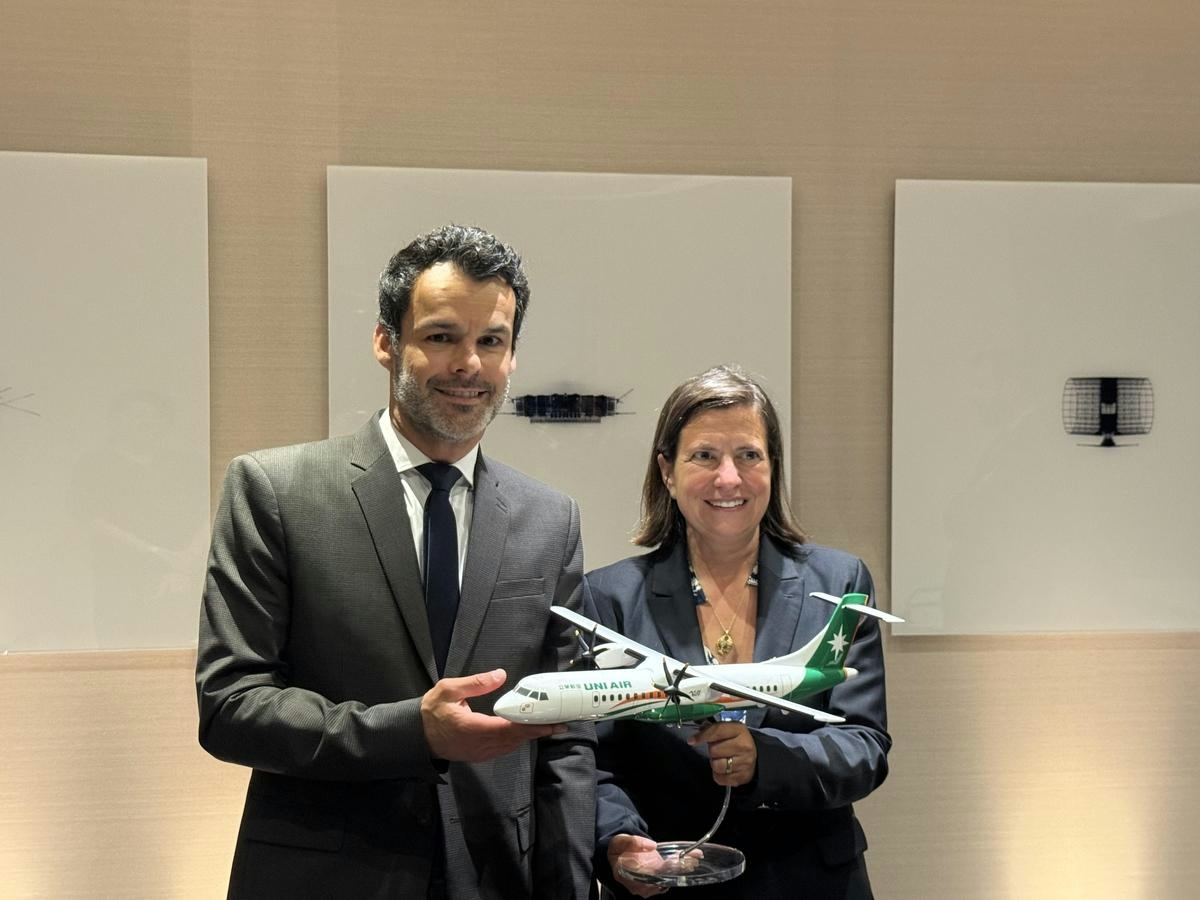
South Korea’s SUM Air Places Order for New ATR Aircraft
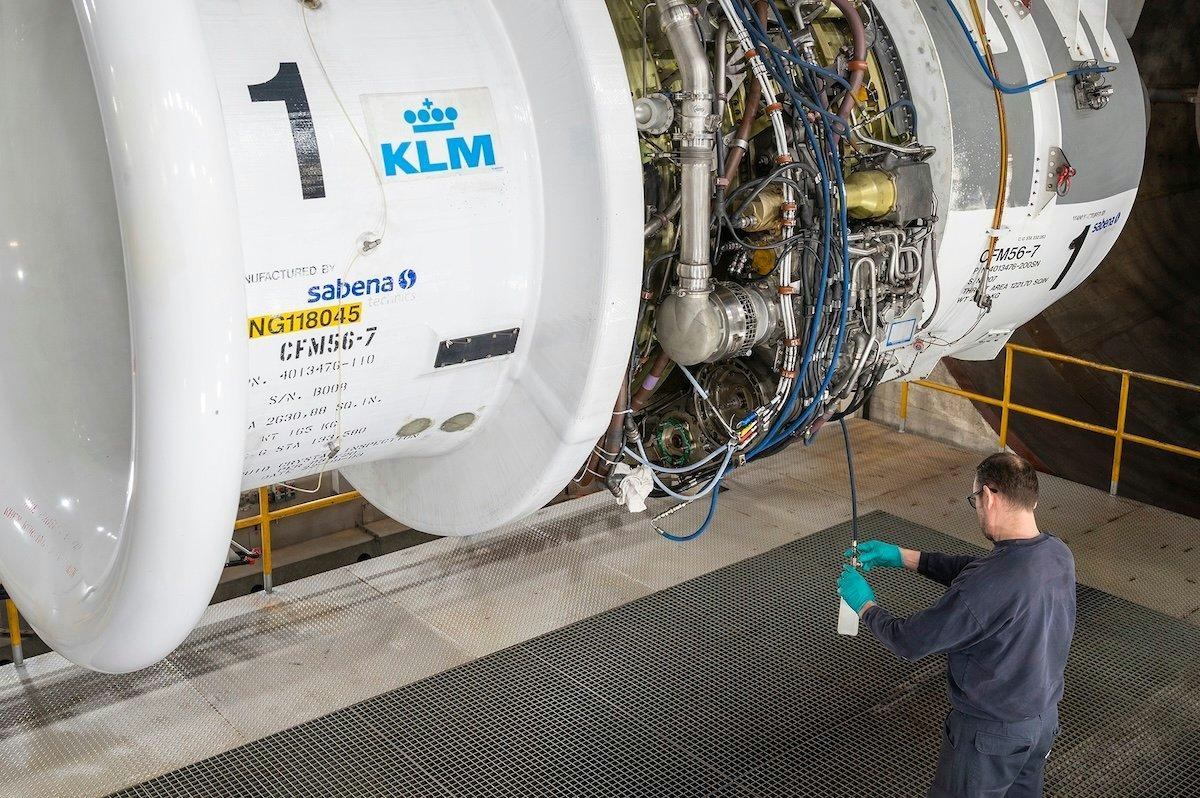
Benoît Rollier Named Vice President of KLM Engine Service
Azorra Expands Engine Portfolio Through Deal with DAE
