
AeroGenie — Your Intelligent Copilot.

Trending
Categories
Air India, Emirates, Qatar Airways, IndiGo, and SpiceJet Expand in India as Embraer Strengthens Supply Chain
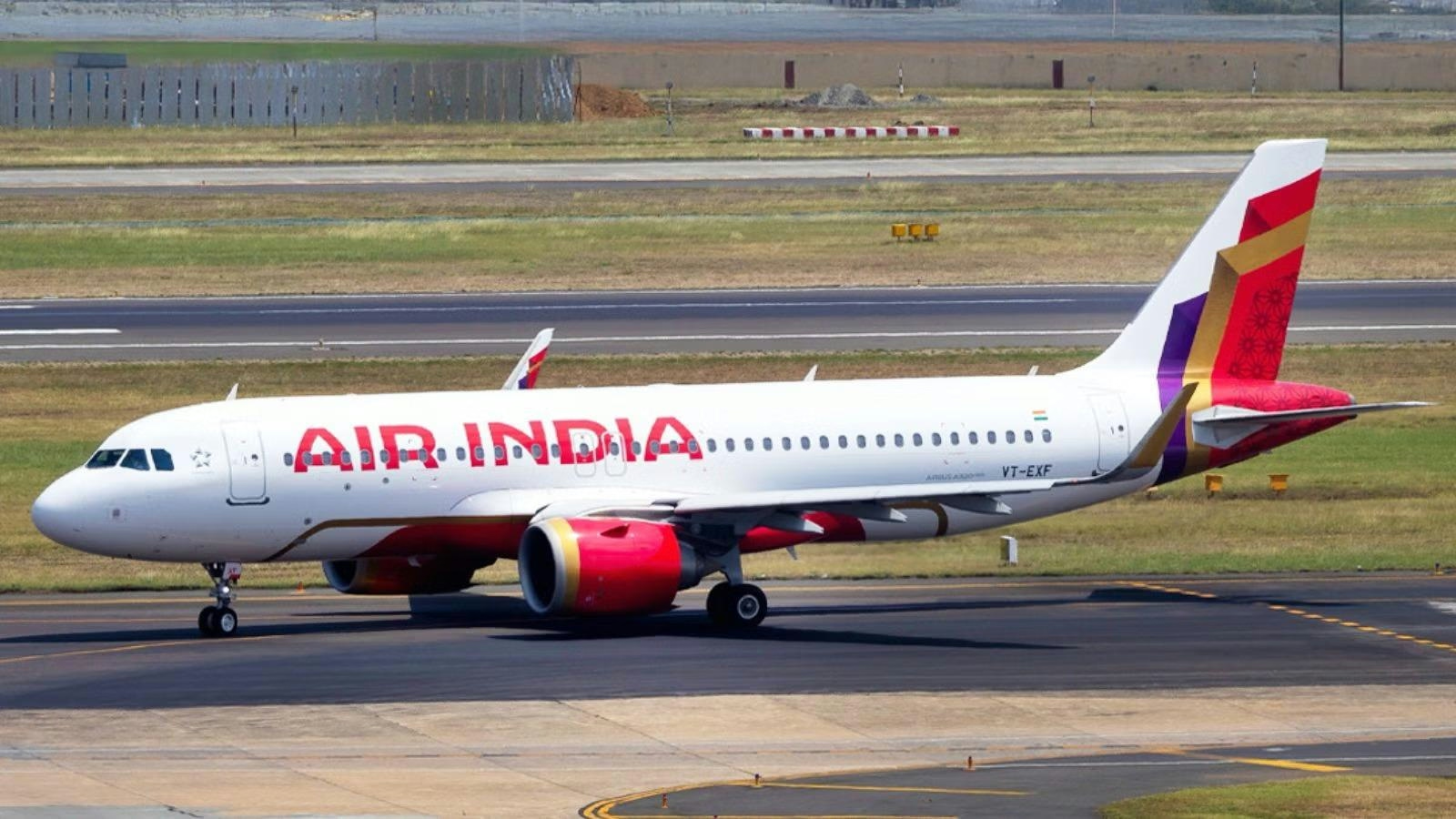
Expansion of Major Airlines in India’s Growing Aviation Market
India’s aviation sector is undergoing remarkable growth, establishing the country as a pivotal hub in global air travel. The Civil Aviation Ministry projects passenger traffic to exceed 500 million by 2025, a surge that has prompted both international and domestic carriers to intensify their focus on the Indian market. Leading airlines such as Air India, Emirates, Qatar Airways, IndiGo, and SpiceJet are actively expanding their operations to capitalize on this rising demand.
A key factor driving this expansion is Embraer’s strategic initiative to strengthen its supply chain within India. By supplying regional aircraft designed to serve both domestic and international routes, Embraer is facilitating fleet growth and enhancing connectivity, particularly to underserved regions and secondary cities. This development is expected to unlock new routes, thereby making air travel more accessible and affordable for millions of passengers across the country.
Challenges and Strategic Responses Amid Rapid Growth
The rapid expansion of airline operations and Embraer’s growing presence introduce several challenges. Airlines face intensified competition for profitable regional routes and potential downward pressure on prices due to the availability of more affordable and efficient aircraft. Adapting to new aircraft models will necessitate operational adjustments, including investments in training and maintenance infrastructure.
In response, many carriers are likely to prioritize smaller, more fuel-efficient planes to strengthen regional connectivity, a strategy that could prove particularly advantageous in emerging Indian markets. Competitors may also reconsider their fleet strategies, exploring partnerships or acquisitions of cost-effective aircraft to sustain their competitive positions. These strategic shifts have the potential to reshape the competitive landscape, encouraging innovation in service delivery and operational efficiency.
The broader implications of this growth extend beyond the airlines themselves. Improved connectivity and expanded flight options are poised to stimulate India’s tourism and hospitality sectors, facilitating smoother travel experiences for both domestic and international visitors. As global carriers like Emirates and Qatar Airways broaden their services and domestic leaders such as Air India and IndiGo enhance their networks, India’s stature as a premier travel destination is expected to strengthen significantly.
The collaboration between Embraer and India’s leading airlines is thus redefining the nation’s aviation landscape. While the opportunities are substantial, airlines must carefully navigate increased competition and evolving market dynamics to realize the full potential of this transformative period.

Archer Aviation Confronts Setbacks Amid Declining Air Taxi Interest

Chinese Team Develops First Flight Control Software for Bamboo Drones
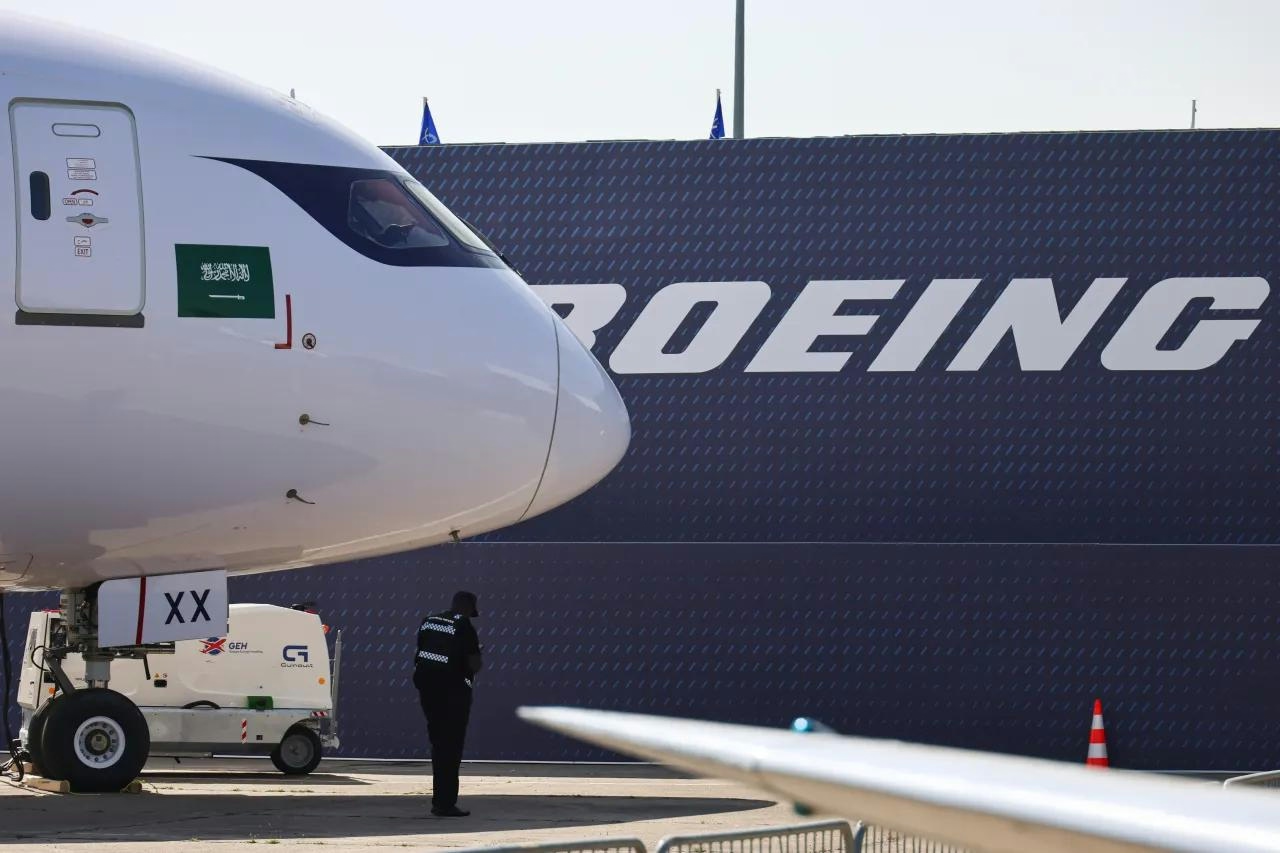
Government Moves Forward with Boeing Purchase, Considers Airbus Leasing
SkyHope Appoints Aviation Industry Leader to Board
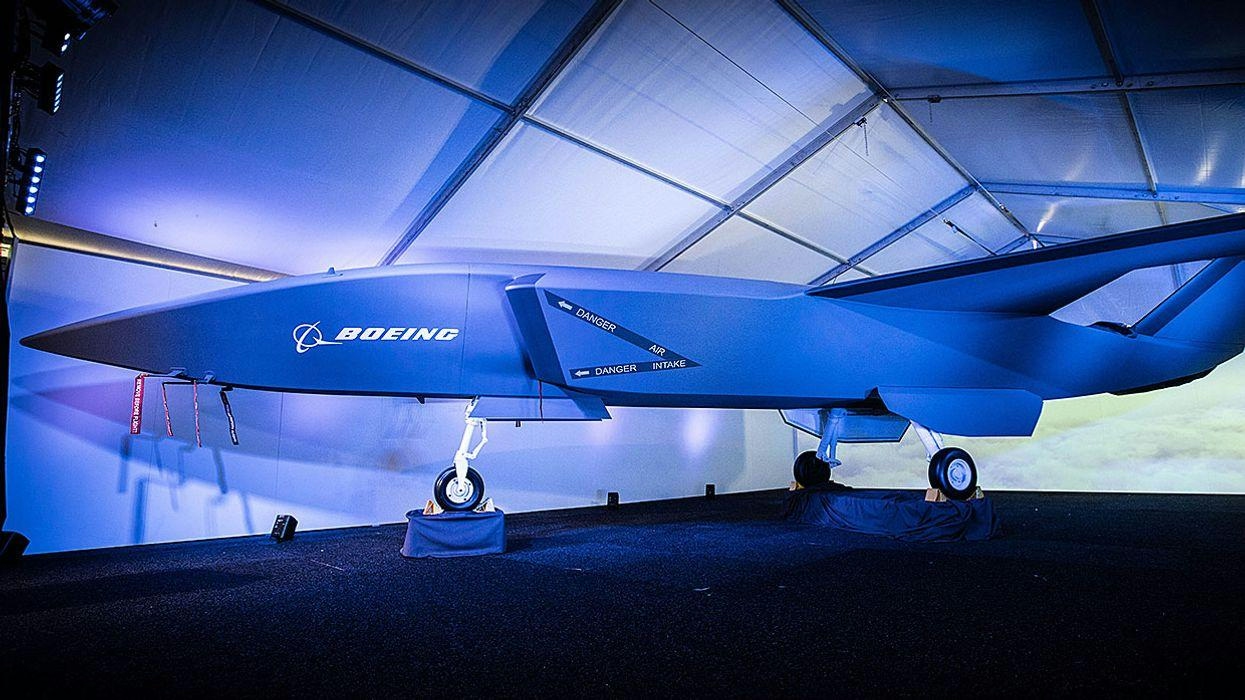
The Challenges of Certifying Autonomous Aircraft
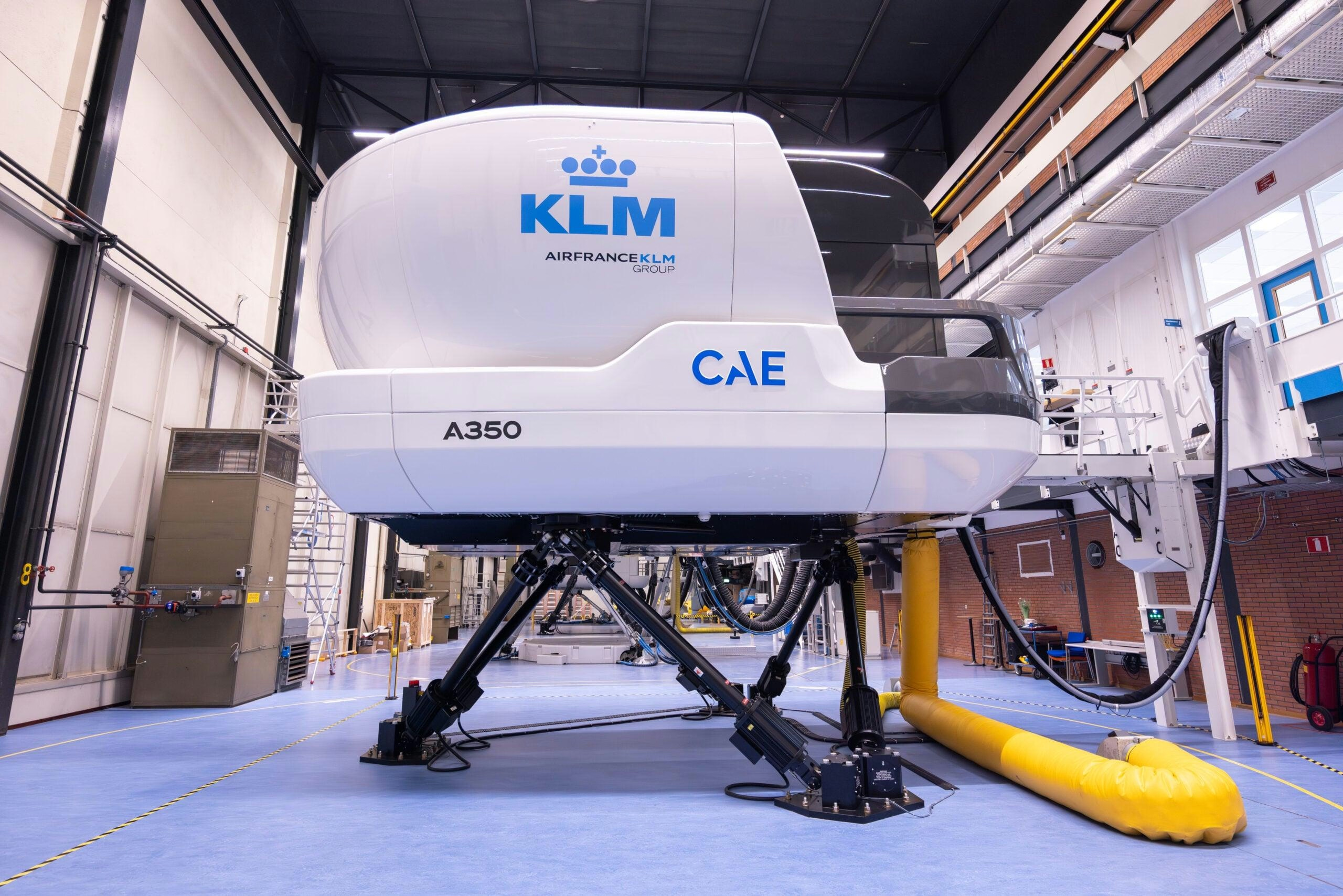
KLM to Receive First Airbus A350, Announces Initial Routes

Saxon Air Receives Clean and Green Energy Innovation Award
How BEB Tax Policies Impact Airlines’ International Leasing Contracts
Indonesia’s Danantara and Mandiri Partner with SMBC to Launch $800 Million Aviation Leasing Fund

South Korea’s SUM Air Places Order for New ATR Aircraft
