
AeroGenie — Your Intelligent Copilot.

Trending
Categories
Air Canada Selects Airbus A350-1000 for Long-Haul Fleet Expansion
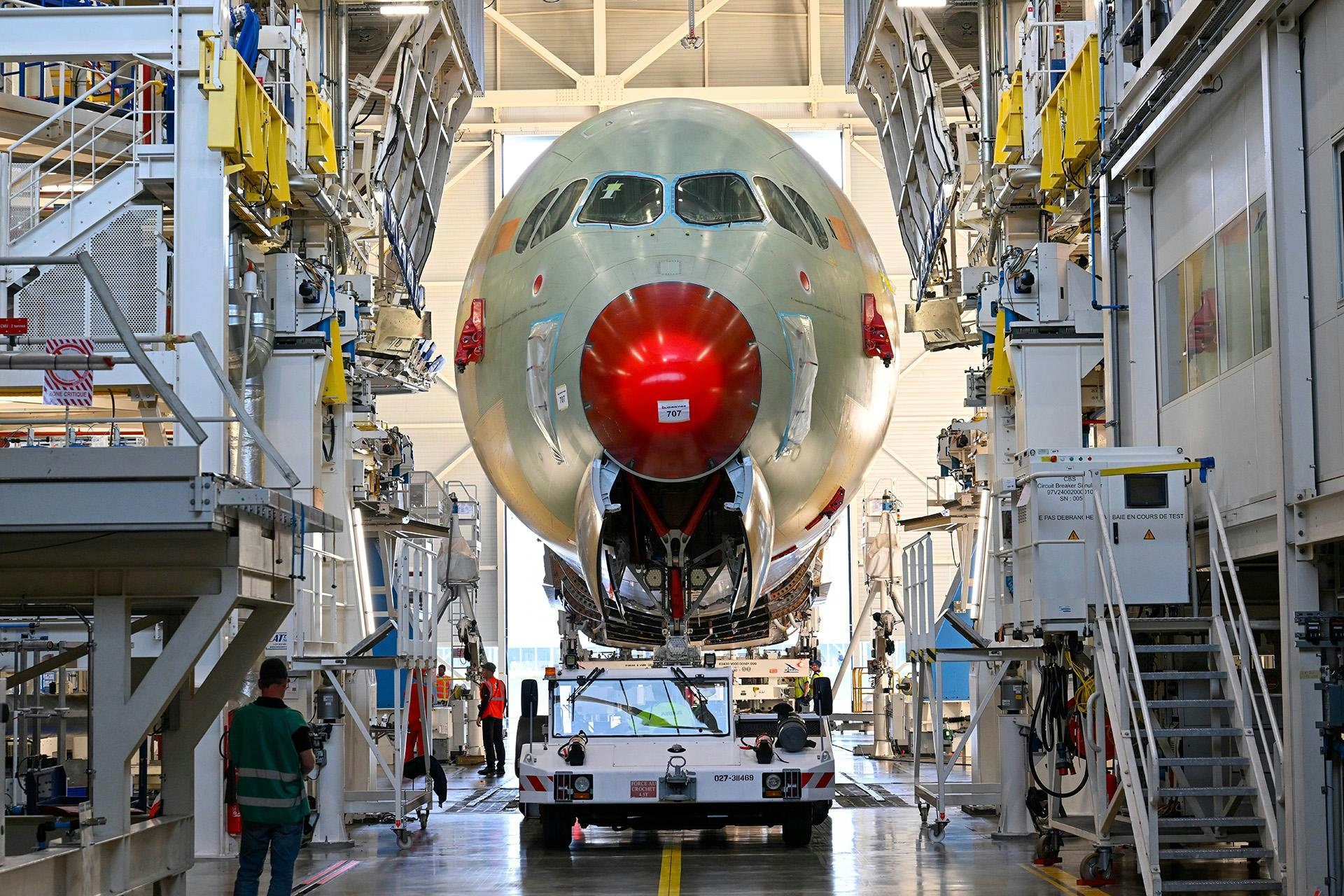
Air Canada Chooses Airbus A350-1000 for Long-Haul Fleet Expansion
Air Canada has opted to expand its widebody fleet with Airbus, bypassing Boeing in its latest acquisition. The Montreal-based airline announced a firm order for eight Airbus A350-1000 aircraft, with options for an additional eight, marking a significant commitment to the European manufacturer’s flagship long-haul jet. Deliveries are scheduled to commence in the second half of 2030.
Strategic Implications and Aircraft Capabilities
Mark Galardo, Air Canada’s Chief Commercial Officer, emphasized that the addition of the A350-1000 will reinforce the airline’s status as a leading global carrier over the coming decade. He highlighted the aircraft’s advanced capabilities, including its extended range, enhanced payload capacity, and superior fuel efficiency, which collectively offer new opportunities for long-haul operations. Powered by two Rolls-Royce XWB-97 engines, the A350-1000 can cover approximately 9,000 nautical miles, enabling Air Canada to explore new routes or increase capacity on existing long-haul services currently operated by smaller widebody aircraft such as the Boeing 787-8 Dreamliner.
This order represents Air Canada’s first widebody purchase from Airbus since 1997, although the airline is concurrently introducing Airbus single-aisle A321XLRs to its fleet. While the A321XLRs are intended to serve emerging long-haul markets with lower passenger demand, the A350-1000 is designed for high-capacity, long-distance travel. The twin-aisle aircraft typically accommodates between 375 and 400 passengers in a three-class layout and boasts a 25% reduction in fuel consumption compared to older aircraft in its category. This combination of efficiency and capacity positions the A350-1000 as a critical asset for routes where demand exceeds the capabilities of smaller jets.
Continued Boeing Presence in Air Canada’s Fleet
Despite this strategic pivot towards Airbus for its widebody expansion, Air Canada maintains a substantial Boeing presence. The airline currently operates a large fleet of Boeing widebodies and plans to introduce 14 Boeing 787-10 Dreamliners by the end of 2026. This ongoing integration of Boeing aircraft underscores a diversified approach to fleet modernization, balancing the strengths of both manufacturers to meet evolving operational requirements.

Chinese Team Develops First Flight Control Software for Bamboo Drones
SkyHope Appoints Aviation Industry Leader to Board
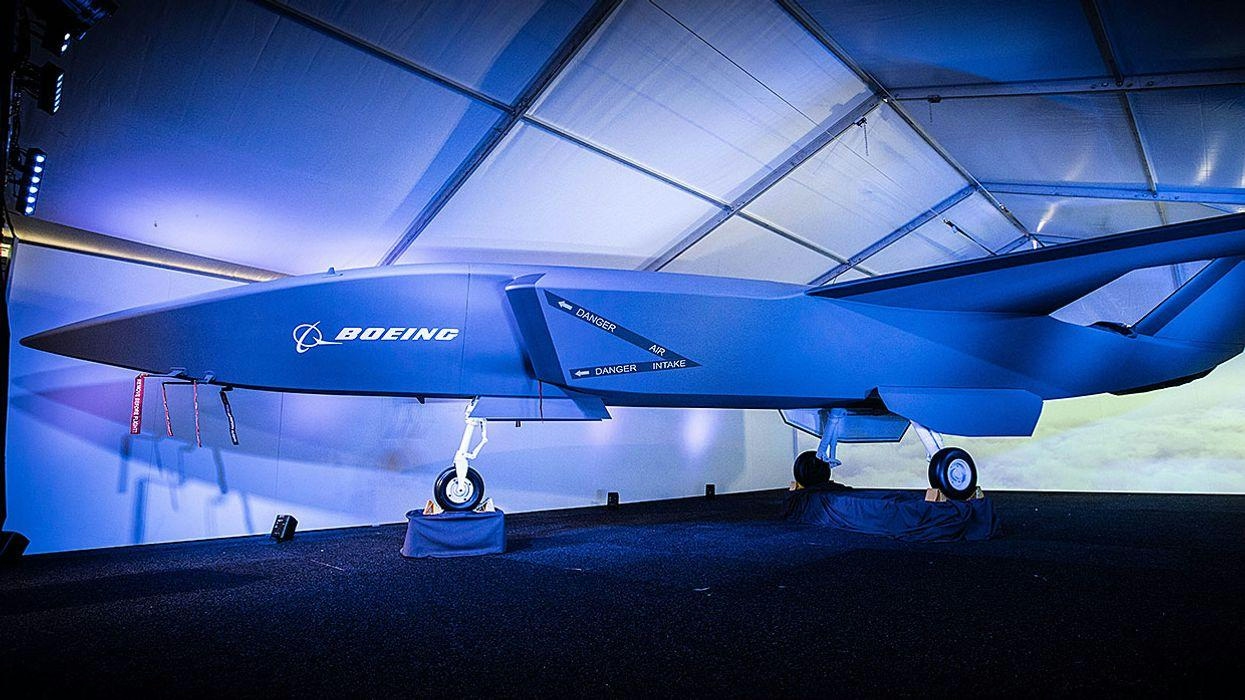
The Challenges of Certifying Autonomous Aircraft
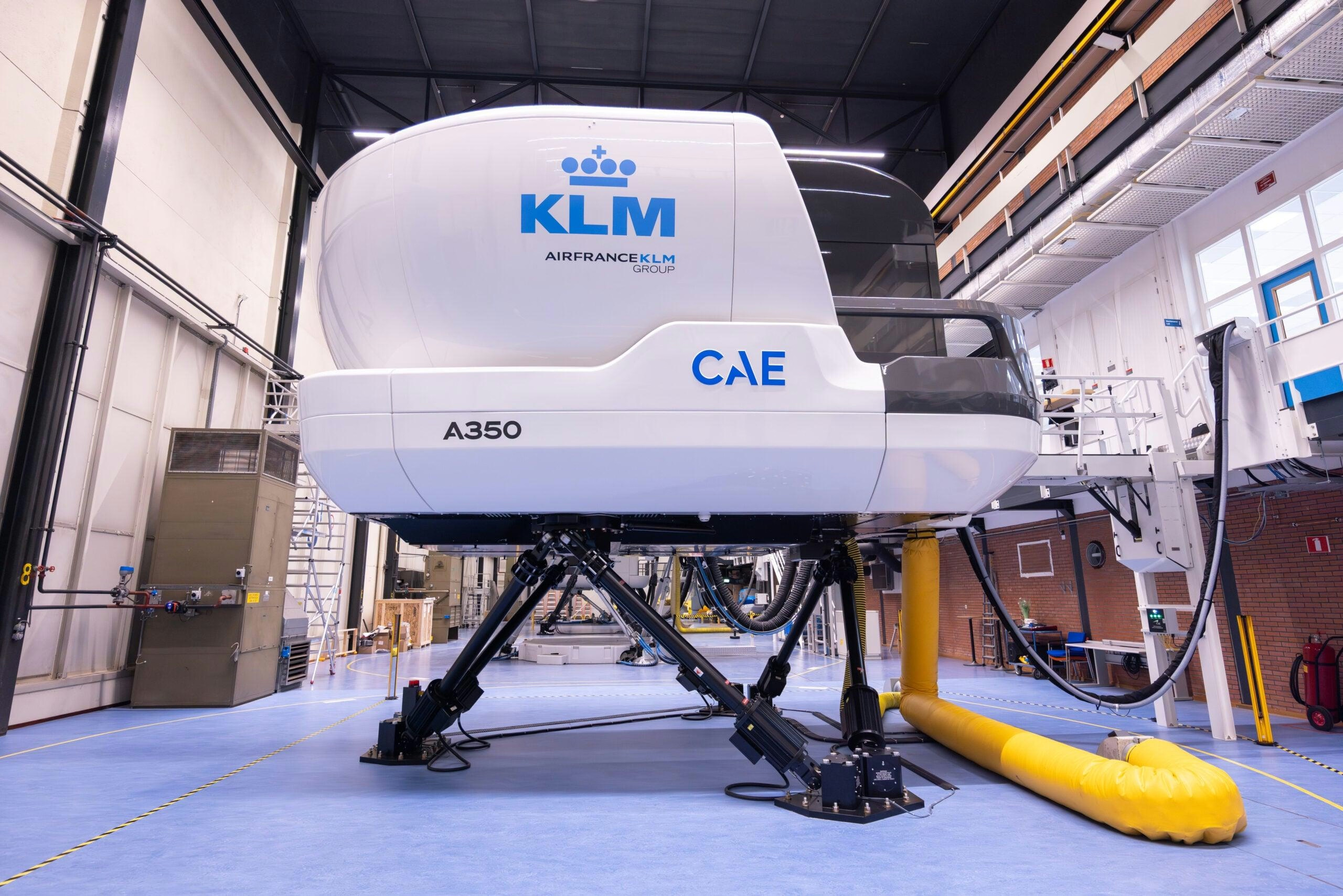
KLM to Receive First Airbus A350, Announces Initial Routes

Saxon Air Receives Clean and Green Energy Innovation Award
How BEB Tax Policies Impact Airlines’ International Leasing Contracts

Indonesia’s Danantara and Mandiri Partner with SMBC to Launch $800 Million Aviation Leasing Fund

South Korea’s SUM Air Places Order for New ATR Aircraft
Benoît Rollier Named Vice President of KLM Engine Service
Azorra Expands Engine Portfolio Through Deal with DAE
