
AeroGenie — Your Intelligent Copilot.

Trending
Categories
12 Innovations Poised to Improve Customer Experience and Airport Operations

Innovations Set to Transform Airport Operations and Passenger Experience
At the recent Future Travel Experience (FTE) World 2026 event in London, industry leaders unveiled a range of cutting-edge technologies poised to revolutionize airport operations and enhance the passenger journey. With growing pressure on airports and airlines to boost efficiency and elevate customer satisfaction, innovations spanning autonomous vehicles, biometrics, digital identity, and artificial intelligence are emerging as key drivers of change.
Advancements in Autonomous Baggage Handling and Operational Optimization
A highlight of the event was Pattern’s integrated approach to baggage and ground handling solutions. As a partner of the FTE Baggage Innovation Working Group, Pattern introduced its autonomous baggage shuttle, Pathfinder, engineered to integrate seamlessly with existing airport infrastructure. Skyeler Smith, Growth Director at Pattern, described Pathfinder as more than an autonomous vehicle, emphasizing the importance of its tele-operation layer. This feature allows human operators to remotely monitor and intervene when obstacles such as construction zones arise, utilizing a 360-degree environmental view to minimize operational disruptions.
In addition to Pathfinder, Pattern showcased Pulse, a dispatch and routing optimization platform designed to coordinate baggage movement across airports. Pulse manages both autonomous and human-operated systems, optimizing routing and dispatch decisions to close efficiency gaps and enhance operational quality. According to Smith, Pulse enables airports, airlines, and ground handlers to transition toward more autonomous operations while addressing current inefficiencies. These technologies also pave the way for innovations such as remote check-ins and more flexible baggage flows, promising a smoother travel experience.
Challenges and Industry Implications
Despite the promise of these advancements, integrating new technologies into airport ecosystems presents significant challenges. Airports must carefully navigate the complexities of merging novel systems with legacy infrastructure, while ensuring stringent data privacy and security standards. The financial implications of implementation and ongoing maintenance also require careful consideration. Furthermore, initial skepticism from travelers and staff regarding reliability and privacy concerns may temper early adoption. However, as these innovations demonstrate clear improvements in efficiency and convenience, broader acceptance is anticipated.
The competitive landscape within the aviation sector is also shifting. Early adopters of these technologies may compel competitors to follow suit to maintain market relevance or to differentiate themselves through unique offerings. This dynamic is expected to accelerate innovation across the industry, fostering a more rapid evolution of airport operations and passenger services.
The convergence of operational efficiency, enhanced passenger experience, and advanced technology is redefining the future of air travel. The innovations presented at FTE World 2026 underscore a trajectory toward a more streamlined, seamless, and intelligent travel environment, as airports and airlines continue to invest in digital transformation.
Chinese Team Develops First Flight Control Software for Bamboo Drones
SkyHope Appoints Aviation Industry Leader to Board
The Challenges of Certifying Autonomous Aircraft
KLM to Receive First Airbus A350, Announces Initial Routes
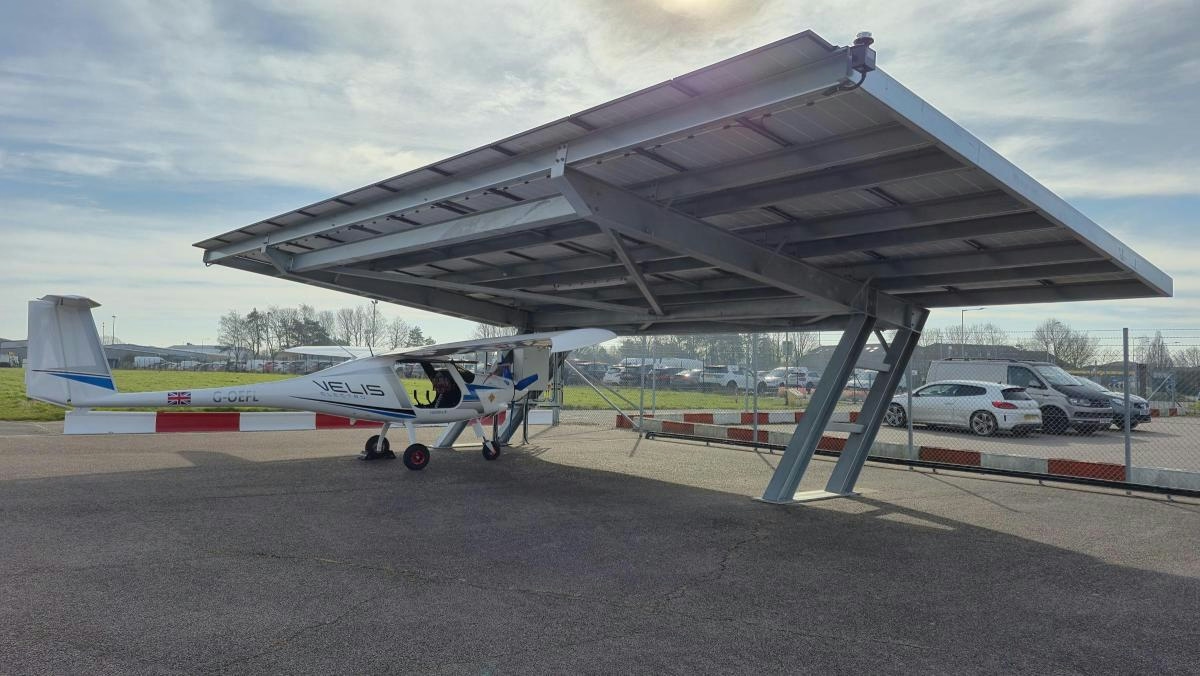
Saxon Air Receives Clean and Green Energy Innovation Award
How BEB Tax Policies Impact Airlines’ International Leasing Contracts

Indonesia’s Danantara and Mandiri Partner with SMBC to Launch $800 Million Aviation Leasing Fund
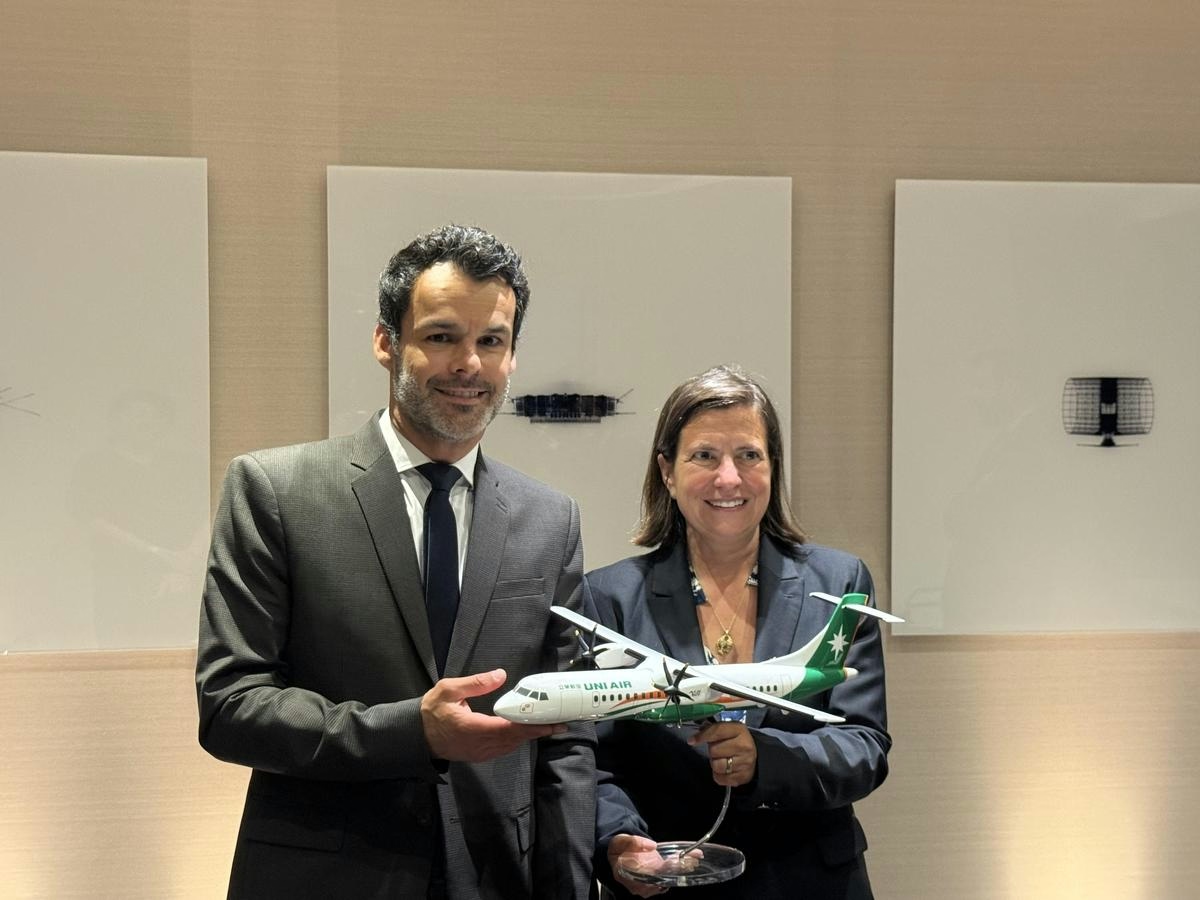
South Korea’s SUM Air Places Order for New ATR Aircraft
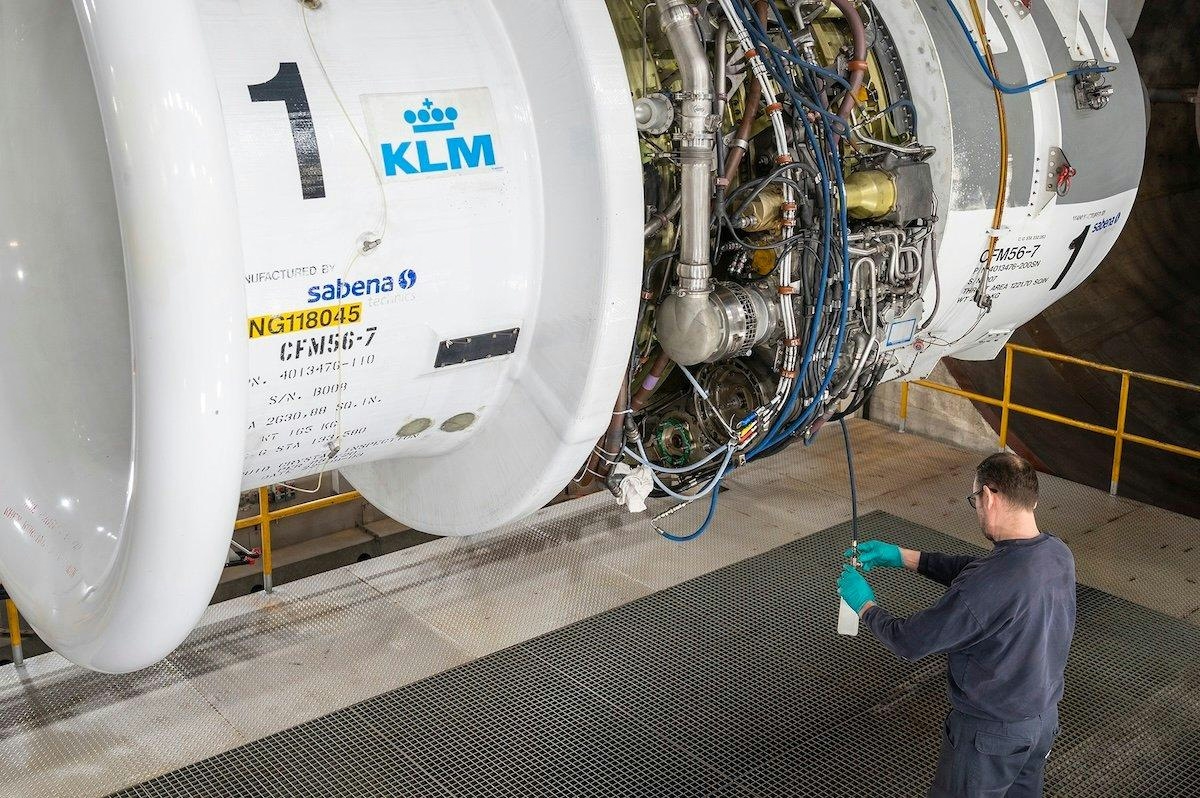
Benoît Rollier Named Vice President of KLM Engine Service
Azorra Expands Engine Portfolio Through Deal with DAE
