
エアロジニー — あなたのインテリジェントな副操縦士。

現在のトレンド
Categories
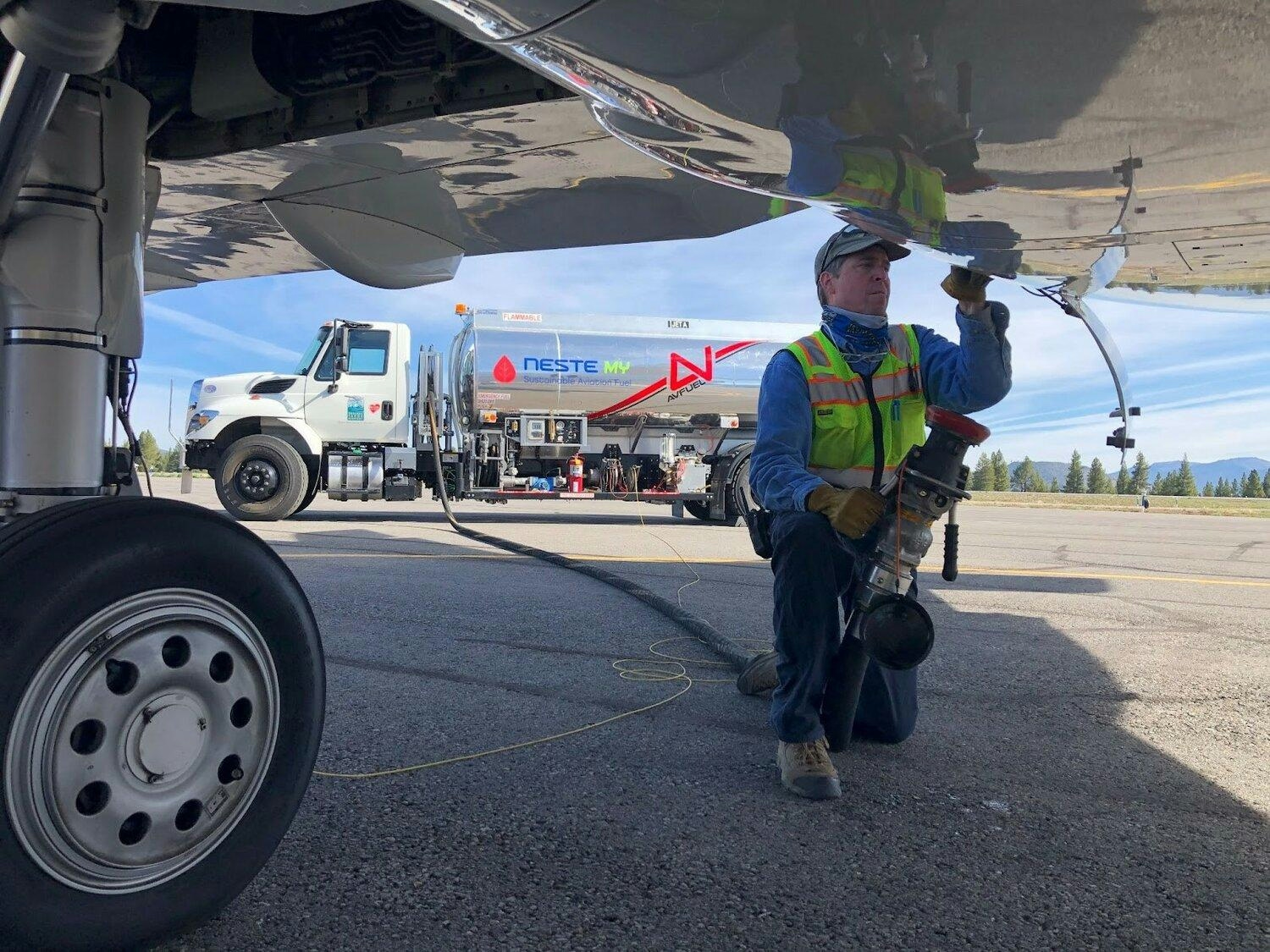
The Environmental Impact of Sustainable Aviation Fuel in the Amazon
The Environmental Impact of Sustainable Aviation Fuel in the Amazon
Controversy Surrounding Supply Chain Practices
A Texas-based refinery supplying sustainable aviation fuel (SAF) to major U.S. airlines is under increasing scrutiny following revelations that its supply chain may be linked to illegal deforestation in the Amazon rainforest. Diamond Green Diesel, a joint venture between Darling Ingredients and Valero Energy, produces SAF by converting cattle fat into a cleaner alternative to conventional jet fuel and diesel. Since 2022, the company has benefited from over $3 billion in U.S. tax credits designed to encourage biofuel production.
Investigations have uncovered connections between some of Diamond Green Diesel’s Brazilian suppliers and ranches operating on land cleared illegally within the Amazon. This discovery casts doubt on the sustainability claims of the refinery’s operations and calls into question the reliability of existing certification processes. Critics contend that despite official endorsements, the involvement of suppliers linked to deforestation undermines environmental objectives and may contravene Brazilian environmental laws.
Challenges Facing the Aviation Industry’s Shift to SAF
The controversy emerges amid a broader industry push to reduce carbon emissions, with airlines such as JetBlue, Southwest, and Delta Air Lines investing heavily in SAF to meet ambitious sustainability goals. However, the aviation sector faces significant obstacles beyond supply chain transparency. High production costs, often influenced by volatile crude oil prices, remain a substantial barrier to the widespread adoption of SAF. Additionally, the limited availability of sustainable feedstocks, coupled with complex regulatory frameworks and shifting geopolitical factors, complicates efforts to scale production.
Despite growing demand, SAF supply continues to fall short, creating a gap that hinders the industry’s ability to comply with regulatory mandates and satisfy consumer expectations. Airlines and aviation groups are responding by investing in SAF development and forming new partnerships, yet the reliance on global supply chains exposes the sector to environmental and legal risks, as exemplified by the Diamond Green Diesel case.
The Need for Enhanced Oversight and Transparency
The incident involving Diamond Green Diesel highlights the urgent need for more rigorous oversight and transparent sourcing practices within the SAF supply chain. Ensuring that the drive toward greener aviation does not come at the expense of critical ecosystems such as the Amazon is paramount. As the aviation industry grapples with these challenges, the debate over the true environmental impact of sustainable aviation fuel is expected to intensify. Stakeholders are increasingly calling for stronger safeguards to prevent greenwashing and to protect vulnerable regions from further environmental degradation.

Archer Aviation Confronts Setbacks Amid Declining Air Taxi Interest

Chinese Team Develops First Flight Control Software for Bamboo Drones
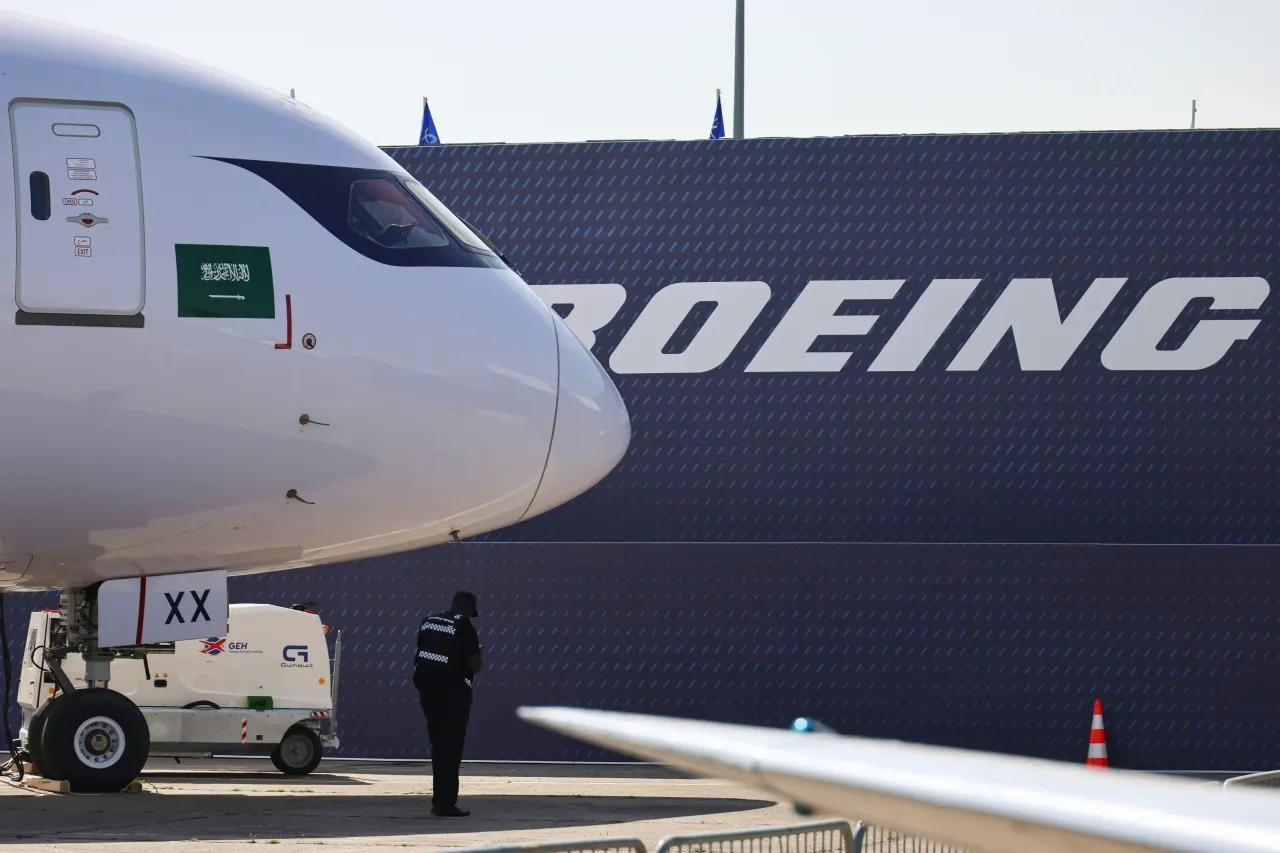
Government Moves Forward with Boeing Purchase, Considers Airbus Leasing

SkyHope Appoints Aviation Industry Leader to Board

The Challenges of Certifying Autonomous Aircraft

KLM to Receive First Airbus A350, Announces Initial Routes

Saxon Air Receives Clean and Green Energy Innovation Award

How BEB Tax Policies Impact Airlines’ International Leasing Contracts
Indonesia’s Danantara and Mandiri Partner with SMBC to Launch $800 Million Aviation Leasing Fund

South Korea’s SUM Air Places Order for New ATR Aircraft
