
エアロジニー — あなたのインテリジェントな副操縦士。

現在のトレンド
Categories
JetBlue Flight Makes Emergency Landing Following Engine Failure
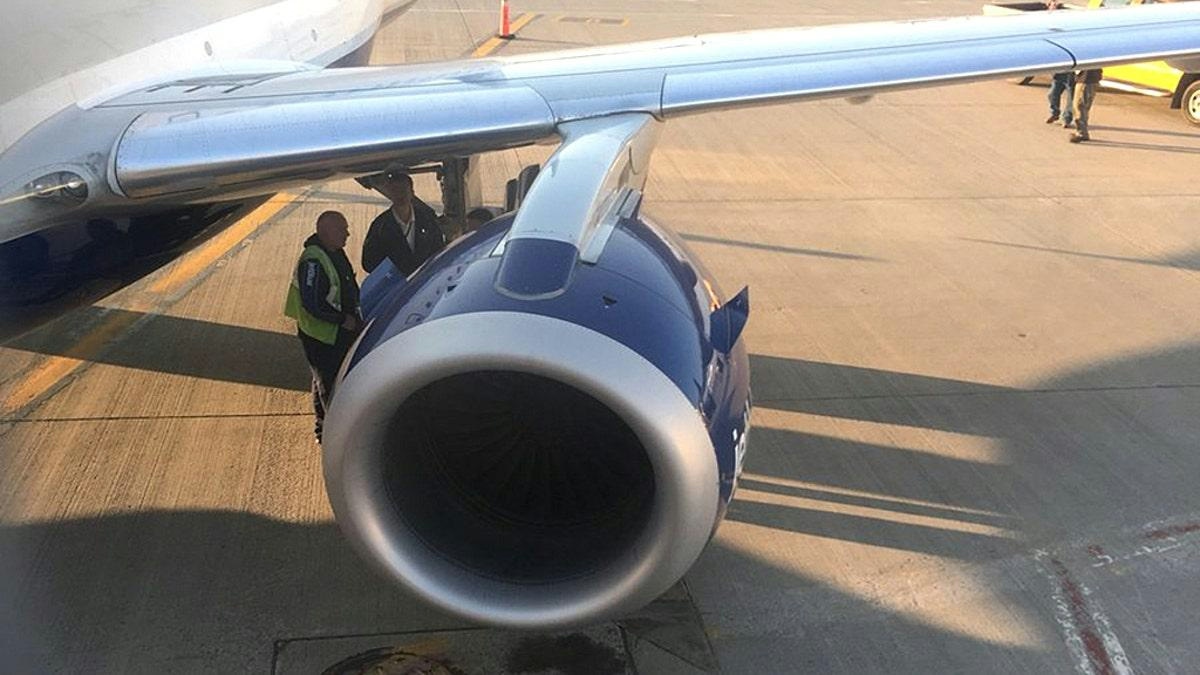
JetBlue Flight Makes Emergency Landing Following Engine Failure
JetBlue flight B61058, operating from Oranjestad, Aruba, to New York’s John F. Kennedy International Airport, was compelled to execute an emergency landing at Fort Lauderdale-Hollywood International Airport on Sunday after experiencing an engine failure shortly after takeoff. The Airbus A321neo, carrying 180 passengers and six crew members, landed safely with no reported injuries.
Incident Details and Response
The aircraft, registered as N2086J, departed Queen Beatrix International Airport at approximately 1:59 PM AST. Within minutes of departure, the flight crew reported a “loud bang,” which was subsequently identified as a failure of the right-side engine. In response, the pilots declared an emergency by activating transponder code 7700 and entered a holding pattern to burn and dump fuel, thereby reducing the aircraft’s weight to facilitate a safe landing.
For operational and safety reasons, the flight was diverted to Fort Lauderdale, a key JetBlue maintenance hub. Throughout the emergency, the crew maintained continuous communication with air traffic control. The aircraft touched down at 5:21 PM local time, where emergency services were prepared to assist. Passengers were promptly evacuated and supported, with JetBlue arranging alternative flights and rebookings to mitigate travel disruptions.
Investigation and Industry Implications
Following the landing, the aircraft was transferred to the airport’s maintenance area for a comprehensive inspection. JetBlue’s maintenance team, working alongside aviation authorities, has initiated a detailed investigation to ascertain the root cause of the engine failure, focusing on potential mechanical or technical faults.
The incident is anticipated to attract regulatory scrutiny, potentially triggering formal investigations and sanctions. It may also lead to a reassessment of JetBlue’s safety protocols and could have financial repercussions, including insurance claims and impacts on the airline’s market valuation and passenger trust. Competitors within the industry are likely to emphasize their own safety measures and enhance public communications to reassure travelers about the reliability of air travel.
More broadly, this event has renewed discussions regarding the dependability of modern aircraft engines and the critical importance of stringent maintenance practices across the aviation sector. As the investigation unfolds, both JetBlue and the wider airline industry may face increased demands for greater oversight and transparency in safety standards.

Archer Aviation Confronts Setbacks Amid Declining Air Taxi Interest

Chinese Team Develops First Flight Control Software for Bamboo Drones
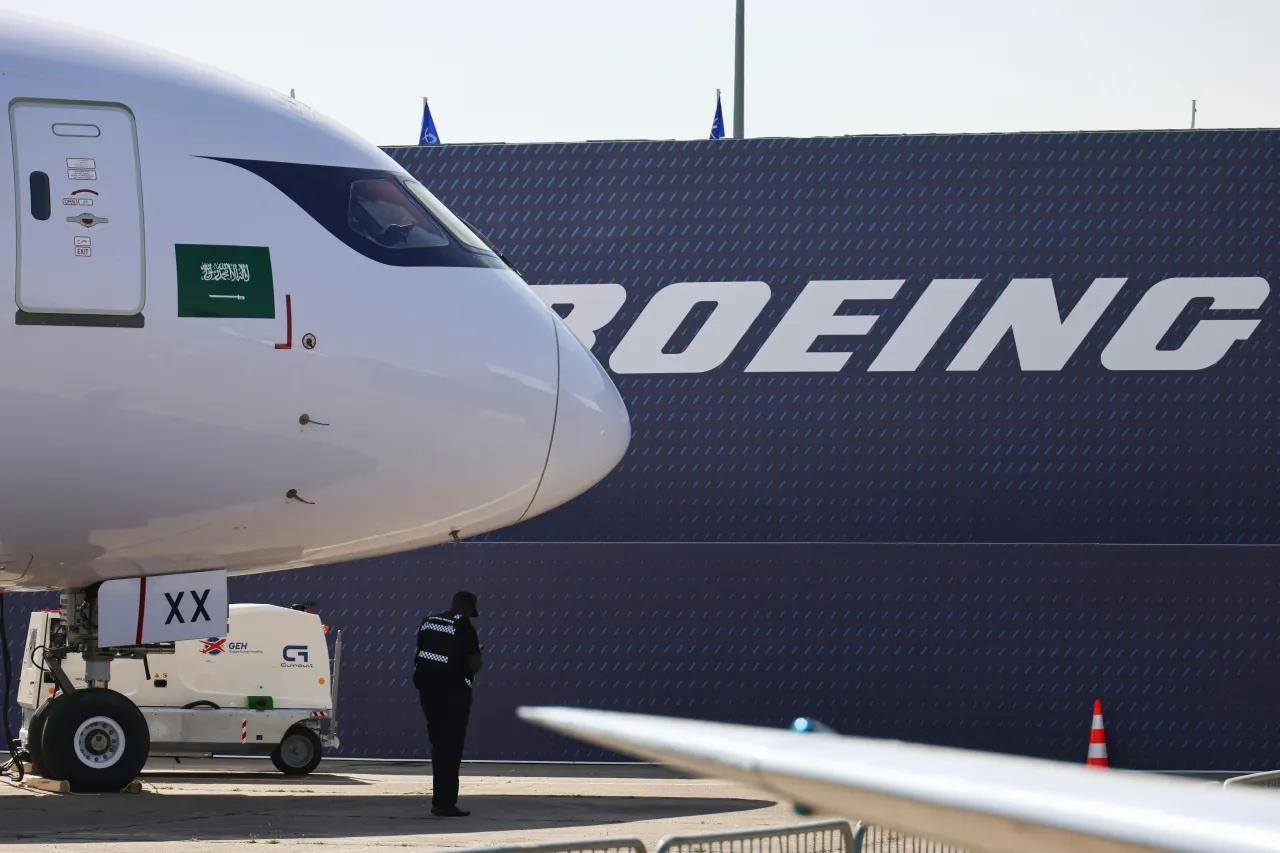
Government Moves Forward with Boeing Purchase, Considers Airbus Leasing

SkyHope Appoints Aviation Industry Leader to Board
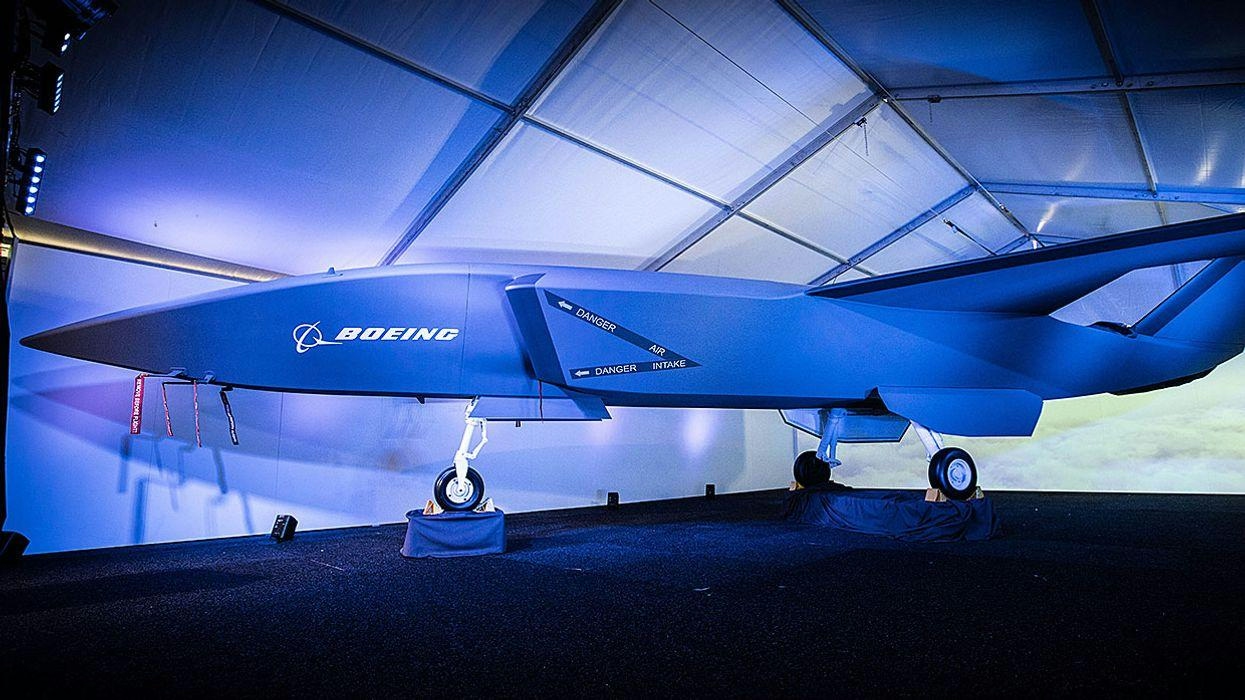
The Challenges of Certifying Autonomous Aircraft

KLM to Receive First Airbus A350, Announces Initial Routes

Saxon Air Receives Clean and Green Energy Innovation Award

How BEB Tax Policies Impact Airlines’ International Leasing Contracts

Indonesia’s Danantara and Mandiri Partner with SMBC to Launch $800 Million Aviation Leasing Fund

South Korea’s SUM Air Places Order for New ATR Aircraft
