
エアロジニー — あなたのインテリジェントな副操縦士。

現在のトレンド
Categories
GE Aerospace Shares Fall After Boeing Raises Concerns Over GE9X Engine
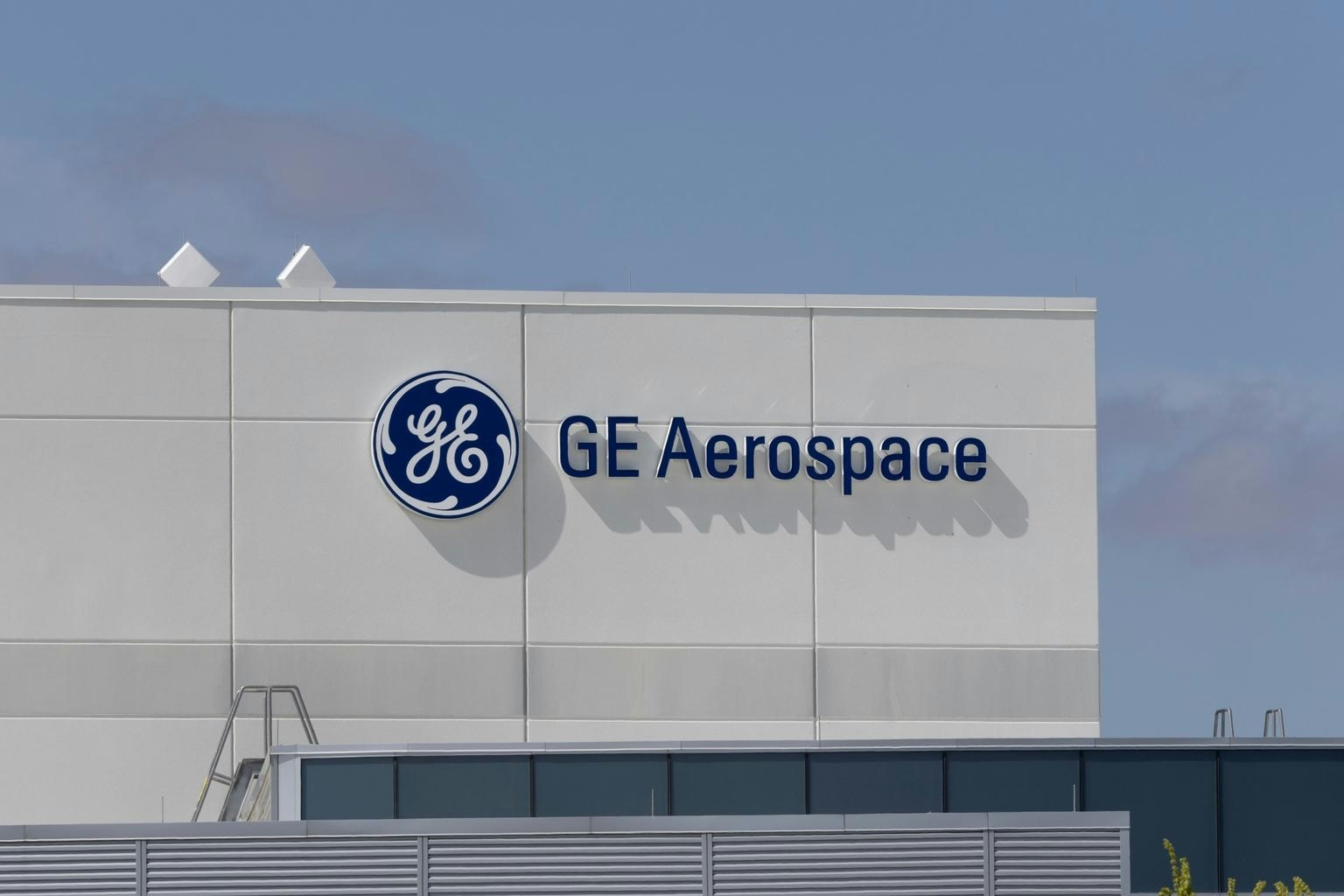
GE Aerospace Shares Decline Following Boeing’s Durability Concerns Over GE9X Engine
Shares of GE Aerospace experienced a decline of approximately 1.7%, closing at $292.48 in after-hours trading on Wednesday. This drop followed Boeing’s disclosure of a potential durability issue with the GE9X engine, which is slated to power the forthcoming 777-9 aircraft. During the trading session, GE’s stock fluctuated between $291.35 and $299.73, ultimately closing about $5 below its previous finish and ending a two-day rally.
Boeing Flags Durability Issue Amid Ongoing Collaboration
The decline in GE Aerospace’s shares came in the wake of Boeing’s January 27 earnings call, during which CEO Kelly Ortberg revealed that a recent inspection had uncovered a possible durability concern with the GE9X engine. Boeing is working closely with GE Aerospace to investigate the issue and identify appropriate corrective measures. Despite the concern, Boeing reassured investors that the problem is not expected to delay the scheduled 2027 delivery of the 777-9 aircraft.
In response, GE Aerospace confirmed the initiation of an “on-wing inspection programme” and stated that it is actively pursuing a resolution. The company informed FlightGlobal that it is investigating the root cause of the issue and developing a fix. Market sentiment remained cautious, reflecting Wall Street’s elevated expectations for GE Aerospace, which has benefited from robust demand in both commercial air travel and defense sectors.
Broader Developments and Market Context
In a separate announcement, GE reported the successful completion of ground testing for a hybrid-electric turbofan system at its Peebles, Ohio, facility. This test, conducted on a modified Passport engine as part of a NASA-supported initiative, demonstrated stable power extraction and reinjection—a milestone described by NASA project manager Anthony Nerone as unprecedented in the industry. Nerone emphasized the significance of this achievement, noting that no hybrid-electric engine is currently operational in flight.
On the broader market front, GE shares declined 1.68% during regular trading, a relatively moderate drop compared to steeper losses in Honeywell and RTX, which also closed lower. Trading volume for GE exceeded its 50-day average. The Dow Jones Industrial Average edged slightly higher, while the S&P 500 remained largely unchanged. Despite recent fluctuations, GE shares remain approximately 12% below their January 6, 52-week high.
Financial Outlook and Industry Implications
The market continues to absorb GE’s January 22 forecast, which projects adjusted earnings per share for 2026 in the range of $7.10 to $7.40, alongside free cash flow between $8.0 billion and $8.4 billion. CEO H. Lawrence Culp Jr. highlighted the company’s “solid momentum” entering 2026, driven by accelerated growth in services and equipment production.
Aftermarket sales, encompassing parts and maintenance for engines already in service, remain a vital revenue stream for GE Aerospace. According to Reuters, over 70% of GE’s commercial engine revenue derives from parts and services, providing a buffer against fluctuations in aircraft deliveries. However, durability issues such as those flagged with the GE9X engine can disrupt this balance, as remedial actions often require additional inspections, repairs, and increased costs. These factors may strain shop capacity and impact relationships with airline customers. Furthermore, if global travel demand softens or supply constraints in aircraft manufacturing ease, the high-margin spares business could face increased pressure.
Investors are now awaiting further updates from Boeing and GE regarding the ongoing investigation into the GE9X engine and any forthcoming corrective measures. GE Aerospace is scheduled to release its first-quarter earnings report on April 21, followed by the second-quarter results on July 16.

Chinese Team Develops First Flight Control Software for Bamboo Drones
SkyHope Appoints Aviation Industry Leader to Board
The Challenges of Certifying Autonomous Aircraft
KLM to Receive First Airbus A350, Announces Initial Routes
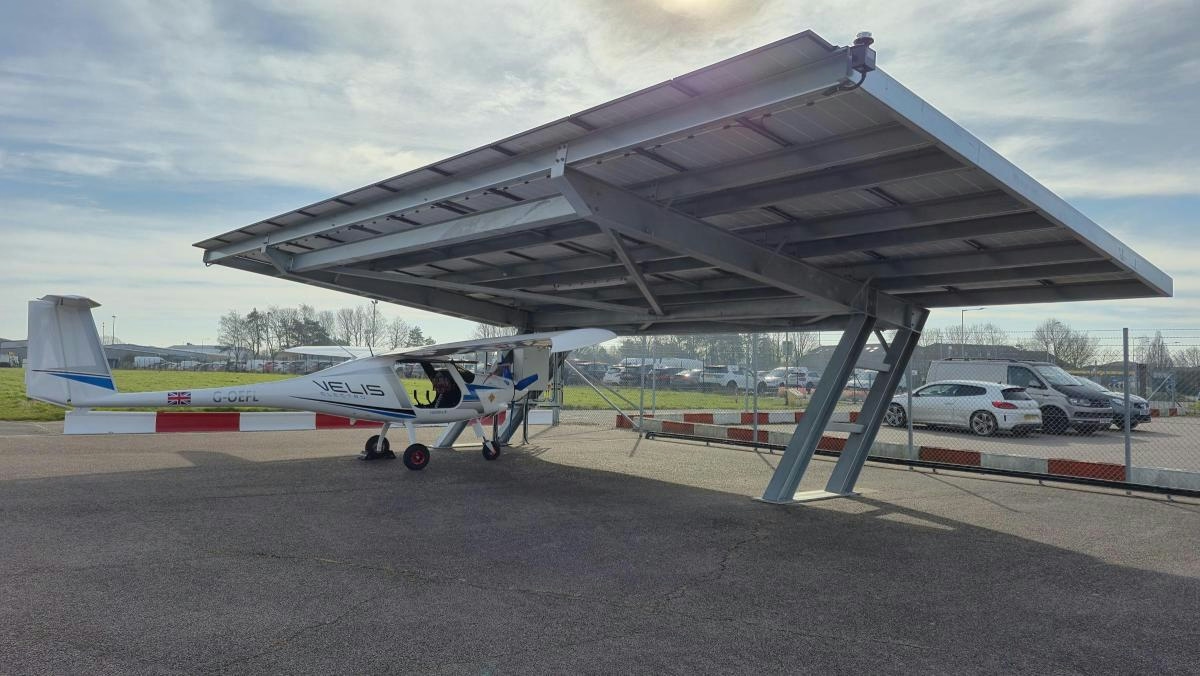
Saxon Air Receives Clean and Green Energy Innovation Award
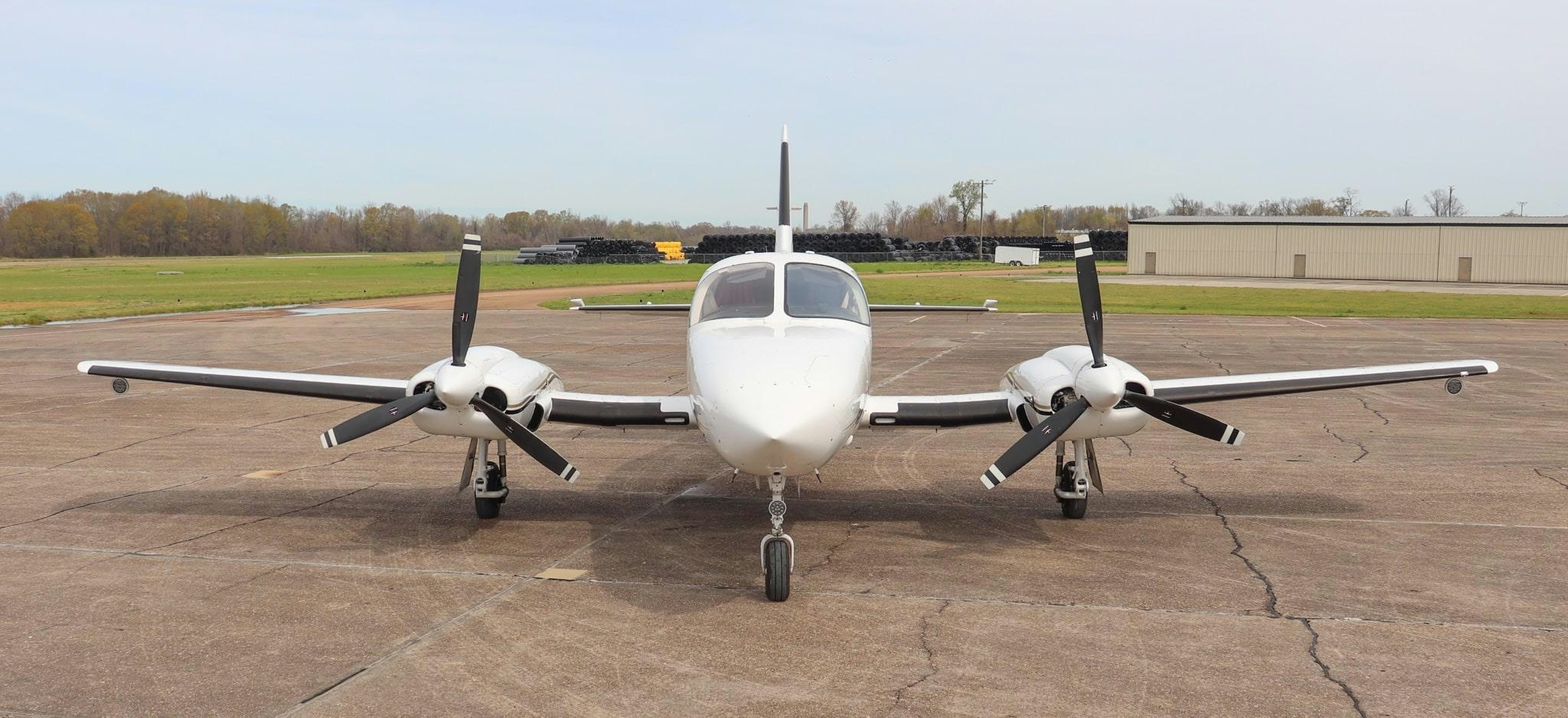
How BEB Tax Policies Impact Airlines’ International Leasing Contracts

Indonesia’s Danantara and Mandiri Partner with SMBC to Launch $800 Million Aviation Leasing Fund

South Korea’s SUM Air Places Order for New ATR Aircraft
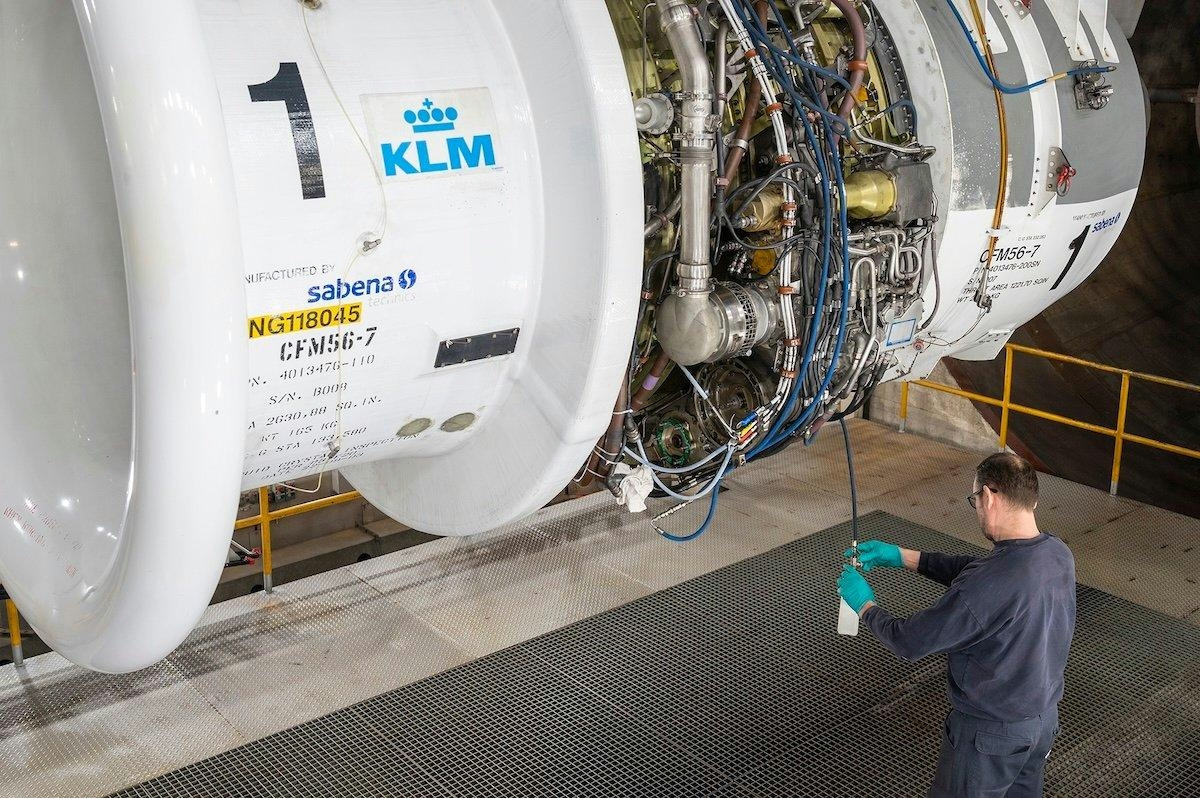
Benoît Rollier Named Vice President of KLM Engine Service
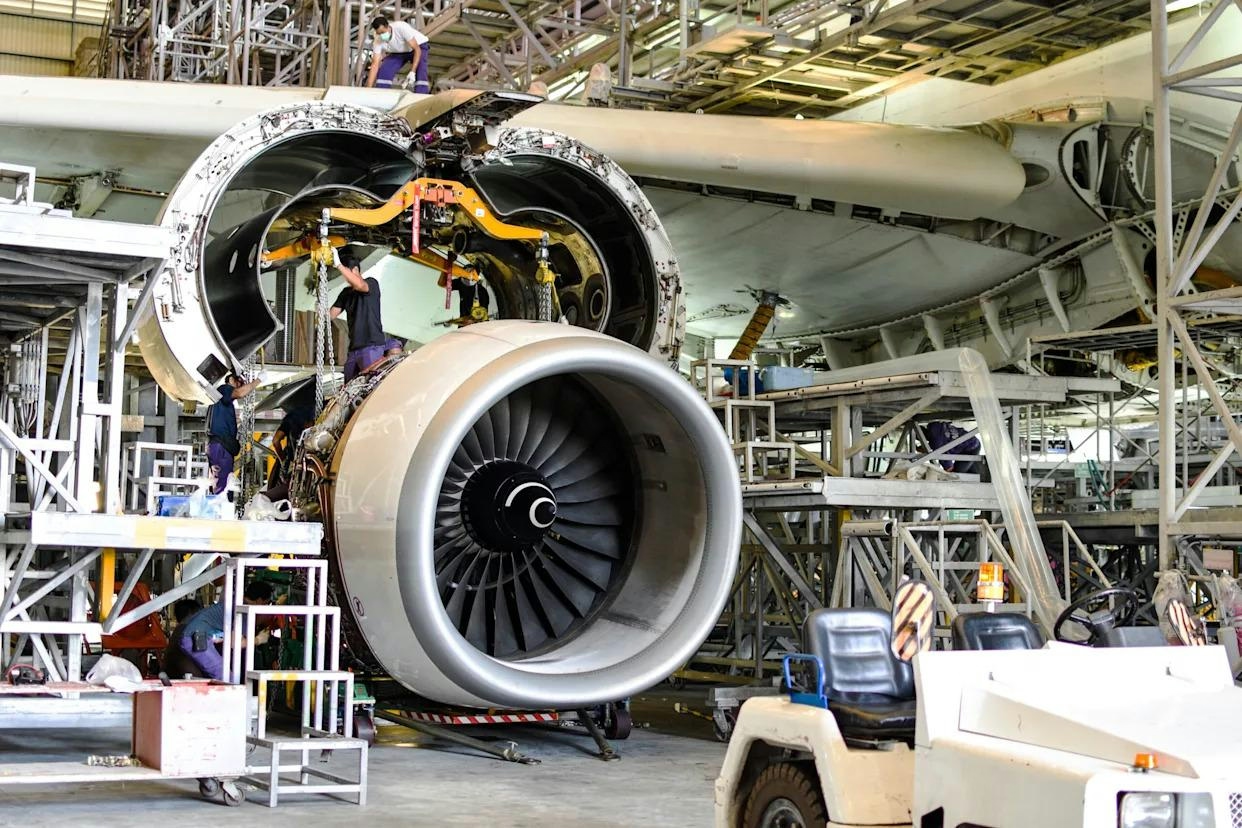
Azorra Expands Engine Portfolio Through Deal with DAE
