
エアロジニー — あなたのインテリジェントな副操縦士。

現在のトレンド
Categories
FAA Rule Changes May Enable Expanded Drone Deliveries in the U.S.
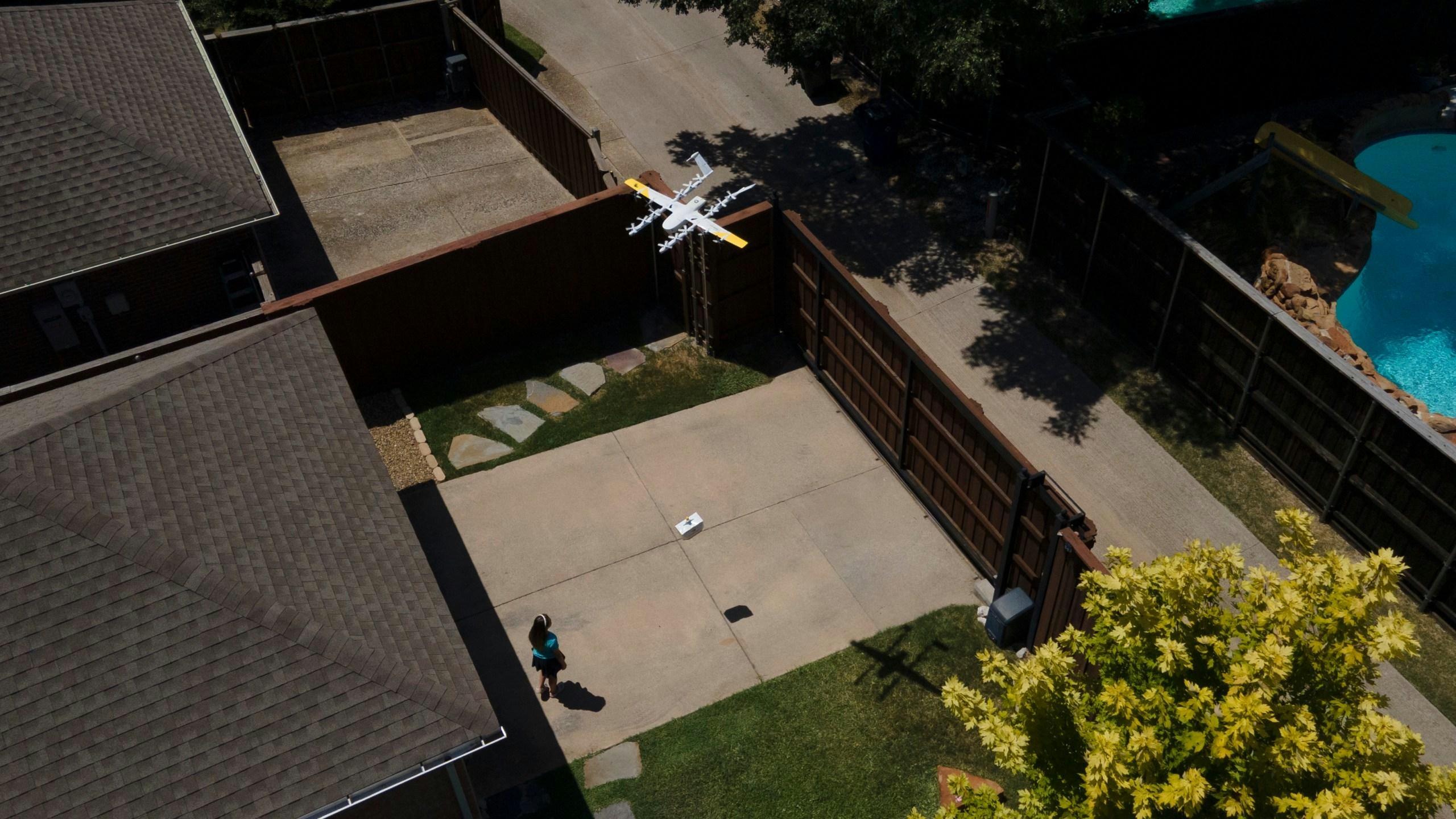
FAA Rule Changes May Enable Expanded Drone Deliveries in the U.S.
Regulatory Shifts and Industry Expansion
Delivery drones, long envisioned as the future of home delivery capable of swiftly transporting perishable goods such as ice cream, have seen limited deployment in the United States despite the Federal Aviation Administration (FAA) approving commercial drone deliveries over six years ago. Until now, their use has largely been restricted to select suburban and rural areas. This situation is poised to change as the FAA proposes new regulations designed to ease restrictions on beyond visual line of sight (BVLOS) operations. These changes aim to reduce bureaucratic obstacles and facilitate a broader expansion of drone delivery services across the country.
Major retailers including Walmart, Amazon, and DoorDash are already conducting pilot programs in collaboration with drone companies such as Wing, Flytrex, and Zipline. Walmart and Wing currently operate from 18 stores in the Dallas area, with plans to extend their services to 100 locations in cities like Atlanta, Charlotte, Houston, Orlando, and Tampa by next summer. Amazon, which initiated drone deliveries in College Station, Texas, in late 2022, has since expanded to suburban Phoenix and is preparing to launch operations in Dallas, San Antonio, and Kansas City.
Technological Advancements and Operational Capabilities
The technology underpinning these drone delivery services is advancing rapidly. Wing’s drones can carry payloads of up to 2.5 pounds over a 12-mile round trip, with a single pilot capable of monitoring as many as 32 drones simultaneously. Zipline’s drones offer even greater range and capacity, delivering up to 4 pounds over distances reaching 120 miles. These drones operate autonomously, equipped with sophisticated obstacle-avoidance systems. Packages are loaded at launch sites and lowered to customers via retractable cords while remote pilots oversee the flights.
Challenges and Market Dynamics
Despite the promising outlook, expanded drone deliveries introduce several challenges. Privacy concerns are intensifying as drones equipped with cameras and sensors become more prevalent in residential neighborhoods. Navigating the complex and evolving landscape of federal, state, and local regulations remains a significant hurdle for companies. Additionally, public perception varies, with some communities expressing apprehension about noise pollution, safety risks, and the visual impact of increased drone traffic.
The competitive landscape is responding swiftly to these developments. Delivery giants such as Amazon and DoorDash are expected to intensify their investments in drone technology and infrastructure to maintain a competitive edge. Concurrently, companies are increasing lobbying efforts to influence future regulatory frameworks. Insurance providers are also adapting, developing policies to address the unique risks associated with autonomous aerial deliveries, including liability for accidents and property damage.
As the FAA moves closer to finalizing its new rules, the United States stands on the threshold of a transformative era in logistics, where drone deliveries could become an integral part of daily life. The successful integration of this technology will depend on balancing innovation with regulatory oversight, privacy safeguards, and public acceptance.
Chinese Team Develops First Flight Control Software for Bamboo Drones

SkyHope Appoints Aviation Industry Leader to Board
The Challenges of Certifying Autonomous Aircraft
KLM to Receive First Airbus A350, Announces Initial Routes
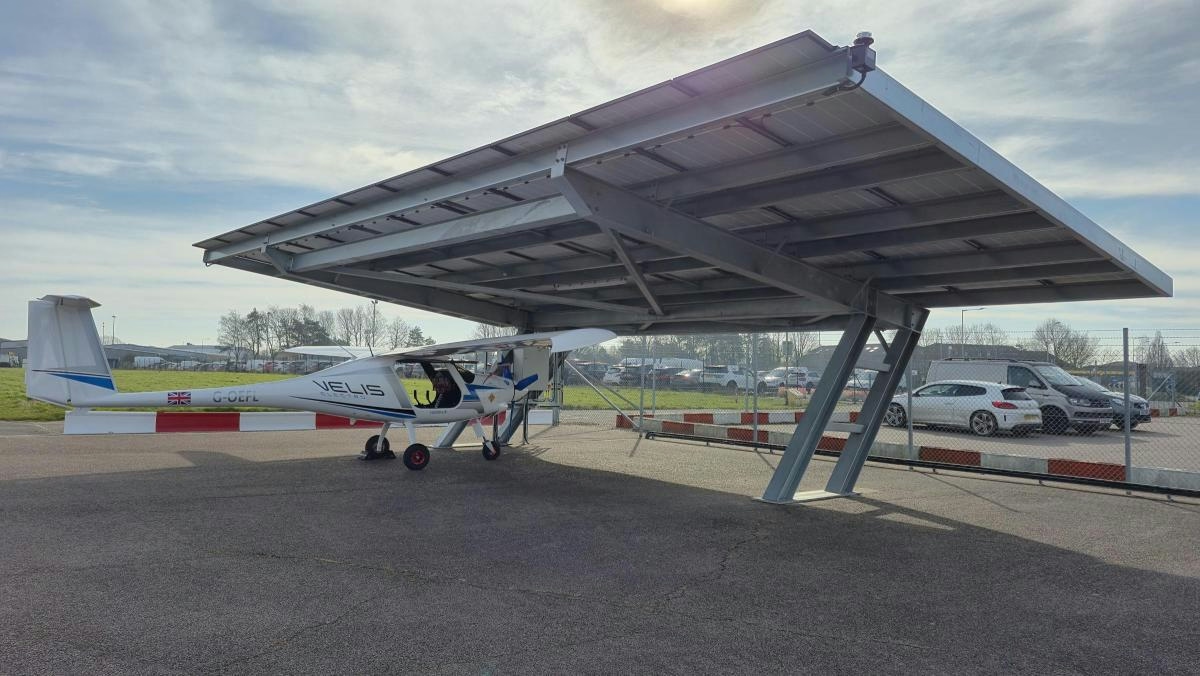
Saxon Air Receives Clean and Green Energy Innovation Award
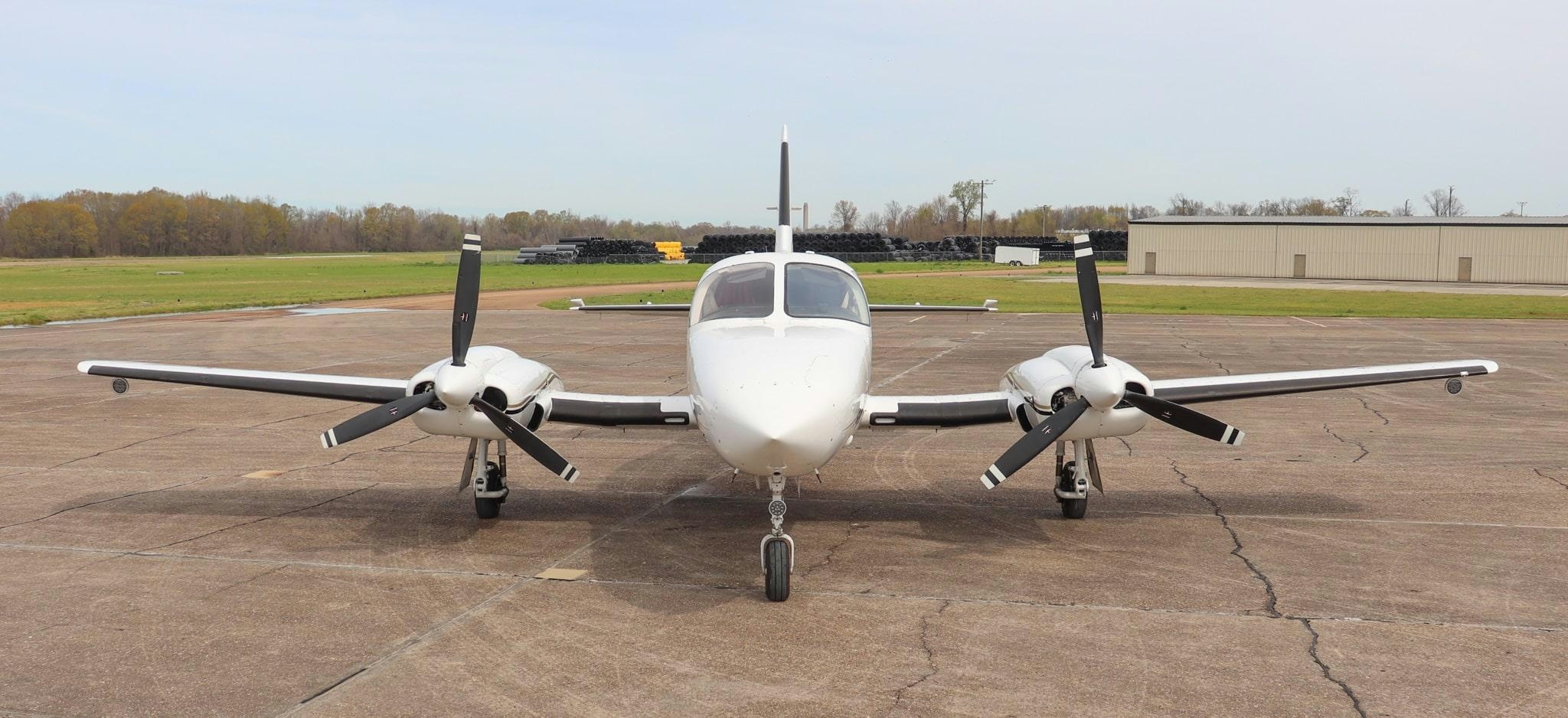
How BEB Tax Policies Impact Airlines’ International Leasing Contracts

Indonesia’s Danantara and Mandiri Partner with SMBC to Launch $800 Million Aviation Leasing Fund
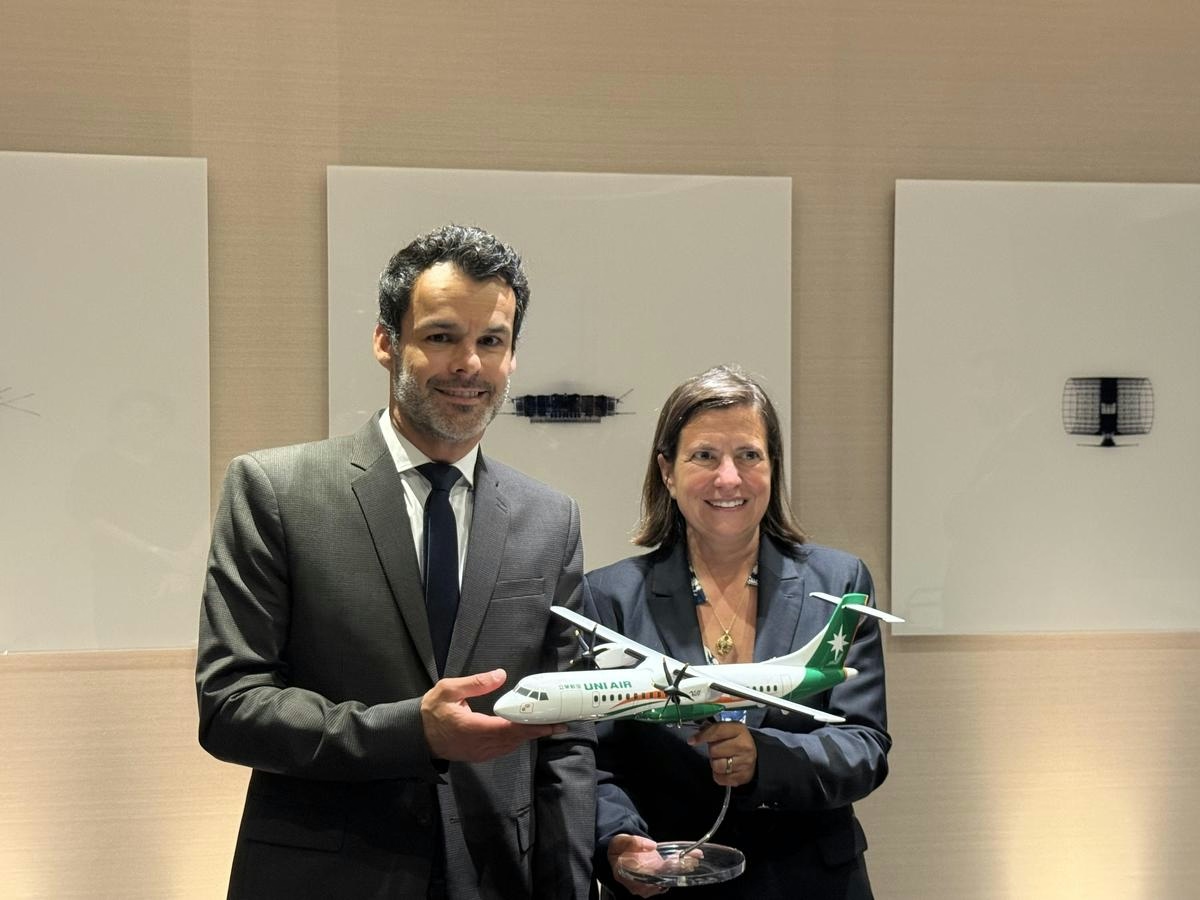
South Korea’s SUM Air Places Order for New ATR Aircraft
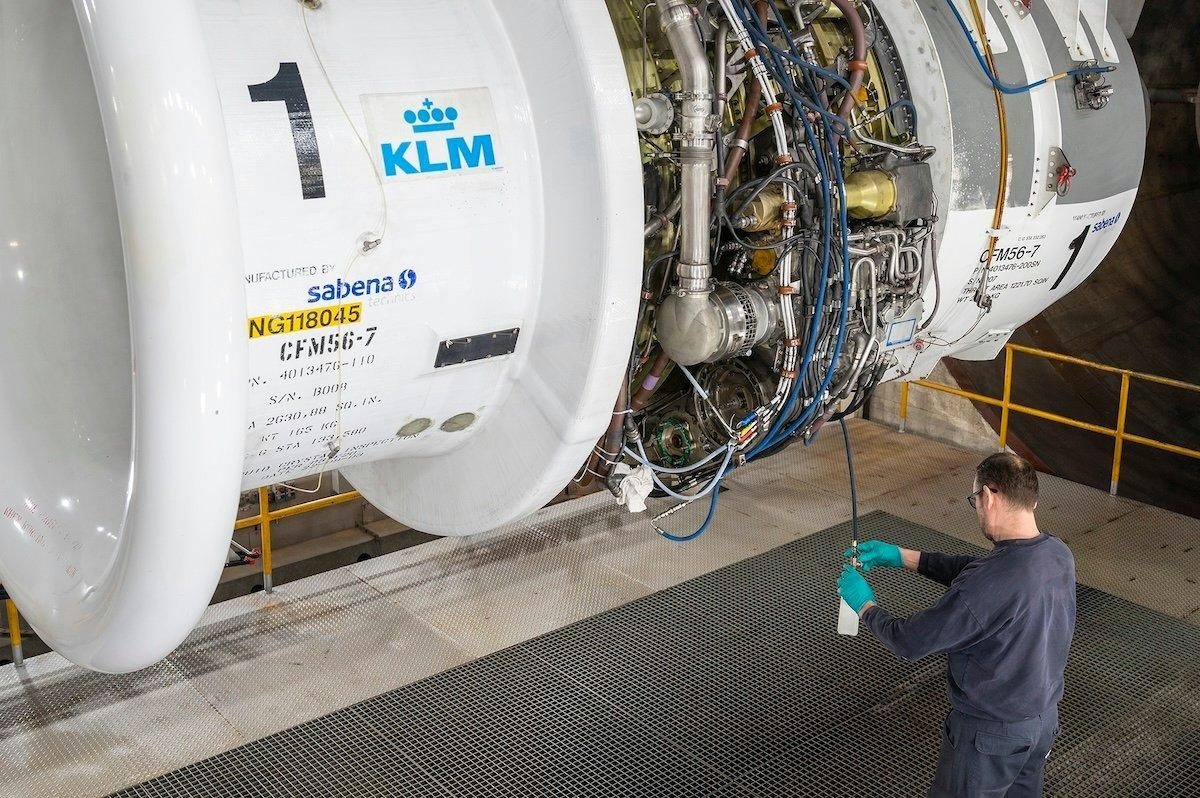
Benoît Rollier Named Vice President of KLM Engine Service

Azorra Expands Engine Portfolio Through Deal with DAE
