
エアロジニー — あなたのインテリジェントな副操縦士。

現在のトレンド
Categories
Aircraft Makes Emergency Landing Due to Fuel Exhaustion
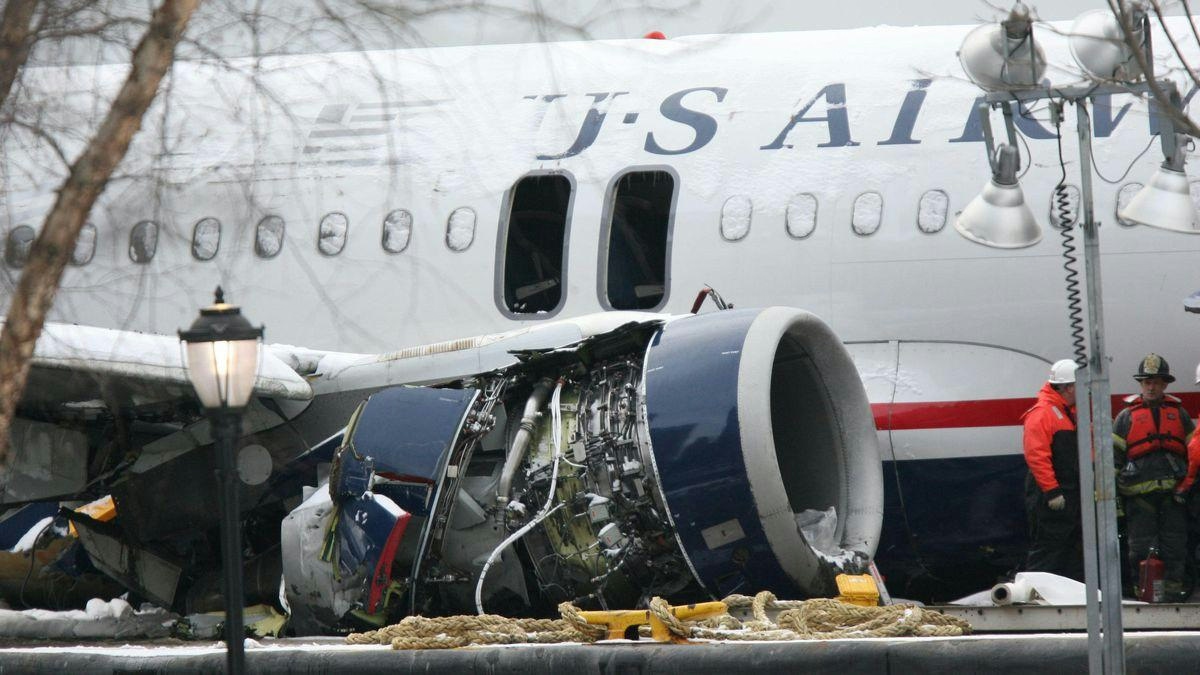
Aircraft Forced to Make Emergency Landing Near Lamar, Colorado Due to Fuel Exhaustion
A Mooney M20K aircraft was compelled to execute an emergency landing near Lamar, Colorado, after depleting its fuel supply, according to a recent report from the National Transportation Safety Board (NTSB). The incident, which took place in October 2023, underscores persistent challenges related to fuel management and aviation safety protocols.
Sequence of Events and Investigation Findings
Approximately four hours and fifteen minutes after takeoff, the pilot experienced a complete loss of engine power. Although power was temporarily restored by switching fuel tanks and engaging the auxiliary fuel pump, the engine failed again roughly five miles from the intended runway. With no alternative, the pilot conducted a forced landing in a nearby field. During the landing, the aircraft collided with a fence, resulting in significant damage to both wings.
Subsequent examination revealed that the aircraft’s fuel tanks were entirely empty, with no usable fuel remaining. Data indicated that the aircraft had only 80 gallons of fuel upon landing—a critically low quantity that raises serious safety concerns and highlights the necessity of meticulous fuel planning.
The NTSB attributed the probable cause of the accident to the pilot’s inadequate fuel planning and improper in-flight decision-making, which culminated in total engine failure due to fuel exhaustion. The report is expected to prompt regulatory scrutiny, potentially leading to investigations that could impose fines or operational restrictions on those involved.
Industry Implications and Safety Considerations
This incident has elicited broader reactions within the aviation industry. Market analysts anticipate heightened examination of airline safety protocols and fuel management practices. In response, competitors may adopt more rigorous safety training programs and enforce stricter fuel management procedures to mitigate the risk of similar occurrences.
The NTSB has published the accident report as an educational tool aimed at helping pilots and operators learn from this event and enhance safety standards throughout the aviation sector.
NTSB Identification: 193338
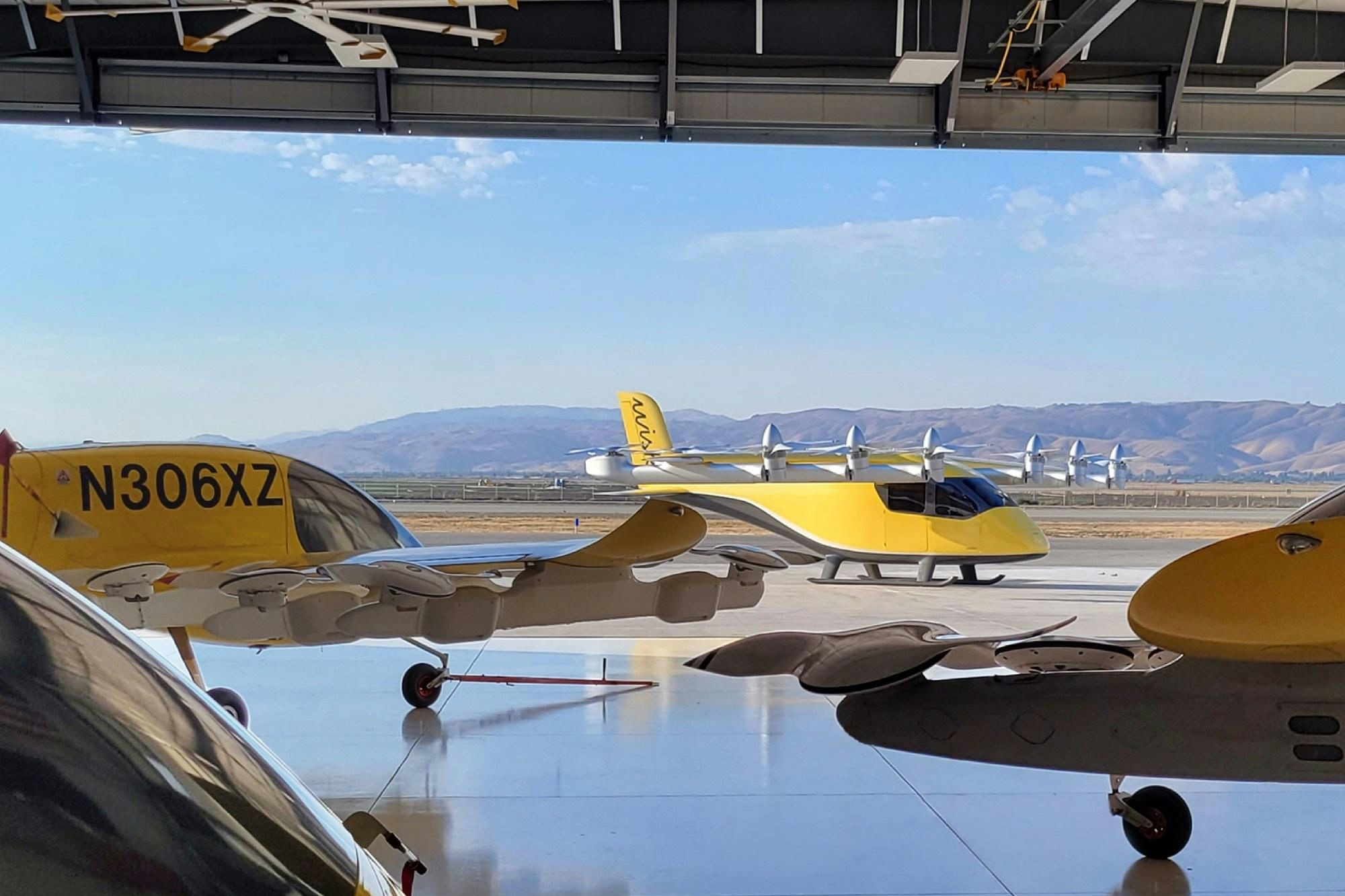
Archer Aviation Confronts Setbacks Amid Declining Air Taxi Interest

Chinese Team Develops First Flight Control Software for Bamboo Drones
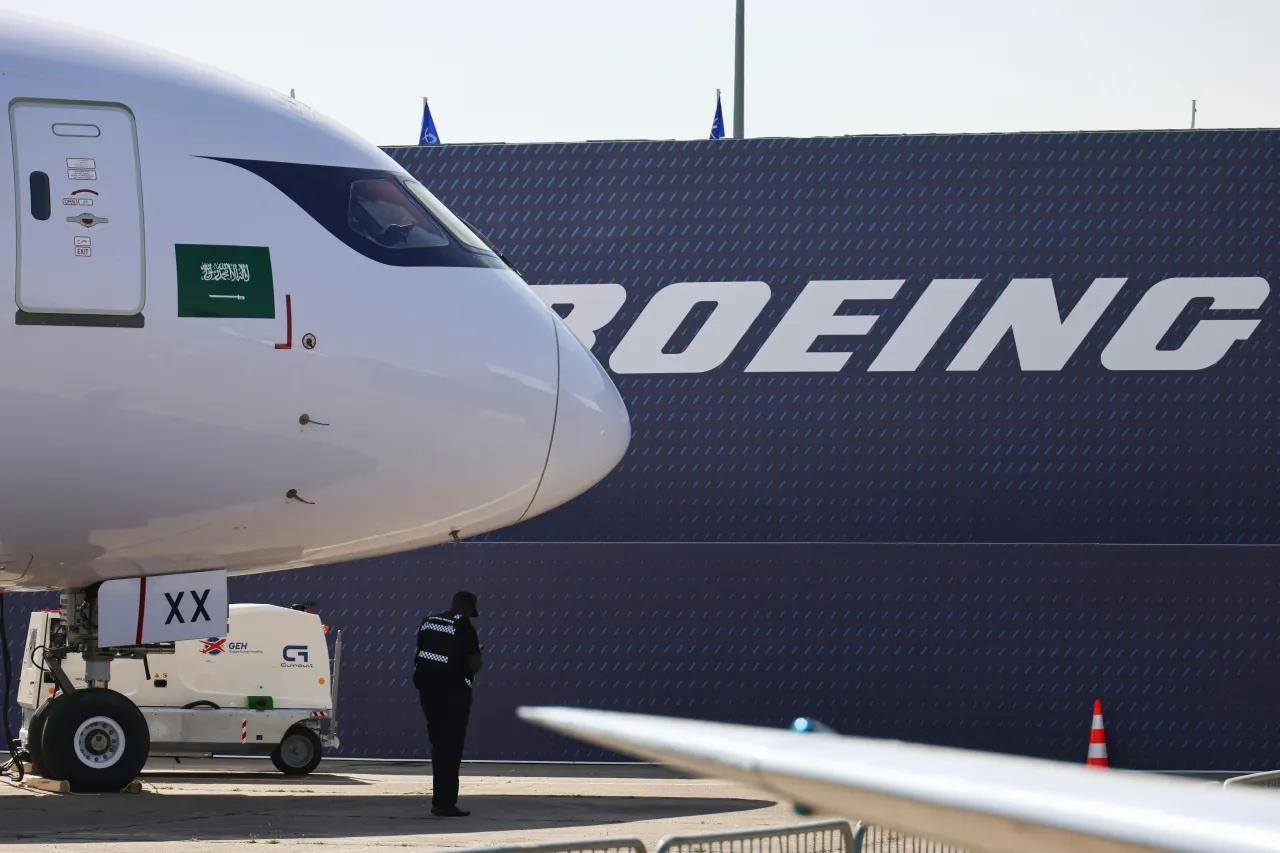
Government Moves Forward with Boeing Purchase, Considers Airbus Leasing

SkyHope Appoints Aviation Industry Leader to Board
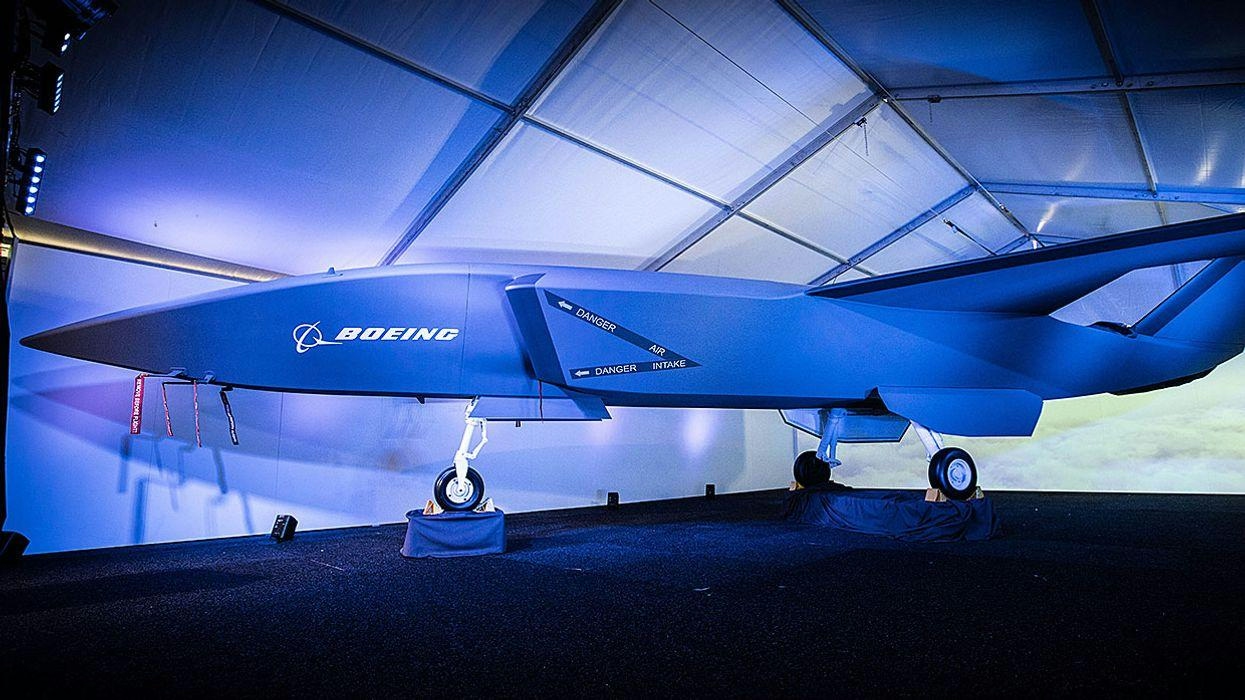
The Challenges of Certifying Autonomous Aircraft

KLM to Receive First Airbus A350, Announces Initial Routes

Saxon Air Receives Clean and Green Energy Innovation Award
How BEB Tax Policies Impact Airlines’ International Leasing Contracts

Indonesia’s Danantara and Mandiri Partner with SMBC to Launch $800 Million Aviation Leasing Fund

South Korea’s SUM Air Places Order for New ATR Aircraft
