
エアロジニー — あなたのインテリジェントな副操縦士。

現在のトレンド
Categories
Airbus Reports No New Orders for First Time Since 2022
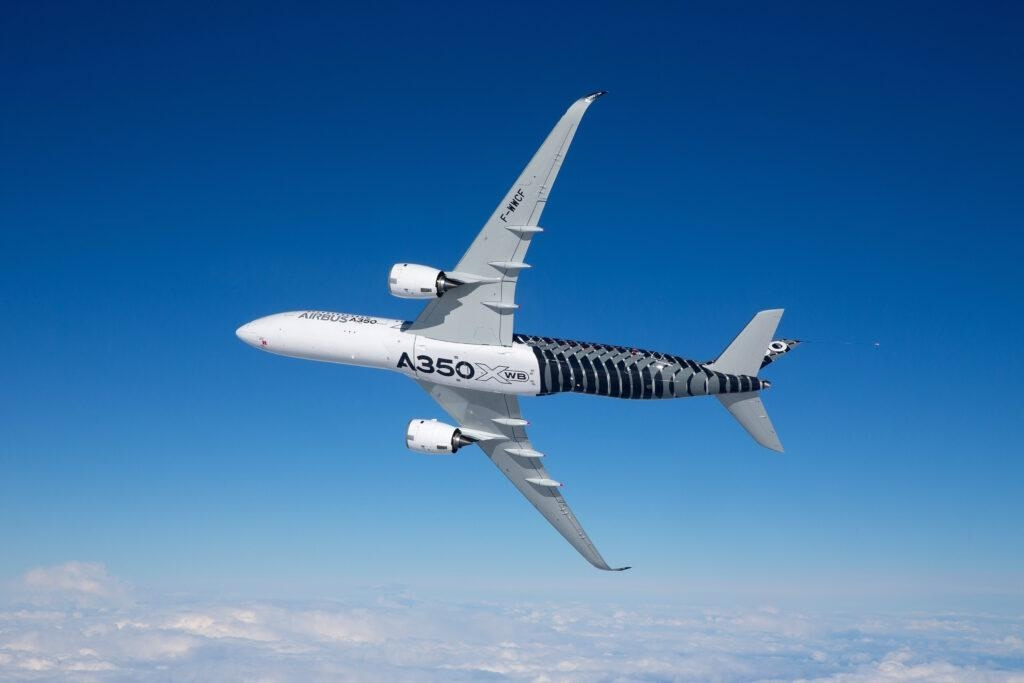
Airbus Reports No New Orders for First Time Since 2022
Airbus, the world’s largest aircraft manufacturer, announced that it secured no new orders in May, marking the first month without fresh business since 2022. This development highlights the mounting challenges confronting the aviation industry, as shifting government policies and warnings from major airlines contribute to an increasingly uncertain market environment.
Industry Challenges and Operational Setbacks
Delta Air Lines recently warned that proposed tariffs could halt new Airbus orders and potentially lead to the elimination of certain flight routes, underscoring the fragile state of demand. Concurrently, the U.S. administration’s decision to reduce funding for green aviation projects has forced manufacturers to scale back or abandon sustainable aviation initiatives. This policy shift complicates Airbus’s efforts to maintain its competitive edge amid growing pressure to innovate in environmentally friendly technologies.
Operational difficulties have further compounded Airbus’s challenges. The company’s aircraft deliveries declined by 4% in May, exacerbating frustrations among airlines already struggling with delays. Meanwhile, competitors such as JetZero are attempting to capitalize on the uncertainty by introducing new aircraft designs aimed at addressing emerging market needs.
Market Implications and Future Outlook
The absence of new orders serves as a stark indicator of the turbulence facing the aviation sector. Airlines have become increasingly vocal about the impact of supply chain disruptions and regulatory changes, while manufacturers like Airbus must navigate a rapidly evolving landscape marked by economic uncertainty. Industry analysts caution that the retreat from sustainable aviation projects could have long-term repercussions, potentially slowing progress toward greener air travel and intensifying competition within the sector.
As Airbus confronts these headwinds, its capacity to adapt will be closely monitored by investors and industry observers. The coming months will be pivotal in determining whether the company can regain momentum or if competitors will seize the opportunity to reshape the market dynamics.
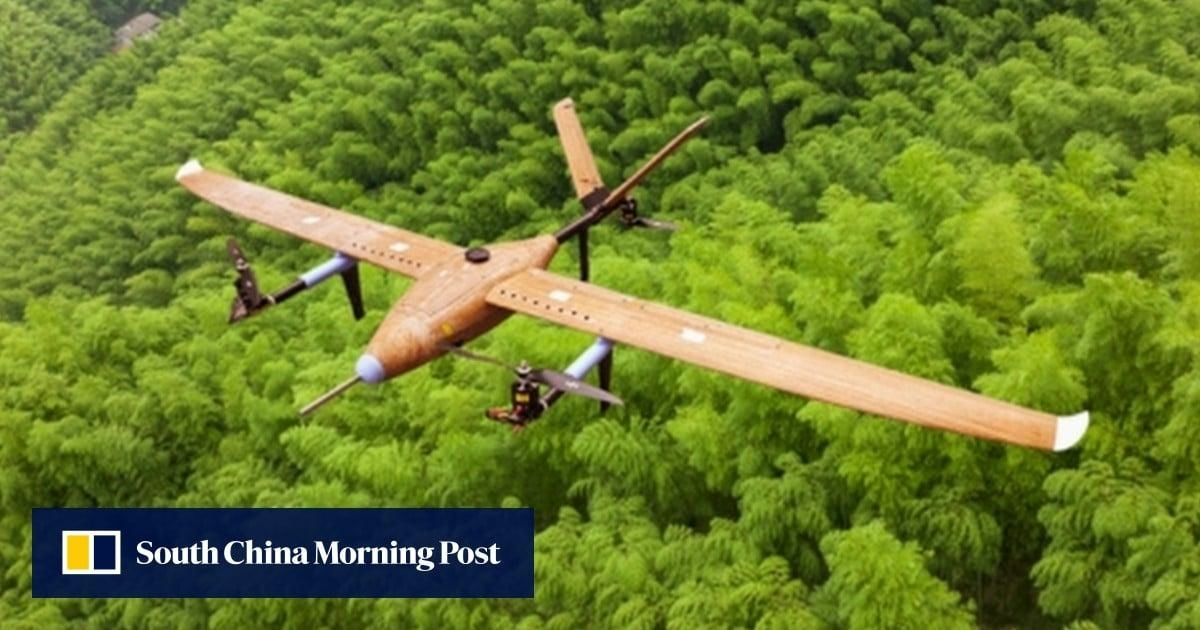
Chinese Team Develops First Flight Control Software for Bamboo Drones
SkyHope Appoints Aviation Industry Leader to Board
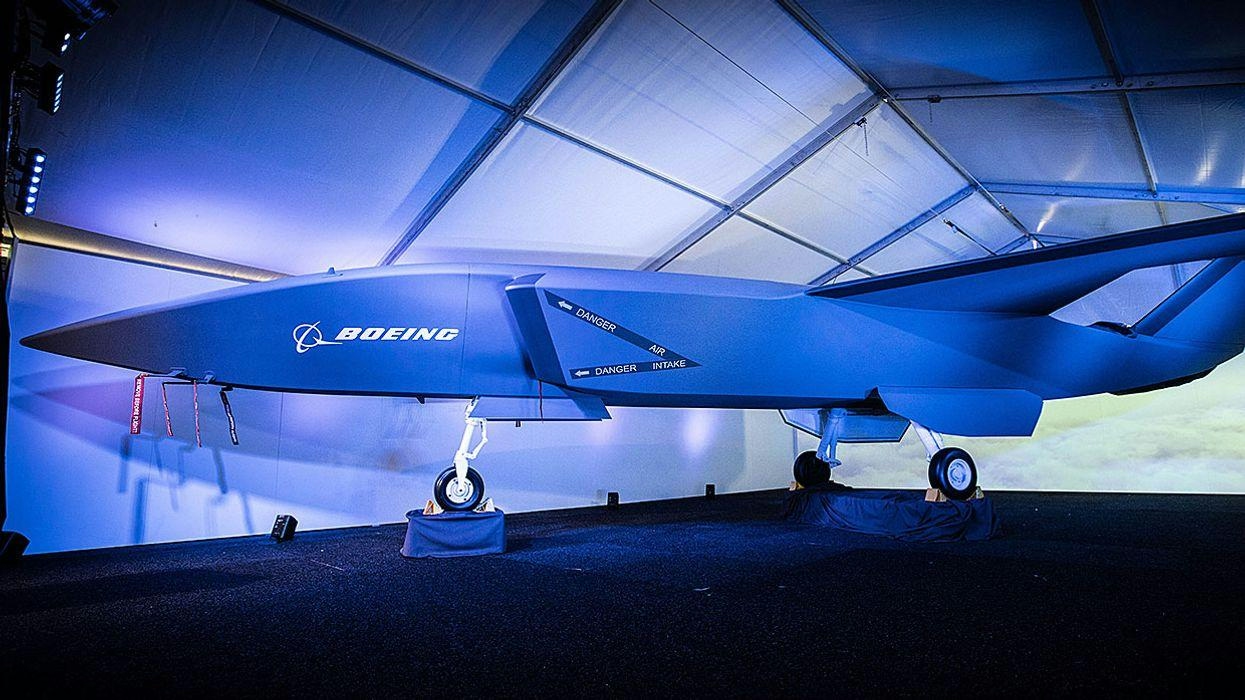
The Challenges of Certifying Autonomous Aircraft
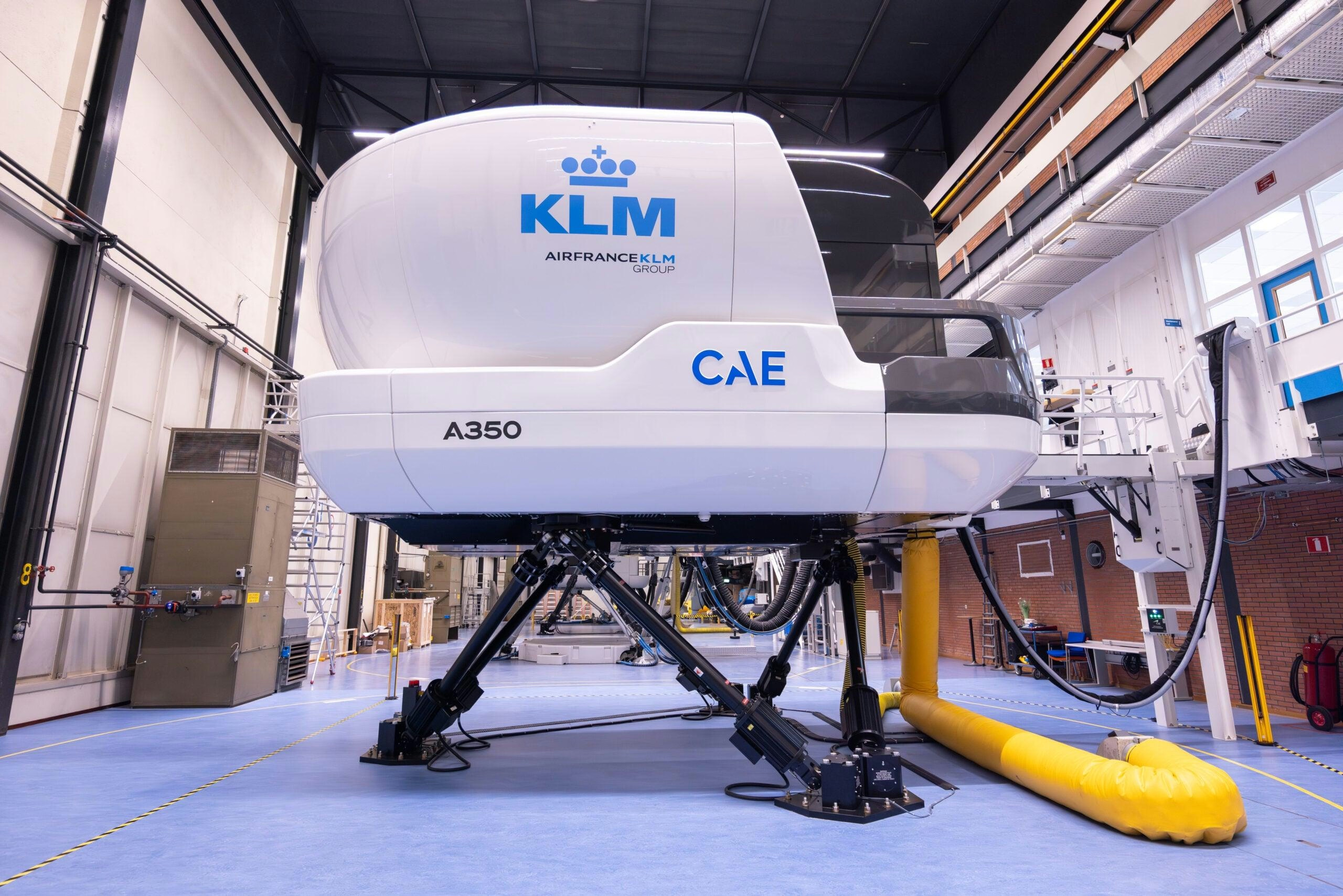
KLM to Receive First Airbus A350, Announces Initial Routes
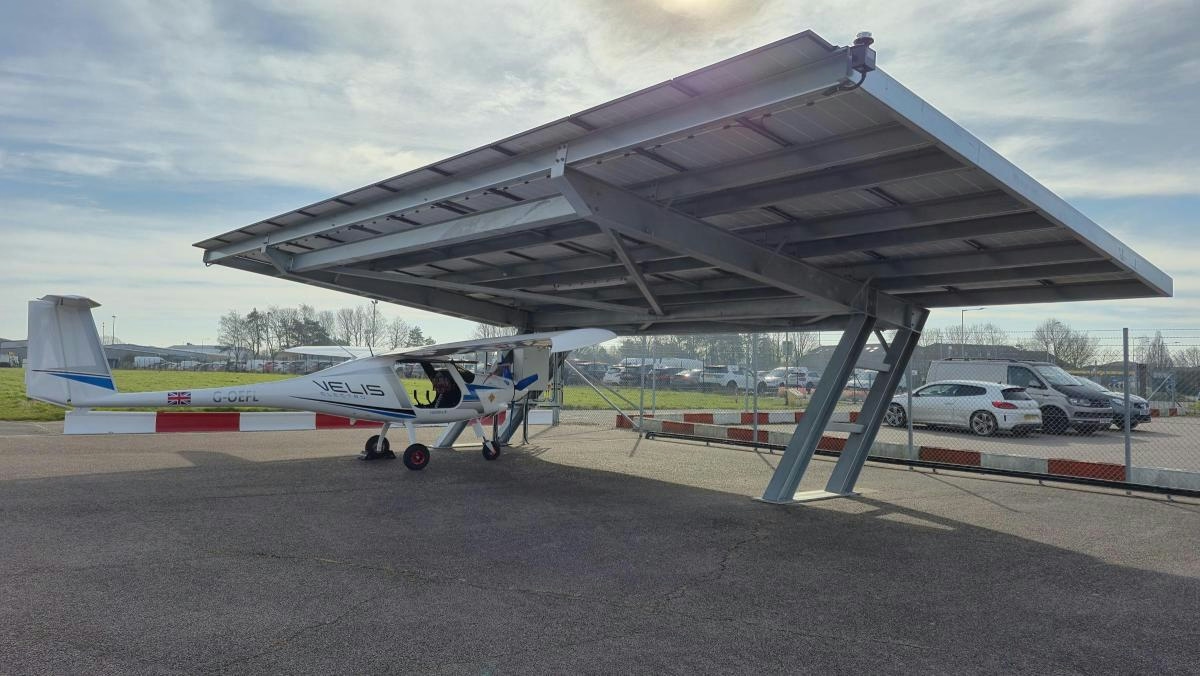
Saxon Air Receives Clean and Green Energy Innovation Award
How BEB Tax Policies Impact Airlines’ International Leasing Contracts
Indonesia’s Danantara and Mandiri Partner with SMBC to Launch $800 Million Aviation Leasing Fund
South Korea’s SUM Air Places Order for New ATR Aircraft
Benoît Rollier Named Vice President of KLM Engine Service
Azorra Expands Engine Portfolio Through Deal with DAE
