
エアロジニー — あなたのインテリジェントな副操縦士。

現在のトレンド
Categories
Air Niugini Completes Delivery of First A220 After 23-Hour, 16,500 km Flight

Air Niugini Completes Delivery of First A220 After 23-Hour, 16,500 km Flight
Air Niugini has reached a pivotal milestone with the arrival of its first Airbus A220-300, following an arduous four-day delivery journey spanning 23 hours and over 16,500 kilometers from Montréal to Port Moresby. Registered as P2-PGA, this aircraft marks the return of Airbus jets to Papua New Guinea’s national carrier after more than twenty years.
The Delivery Journey
The delivery flight commenced on September 11, departing Montréal-Mirabel International Airport and making scheduled stops in Vancouver, Honolulu, and Nadi before reaching its final destination in Port Moresby. The route included a nearly five-hour leg to Vancouver covering 3,664 kilometers, followed by a six-hour flight to Honolulu spanning 4,354 kilometers. The aircraft then flew for six and a half hours to Nadi, covering 5,089 kilometers, before completing the final leg of just under six hours and 3,392 kilometers to Port Moresby. Upon arrival on September 15, the new A220 was unveiled and promptly began test flights within Papua New Guinea’s airspace.
Fleet Modernization and Strategic Expansion
This delivery forms a key component of Air Niugini’s broader fleet modernization initiative. The airline has secured a lease agreement with US lessor Azorra for three Airbus A220-300 aircraft, with P2-PGA being the first to join the fleet. In addition, Air Niugini expanded its initial Airbus order in May 2025 by adding two A220-100s to its original commitment of eight A220s. The carrier now plans to operate a total of three A220-300s alongside eight A220-100s, aiming to improve operational efficiency and enhance passenger comfort across its routes in Oceania and Asia.
Operational Integration and Market Implications
Integrating the A220 into Air Niugini’s existing operations presents both opportunities and challenges. The airline must address pilot training and maintenance logistics to ensure a seamless transition. Nevertheless, the A220’s reputation for fuel efficiency and optimal passenger capacity is expected to yield substantial benefits, potentially establishing a new benchmark for regional aviation in the Pacific.
The industry has taken note of Air Niugini’s strategic move, with analysts suggesting that other regional carriers may follow suit. The A220’s advantages have already influenced competitors; for instance, JetBlue recently retired its Embraer E190 fleet in favor of the more efficient A220-300. Such trends could accelerate the adoption of next-generation aircraft among airlines seeking to modernize their fleets and reduce operating costs.
Air Niugini’s acquisition of the A220 not only signifies a new chapter for the airline but also reflects a broader shift in regional aviation, as carriers across the Pacific and beyond embrace advanced aircraft technology to maintain competitiveness.
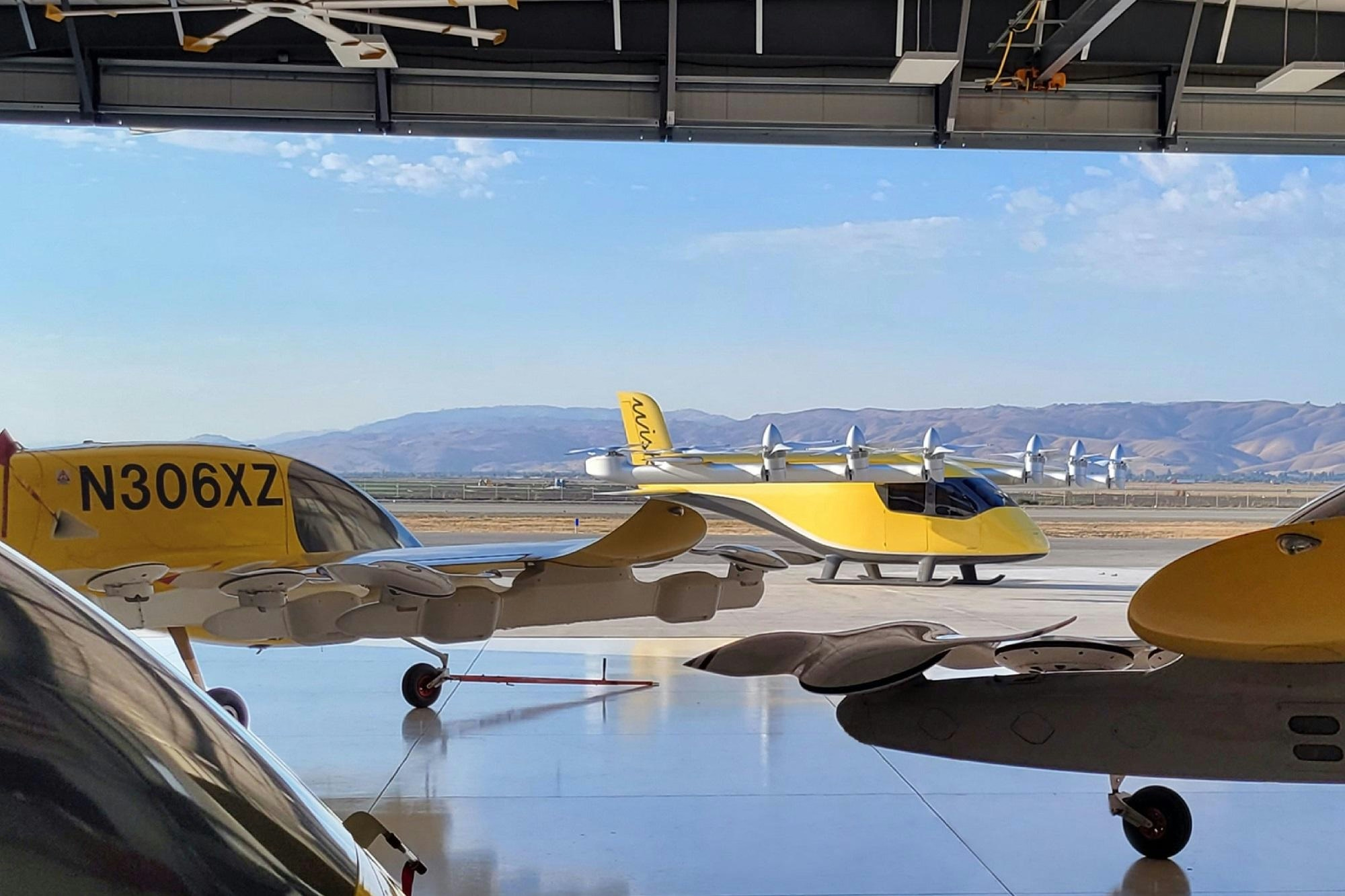
Archer Aviation Confronts Setbacks Amid Declining Air Taxi Interest

Chinese Team Develops First Flight Control Software for Bamboo Drones
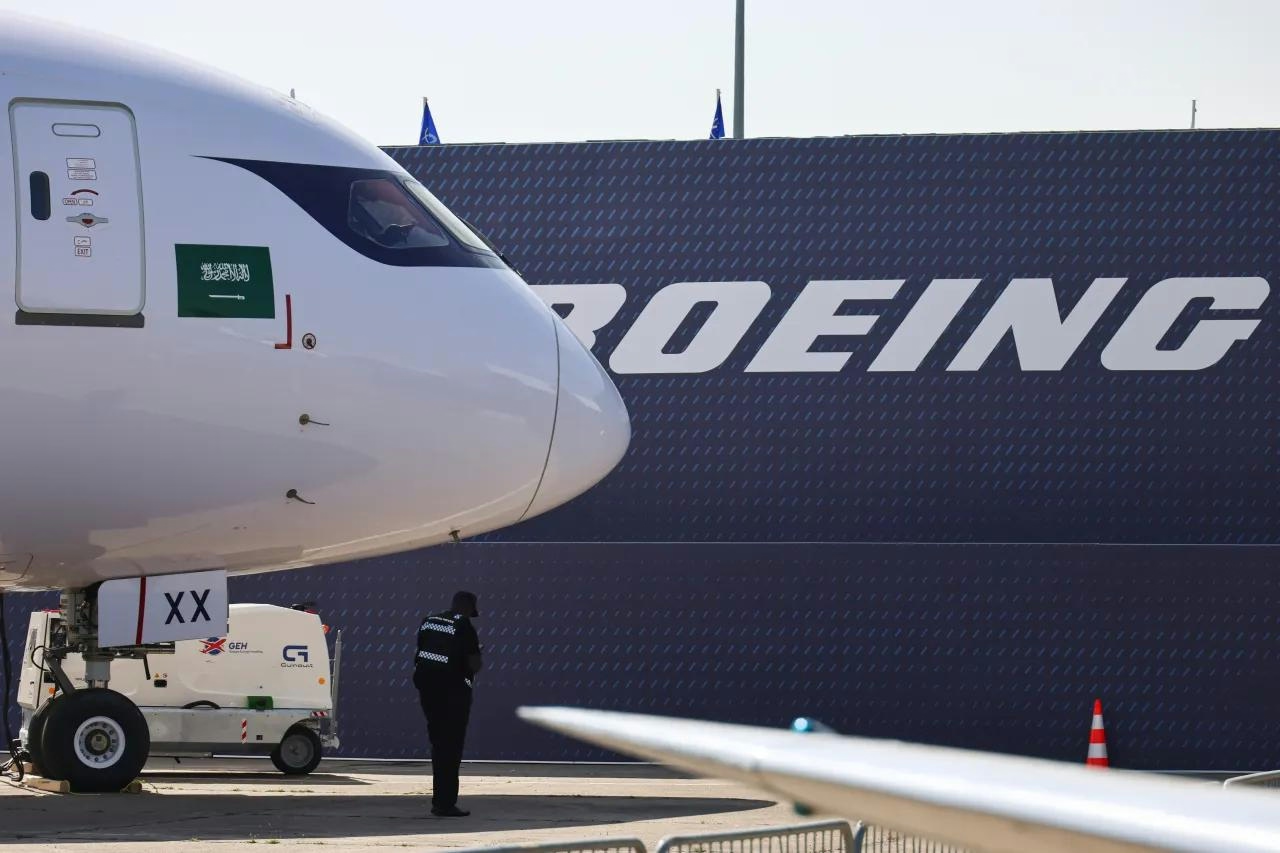
Government Moves Forward with Boeing Purchase, Considers Airbus Leasing
SkyHope Appoints Aviation Industry Leader to Board
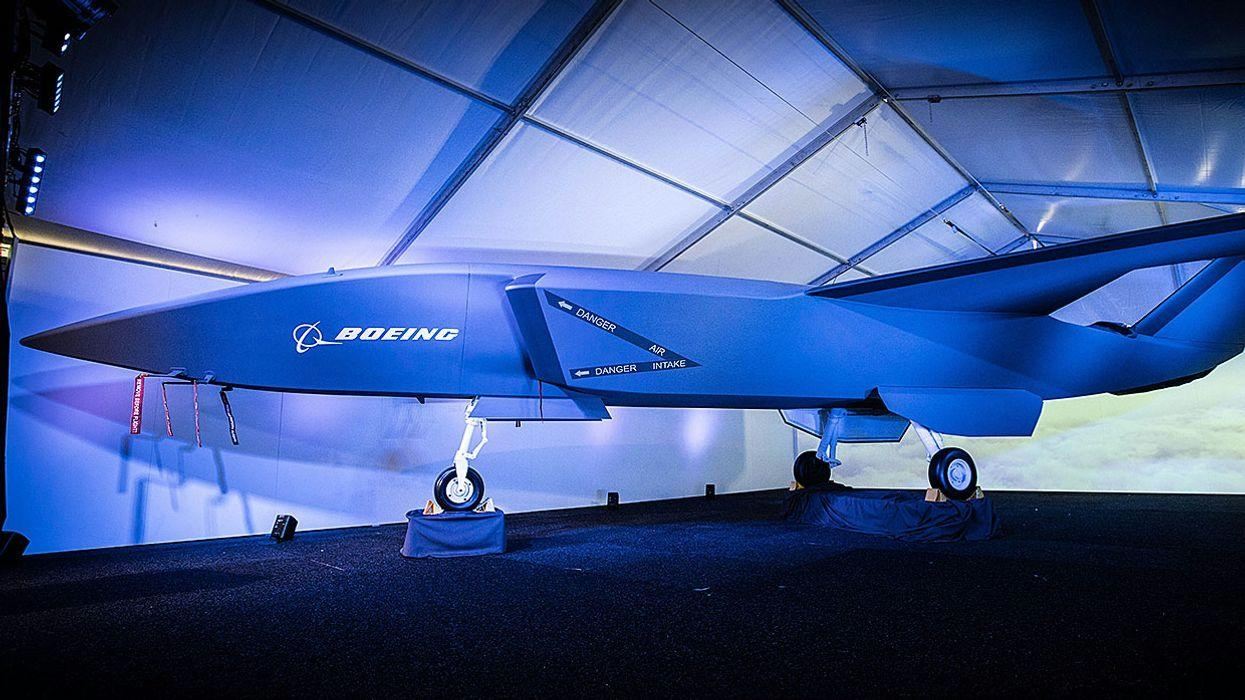
The Challenges of Certifying Autonomous Aircraft
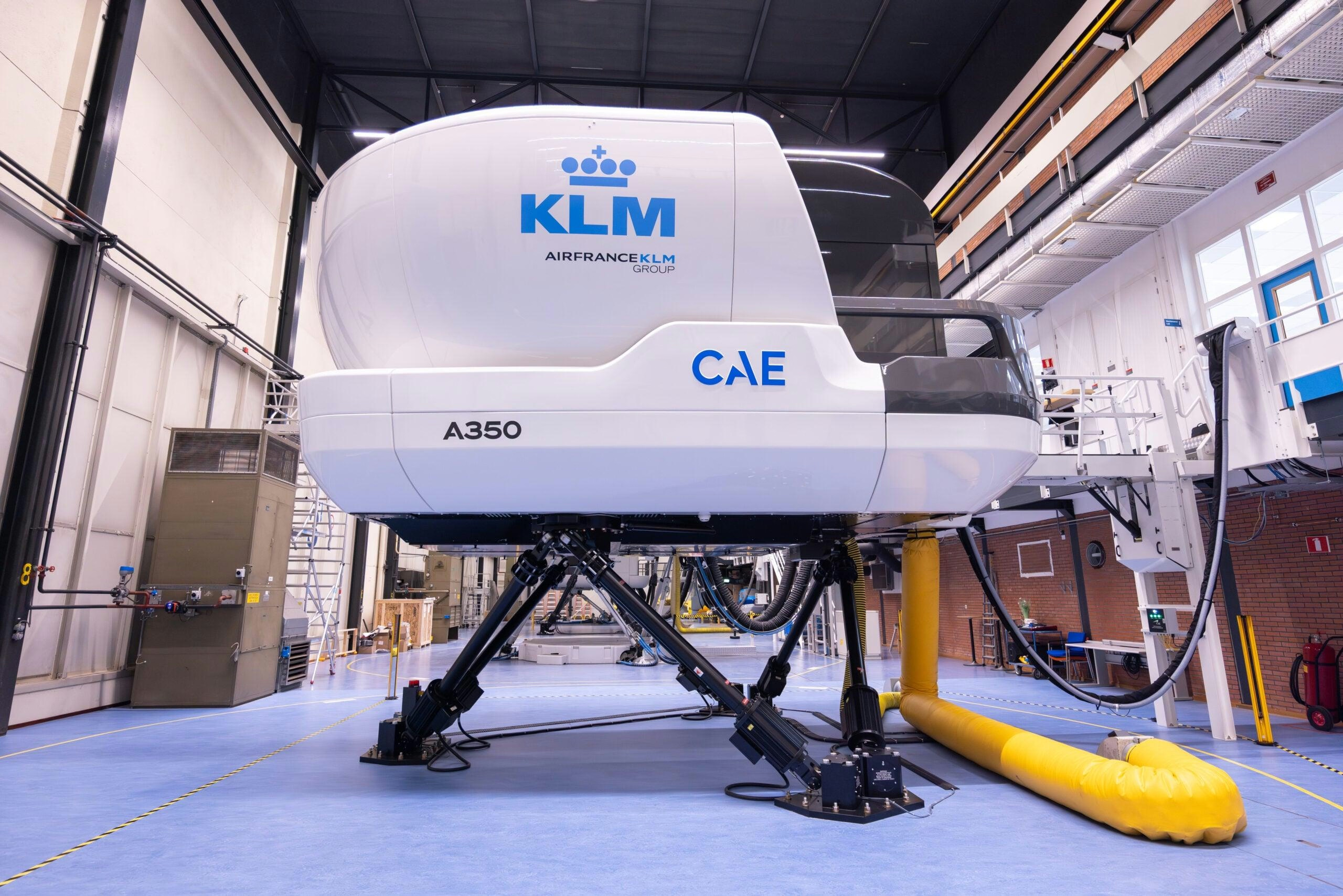
KLM to Receive First Airbus A350, Announces Initial Routes
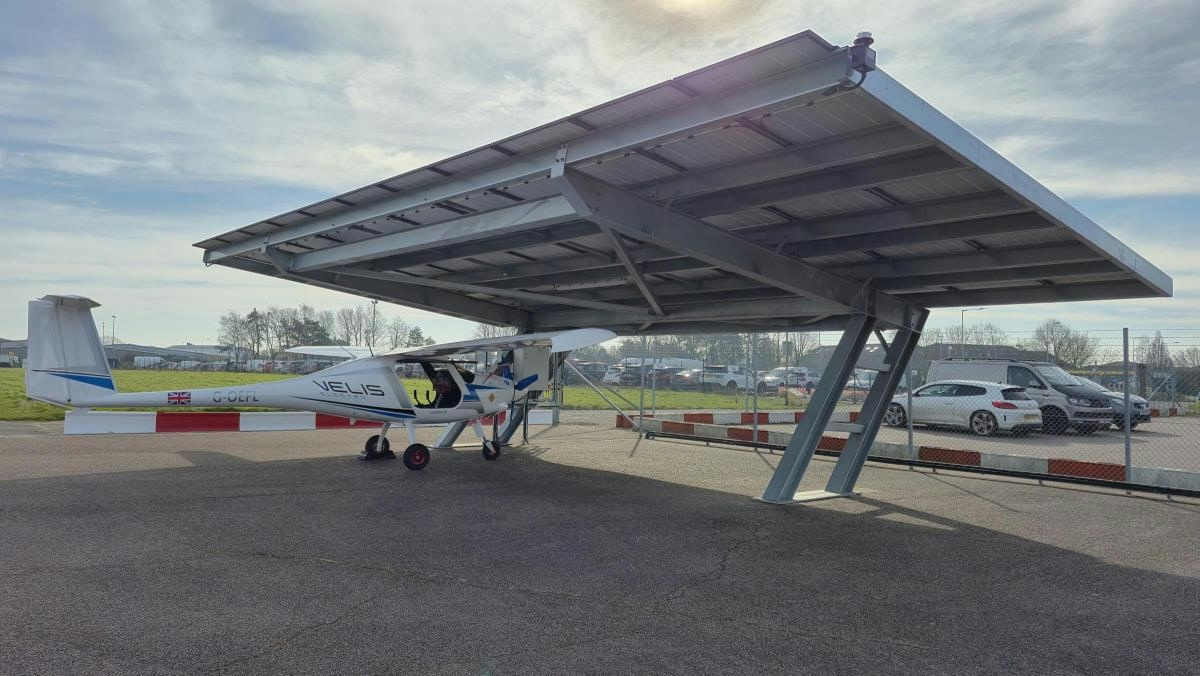
Saxon Air Receives Clean and Green Energy Innovation Award
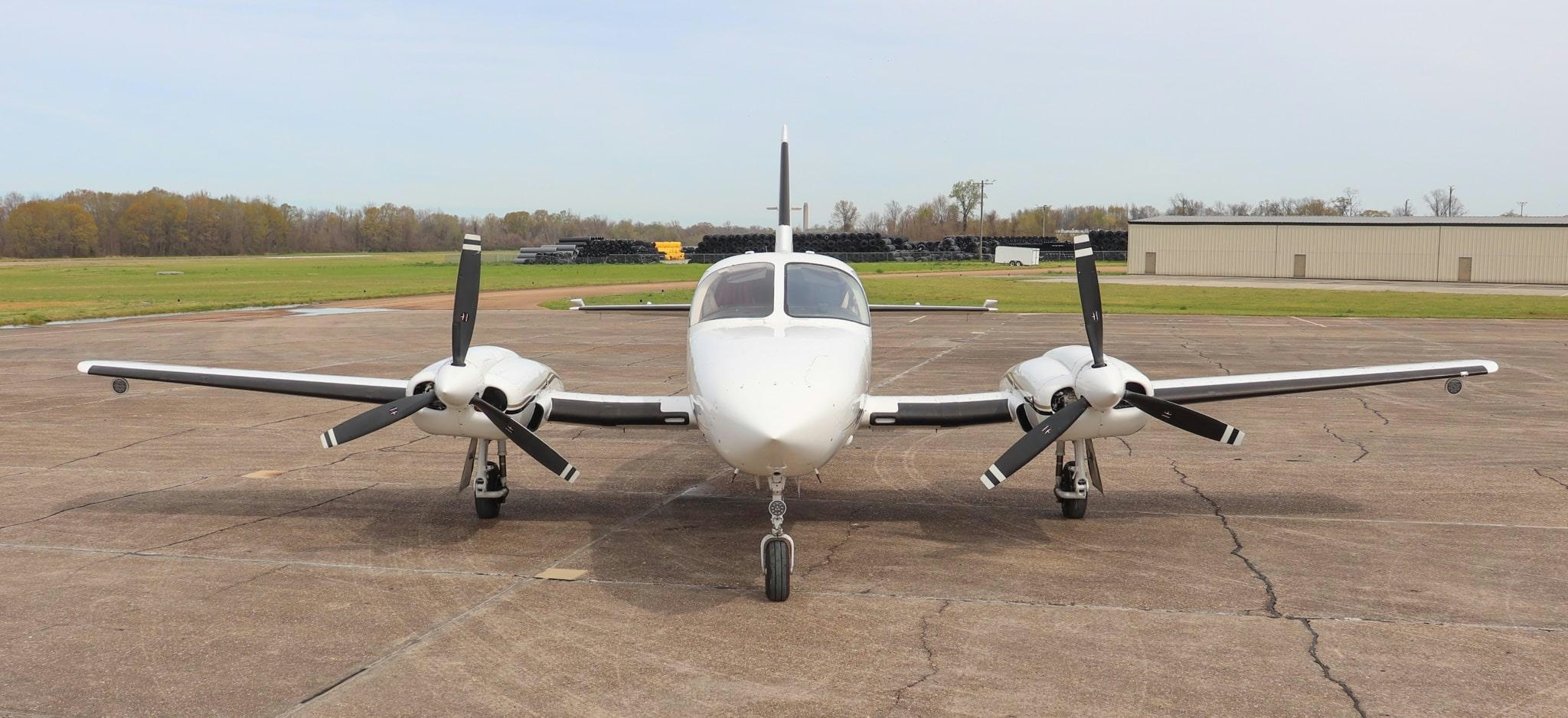
How BEB Tax Policies Impact Airlines’ International Leasing Contracts

Indonesia’s Danantara and Mandiri Partner with SMBC to Launch $800 Million Aviation Leasing Fund
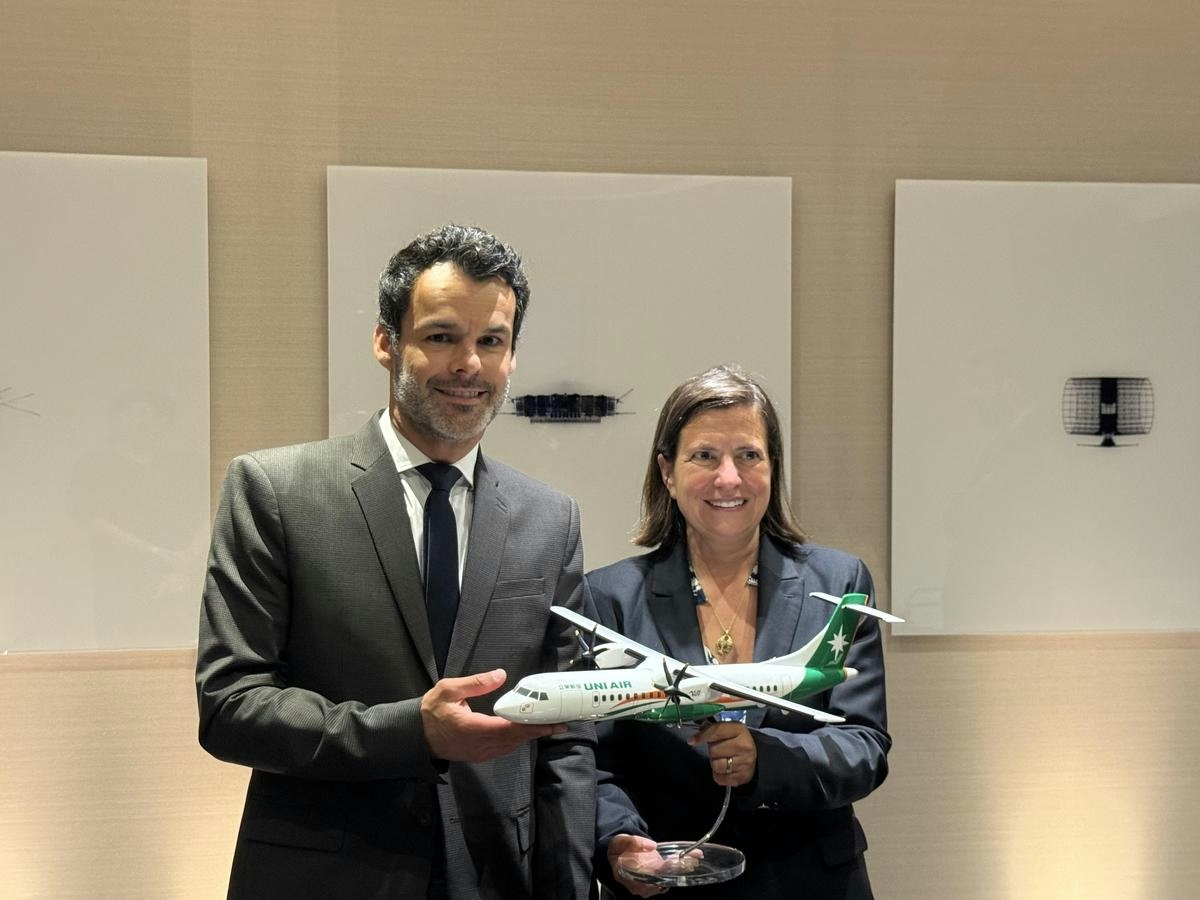
South Korea’s SUM Air Places Order for New ATR Aircraft
